Modern
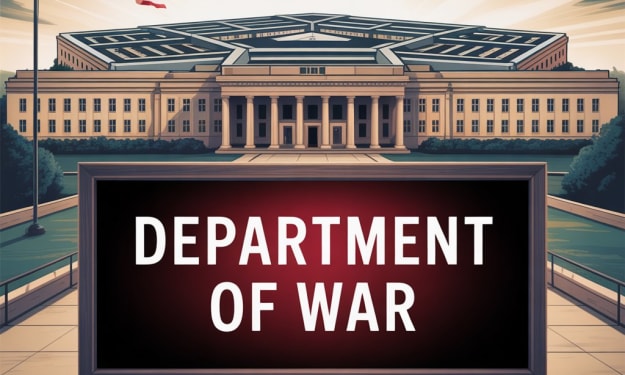
From Defense to War: The Symbolism Behind America’s Renaming Decision
.In recent days, reports surfaced that former U.S. President Donald Trump approved a symbolic decision to rename the Department of Defense as the Department of War. While this change may appear to be a simple alteration of terminology, it carries profound implications for how America views its military role in the world and how global audiences perceive U.S. policy. The renaming has sparked debate about history, symbolism, and the future direction of U.S. defense strategy. A Historical Background The U.S. military establishment has not always been called the Department of Defense. In fact, from 1789 to 1947, the agency responsible for military affairs was officially named the Department of War. This term was widely used during America’s early history, covering conflicts such as the Civil War and both World Wars. It was only after World War II and the creation of new institutions like the National Security Council and the Central Intelligence Agency that the U.S. restructured its military leadership. In 1949, the Department of War was renamed the Department of Defense, reflecting a shift in language from offensive warfare to a focus on protection and deterrence. The word “defense” suggested that the United States would use its military power primarily to safeguard itself and its allies, not to pursue aggressive war. This rebranding was part of a broader attempt to present America as a global leader for peace in the post-war era. Why Rename It Back? President Trump’s reported decision to revert to “Department of War” seems to be more than a cosmetic change. There are several possible reasons behind this move: 1. Symbolic Honesty: Critics of the Department of Defense have long argued that despite its peaceful name, the U.S. military has been heavily engaged in offensive operations around the world, from Iraq to Afghanistan. Renaming it as the Department of War could be seen as a way of being more transparent about its true role. 2. Historical Tradition: By restoring the original name, Trump may have wanted to connect with America’s past identity, emphasizing strength and military dominance rather than soft diplomacy. 3. Political Messaging: The change could also serve as a political statement to rally nationalist sentiment, projecting the image of America as a strong, unapologetic power in a competitive global order. Implications of the Name Change Although the renaming is symbolic, symbolism in international relations can have significant consequences. 1. Domestic Perceptions For the American public, the shift from “Defense” to “War” sends a very different message. The term “war” implies aggression, conflict, and readiness to fight, whereas “defense” suggests protection and security. Such a change may alarm citizens who prefer to see their military as a protective force rather than an offensive one. 2. Global Perceptions Internationally, the decision could raise concerns among U.S. allies and rivals alike. Allies may feel uneasy about the United States presenting itself as more war-oriented, while adversaries could interpret the change as a sign of increased aggression. This shift in language could complicate diplomatic relations. 3. Strategic Messaging Language often shapes strategy. By adopting the word “war,” the U.S. government may unintentionally reinforce the idea that conflict is central to its global role. This could affect how military planning is approached, prioritizing force projection over diplomacy. 4. Psychological Impact The name change may serve as a reminder of the reality of global power struggles. At the same time, it risks framing international relations through the lens of permanent conflict rather than cooperation. Advantages and Risks Like any decision, renaming the Department of Defense carries both benefits and risks. Advantages: Greater honesty about the military’s global role. Revival of historical tradition. Stronger nationalistic appeal to certain groups. Risks: Negative reaction from citizens who value peace-oriented language. Strained relations with allies who prefer cooperative approaches. Heightened global tensions if rivals perceive the U.S. as preparing for more wars. A Broader Reflection on Power This decision highlights an important reality: nations often define themselves not only by their actions but also by the words they use. The shift from “Defense” to “War” represents more than just terminology—it reflects a worldview. If nations see themselves as locked in constant conflict, then policies will follow that perspective. Conversely, framing military power as defensive can encourage diplomacy and restraint. For a globalized world where cooperation is essential—whether in trade, climate change, or technology—presenting one’s military as primarily for “war” may undermine long-term trust. Conclusion The renaming of the U.S. Department of Defense back to the Department of War carries heavy symbolic weight. While some may view it as a bold return to historical roots or a more honest description of America’s military role, others see it as a dangerous signal of aggression in an already tense world. Ultimately, the words a nation uses to describe its institutions influence both domestic and international perceptions. Whether this change leads to greater transparency or fuels greater mistrust, only time will tell. What is certain is that the debate reminds us of the power of language in shaping not just politics, but the course of global affairs.
By Javed Khan about a year ago in History
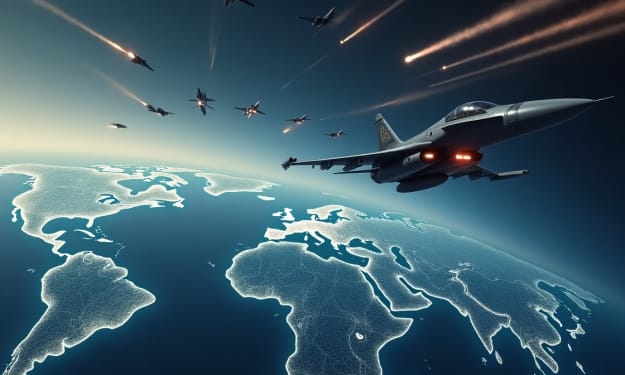
If World War 3 Started Tomorrow: The First 24 Hours Explained
Introduction: The Question We Fear Most For decades, experts and ordinary people alike have asked a haunting question: *what if World War 3 began tomorrow?* Most discussions focus on the weapons or alliances involved, but few stop to imagine how the first **24 hours** would feel for ordinary citizens. Those first moments would define not just the war itself, but the survival of billions.
By Wings of Time about a year ago in History
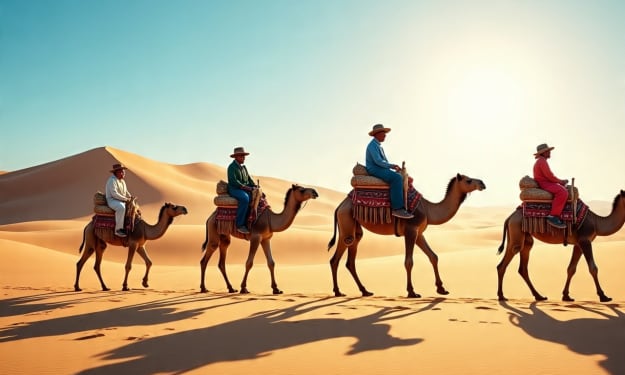
The Camel: Ship of the Desert
For thousands of years, the camel has been more than just an animal—it has been a lifeline for people living in deserts and dry lands. Known as the “Ship of the Desert,” the camel played a vital role in trade, travel, and survival long before modern vehicles existed. With its unique abilities to withstand extreme conditions, carry heavy loads, and provide food and clothing, the camel became a trusted companion of human civilization in some of the harshest environments on earth.
By aadam khanabout a year ago in History
SHUKRACHARYA
Shukracharya is respected mentor and spiritual guide of the demons (the Asuras) as per the Hindu mythology, he is an iconic figure whose knowledge and wisdom are still significant today. As the teacher of the Asuras, he conveyed his teachings that were pragmatic, emphasizing diplomacy, ethics, administration and warfare. Also, He was an advocate of forgiveness and compassion. His legacy and teachings, is scripted in the ancient Hindu scriptures, notably "Shukra Niti", a treatise on governance, statecraft, and politics.
By Yuvraj AtharavRaj Singh Yadavabout a year ago in History
The United States vs. Venezuela: A Geopolitical Struggle in the 21st Century
Introduction The relationship between the United States and Venezuela has been one of the most contentious diplomatic rivalries in the Western Hemisphere for the past two decades. While once bound by trade and energy cooperation, both nations have grown into ideological adversaries. Venezuela, rich in oil but plagued by economic collapse and political crises, has found itself at odds with the United States, which has often pushed for democratic reforms while simultaneously imposing sanctions.
By Hamza Muhammadabout a year ago in History
World War I: The Great War That Changed the World
Introduction World War I, also known as the "Great War," was one of the most transformative and devastating events in modern history. Fought between 1914 and 1918, it involved most of the world’s great powers, reshaped global politics, and laid the groundwork for much of the twentieth century’s turbulence. What began as a regional conflict in the Balkans escalated into a global war due to entangled alliances, militarism, imperial rivalries, and rising nationalism. By the time it ended, millions were dead, empires had collapsed, and the world was permanently altered.
By Hamza Muhammadabout a year ago in History
🌍 World War 3: How the First Battles Might Unfold
How the First Battles Might Unfold Introduction: The Calm Before the Storm If World War 3 were to begin, it would not look like the wars of the past. The weapons are faster, the technology more advanced, and the risks greater than ever before. Military planners around the world quietly prepare for such a possibility, knowing that the opening days would be critical.
By Wings of Time about a year ago in History
Pakistan vs India: A Historic Rivalry and the Global Role of the United States
Introduction The rivalry between Pakistan and India remains one of the world’s most enduring and dangerous conflicts. Emerging in 1947 from the violent partition of British India, the two nations have fought wars, engaged in border clashes, endured terrorism, and faced recurring political hostility. At the heart of this struggle lies the Kashmir dispute, but the rivalry extends to economics, regional influence, religion, and geopolitics.
By Hamza Muhammadabout a year ago in History
Israel, the Muslim World, and the United States: A Geopolitical Triangle of Conflict and Power
Introduction The Middle East has long been the focal point of world politics, not only due to its geographical significance but also because of its cultural, religious, and economic importance. Central to this discourse lies the ongoing conflict between Israel and the Muslim world, a relationship marked by tension, wars, failed peace efforts, and deep mistrust. Adding a further layer of complexity is the role of the United States, which has been Israel’s closest ally while simultaneously maintaining strategic ties with key Muslim-majority nations.
By Hamza Muhammadabout a year ago in History