Medieval
The Keeper of Memories
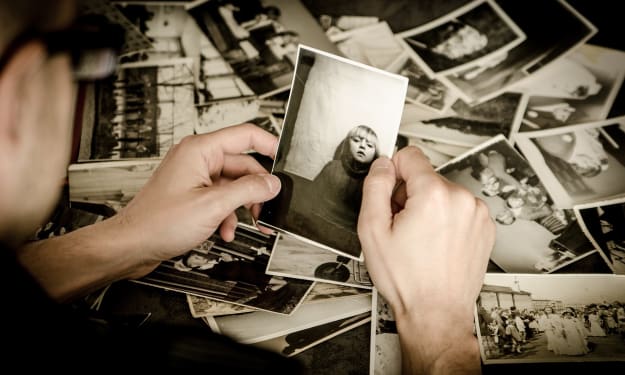
The Keeper of Memories In the small town of Albury, nestled between rolling hills and quiet lakes, lived an elderly man named Thomas. For as long as anyone could remember, Thomas had been the town’s unofficial historian. He was not a historian in the formal sense; he held no degrees, no scholarly titles. But what he did possess was an irreplaceable gift for remembering and storing the memories of people who had once lived, loved, and left their mark on the town. Thomas ran a modest shop called “Keepsakes & Memories.” Inside, every wall, shelf, and drawer was filled with items that held pieces of Albury’s history—worn letters, faded photographs, ticket stubs from a fair long past, tiny trinkets with stories only Thomas seemed to know. The townsfolk would bring him their cherished possessions, knowing they’d be safe with him, held in his careful, gentle hands. But it wasn’t only objects Thomas stored; it was the emotions, the stories, the moments frozen in time. People would often visit the shop not to buy anything, but to listen. They would ask him, “Thomas, tell us about the night of the Great Storm,” or “What was the Winter Ball like in ‘68?” And Thomas would begin, his voice soft and low, weaving tales that pulled at the heart. However, there was one particular story Thomas hadn’t shared with anyone—the story of how he became the keeper of memories. It was a story that lived in his heart, quietly shaping the man he had become. Years ago, when Thomas was a young man, he’d been married to a woman named Eleanor. She was his light, his laughter, his everything. Together, they’d dreamed of traveling the world, of writing their own history in places far and wide. But life, as it often does, had different plans. Eleanor fell ill, a cruel, relentless sickness that no doctor could cure. As her health faded, so did their dreams of distant lands and grand adventures. During her last days, Eleanor asked Thomas to promise her one thing. “Keep our memories, Tom,” she’d whispered, her hand clasped weakly in his. “Promise me you’ll remember all the small things—our picnics by the lake, our late-night talks, that silly dance we made up.” Thomas, choking on his tears, promised her he would. And as Eleanor slipped away, he felt a hollow emptiness settle in his heart, one he feared would never be filled. After Eleanor’s passing, Thomas found himself lost. He wandered through days in a fog of grief, unsure of how to keep the promise he’d made. But then, one afternoon, he stumbled upon an old wooden box Eleanor had kept on her vanity. Inside were tiny treasures—a dried flower from their first date, a ticket stub from their favorite movie, a small, handwritten note that simply read, “Forever yours.” It was in that moment Thomas understood: memories needed a home. They needed a place to rest, to be remembered, to be safe from the winds of time. So he began collecting not just his memories but those of the town, creating a space where moments were preserved, cherished, and kept alive. One evening, as Thomas sat alone in his shop, a young boy entered. He couldn’t have been more than ten, with tousled hair and eyes that held a sadness Thomas recognized all too well. The boy placed a small, battered toy car on the counter. “Can you keep this safe for me?” he asked, his voice barely a whisper. Thomas looked at the boy, understanding without needing to ask. He nodded, gently placing the toy on a special shelf he’d reserved for things of great importance. And as the boy left, Thomas promised himself that the toy car, and the story it held, would always have a place in his collection. From then on, people brought him more than just trinkets; they brought him pieces of their souls. A young widow handed him her husband’s pocket watch, a reminder of every second they’d spent together. An elderly woman entrusted him with a silk scarf, a gift from a love long lost but never forgotten. And each time, Thomas stored not only the objects but the emotions bound to them. As years went by, the shop became known as the heart of Albury. People who had moved away would send packages with letters that read, “For Thomas. Please keep it safe.” Children who had grown up listening to his stories would visit with their own mementos, placing their memories in his care. And Thomas, true to his word, kept each one safe. But Thomas’s time was growing short. His hands, once steady and sure, now trembled as he handled the fragile memories left in his care. One cold winter’s day, as he sat by the window, he realized it was time to pass the legacy on. He looked around the shop, at the countless pieces of love, loss, and laughter he had collected, and wondered who could continue this work. That evening, he called Clara, a young woman who had grown up listening to his stories. Clara had always been drawn to the shop, spending hours there as a child, mesmerized by Thomas’s tales. When she arrived, Thomas took her hand, placing the key to the shop in her palm. “This shop isn’t just a collection of things,” he told her, his voice a soft murmur. “It’s a collection of lives, of memories that need a place to live on. I’ve done my part, but now it’s time for someone else to keep them safe.” Clara, with tears in her eyes, understood the weight of what Thomas was entrusting her with. She nodded, promising to honour his legacy, to keep the memories alive. When Thomas passed away, the entire town mourned. People filled the small shop, leaving behind letters, flowers, and mementos of their own. Clara watched as the town remembered the man who had stored their memories, who had given their lives a place to be remembered, preserved in kindness. Years later, as she sat behind the counter, a young child walked into the shop, clutching a small, worn-out teddy bear. Clara took it gently from him, her heart swelling with the familiar weight of a new story. She smiled, placing the bear on the shelf, knowing that Thomas’s legacy lived on. And so, the little shop in Albury remained—a keeper of memories, a place where stories never faded, where every trinket, photograph, and letter was held in a special space. It was more than a habit of storage; it was a testament to love, to remembrance, and to the quiet, powerful promise of keeping memories alive.
By Dipak Pawar2 years ago in History
The Evolution of History: Understanding Our Past for a Better Future
History is not merely a collection of dates and events; it is a comprehensive narrative that weaves together the experiences, struggles, and triumphs of humanity. As we delve into the study of history, we find not only a record of our past but also a framework that shapes our identity and informs our future. This article explores the evolution of history as a discipline, its significance, and the lessons it imparts for contemporary society.
By Marius Lungu2 years ago in History
The Fall of the Visigothic Kingdom in the Iberian Peninsula
The Visigothic Kingdom, which reigned as a formidable power over the Iberian Peninsula for almost three hundred years, experienced a sudden and dramatic decline in the early 8th century. The dissolution of this kingdom represented a crucial turning point in European history, paving the way for the Islamic expansion into Europe and initiating a lengthy and intricate narrative for the Iberian Peninsula, ultimately leading to the Reconquista many centuries later. This article explores the circumstances that contributed to the downfall of the Visigothic Kingdom, the significant figures involved, and the enduring impact of this historical event.
By A História2 years ago in History
ST JAMES AND OTHER CURIOUS LEGENDS OF THE CAMINO
The year is 1211 and the pilgrim has been walking for months, enduring all weather and three painful pairs of thin leather sandals. He’s on his final pair now and the last piece of dried meat and stale bread in his pouch is going to be a celebratory meal tomorrow when, at long last, he reaches his destination. The thick impenetrable forests, the mountains full of wolves and bears, the thieves and bandits, and the numerous fellow pilgrims wasting away in hospices will soon be forgotten as he beholds a glorious sight, a magnificent symbol of the miracles of God and His apostle St James — the cathedral of Santiago de Compostela — about to be consecrated by King Alfonso IX himself!
By Kimberley Silverthorne2 years ago in History
The Rise of Richard the Lionheart
If you've ever watched a movie, read a book, or played a game depicting medieval England, chances are you’ve encountered Richard the Lionheart. Crowned King of England on September 3, 1189, Richard I remains one of the most celebrated monarchs in English history. Though modern scholars have questioned some aspects of his legacy, his name still echoes in legends, stories, and films, cementing his status as a timeless figure in folklore and pop culture. Richard I, known as Richard Cœur de Lion (or Richard the Lionheart), was born on September 8, 1157, likely in a royal palace in Oxford. He was the third son of King Henry II of England and Eleanor of Aquitaine, a powerful and influential political figure of her time. Richard’s mother played a crucial role in his life, as she did in European politics, wielding immense influence due to her vast inheritance and her position as the former queen of France and the queen of England. Richard was one of five children, and he became his mother’s favorite, a preference that would shape his upbringing and career.
By A História2 years ago in History
Bradford-on-Avon Tithe Barn: A Medieval Masterpiece
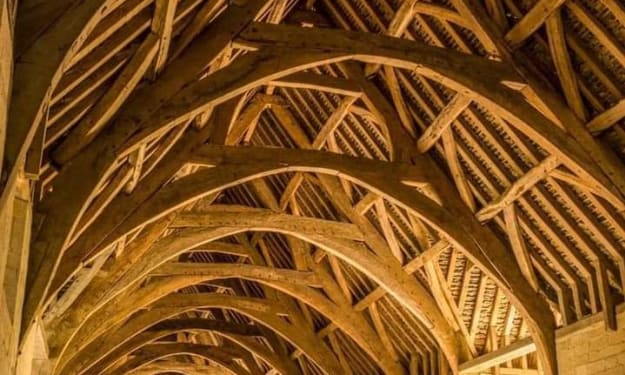
Nestled in the picturesque Wiltshire countryside, the Bradford-on-Avon Tithe Barn stands as one of the most impressive examples of medieval architecture in England. Built in the mid-14th century, this remarkable structure is not only one of the largest medieval barns in the country but also one of the finest in terms of its design and craftsmanship. Serving as a reminder of the agricultural and ecclesiastical history of the region, the Tithe Barn was originally constructed to support Barton Grange, a manor farm that belonged to the powerful Shaftesbury Abbey in Dorset. With its towering stone walls and majestic timber roof, the Bradford-on-Avon Tithe Barn offers visitors a glimpse into England’s rural past. In this post, we’ll explore the history, architecture, and significance of this medieval barn, as well as its enduring legacy. The Origins of the Tithe Barn The Tithe Barn at Bradford-on-Avon was built during the mid-14th century, a time when the rural economy of England was heavily intertwined with the power and wealth of the Church. Shaftesbury Abbey, which owned Barton Grange and its lands, was the wealthiest nunnery in medieval England. As part of the Benedictine order, the nuns of Shaftesbury oversaw vast agricultural estates that supplied the abbey with food, income, and resources. The barn was constructed to store the "tithes" that were collected from the local farming community. Under the system of tithing, farmers were required to give a portion of their produce—usually one-tenth—to the Church. These tithes could include grains, livestock, wool, and other agricultural products. The barn, therefore, played a crucial role in housing the goods that sustained the abbey’s wealth and ensured its continued operation. After the dissolution of the monasteries under Henry VIII in 1539, Shaftesbury Abbey was suppressed, and its lands, including Barton Grange, passed into private hands. The Tithe Barn continued to be used for agricultural purposes for several centuries, remaining part of a working farm until 1914. The Architecture of the Barn The Bradford-on-Avon Tithe Barn is an architectural marvel, both in its scale and in the quality of its construction. Measuring over 168 feet in length and 33 feet in width, the barn is truly vast, with enough space to store substantial quantities of produce. Its design, like many medieval barns, is functional but also reflects the grandeur typical of ecclesiastical buildings of the time. The exterior walls are constructed from limestone rubble, a common building material in the area. The thick stone walls not only provided support for the massive roof structure but also helped to protect the stored produce from the elements. The barn’s roof, made of wooden timbers, is one of its most striking features. The steeply pitched roof is supported by a series of large, intricately designed oak trusses, which are arranged in an A-frame shape. These trusses, some of which are more than 30 feet in height, demonstrate the skill and craftsmanship of medieval carpenters. Each timber was hand-cut and fitted together using traditional joinery techniques, creating a roof structure that has withstood the test of time. One of the most impressive aspects of the barn’s architecture is the way in which form and function are perfectly balanced. The barn’s size was necessary to accommodate large quantities of agricultural produce, but the design also ensured that the interior was well-ventilated and dry. The large doorways at either end of the barn, along with smaller ventilation slits in the walls, allowed air to circulate freely, preventing dampness and rot. The barn also features a number of original stone buttresses, which were added to support the weight of the massive roof. These buttresses, along with the barn’s sturdy stone walls, give the structure a sense of permanence and strength, qualities that were undoubtedly important for a building intended to store valuable resources. The Significance of Shaftesbury Abbey Shaftesbury Abbey, which owned Barton Grange and the Tithe Barn, was one of the most powerful and wealthy religious institutions in medieval England. Founded in the late 9th century by King Alfred the Great, the abbey was initially established as a royal nunnery. Over the centuries, it grew in size and influence, amassing vast estates across southern England. The abbey was particularly known for its production of wool, which was one of the most important industries in medieval England. The wool produced on the abbey’s estates was highly prized, and much of it was exported to continental Europe, where it was used to make fine textiles. The income generated from wool sales helped to finance the abbey’s lavish building projects, including the construction of barns like the one at Bradford-on-Avon. While Shaftesbury Abbey was dissolved in 1539 as part of Henry VIII’s dissolution of the monasteries, its legacy lives on in the many buildings and estates it once controlled. The Bradford-on-Avon Tithe Barn is one of the few remaining structures that offer a direct connection to this important chapter in English history. The Barn’s Journey Through the Centuries After the dissolution of Shaftesbury Abbey, the Bradford-on-Avon Tithe Barn continued to serve as an agricultural building for several centuries. By the late 19th and early 20th centuries, however, changes in farming practices and the industrialization of agriculture meant that large tithe barns like the one at Bradford-on-Avon were no longer as essential as they had once been. In 1914, the barn ceased to function as part of a working farm and fell into a period of neglect. Fortunately, in the years that followed, efforts were made to preserve the barn and protect it from further decay. The barn was eventually restored and opened to the public, allowing visitors to appreciate its historical significance and architectural beauty. Today, the Bradford-on-Avon Tithe Barn is managed by the English Heritage organization and stands as a popular tourist attraction. It remains one of the finest examples of medieval agricultural architecture in England, drawing visitors from around the world who come to marvel at its grandeur and learn about its rich history. A Living Monument The Bradford-on-Avon Tithe Barn is more than just a relic of the past—it is a living monument that continues to inspire awe and admiration. Its sheer size and remarkable craftsmanship offer a window into a time when agriculture was the backbone of the economy, and the Church wielded immense power. While much has changed in the centuries since the barn was built, its enduring presence on the landscape serves as a reminder of the skill and dedication of the people who constructed it. Whether you’re a history enthusiast, an architecture lover, or simply someone who appreciates beautiful places, the Bradford-on-Avon Tithe Barn is a must-see destination. As you walk through its vast, echoing interior and gaze up at the intricate wooden beams overhead, you can’t help but feel a connection to the generations of people who have walked the same path, marveling at the same structure, for more than 600 years.
By Deji Akomolafe2 years ago in History
A Brief History of Alcohol
The fascinating history of alcohol begins with a curious chimpanzee that discovers a bounty of overripe plums. Drawn to the intoxicating aroma of the split fruit, the chimpanzee indulges in these treats and soon experiences some unusual effects. This unwitting creature inadvertently uncovers a natural process that humans would later harness to create beer, wine, and a variety of other alcoholic beverages.
By DANIEL AKAM OKO2 years ago in History