Medieval
Hirta Island: A Forgotten Village of the Scottish Highlands
Tucked away in the rugged wilderness of the Hebrides, Hirta Island stands as a poignant reminder of Scotland’s rich, yet often challenging, history. Located within the archipelago known as St. Kilda, Hirta was home to generations of crofters, fisherman, and farmers who carved out a living on this remote island. Once a thriving community, the island is now a place of haunting beauty, its cottages abandoned, its fields silent. But for more than 2000 years, Hirta was a lively settlement where people endured the harshest of conditions to live out their daily lives. One chapter of this island’s remarkable history unfolded in 1861 when a group of settlers constructed 16 single-story cottages along what would come to be known as ‘main street.’ Yet despite the resilience of its people, Hirta’s life as a village would ultimately end in 1930, leaving behind only memories and stone foundations, forever etched in the island's landscape.
By Deji Akomolafe2 years ago in History
The Iron Flail: A Spiked Symbol of Medieval Power
In the captivating world of medieval weaponry, few objects are as evocative of raw power and close combat as the iron flail. Also known as the "morning star," this fearsome weapon boasts a striking design, featuring a spiked ball attached to a sturdy shaft, and it was one of the most terrifying tools of war during the 15th to 17th centuries. While its name might sound poetic, the flail was no less deadly, capable of delivering bone-crushing blows with devastating speed and accuracy. Today, the iron flail remains an iconic symbol of medieval combat, captivating historians, enthusiasts, and museum-goers alike.
By Deji Akomolafe2 years ago in History
A Timeless Landmark: The Preservation of Aberconwy House Through Art and Time
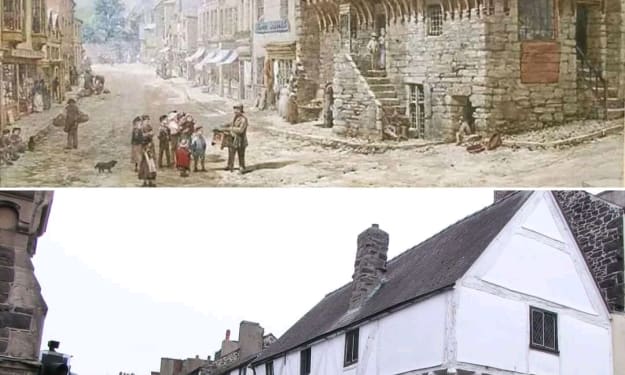
Aberconwy House, located in the historic walled town of Conwy in North Wales, is a rare and invaluable relic of the medieval past. The house, dating back to the 14th century, stands as the only surviving merchant's house from this period in Conwy, offering a unique window into a time when the town thrived as a bustling center of commerce and culture. As one of the few medieval buildings that withstood the turbulent history of Conwy, Aberconwy House carries with it stories of medieval life, resilience, and the evolution of the town. In the early 1980s, renowned Welsh artist Louise Ingram Rayner captured the house in one of her detailed watercolors, presenting a scene frozen in time. Rayner, known for her meticulous architectural studies, brought attention to Aberconwy House not only as a subject of art but also as a beacon of historical significance. Her painting contrasts sharply with the modern-day reality of the building, showcasing the careful preservation of its form over the centuries, and allowing us to compare how much the structure has endured since Rayner’s interpretation of it. Aberconwy House: A Jewel of Conwy’s Medieval History Built in the early 14th century, Aberconwy House stands as a testament to the wealth and status of the merchant class in medieval Conwy. The town was granted its charter in 1283 by Edward I after the conquest of Wales, and soon after, Conwy began to prosper as a port and trading hub. Merchants and craftsmen played a crucial role in the town’s economic success, and Aberconwy House was likely the residence of a prosperous merchant family. The house’s design, with its steeply-pitched roof, timber framing, and distinctive stonework, reflects the typical construction style of the period. Over the centuries, Conwy experienced numerous changes, including invasions, wars, and periods of economic upheaval. Despite this, Aberconwy House stood firm, surviving all the trials that befell it. The building’s resilience is evident in its structure, with later additions made to accommodate the changing needs of its inhabitants, yet its medieval character remains remarkably intact. The house is now one of the key historical landmarks in Conwy, drawing visitors eager to learn about the medieval way of life and explore the rooms where wealthy merchants would have conducted business, entertained guests, and lived with their families. A walk through its rooms today is like stepping back in time, with its period furnishings, original stone walls, and intricate wooden beams telling the story of medieval domestic life. Louise Ingram Rayner’s Artistic Vision Louise Ingram Rayner’s watercolor painting of Aberconwy House, created around 1980, is a compelling example of her skill in capturing the essence of historic buildings. Rayner, who was particularly focused on architectural subjects, had a unique talent for rendering the subtle details of buildings and the stories they conveyed. Her style, characterized by a delicate interplay of light, shadow, and texture, brings out the character of the buildings she painted, and Aberconwy House is no exception. In her painting, Rayner depicts the house from a vantage point that emphasizes its historical solidity and enduring nature. The detailed brushwork brings to life the texture of the stonework, the age of the timbers, and the weathered appearance of the windows. The color palette used by Rayner enhances the sense of age and permanence, with muted tones reflecting the timeworn nature of the house. The painting also captures the house in its historical context, situated against the backdrop of Conwy’s medieval town walls, which are among the best-preserved fortifications from the reign of Edward I. Rayner’s interpretation of Aberconwy House not only celebrates its architecture but also serves as a reminder of its importance within the larger history of Conwy. Aberconwy House Today Fast-forwarding to today, Aberconwy House remains one of the most well-preserved medieval buildings in Wales. It has undergone careful restoration over the years, and its preservation is a testament to the dedication of conservationists and historians who have worked tirelessly to maintain the structure’s integrity. The house is now managed by the National Trust and is open to the public, allowing visitors to experience its rich history firsthand. One of the striking aspects of Aberconwy House today is the way it continues to maintain its historical character despite the changes in its surroundings. The walled town of Conwy, with its narrow streets and picturesque buildings, offers a perfect setting for the house, and much of the medieval charm of the town has been preserved alongside it. The town walls, the medieval bridge, and the castle built by Edward I all form part of the UNESCO World Heritage Site that includes Aberconwy House, ensuring that it remains a focal point of Conwy’s history and heritage. While the house may have changed over the centuries, its survival and preservation are a testament to its cultural and historical significance. Today, it is not only a building of historical interest but also a symbol of the resilience of Conwy itself—its ability to endure through centuries of change and continue to offer a glimpse into its medieval past. Conclusion In both Louise Ingram Rayner’s watercolor and in the preserved structure we see today, Aberconwy House stands as a reminder of a bygone era. Through Rayner’s meticulous portrayal and the careful efforts of modern conservationists, the house has remained a vibrant symbol of medieval Conwy. Whether seen through the artist’s eyes or in person today, Aberconwy House is a lasting monument to the town’s rich history, offering insight into the lives of those who once called this house their home, and serving as a testament to the enduring legacy of medieval architecture.
By Deji Akomolafe2 years ago in History
York Castle: The Story Behind Clifford's Tower
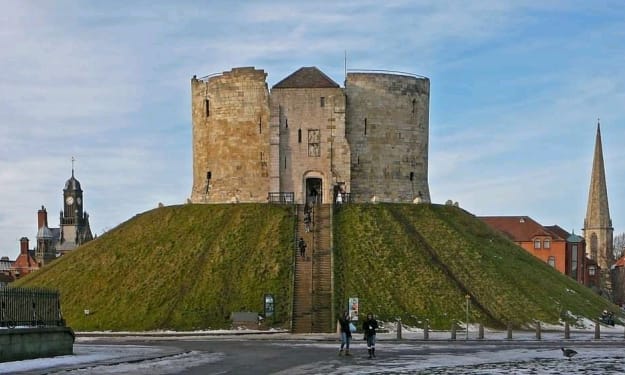
Nestled in the heart of York, England, stands the iconic Clifford’s Tower, a symbol of the city’s turbulent history. This imposing structure, now a ruin, was once the heart of York Castle, a site that has witnessed centuries of conflict, power struggles, and cultural shifts. Today, Clifford’s Tower stands as a testament to both the Norman conquest and the complex history of York, a city that once lay at the crossroads of Viking and Norman influences. The Birth of York Castle The story of York Castle begins in the aftermath of the Norman conquest of England in 1066. Following his victory at the Battle of Hastings, William the Conqueror moved swiftly to solidify his control over the kingdom. York, with its strategic location and historical significance as the capital of Viking Northumbria, was a key city for the Normans to conquer. In 1068, just two years after his victory, William I ordered the construction of a motte and bailey castle on the site where Clifford’s Tower now stands. The first structure on the site was a typical motte and bailey design, consisting of a wooden fortification atop a large earthen mound, or motte, surrounded by a walled enclosure, or bailey. This type of castle was relatively simple to build and was designed to quickly establish Norman dominance over newly conquered lands. The motte and bailey design was common in the early years of Norman rule, as it allowed the conquerors to control strategic areas with minimal resources. However, the construction of the castle did not go unchallenged. The city of York, known as Jórvík when it was under Viking rule, was a vibrant urban center, and its inhabitants were fiercely resistant to the Norman invasion. In 1069, just a year after the castle was built, the city was the site of a major rebellion. A Viking army, led by a claimant to the English throne, joined forces with disgruntled Saxons to rise up against Norman rule. The rebels successfully destroyed the castle, burning it to the ground. The Rebuilding of York Castle Despite the setback in 1069, the Normans remained determined to retain control over York. William I ordered the castle to be rebuilt, this time with more permanent materials. By the early 12th century, the motte and bailey castle was replaced by a larger, more fortified stone keep, which would become the heart of York Castle. This was the beginning of the structure that would later be known as Clifford’s Tower. The new stone keep was a formidable structure, designed to provide a stronghold for the Norman rulers in the region. The keep was built on the high motte, offering a commanding view of the surrounding landscape and the city of York. The castle became an important administrative and military center, overseeing the surrounding area and serving as a symbol of Norman authority in the north. Clifford's Tower: A Symbol of Power and Tragedy The tower that stands today is all that remains of the once-grand keep. The structure was renamed Clifford’s Tower in the 16th century, after the Clifford family, who were prominent figures in the region and held the castle for several centuries. The tower, which was originally a multi-story building, was used for various purposes over the years, including as a royal residence, a prison, and a stronghold during times of unrest. However, Clifford’s Tower is also known for a tragic event in English history. In 1190, during a period of growing tensions between Jews and Christians in England, a terrible massacre occurred at the tower. A group of York’s Jewish population, fearing for their lives after an anti-Semitic mob threatened them, took refuge inside the tower. Tragically, the situation escalated, and the Jewish men, women, and children trapped inside were either killed by the mob or chose to take their own lives. This massacre is one of the darkest chapters in the history of York and remains a somber reminder of the dangers of religious intolerance. The Decline of York Castle Over the centuries, York Castle continued to serve various roles, but its significance began to wane. In the 14th and 15th centuries, the castle’s importance as a military stronghold diminished, and the site fell into disrepair. The tower itself was partially destroyed in the English Civil War (1642-1651), when Parliamentarian forces sought to weaken royal power in the region. After the war, the castle was abandoned and left in ruins. Despite its decline, York Castle and Clifford’s Tower remained an important historical site. In the 18th and 19th centuries, the tower became a popular landmark, drawing visitors interested in its history and its role in shaping the city of York. The site was eventually preserved, and in 1988, it was opened to the public as a tourist attraction, managed by English Heritage. Clifford's Tower Today Today, Clifford’s Tower stands as one of York’s most iconic landmarks. Visitors can climb to the top of the tower and enjoy panoramic views of the city, including the nearby York Minster and the winding streets of the medieval city center. The tower is a popular tourist destination, offering a glimpse into the past and the chance to reflect on the turbulent history of the region. While the structure itself is a ruin, its historical significance remains undeniable. Clifford’s Tower is a symbol of the Norman conquest, the power struggles between different cultures, and the enduring legacy of York’s complex past. The tower, with its layers of history, serves as a powerful reminder of the city’s role in shaping English history and culture. York Castle, with Clifford’s Tower at its heart, is a site that has witnessed the rise and fall of empires, the ebb and flow of cultures, and the ever-changing nature of power. Today, it remains a key part of York’s historical identity, offering visitors a chance to step back in time and explore the fascinating story of one of England’s most enduring landmarks.
By Deji Akomolafe2 years ago in History
The Legend of Atlantis: Fact or Fiction? . AI-Generated.
The story of Atlantis has fascinated historians, philosophers, and the public for centuries. This mythical island, often described as an advanced and utopian civilization, is said to have disappeared beneath the waves in a catastrophic event. While many consider it a cautionary tale or a symbolic myth, others argue that it may be rooted in historical reality. This article explores the legend of Atlantis, its origins, and the ongoing debate over whether it is fact or fiction.
By mariam elghazaly2 years ago in History
St. Michael's Mount: A Mystical Island Steeped in History and Legend
Nestled off the picturesque coast of Marazion in Cornwall, England, St. Michael's Mount is a tidal island that beckons visitors with its striking beauty, rich history, and captivating myths. As one of Cornwall’s most iconic landmarks, St. Michael’s Mount is a unique blend of nature, legend, and heritage, drawing people from all over the world to experience its magic. Whether approached by foot during low tide or by boat during high tide, this ancient island offers a glimpse into a past that is both fascinating and enchanting.
By Deji Akomolafe2 years ago in History
The Oldest House in Salisbury: A Hidden Gem of Medieval Architecture
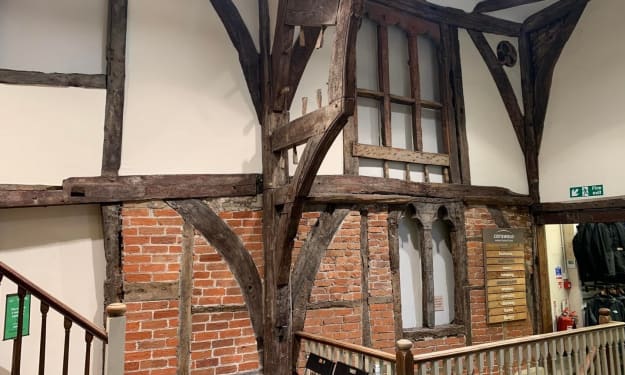
In the heart of Salisbury, Wiltshire, England, lies a fascinating piece of history that many may walk by without a second glance. At first glance, it might seem like just another charming building, but the oldest house in Salisbury is far more than just a relic of the past. Built in 1308, this historic structure offers a unique glimpse into medieval domestic life and architectural practices. But what’s truly captivating about this house is the way it challenges our expectations of age, design, and historical significance.
By Deji Akomolafe2 years ago in History
The Fascinating World of Dos-à-Dos Bookbinding: A Glimpse into Medieval Bookcraft
In the world of bookbinding, few techniques are as unique and intriguing as the dos-à-dos binding. This unusual style, which literally translates from French as "back-to-back," has roots in the medieval and early modern periods. It’s a method that combines both practicality and artistry, providing a space-efficient way to store multiple books in a single volume. Though rare today, this binding technique tells a story of its time—a time when books were precious commodities and the art of their creation was a specialized skill.
By Deji Akomolafe2 years ago in History
The Mystery of Nan Madol: How Did Ancient Builders Transport 50-Ton Basalt Stones?
The Mystery of Nan Madol: How Did Ancient Builders Transport 50-Ton Basalt Stones? Located off the coast of Pohnpei in Micronesia, Nan Madol is a 900-year-old city built on artificial islets, constructed with massive basalt stones that weigh up to 50 tons. Once a ceremonial and political center for the Saudeleur Dynasty, this ancient city remains a mystery, not just because of its size and beauty, but also due to the unclear methods used to transport these enormous stones across open water. To this day, locals tell tales of magic, claiming that the stones were transported through sorcery. But what did the ancient builders really do to transport such colossal weights? The Enigma of Nan Madol’s Construction Nan Madol is often referred to as the “Venice of the Pacific” due to its unique layout of artificial islets, which are connected by a network of narrow canals. The city, which consists of over 100 small islands, was constructed using massive basalt columns, some weighing as much as 50 tons. These stones were quarried from a site several miles away from Nan Madol, making their transportation a monumental challenge. The construction of Nan Madol is believed to have taken place between the 12th and 13th centuries, under the reign of the Saudeleur Dynasty. This city was a center of both politics and ritual, home to temples, ceremonial platforms, and other structures that held immense cultural significance. While the sheer scale of the construction is awe-inspiring, the method by which the builders managed to move these massive stones across open water is one of the greatest mysteries surrounding the site. The Magic of Local Beliefs Locals have long held a belief that the construction of Nan Madol was not merely an engineering feat but also a work of magic. According to tradition, the basalt stones were flown across the ocean to the city site through the power of sorcery. These tales are deeply woven into the cultural fabric of Pohnpei, where Nan Madol is considered a sacred and mystical place. While this belief remains powerful within the local community, scholars and archaeologists tend to favor more practical theories, given the lack of empirical evidence for the use of magic in ancient construction. However, it is important to acknowledge that many ancient cultures, including those in the Pacific, imbued their engineering feats with spiritual and magical significance, which may have been reflected in the stories surrounding Nan Madol’s creation. Practical Methods of Transporting the Stones Despite the supernatural claims, several plausible explanations exist for how the ancient builders of Nan Madol may have transported such massive stones. One of the most widely considered theories is that the builders used large rafts or canoes to carry the stones across the water. The people of Micronesia were skilled seafarers, known for their exceptional navigation techniques, and they constructed impressive outrigger canoes that could travel vast distances over open water. Large Rafts or Canoes Using large rafts or wooden platforms to transport heavy basalt stones across open water would have been a practical solution. These rafts could have been constructed using materials like wood, rope, and vines, which were readily available on the island. The stones would have been loaded onto the raft, and teams of men would have paddled or sailed the rafts across the water to the construction site. To move stones as large as 50 tons, the raft would have needed to be both large and sturdy, capable of bearing the immense weight without sinking or breaking apart. There is historical evidence of similar methods being used in other parts of the world. For instance, the ancient Egyptians transported massive stones across the Nile River using rafts made of papyrus. It’s plausible that the people of Nan Madol used a similar technique, adapted to the materials and conditions available to them in the Pacific Ocean. A Combination of Land and Water Transport Another possible method for transporting the stones is the use of a combination of land and water transport. The basalt stones could have been moved overland from the quarry using sledges or rollers, which would have been pulled by workers or dragged by animals. Once the stones were brought to the shore, they could then be loaded onto rafts for the final leg of their journey across the open water. This hybrid approach would have allowed the builders to navigate the challenges of both land and sea, taking advantage of the natural resources available to them. Additionally, the dense forests of Pohnpei could have provided ample timber to construct the sledges and other tools needed for the overland portion of the transport process. Floating or Submerging the Stones Another theory that has been proposed is the idea of "floating" the stones. The process would involve partially submerging the stones in water to reduce their weight, thus making them easier to move. While this technique is commonly used in the transportation of large objects (such as ships or monuments), it’s unlikely that it would have been practical for stones weighing up to 50 tons. However, if the builders were able to partially float the stones and then use buoyancy to assist in their transport, it could explain how they managed to move the stones over long distances. This idea, while speculative, suggests that the builders may have had a sophisticated understanding of buoyancy and water transport. The Ingenuity of the Saudeleur Dynasty Regardless of the method used, one thing is certain: the construction of Nan Madol required extraordinary ingenuity, planning, and coordination. Moving stones of such immense size and weight across miles of open water would have been no small feat. The builders of Nan Madol were highly skilled engineers, and the fact that they were able to achieve this feat without the use of advanced technology is a testament to their resourcefulness. Moreover, the location of the city—built on artificial islets in the middle of the ocean—suggests that the builders had a deep understanding of the island’s geography, tides, and currents. The construction of Nan Madol may have involved not just physical strength but also an intimate knowledge of the natural world and how to use it to their advantage. Conclusion The mystery of how the ancient builders of Nan Madol transported the massive basalt stones across open water may never be fully solved. While local legends speak of magic and sorcery, scholars have proposed various practical methods, including the use of rafts, canoes, and even floating techniques. What remains clear is that the construction of Nan Madol represents an extraordinary achievement in ancient engineering, and the city continues to inspire awe and wonder today. Whether through supernatural means or sheer human ingenuity, the people of Nan Madol created a lasting monument that still captivates us 900 years later.Start writing...
By Deji Akomolafe2 years ago in History
The Sutton Hoo Sword: A Symbol of Anglo-Saxon Power and Craftsmanship
The Sutton Hoo Sword: A Symbol of Anglo-Saxon Power and Craftsmanship One of the most iconic and significant discoveries in British archaeology is the Sutton Hoo ship-burial, found in Suffolk, England. Dated to approximately AD 620, this burial site is believed to have belonged to an East Anglian king, possibly Raedwald, who ruled at the height of Anglo-Saxon England. Among the numerous treasures unearthed from this ancient royal burial was an extraordinary sword, whose craftsmanship and symbolism offer profound insights into the period’s warfare, social structure, and artistry. This sword, now housed at the British Museum, is more than just a weapon; it is a testament to the power and legacy of the Anglo-Saxon elite. Discovery and Context of the Sutton Hoo Ship-Burial The Sutton Hoo burial was uncovered in 1939, largely thanks to the efforts of Edith Pretty, a landowner who was intrigued by the mounds on her property. When archaeologists excavated the site, they discovered a large ship that had been buried in a mound, along with a treasure trove of artifacts. These objects ranged from exquisite jewelry and helmets to shields and weapons. The ship itself was nearly 90 feet long, suggesting it was intended for a powerful, possibly royal, figure. At the heart of this burial was the belief that the deceased would need to take their wealth and belongings with them into the afterlife, in keeping with the traditions of elite Anglo-Saxon burials. Among the most remarkable finds was the sword, a symbol of a warrior’s strength and status. The Sword’s Design and Craftsmanship The Sutton Hoo sword is a remarkable example of Anglo-Saxon craftsmanship and martial culture. Measuring approximately 85 centimeters (about 33 inches) in length, it features a double-edged blade, perfect for both cutting and thrusting in battle. The blade itself is made of high-quality iron, with patterns forged into the metal through a technique known as pattern welding. This involved intertwining different types of iron to create a strong, flexible blade with intricate, wavy patterns visible along its length. This craftsmanship was not only practical but also highly symbolic, demonstrating the warrior’s skill and the high status of the sword’s owner. The hilt of the sword is equally impressive, with the guard, grip, and pommel all adorned with gilded decorations. The pommel, in particular, is decorated with a complex, geometric pattern that is thought to have had both aesthetic and symbolic significance. The use of gold and precious materials on the hilt suggests that this was not a mere weapon but a royal artifact, meant to reflect the power and wealth of its owner. Interestingly, the sword's decoration also features motifs that are believed to be of both Anglo-Saxon and wider European origin. These designs draw upon both Germanic traditions and Christian influences, signaling the evolving cultural and religious landscape of early medieval England. The Symbolism of the Sword The sword from Sutton Hoo is more than just a functional weapon; it is an emblem of power, leadership, and status. In Anglo-Saxon society, swords were often seen as symbols of the warrior elite. Owning a finely crafted sword was a sign of both martial prowess and noble status. The sword’s role in battle was crucial, but it was also an object that conferred prestige. The sword’s presence in the burial suggests that the individual buried in Sutton Hoo was not only a warrior but a king or high-ranking noble. Some scholars believe the burial may have belonged to Raedwald, an East Anglian king who is thought to have ruled in the early 7th century. Raedwald, who is recorded in historical sources such as the Anglo-Saxon Chronicle and the Historia Ecclesiastica by Bede, was a key figure in the transition from paganism to Christianity in England. The sword’s combination of both pagan and Christian symbolism may reflect the changing religious landscape during this time. The sword’s inclusion in the burial also reflects the belief that the deceased would need it in the afterlife to defend their honor or assert their authority. The Anglo-Saxons believed in an afterlife where warriors could continue their exploits, and the sword, as a weapon of war, was vital for ensuring that the deceased would retain their power in the next world. The Legacy of the Sword The Sutton Hoo sword, along with the other artifacts found at the site, offers us a rare and detailed glimpse into early medieval English life. It provides evidence of the sophistication of Anglo-Saxon metalworking and the wealth and power of the East Anglian kings. It also highlights the importance of warfare, honor, and status in Anglo-Saxon society. Beyond its craftsmanship, the sword serves as a reminder of the world of the warrior elite and the complex interplay between pagan traditions and the emerging Christian influence in early medieval England. The sword’s intricate design and luxurious materials reflect the wealth and influence of its owner, while its symbolic meaning points to the central role of warfare and leadership in the Anglo-Saxon worldview. As an artifact, the Sutton Hoo sword is one of the most significant surviving examples of early medieval weaponry. It is a testament to the skills of Anglo-Saxon craftsmen, the traditions of kingship, and the warrior culture that defined the early Middle Ages in England. Today, it continues to inspire awe and respect, not only for its beauty and craftsmanship but also for the story it tells about a pivotal moment in English history. In sum, the Sutton Hoo sword is more than just a weapon. It is a symbol of a bygone era, embodying the power, artistry, and beliefs of a civilization that played a critical role in shaping the England we know today.
By Deji Akomolafe2 years ago in History
Rajgad Fort: A Majestic Legacy of the Maratha Empire
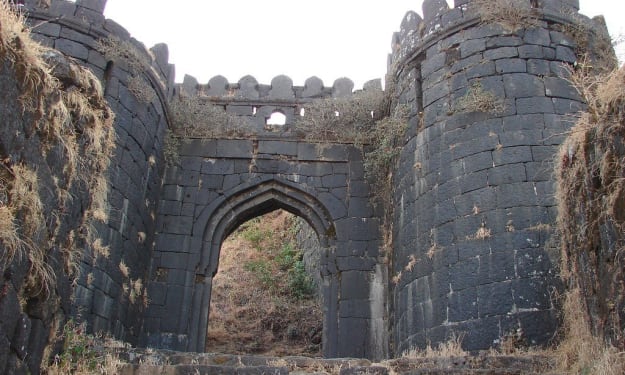
Nestled high in the Sahyadri mountain range in the western state of Maharashtra, Rajgad Fort stands as a silent sentinel to a glorious chapter in India’s history. With its strategic location and awe-inspiring architecture, this fort was once the capital of the Maratha Empire, serving as the nerve center of a vast kingdom during one of the most significant periods of Indian history. Today, Rajgad’s ruins tell the story of valor, resilience, and the strategic genius of the Marathas.
By Deji Akomolafe2 years ago in History
The Historic Gate of Chepstow Castle: A Link to the Past
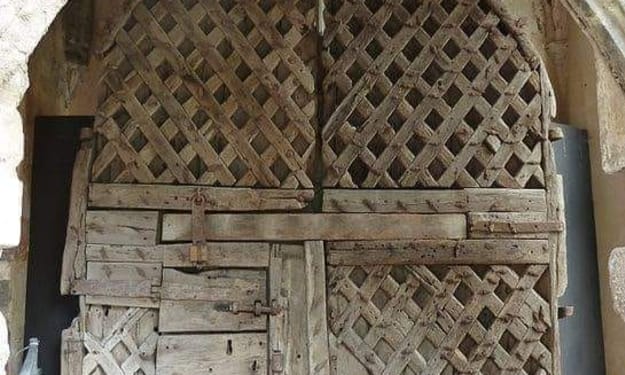
Chepstow Castle, nestled on a dramatic cliff above the River Wye in southeastern Wales, is a fascinating testament to medieval military architecture and a rich historical legacy. One of the most remarkable features of the castle is its 12th-century wooden gate, which remains one of the oldest and best-preserved wooden gates in Europe. The gate, whose construction dates back to between 1159 and 1189, offers a rare glimpse into medieval craftsmanship and the strategic importance of Chepstow Castle throughout history.
By Deji Akomolafe2 years ago in History