Medieval
Brooklyn’s Hidden Hero
The development of the Brooklyn Bridge started with a crack mishap. In late June 1869, John Augustus Roebling, the celebrated architect and builder of wire rope suspension bridges, was studying his unused extend location in Lower Manhattan when an drawing closer ship pulverized his foot against a few wooden pilings. Roebling passed on of lockjaw three weeks afterward, and the work of chief design went to his eldest child, Washington Roebling, who had been his father’s right-hand man for development of the extraordinary bridge crossing the Ohio Stream at Cincinnati, as well as on the plan of the modern bridge.
By Shams Says2 years ago in History
WiFi's Hollywood Genius
In the 1940s, few Hollywood on-screen characters were more celebrated and more broadly wonderful than Hedy Lamarr. However in spite of featuring in handfuls of movies and gracing the cover of each Hollywood celebrity magazine, few individuals knew Hedy was too a skilled innovator. In truth, one of the innovations she co-invented laid a key establishment for future communication frameworks, counting GPS, Bluetooth and WiFi.
By Shams Says2 years ago in History
York’s City Walls: England’s Most Complete Medieval Fortifications
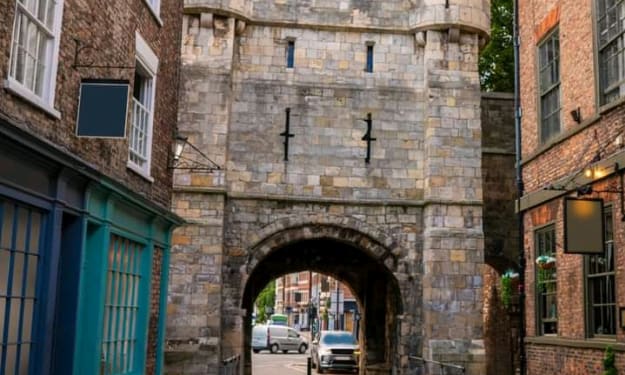
Encircling the historic city of York like a protective embrace, the York City Walls stand as a testament to centuries of history, conflict, and architectural brilliance. These ancient walls, the most complete example of medieval city walls in England, not only serve as a remarkable landmark but also offer an incredible journey through the layers of York’s past. Constructed initially by the Romans in 71 AD and later expanded and fortified during the medieval period, the York City Walls are the longest medieval town walls in England, stretching for over two miles. Today, they remain one of the city’s most iconic features, attracting visitors from around the world who come to walk their length and experience the rich tapestry of York’s history. --- The Roman Beginnings The story of York’s City Walls begins with the Roman Empire. In 71 AD, the Romans established the fortress of Eboracum, the precursor to modern York, as a strategic military base in northern England. The initial fortifications were wooden palisades built to defend the settlement, but these were soon replaced with stone walls for greater durability and protection. Roman engineers constructed the walls with precision, using materials such as limestone and gritstone. Remnants of these Roman foundations can still be seen today, offering a tangible connection to the city’s ancient origins. Eboracum became a significant center of Roman Britain, even serving as the seat of two Roman emperors: Septimius Severus and Constantius Chlorus. --- Medieval Expansion and Fortification While the Romans laid the groundwork, it was during the medieval period that the York City Walls evolved into the fortifications we recognize today. After the Norman Conquest in 1066, York became a key administrative and military center, prompting the Normans to repair and extend the walls. By the 12th century, the walls had taken on their characteristic medieval form, complete with stone battlements, towers, and gateways. The construction included four main bars (gatehouses): Micklegate Bar, Bootham Bar, Monk Bar, and Walmgate Bar. Each of these served as both a defensive structure and a checkpoint for trade and travel. Micklegate Bar, the most famous of the gates, became the ceremonial entrance for visiting monarchs. It also had a grimmer purpose as the site where the severed heads of traitors were displayed, a stark warning to anyone contemplating rebellion against the crown. --- A Walk Through History: Exploring the Walls Today Walking along York’s City Walls today is like stepping back in time. The walls stretch for approximately 2.75 miles, offering panoramic views of the city’s historic landmarks, including York Minster, Clifford’s Tower, and the River Ouse. The route begins at Bootham Bar, near York Minster, and takes visitors through centuries of history. As you traverse the elevated pathway, you’ll pass through Micklegate Bar, which still features its portcullis and medieval defensive features. Monk Bar, the tallest of the gatehouses, now houses the Richard III Experience, a museum dedicated to the life and legacy of the controversial king. Walmgate Bar is unique among the gates for its intact barbican, a defensive structure designed to trap and expose attackers. Its timber-framed gatehouse is a rare survival, showcasing the blend of functionality and beauty in medieval architecture. --- The Walls in War and Peace Over the centuries, the York City Walls have witnessed their share of conflict. During the English Civil War (1642–1651), York became a Royalist stronghold, and the walls played a crucial role in defending the city against Parliamentary forces. Siege tactics and artillery fire damaged parts of the walls, but their resilience ensured that York remained a key fortress throughout the war. In peacetime, the walls took on a more symbolic and practical role, defining the boundaries of the city and regulating trade. By the 18th century, some sections fell into disrepair as York expanded beyond its medieval boundaries. However, Victorian efforts to restore the walls ensured their survival as a cherished historical monument. --- Preservation and Modern Significance Today, the York City Walls are a beloved feature of the city, drawing millions of visitors each year. Managed by the City of York Council, the walls are maintained as a historic site and a public walkway, offering a unique blend of recreation and education. Interpretive signage along the route provides insights into the walls’ history, construction, and significance. Visitors can learn about the Roman origins, medieval fortifications, and the lives of the people who lived within—and defended—these walls. The preservation of the York City Walls is a testament to the city’s commitment to its heritage. They remain a symbol of York’s enduring importance as a cultural, historical, and architectural treasure. --- Why Visit the York City Walls? A walk along York’s City Walls is more than just a stroll; it’s an immersive journey through nearly 2,000 years of history. The walls offer breathtaking views of York’s skyline, a chance to explore medieval gatehouses, and an opportunity to connect with the stories of those who lived and worked within this historic city. For history enthusiasts, the walls provide a vivid illustration of York’s evolution from a Roman fortress to a medieval powerhouse and beyond. For families and casual travelers, they offer a scenic and accessible way to experience the charm and character of York. --- Conclusion The York City Walls are more than just ancient fortifications—they are a living monument to the resilience and ingenuity of the people who built and maintained them over centuries. As the most complete and longest medieval town walls in England, they stand as a powerful reminder of York’s rich and varied history. Whether you’re a first-time visitor or a seasoned traveler, a walk along these walls promises to be an unforgettable experience. With every step, you’ll uncover new stories, breathtaking views, and a deeper appreciation for the enduring legacy of this remarkable city.
By Deji Akomolafe2 years ago in History
Katharine Wright: The Silent Engine
More than a century after making the to begin with controlled, maintained flights of a heavier-than-air flying machine, Wilbur and Orville Wright stay family names and key figures in the account of early 20th-century American advancement and inventiveness. But the Wright Brothers didn’t basically float over the sandy shorelines encompassing Kitty Peddle, North Carolina and into the history books.
By Shams Says2 years ago in History
Shakespeare’s Secret Legacy
In spite of the fact that it can be troublesome to quality the start of a exact word to a particular individual, the Oxford English Lexicon credits William Shakespeare with the first-use citations of around 1,600 words—from “bedazzle” to “fashionable” to “watchdog”—more than by any other author. The ace of pleasantry too contributed handfuls of other expressions that stay a portion of our ordinary dialect. In a few cases, Shakespeare may have coined the terms; in others he may have been the to begin with to put them into the composed record.
By Shams Says2 years ago in History
Surviving the Killing Fields
Dith Pran was a Cambodian photojournalist known for uncovering the repulsions of life beneath Pol Pot’s Khmer Rouge. He survived four and a half a long time of constrained labor and beatings, vowing that if he ever gotten away, he would tell the world almost the violence.
By Shams Says2 years ago in History
Feathered Heroes
Flying experts in their warplanes were not the as it were discuss constrain that took flight amid World War I. As numerous as 500,000 homing pigeons went with officers, mariners and pilots into fight, conveying military insights and trouble messages that spared thousands of lives. A few winged creatures earned saint status for satisfying their missions—even after being gravely harmed. “Cher Ami,” for one, gotten the French military’s most elevated honor. “President Wilson” is revered at the Pentagon.
By Shams Says2 years ago in History
Louis Braille: The Man Who Gave Sight to the Blind
In 1819, 10-year-old Louis Braille got to be the most youthful understudy ever conceded to the Regal Founded for Dazzle Youth in Paris. Enthusiastic to learn how to perused and type in, Braille was smashed to learn that the school’s library contained fair three books.
By Shams Says2 years ago in History
The Condom Chronicles
In spite of all the propels in wellbeing and pharmaceutical, the essential concept of the condom has remained generally the same for thousands of a long time. Of course, the innovation, materials and understanding of human physiology have moved forward over time, but the thought of men wearing an outside sheath amid intercut in arrange to anticipate sexually transmitted contaminations and/or pregnancy hasn’t changed.
By Shams Says2 years ago in History
Shaking Up Science: The Birthplace of the Richter Scale
On the morning of October 21, 1868, a enormous shudder struck the San Francisco Narrows Zone, domestic to 260,000 individuals. About each staying and building in the town of Hayward—built specifically on beat of the Hayward Fault—was leveled by the tremor, which claimed 30 lives over the region.
By Shams Says2 years ago in History
The Porch House: A Step Back in Time at England's Oldest Inn
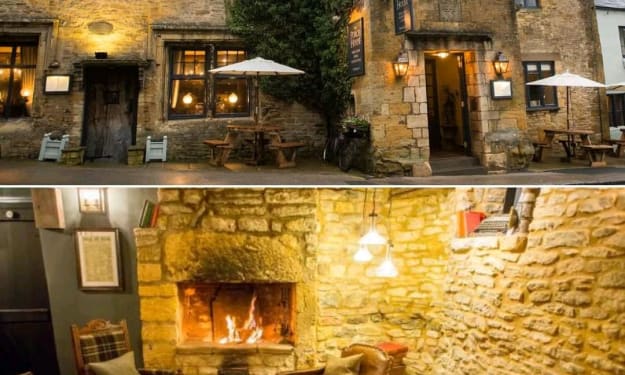
Nestled in the heart of the Cotswolds, the quaint village of Stow-on-the-Wold is home to a building that has stood the test of time for nearly a thousand years – The Porch House. Originally constructed in 975 AD, it claims to be England's oldest inn, though there are other contenders for the title. Regardless, the Porch House remains a symbol of England's rich history and timeless charm, offering a unique glimpse into the past. A Rich and Storied History The Porch House’s history stretches back over a millennium, making it a true architectural gem. The building began life as a small home and over the centuries evolved into a coaching inn, welcoming travelers along one of the country’s major routes. The inn's role as a welcoming stopover for weary travelers has remained consistent, and it is easy to imagine the many stories and lives it has witnessed over the centuries. The precise origins of its designation as England’s oldest inn are debated. Many other pubs around the country also claim to hold this title, each with its own historical significance and unique features. However, the Porch House stands out not only for its age but also for its preservation of original architectural features, many of which have survived in remarkably good condition. Timeless Architecture and Original Features Walking into the Porch House is like stepping into a living history book. The inn’s charm lies in its perfect blend of ancient and modern elements, where original features have been carefully preserved, and modern comforts have been subtly incorporated. The crooked walls and uneven floors give visitors a sense of the passage of time, while the warm, welcoming atmosphere ensures that today’s guests enjoy a comfortable stay. The twisting, crooked staircases, which have been worn smooth by centuries of use, provide a tangible connection to the past. Each step feels like it could tell a story of the people who have ascended them before, from medieval travelers to the modern-day patrons. The low ceilings in some parts of the building, another signature feature of the structure, are a constant reminder of the original design. This intimate and cozy feeling adds to the Porch House’s allure, drawing visitors into a space that feels at once both ancient and alive. The large open fires, which roar merrily in the hearths throughout the year, create a comforting atmosphere that evokes the sense of being in a country home rather than a commercial inn. These roaring fires were once the heart of the inn, where guests would gather to eat, drink, and share stories. Today, they continue to play a central role in making the Porch House feel like a home away from home. In addition to its architectural features, the inn is known for its collection of historic artifacts. The walls are adorned with old maps, portraits, and other relics that further add to its sense of heritage. These items, along with the original beams and wooden doors, create an environment where the past is very much alive. A Historic Landmark in Stow-on-the-Wold Stow-on-the-Wold itself is a charming town, and the Porch House is perfectly situated to serve as a base for exploring the surrounding Cotswolds. With its honey-colored stone buildings, narrow lanes, and scenic countryside, Stow-on-the-Wold is a picture-perfect example of rural England. Visitors can wander through the town’s cobbled streets, visiting independent shops and cozy cafes, or explore the nearby villages, each with its own slice of English heritage. While Stow-on-the-Wold is famous for its antique shops and the bustling market square, the Porch House offers a quiet escape from the hustle and bustle of modern life. Its central location makes it an ideal starting point for visitors to discover the beauty of the Cotswolds, with its rolling hills, picturesque villages, and historic sites, including the nearby town of Bourton-on-the-Water. Modern Comforts in an Historic Setting Despite its ancient roots, the Porch House has adapted to meet the expectations of contemporary guests. The rooms are comfortably furnished with modern amenities, offering an excellent mix of the old and the new. The combination of historical charm and modern comfort ensures that visitors can experience the inn's rich history while enjoying a peaceful and relaxing stay. The food served at the Porch House reflects the best of British cuisine, with hearty meals prepared using locally sourced ingredients. The pub’s traditional English menu includes everything from delicious Sunday roasts to lighter fare such as homemade pies, fresh fish, and seasonal vegetables. The inn’s inviting atmosphere, coupled with its exceptional food, ensures that a visit to the Porch House is a memorable experience from start to finish. Conclusion: A Living Piece of History The Porch House in Stow-on-the-Wold is not just a place to stay; it’s a journey into England’s past. The combination of its ancient architecture, original features, and welcoming atmosphere makes it a must-visit for history buffs, architecture enthusiasts, and anyone looking to experience the charm of the Cotswolds. Whether you're enjoying a pint by the fire, exploring the historic building, or simply soaking in the atmosphere of one of England’s oldest inns, a visit to the Porch House is an experience like no other.
By Deji Akomolafe2 years ago in History