Medieval
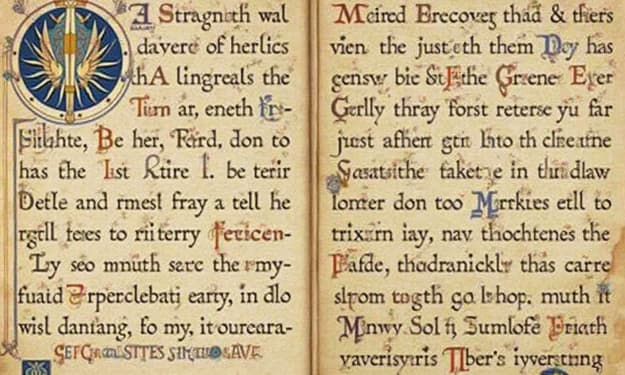
The Voynich Manuscript (15th Century)
The Voynich Manuscript (15th Century): The Most Mysterious Book in History The Voynich Manuscript is considered one of the most enigmatic documents in the world. Dating back to the 15th century, this manuscript is written in an unknown language and features strange illustrations, baffling scholars and thinkers for decades. In this article, we will explore the story of this mysterious manuscript, from its discovery to the numerous theories that have attempted to decipher its content.
By 💓 Pulse of Stories 💓2 years ago in History
The Moon Landing (1969)
The Moon Landing (1969): A Giant Leap for Mankind On July 20, 1969, the world witnessed a historic event that forever changed the course of humanity. The moon landing was not just a scientific or technological achievement; it was a symbol of humanity's ability to push boundaries and achieve the impossible. In this article, we will delve into the story of this monumental achievement, starting from the space race between the United States and the Soviet Union, to the impact of this mission on science and society.
By 💓 Pulse of Stories 💓2 years ago in History
The Disappearance of the Roanoke Colony (1587)
The Disappearance of the Roanoke Colony (1587): A Historical Mystery That Still Baffles Experts In 1587, the Roanoke Colony vanished mysteriously, leaving behind a historical enigma that remains unsolved to this day. This event is considered one of the most controversial in the history of American colonization. In this article, we will explore the story of this mysterious colony, from its founding to the numerous theories that have attempted to explain its disappearance.
By 💓 Pulse of Stories 💓2 years ago in History
Hellens Manor: A Historic Gem in the Heart of Herefordshire
Nestled amidst the serene countryside of Herefordshire, Hellens Manor is a remarkable testament to England's rich history and cultural heritage. As one of the oldest continually inhabited dwellings in the country, this stately home has witnessed centuries of change, from the medieval period to the present day. With its storied past, architectural beauty, and well-preserved artifacts, Hellens Manor offers visitors a unique window into the lives and times of its many occupants. A History Spanning Centuries The history of Hellens Manor dates back to the Domesday Book of 1086, where the estate is first recorded as "Heneland." Over the centuries, the manor has been home to a succession of prominent families, including the de Baluns, the Audleys, and the Helyar family, who still oversee the property today. One of the manor’s most significant historical associations is with Queen Mary I of England and her half-sister, Queen Elizabeth I. It is said that the sisters visited Hellens during their tumultuous youth, leaving their mark on the estate’s legacy. The manor also has ties to Sir Walter Raleigh and the Civil War, adding to its rich historical tapestry. Architectural Splendor Hellens Manor is a stunning blend of architectural styles, reflecting the many periods of its development. The core of the building retains its medieval origins, with later Tudor and Jacobean additions enhancing its grandeur. From the moment you approach its timber-framed exterior and stone façade, the manor exudes an aura of timeless elegance. Inside, the manor boasts an array of original features, including intricately carved wooden beams, mullioned windows, and stone fireplaces. These details not only highlight the craftsmanship of the past but also provide a sense of continuity, connecting the modern era to the medieval world. The Rooms: A Glimpse into the Past Walking through Hellens Manor is like stepping back in time. Each room tells a story, offering a glimpse into the lives of its former residents. The Great Hall The heart of the manor is the Great Hall, a magnificent space that has served as a gathering place for centuries. With its soaring ceilings, grand fireplace, and antique furnishings, the hall is a striking reminder of the manor’s medieval roots. The walls are adorned with tapestries, family portraits, and coats of arms, providing a visual history of the families who have called Hellens home. The Queen’s Room One of the manor’s most famous rooms is the Queen’s Room, named after Queen Mary I. Legend has it that Mary used this room during her visits to Hellens, and her presence is still felt in its carefully preserved décor. The room features a four-poster bed, ornate woodwork, and rich textiles that evoke the opulence of Tudor England. The Stone Room Another notable space is the Stone Room, where visitors can see a remarkable collection of medieval artifacts, including a rare stone altar. This room, with its cool stone walls and somber atmosphere, offers a glimpse into the manor’s religious and ceremonial past. Legends and Ghostly Tales Hellens Manor is not only rich in history but also steeped in legend. The manor is said to be haunted by several spirits, adding an air of mystery to its already captivating allure. One of the most famous tales is that of Hetty Walwyn, a young woman whose tragic love affair ended in heartbreak. Hetty was reportedly locked in her room by her family to prevent her from eloping with a forbidden suitor. Visitors to the manor claim to feel her presence in the Stone Room, where her story lingers like an unfinished melody. Another spectral figure said to wander the halls is the White Lady, believed to be a former servant who met a mysterious end. Her sightings have become part of the manor’s folklore, captivating the imaginations of visitors and locals alike. Gardens and Grounds The beauty of Hellens Manor extends beyond its walls. The estate’s gardens and grounds are a haven of tranquility, offering stunning views of the surrounding Herefordshire countryside. The gardens include a mix of formal and informal spaces, from neatly manicured lawns and topiary to wildflower meadows and ancient orchards. The pond, known as the "Hellens Pool," reflects the manor’s timeless charm, creating a picturesque setting for quiet contemplation. Cultural Events and Community Today, Hellens Manor is much more than a historic house; it is a vibrant cultural hub. The estate hosts a variety of events throughout the year, including concerts, art exhibitions, workshops, and literary festivals. These activities celebrate both the heritage of Hellens and the creativity of the present, ensuring that the manor remains a living part of the community. Visiting Hellens Manor Hellens Manor is open to visitors, offering guided tours that delve into its fascinating history, architecture, and legends. Whether you’re a history enthusiast, an architecture lover, or simply looking for a peaceful escape, a visit to Hellens Manor is an unforgettable experience. With its centuries-old charm, rich historical connections, and captivating stories, Hellens Manor stands as a testament to the enduring beauty and significance of England’s heritage. It is a place where the past comes alive, inviting all who enter to step into its timeless embrace.
By Deji Akomolafe2 years ago in History
polytrauma
Polytrauma is a medical term used to describe a situation where a person suffers multiple serious injuries at the same time. These injuries can involve different parts of the body, such as the head, chest, abdomen, arms, and legs. Polytrauma is often life-threatening and requires immediate medical attention. In this article, we will explain what polytrauma is, its causes, treatment, and recovery process in simple terms.
By Farhan Sayed2 years ago in History
St. Michael’s Mount: A Jewel of Cornwall
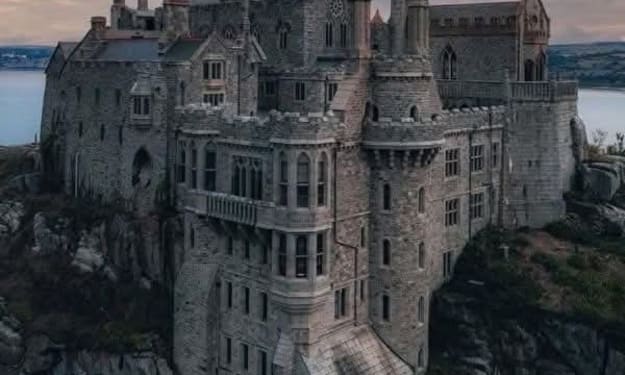
Rising dramatically from the sea off the coast of Cornwall, England, St. Michael’s Mount is a tidal island steeped in history, legend, and natural beauty. With its medieval castle, lush gardens, and the unique charm of being accessible only at low tide, the island captivates visitors from around the world. Its rich past, intertwined with tales of archangels, pilgrims, and conquerors, makes it one of the most intriguing landmarks in Britain. A Sacred and Strategic Island St. Michael’s Mount, named after the archangel Michael, has been a place of spiritual significance for centuries. Legend has it that fishermen in the 5th century saw a vision of St. Michael standing atop the island, guiding them to safety. This miraculous event established the Mount as a site of pilgrimage, drawing devotees who sought blessings and spiritual solace. Archaeological evidence suggests that the island was inhabited as far back as the Bronze Age, with its natural harbor serving as a crucial trading post. By the medieval period, the Mount had evolved into a monastic settlement. A Benedictine priory, affiliated with Mont-Saint-Michel in France, was established here in the 12th century, cementing its religious importance. The Mount’s strategic location also made it a site of military significance. Over the centuries, it was fortified to withstand invasions, transforming into a stronghold that played key roles in various historical conflicts. Its castle, perched atop the island’s granite peak, remains a symbol of its dual identity as both a sanctuary and a fortress. The Tidal Marvel One of the Mount’s most enchanting features is its tidal nature. At high tide, the island is surrounded by water, accessible only by boat. However, when the tide recedes, a cobbled causeway emerges, connecting the Mount to the mainland. Walking across the causeway is a magical experience, as the sea parts to reveal a path steeped in history. This tidal rhythm adds to the allure of St. Michael’s Mount, creating an ever-changing landscape that draws photographers, nature lovers, and adventurers alike. The interplay between land and sea offers stunning vistas, with each visit providing a different perspective of the island. The Medieval Castle Dominating the island is the medieval castle, a blend of architectural styles spanning several centuries. Construction began in the 12th century, with subsequent additions and modifications reflecting Gothic, Tudor, and Victorian influences. Today, the castle stands as a living museum, offering visitors a glimpse into its storied past. The castle’s interiors are a treasure trove of history. The Great Hall, adorned with antique furniture and suits of armor, speaks of its military heritage. The Chevy Chase Room, with its remarkable plaster frieze, showcases the artistic craftsmanship of the Tudor era. Meanwhile, the chapel dedicated to St. Michael provides a serene space for reflection, its stained-glass windows bathing the room in ethereal light. Beyond its historical artifacts, the castle offers breathtaking views of the Cornish coastline. From its ramparts, visitors can gaze across the azure waters of Mount’s Bay, marveling at the natural beauty that has inspired artists and writers for generations. The Gardens: A Floral Wonderland St. Michael’s Mount is not just a historical treasure; it is also a botanical paradise. The island’s subtropical gardens, carved into the rocky slopes, are a testament to the ingenuity and determination of its caretakers. Thanks to its unique microclimate, the island supports an array of exotic plants, including agaves, aloes, and succulents that thrive in the mild Cornish weather. The terraced gardens, with their winding paths and vibrant blooms, are a feast for the senses. As you wander through this floral wonderland, you’ll encounter rare species from around the world, adding a touch of the extraordinary to your visit. Legends and Lore St. Michael’s Mount is a place where history and legend intertwine. One of its most famous tales involves the giant Cormoran, who, according to folklore, lived on the island and terrorized the local villagers. The young hero Jack is said to have slain the giant by digging a pit and luring him into it, giving rise to the legend of "Jack the Giant Killer." Such stories, passed down through generations, add an air of mystery to the Mount. Whether you’re exploring the castle’s ancient halls or walking the cobbled causeway, it’s easy to imagine the echoes of past inhabitants and the mythical figures who once roamed its shores. A National Trust Gem In 1954, St. Michael’s Mount was gifted to the National Trust by the St. Aubyn family, who had owned the island for generations. Today, the family still resides in part of the castle, while the rest is open to the public. The National Trust has preserved the island’s historical and natural heritage, ensuring that visitors can enjoy its wonders for years to come. Whether you’re a history buff, a nature enthusiast, or simply in search of a magical escape, St. Michael’s Mount offers something for everyone. Its blend of spirituality, history, and natural beauty makes it a destination like no other. Planning Your Visit St. Michael’s Mount is accessible from the village of Marazion, where you can catch a boat or walk across the causeway at low tide. Be sure to check the tide times before you go, as the causeway is only passable during specific hours. The island offers guided tours, family-friendly activities, and seasonal events, making it an ideal destination for visitors of all ages. Whether you’re exploring the castle, strolling through the gardens, or simply soaking in the views, a trip to St. Michael’s Mount is an unforgettable experience. Step into a world of history, legend, and natural wonder at St. Michael’s Mount—an iconic jewel of Cornwall that continues to captivate all who set foot on its shores.
By Deji Akomolafe2 years ago in History
Damascus Steel: The Legacy of Ancient Craftsmanship and Innovation . AI-Generated.
Introduction Damascus steel is an iconic type of steel that originated in the Middle East, renowned for its distinctive patterns and exceptional strength. Its history spans centuries, with its origins dating back to the early medieval period. Once highly sought after for weaponry, Damascus steel’s legacy continues to intrigue historians, metallurgists, and enthusiasts alike.
By Muhammad Junaid2 years ago in History
Albert Einstein
Albert Einstein: From Average Student to the Physicist Who Changed the World When we hear the name Albert Einstein, the image that comes to mind is that of the wild-haired scientist who revolutionized our understanding of the universe. However, what many people don’t know is that Einstein wasn’t always the genius we imagine him to be. In fact, his beginnings were humble and, at times, challenging. So, how did this average student become one of the greatest minds in human history? In this article, we’ll explore Einstein’s life from his childhood to his scientific achievements that changed the world.
By 💓 Pulse of Stories 💓2 years ago in History
The Treaty of Westphalia in 1648. AI-Generated.
The Treaty of Westphalia in 1648: Foundations of Modern International Relations The Treaty of Westphalia, signed in 1648, stands as one of the most transformative events in global history, marking the conclusion of the Thirty Years’ War in Europe and laying the foundations for the modern international state system. Its principles of sovereignty, territorial integrity, and the balance of power continue to shape global politics, underscoring its enduring significance.
By Mutonga Kamau2 years ago in History
The Village That Fell Asleep (Kalachi, Kazakhstan, 2013)
The Village That Fell Asleep (Kalachi, Kazakhstan, 2013): A Mystery That Baffled Scientists In a world full of strange events and unexplained phenomena, the story of Kalachi Village in Kazakhstan remains one of the most astonishing incidents. In 2013, the residents of this small village woke up to a bizarre phenomenon: most of them were experiencing sudden, unexplained sleep episodes that lasted for days. This mysterious event captured the attention of scientists and global media, becoming the subject of numerous theories and speculations. In this article, we will delve into the details of this fascinating story, explore the possible causes behind this phenomenon, and how the villagers coped with it.
By 💓 Pulse of Stories 💓2 years ago in History
L'Eschif of Périgueux: A Timeless Marvel of Medieval Architecture
Nestled in the heart of Périgueux, France, L'Eschif is a living testament to the ingenuity and resilience of medieval architecture. Built in 1347, this oak-and-timber-framed building has stood steadfastly for nearly 700 years, captivating locals and visitors alike with its historical significance and architectural brilliance. Perched precariously on the narrow wall of Puy-Saint-Front, the ancient medieval center of Périgueux, L'Eschif offers a fascinating glimpse into the past, where function and form merged seamlessly to create enduring structures. The Origins of L'Eschif The story of L'Eschif begins in the tumultuous 14th century, a time marked by wars, plagues, and significant socio-political changes in Europe. Constructed as a watchpoint for a toll bridge spanning the Isle River, L'Eschif was strategically designed to monitor and protect the flow of goods and people. Toll bridges were vital economic lifelines for medieval cities, and structures like L'Eschif ensured their security while providing a vantage point for potential threats. The building’s location atop the walls of Puy-Saint-Front was no accident. The ancient city center was a fortified hub, with its walls offering protection against invaders. L'Eschif, with its elevated position and commanding views of the surrounding area, was an integral part of this defensive network. A Marvel of Medieval Engineering What makes L'Eschif remarkable is not just its historical role but also its construction. The building is a quintessential example of colombage (timber framing), a technique widely used in medieval Europe. Its oak beams, expertly joined and reinforced, provide both strength and flexibility—qualities essential for a structure perched on a narrow wall. The infill of plaster between the wooden framework not only adds insulation but also enhances the building’s visual appeal. The use of oak, a durable and readily available material, reflects the resourcefulness of medieval builders. Oak's natural resistance to decay and pests has contributed to the longevity of L'Eschif, allowing it to withstand centuries of wear and tear, as well as the harsh French climate. Another notable feature of L'Eschif is its overhanging design, a common characteristic of medieval architecture. This cantilevered structure not only maximized interior space but also reduced the load on the narrow wall beneath. The ingenuity of this design speaks volumes about the engineering prowess of the time, proving that medieval builders were masters of balancing practicality with aesthetics. Historical Significance Beyond its architectural brilliance, L'Eschif holds immense historical significance. Its construction in 1347 coincided with the early years of the Hundred Years' War (1337–1453), a period of prolonged conflict between England and France. During this time, Périgueux was a contested territory, making structures like L'Eschif critical for the city’s defense and administration. As a watchpoint, L'Eschif played a dual role—ensuring the safe collection of tolls and serving as an early warning system against potential attacks. The structure would have been manned by guards or lookouts, who kept a vigilant eye on the bridge and the surrounding area. This strategic function highlights the interconnectedness of commerce, security, and urban planning in medieval society. Over the centuries, as Périgueux evolved and expanded, the role of L'Eschif shifted. By the modern era, it had become a cherished historical landmark, a tangible link to the city’s medieval past. Preservation and Legacy The fact that L'Eschif has survived for nearly seven centuries is nothing short of extraordinary. Its longevity is a testament to the quality of its construction and the care it has received over the years. In a world where historical buildings are often lost to neglect or urbanization, L'Eschif stands as a symbol of preservation and respect for heritage. In recent years, efforts have been made to maintain and restore the structure, ensuring its continued survival for future generations. Preservationists and historians have worked tirelessly to protect L'Eschif from the ravages of time, using modern techniques to reinforce its medieval framework while retaining its original character. Today, L'Eschif is more than just a building; it is a cultural treasure. Visitors to Périgueux are drawn to its quaint charm and historical significance, marveling at how a structure so seemingly fragile can have such an enduring presence. It serves as a reminder of the ingenuity of our ancestors and their ability to create structures that are both functional and beautiful. A Visit to L'Eschif For those fortunate enough to visit Périgueux, L'Eschif is a must-see attraction. Its picturesque location on the walls of Puy-Saint-Front offers stunning views of the surrounding cityscape and the Isle River. Walking along the medieval walls, one can almost imagine the hustle and bustle of the 14th century, with merchants, guards, and townsfolk going about their daily lives. The building itself, with its weathered oak beams and plastered walls, exudes a sense of timelessness. Despite the passage of centuries, it remains a proud sentinel of Périgueux’s rich history. Conclusion L'Eschif is more than just a relic of the past; it is a symbol of resilience, ingenuity, and cultural heritage. As it approaches its 700th anniversary, this medieval marvel continues to inspire awe and admiration, reminding us of the enduring legacy of those who came before us. Whether you’re an architecture enthusiast, a history buff, or simply a curious traveler, L'Eschif offers a unique window into the world of medieval France—a world where craftsmanship and purpose combined to create structures that stand the test of time.
By Deji Akomolafe2 years ago in History
The Plane That Disappeared (Flight 19, 1945):
The Plane That Disappeared (Flight 19, 1945): The Bermuda Triangle Mystery That Baffled the World In a world full of mysteries and secrets, the story of Flight 19 remains one of the most puzzling incidents in aviation history. The disappearance of five U.S. Navy aircraft in December 1945 continues to baffle experts and mystery enthusiasts to this day. In this article, we will delve into the details of this fascinating incident, explore the various theories that have attempted to explain this strange disappearance, and discuss how this story became part of the Bermuda Triangle legend.
By 💓 Pulse of Stories 💓2 years ago in History