Medieval
Little Moreton Hall: A Time Capsule of Tudor England
Nestled in the picturesque countryside of Cheshire, England, Little Moreton Hall stands as a remarkable testament to the architectural ingenuity and cultural heritage of the Tudor era. This moated, half-timbered manor house is a strikingly preserved piece of history, with its origins tracing back to around 1450 when it was first built for Sir Richard de Moreton, a local landowner. Over the centuries, the hall has become a symbol of Tudor craftsmanship and a captivating window into the lives of the people who once called it home. --- An Architectural Marvel of the Tudor Period Little Moreton Hall is a masterpiece of half-timbered construction, characterized by its distinctive black-and-white timber framing. The hall's crooked and uneven structure, caused by centuries of natural subsidence, gives it a unique charm and earned it the affectionate nickname, "the house that fought gravity and won." The earliest parts of the house, including the great hall, were built in the mid-15th century, with subsequent additions in the 16th century. Each phase of construction reflects the changing architectural styles and growing ambitions of the Moreton family. The hall’s intricate timber framework is adorned with geometric patterns, herringbone designs, and carved details, showcasing the skill of the craftsmen who created it. The moat that encircles the house adds to its allure, serving as both a defensive feature and a symbol of prestige. Today, the shimmering waters mirror the hall’s striking façade, creating a picture-perfect scene that feels frozen in time. --- The Moreton Family Legacy Little Moreton Hall was built for Sir Richard de Moreton, a wealthy landowner, and remained in the hands of the Moreton family for nearly 450 years. The family's prosperity during the Tudor period is evident in the opulence of the house, from its elaborately decorated interiors to its sheer size. However, the family’s fortunes waned in the 17th century, as the agricultural economy declined and political upheavals, such as the English Civil War, disrupted the lives of many landed families. By the early 20th century, the Moreton family could no longer afford the upkeep of the hall, and it was eventually transferred to the National Trust in 1938, ensuring its preservation for future generations. --- Exploring the Interior Step inside Little Moreton Hall, and you are immediately transported to the Tudor period. The interiors are a fascinating blend of original features and carefully curated artifacts that recreate the atmosphere of a bustling manor house. The Great Hall The heart of the house, the great hall, is where the Moreton family would have hosted feasts, conducted business, and entertained guests. The space is dominated by a massive timber-framed roof and a large hearth, essential for heating during chilly English winters. The Long Gallery One of the most remarkable features of Little Moreton Hall is its long gallery, a stunning addition built around 1570. Spanning the entire width of the upper floor, the gallery is lined with windows that flood the space with natural light. Its uneven floorboards and sloping walls, a result of the hall's structural instability, only add to its charm. The gallery was likely used for entertaining, exercise during inclement weather, and displaying the family’s wealth through portraits and other treasures. Decorative Details Throughout the house, visitors can admire the intricate details that make Little Moreton Hall so special. From hand-carved wooden panels to vibrant stained-glass windows, every corner of the hall reflects the craftsmanship of its time. --- The Moat and Gardens The moat surrounding Little Moreton Hall is not just a defensive feature; it enhances the beauty of the manor, creating a serene and reflective setting. Beyond the moat, the gardens are a delightful retreat, featuring traditional Tudor plantings and an orchard. The herb garden, filled with aromatic plants and medicinal herbs, offers insight into the practical and decorative aspects of gardening during the Tudor period. The surrounding landscape, with its lush greenery and tranquil atmosphere, provides a stark contrast to the hall's intricate architecture, making it a haven for photographers, historians, and nature enthusiasts alike. --- Preservation and Public Engagement Today, Little Moreton Hall is managed by the National Trust and is open to the public, offering visitors a chance to step back in time and experience life in Tudor England. Guided tours and interactive exhibits provide fascinating insights into the history of the hall, the Moreton family, and the broader social and economic context of the period. Seasonal events, such as Tudor-themed festivals, workshops, and theatrical performances, bring the hall to life, making it a vibrant hub of cultural activity. These events offer visitors of all ages an opportunity to immerse themselves in history and learn about the customs, food, and traditions of the era. --- Why Little Moreton Hall Matters Little Moreton Hall is more than just a historical building; it is a symbol of resilience and heritage. Its unique architecture and rich history offer invaluable insights into the lives of the people who built and lived in it. For historians, it provides a tangible link to the Tudor period, illustrating the architectural and social innovations of the time. For visitors, it is a chance to escape the modern world and experience the charm and elegance of a bygone era. --- Conclusion Little Moreton Hall stands as a proud survivor of centuries of change, offering a glimpse into the artistry and ambition of Tudor England. Its crooked timbers and serene moat whisper stories of prosperity, decline, and preservation, making it a must-visit destination for anyone fascinated by history and architecture. Whether you are exploring its labyrinthine interiors, strolling through its gardens, or simply admiring its reflection in the moat, Little Moreton Hall is a place where the past comes vividly alive. For those seeking a deeper connection to England’s rich heritage, this iconic manor house is an unforgettable journey into history.
By Deji Akomolafe2 years ago in History
The Warrior's Comb: An Early Medieval Artifact of Elegance and Utility
In the rolling hills of Fridingen, Germany, an extraordinary artifact was unearthed from a warrior’s grave: an elaborately decorated early medieval double-sided bone comb. This intricate object, dating back to the early 7th century CE, serves as a tangible connection to a bygone era where utility and artistry intertwined seamlessly. Now housed at the Landesmuseum Württemberg, the comb is not merely a relic of personal grooming; it is a testament to the craftsmanship, culture, and societal values of early medieval Europe. A Glimpse into Early Medieval Society The early medieval period, often referred to as the Dark Ages, is frequently portrayed as a time of chaos and cultural stagnation. Yet, artifacts like this bone comb challenge that narrative, revealing a society rich in artistry and attention to detail. The comb, delicately carved and housed in its protective case, suggests that personal grooming was a valued practice, even among warriors. It also underscores the importance of status symbols in early medieval communities. The choice of material—bone—was likely due to its availability and durability. However, the level of craftsmanship evident in the comb’s design indicates it was not merely a utilitarian object but a mark of sophistication and perhaps even prestige. For a warrior, such an item might have signified wealth or social standing, as well as a commitment to personal appearance, which held significance in a world where physical presentation could reflect one’s honor and reputation. The Dual Purpose of the Double-Sided Comb This particular comb is double-sided, a design that highlights its practicality. One side, with its coarser tines, would have been used to detangle hair, while the finer tines on the opposite side likely served for styling or removing lice—a common problem in medieval Europe. The dual functionality suggests a practical approach to grooming, even in a warrior’s life, where hygiene was crucial for maintaining health in often harsh conditions. The inclusion of a protective case further emphasizes the comb's value. Bone, while durable, is also brittle, and the delicate tines could easily break without proper care. The case not only safeguarded the comb but also added an element of portability, allowing the owner to carry it securely during campaigns or travels. Decoration as a Cultural Expression The comb’s intricate decoration is perhaps its most striking feature. Patterns carved into the bone likely held symbolic meanings or reflected popular motifs of the time. Geometric designs, animal imagery, or interlacing patterns were common in early medieval art, often serving as representations of cultural identity or spiritual beliefs. In the context of a warrior’s grave, such embellishments may have carried deeper significance. The grave goods accompanying the warrior often provided insights into their life and values. The ornate comb might have symbolized not only the warrior's personal refinement but also the craftsmanship and artistry of the society to which they belonged. The Role of Grave Goods Grave goods like this comb were a common feature in early medieval burials, reflecting the belief that items of importance in life would also be useful in the afterlife. Warriors, in particular, were often buried with weapons, tools, and personal belongings that marked their status and identity. The inclusion of a comb in this warrior’s grave suggests that grooming was not a trivial aspect of their life but an essential part of their identity. Moreover, the presence of such a finely made object in a grave underscores its symbolic value. It was likely considered an indispensable item, one that bridged the mundane act of grooming with the deeper notions of personal dignity and honor. Craftsmanship and Trade in Early Medieval Europe The level of craftsmanship evident in the comb indicates the skills of artisans during this period. These artisans, often working in small workshops, were adept at transforming natural materials like bone, horn, or wood into intricate and functional objects. The comb also hints at the interconnectedness of early medieval Europe. Similar artifacts have been found across various regions, suggesting that ideas, styles, and techniques were shared through trade and cultural exchange. The warrior who owned this comb might have acquired it locally or as part of a broader trade network, reflecting the movement of goods and ideas during this time. Modern-Day Preservation Now housed at the Landesmuseum Württemberg, this bone comb continues to captivate historians, archaeologists, and visitors alike. Its preservation allows modern audiences to appreciate the craftsmanship and cultural significance of such an artifact. Exhibits like this serve as reminders of the complexities of early medieval life, dispelling the notion of a "dark" age devoid of sophistication or artistry. Conclusion The elaborately decorated double-sided bone comb from Fridingen is more than just a grooming tool; it is a window into the values, aesthetics, and daily practices of early medieval Europe. Encased in its protective cover, it reflects the warrior’s dual life of battle and personal dignity. Today, it stands as a testament to the rich tapestry of human history, where even the simplest of objects tells stories of identity, culture, and craftsmanship. Through such artifacts, we gain not only a glimpse of the past but also an appreciation for the ingenuity and creativity that have always been hallmarks of human civilization. The comb may have been buried centuries ago, but its legacy endures, inspiring us to look beyond utility and find beauty in the everyday.
By Deji Akomolafe2 years ago in History
Minimum Age Requirement for Dental Implants: In-Depth Explanation
Smile Avenue Dental clinic In present times, many people opt for Dental implants owing to the several benefits they provide. The focus of this article is on the age prerequisites when it comes to implant placement. Numerous factors like oral health status, selected type of implant, general state of wellbeing, tobacco usage and regularity in maintaining good oral hygiene habits play a substantial role in determining an affirmative outcome post-implantation procedure. Therefore, evaluating these aspects becomes crucial towards achieving optimum results after obtaining dental implants.
By Smile Dental Avenue2 years ago in History
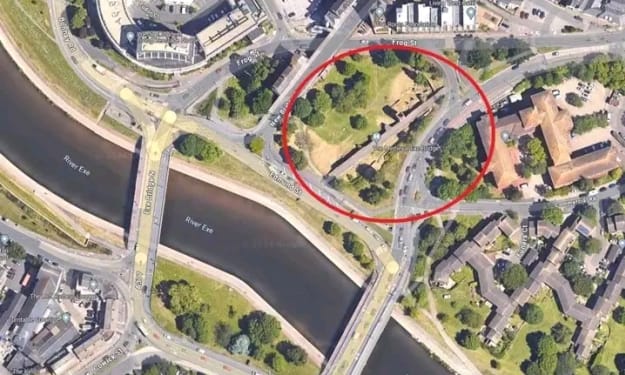
Exeter’s Stranded Medieval Bridge: The Mystery of the River Exe’s Movement
In the heart of Exeter, Devon, an unusual historical relic stands as a testament to the ever-changing forces of nature: a medieval bridge that now stands "high and dry," far from the River Exe it once crossed. This peculiar phenomenon has puzzled many visitors and historians, leading to questions about how and why the river shifted, leaving the bridge seemingly stranded in its current location. A Bridge to the Past The medieval bridge in Exeter, built in the 13th century, was a remarkable feat of engineering for its time. Spanning the River Exe, it facilitated the flow of people and goods, playing a vital role in the city’s growth and prosperity. The bridge connected Exeter to the surrounding countryside, serving as a key link in trade routes that brought wealth and resources to the region. Constructed using local stone, the bridge was designed to withstand the powerful currents of the River Exe. It featured multiple arches and was equipped with small chapels and shops along its span—common features of medieval bridges that doubled as hubs of commerce and worship. For centuries, it remained a critical artery of Exeter’s infrastructure. The Mysterious Movement of the River By the 18th century, however, the River Exe had shifted its course, leaving the bridge stranded far from the water it once crossed. This dramatic change raised questions about the factors that caused the river to move and abandon its original path. Several natural and human-induced processes may have contributed to this phenomenon. 1. Sedimentation and Natural River Processes One of the most likely explanations is the natural process of sedimentation and river migration. Over time, rivers deposit sediment along their banks and beds, gradually altering their course. The River Exe, like many rivers, may have meandered and shifted due to the accumulation of silt and debris. Changes in water flow, caused by seasonal variations or natural events such as floods, could have accelerated this process, prompting the river to carve out a new path. 2. Flooding and Erosion Devastating floods may also have played a role in the river’s movement. During heavy rainfall, rivers often overflow their banks, eroding surrounding land and creating new channels. Historical records suggest that Exeter experienced significant flooding events during the medieval and early modern periods, which could have contributed to the Exe abandoning its original course. 3. Human Intervention Human activity is another possible factor in the river’s realignment. As Exeter expanded, efforts to manage the flow of the River Exe became increasingly common. These included the construction of weirs, canals, and embankments, which could have inadvertently altered the river’s path. Additionally, land reclamation projects for agriculture and urban development may have forced the river to divert. A Bridge to Nowhere? With the river no longer beneath it, the medieval bridge fell into disuse, its role as a vital crossing point rendered obsolete. Over time, it became a relic of a bygone era, surrounded by fields and roads instead of water. However, the bridge’s survival is a testament to the craftsmanship of its builders, who created a structure strong enough to withstand centuries of change. Today, the bridge is a fascinating historical landmark, drawing visitors intrigued by its peculiar position and the story it tells about Exeter’s past. Archaeologists and historians continue to study the site, uncovering clues about the medieval period and the dynamic relationship between human settlements and natural landscapes. The Legacy of the Medieval Bridge While the medieval bridge may no longer serve its original purpose, it remains an enduring symbol of Exeter’s history and resilience. Its survival offers valuable insights into the engineering techniques of the Middle Ages, as well as the challenges faced by communities living along dynamic river systems. The bridge also serves as a reminder of the impact of environmental and human factors on the natural world. The shifting course of the River Exe highlights the delicate balance between human development and the forces of nature—a balance that continues to shape the landscapes we inhabit today. Visiting the Bridge For those exploring Exeter, the medieval bridge is a must-see attraction. Its weathered stone arches and picturesque surroundings make it a unique spot for history enthusiasts and photographers alike. The bridge is part of Exeter’s rich tapestry of heritage, which includes its Roman walls, medieval cathedral, and Tudor buildings. Guided tours and interpretive signage provide context for the bridge’s history and the reasons behind its unusual position. Visitors can also learn about the broader history of the River Exe and its role in shaping the city’s development over the centuries. Conclusion The story of Exeter’s stranded medieval bridge is one of resilience and adaptation, both human and natural. Built to span the River Exe, it now stands as a silent witness to centuries of change—its arches a bridge to the past. The mystery of the river’s movement reminds us that even the most permanent-seeming features of our environment are subject to transformation, shaped by the forces of time, nature, and human ingenuity. Whether viewed as a historical curiosity or a symbol of Exeter’s enduring legacy, the medieval bridge is a captivating piece of history that continues to inspire wonder and reflection.
By Deji Akomolafe2 years ago in History
Crail: A Timeless Village in the East Neuk of Fife
Nestled along the rugged coastline of the East Neuk of Fife, Scotland, lies the enchanting village of Crail, a place steeped in history and charm. With origins tracing back to the Pictish period, this picturesque settlement has evolved over centuries into a haven for history enthusiasts, artists, and travelers seeking a glimpse of Scotland’s rich heritage. From its name derived from the Pictish word caer, meaning "stronghold," to its cobbled streets and 17th-century architecture, Crail is a captivating blend of the past and present. A Glimpse into Crail’s History Crail’s roots stretch deep into ancient history, with its Pictish name hinting at its significance as a fortified settlement. The village’s strategic location along the Firth of Forth made it an important hub for trade and defense. During medieval times, Crail flourished as a royal burgh, granted its charter by King David I of Scotland in the 12th century. This status brought prosperity, with merchants trading goods such as fish, wool, and salt. One of the village’s most notable historical landmarks is the Parish Church of St. Mary the Virgin, a stunning structure that dates back to the 13th century. This church, one of the oldest in Scotland, is a testament to Crail’s enduring significance. Its medieval architecture and beautifully preserved features, including a Norman-style doorway and intricately carved gravestones, provide a window into Scotland’s ecclesiastical history. The Natural Harbor and Fishing Heritage Crail’s natural harbor is the heart of the village and has played a central role in its history. Sheltered by rocky cliffs, the harbor has been a vital center for fishing and trade since ancient times. In the 16th century, Crail’s fishermen were renowned for their skills, and the village became famous for its "Crail Capons" — a local term for dried haddock. This delicacy was highly sought after and contributed to Crail’s reputation as a thriving fishing port. Today, the harbor retains its traditional charm, with brightly colored fishing boats bobbing in the water and the surrounding cottages exuding an old-world charm. Visitors can enjoy fresh seafood at local eateries or simply take in the serene beauty of the harbor, which has inspired countless artists and photographers over the years. 17th-Century Architecture and Restoration Efforts One of Crail’s defining features is its collection of 17th-century buildings, many of which have been carefully restored to preserve their historical character. The narrow, winding streets are lined with charming cottages, some adorned with red-tiled roofs and whitewashed walls, reflecting the influence of Dutch architecture. These buildings are not only a testament to the village’s rich history but also a reminder of the importance of conservation. The National Trust for Scotland has played a significant role in restoring and maintaining many of Crail’s historic structures. Through their efforts, visitors can step back in time and experience the village as it might have appeared centuries ago. Walking through Crail feels like exploring a living museum, where every corner reveals a story waiting to be discovered. Exploring Crail’s Modern-Day Appeal While Crail is deeply rooted in history, it is also a vibrant community that offers modern-day attractions for visitors. The Crail Museum and Heritage Centre is a must-visit for anyone interested in learning more about the village’s past. From exhibits on its Pictish origins to displays highlighting its maritime history, the museum provides a comprehensive overview of Crail’s development over the centuries. Art lovers will find inspiration in Crail’s thriving creative scene. The village is home to several galleries showcasing the works of local artists, many of whom draw inspiration from the stunning coastal scenery. During the annual Crail Festival, the village comes alive with music, theater, and art, celebrating its cultural heritage and community spirit. For those who love the outdoors, Crail offers breathtaking views and opportunities for exploration. The nearby Fife Coastal Path, a long-distance walking trail, provides a chance to discover the East Neuk’s dramatic coastline, dotted with hidden coves and sandy beaches. Golf enthusiasts can also enjoy a round at the Crail Golfing Society, one of the oldest golf clubs in the world, with courses offering spectacular sea views. Culinary Delights and Local Flavors No visit to Crail is complete without indulging in its culinary delights. The village’s seafood is a highlight, with freshly caught lobster, crab, and haddock featured prominently on menus. Local cafés and restaurants serve up traditional Scottish fare alongside contemporary dishes, ensuring there is something for every palate. Visitors can also explore Crail’s charming shops, where they can find everything from handmade crafts to locally produced goods. The Crail Food Festival, held annually, is a celebration of the region’s gastronomic offerings, attracting foodies from near and far. Conclusion: A Village That Transcends Time Crail is more than just a village; it is a journey through time. From its Pictish origins and medieval prosperity to its modern-day appeal, Crail encapsulates the essence of Scotland’s rich heritage. Whether you are drawn to its historical landmarks, stunning coastal scenery, or vibrant community spirit, Crail offers an unforgettable experience for every visitor. As you wander its cobbled streets and gaze out over the North Sea, you can’t help but feel a deep connection to the generations that have called this village home. Crail is a place where history lives on, inviting you to pause, reflect, and immerse yourself in the timeless beauty of Scotland’s East Neuk.
By Deji Akomolafe2 years ago in History
Planning Your Mahakumbh Mela 2025 Pilgrimage
Mahakumbh Mela 2025 is a big deal. It’s a once in a lifetime event and millions will be coming from all over. This guide will help you prepare for your yatra. You’ll learn how to make the most of your time at the festival.
By Yogesh Shivaji Indalkar2 years ago in History
The Secrets of an Ancient Codex
The Voynich Manuscript is an old relic forged by the unknown, with a purpose yet to be unveiled by the tiresome specialists who work day and night to uncover its secrets. However, it seems to provide a vivid set of drawings that can make you think about the pure essence of wisdom, shared as an intriguing set of images, complemented by an unknown language that seems elusive to the most brilliant minds.
By J.Fernandes2 years ago in History
The Phenomenon of "Bigfoot"
The Phenomenon of "Bigfoot": Between Myth and Science The phenomenon of Bigfoot, also known as Sasquatch, is one of the most enduring mysteries that has captivated human curiosity for decades. This elusive creature, said to roam remote forests and wilderness areas around the world, has become the subject of countless stories, legends, and even scientific studies. In this article, we will delve into the details of this phenomenon, explore the evidence supporting its existence, the criticisms it faces, and its impact on popular culture.
By 💓 Pulse of Stories 💓2 years ago in History
Flight 914 (1955)
Flight 914 (1955): The Mystery of the Plane That Traveled Through Time In the world of mysteries and unexplained phenomena, the story of Flight 914 stands out as one of the most controversial tales. It is claimed that this plane disappeared in 1955 during its flight from New York to Florida, only to reappear 37 years later in 1992 without its passengers aging or changing. This story, which has been circulated by numerous websites and books, has become part of modern folklore about time travel. In this article, we will explore the details of this story, analyze the theories surrounding it, and discuss its credibility.
By 💓 Pulse of Stories 💓2 years ago in History
The Mary Celeste (1872)
The Mary Celeste (1872): The Sea Mystery That Baffled the World In December 1872, the Mary Celeste was found adrift in the Atlantic Ocean with no crew on board. This strange incident became one of the most intriguing maritime mysteries in history. In this article, we will explore the story of this enigmatic ship, from its final voyage to the numerous theories that have attempted to explain the disappearance of its crew.
By 💓 Pulse of Stories 💓2 years ago in History