General
History and culture of Ghanaian
Ghana, officially known as the Republic of Ghana, is a country located in West Africa. The history of Ghana is rich and diverse, spanning centuries of civilizations and influences from various empires and cultures. Here is an overview of the history of Ghana:
By Emmanuel Acquah3 years ago in History
Thriving horizon
Introduction: In the wake of historic challenges and economic upheavals, Europe emerged as a dynamic force, showcasing impressive resilience and rejuvenation. Over the past decade, the continent experienced a remarkable surge in economic growth, transforming its landscape and revitalizing its position on the global stage. This story explores the key drivers behind Europe's success, examining the transformative policies, technological advancements, and collaborative efforts that propelled the continent towards newfound prosperity.
By DANIEL ADEYINKA3 years ago in History
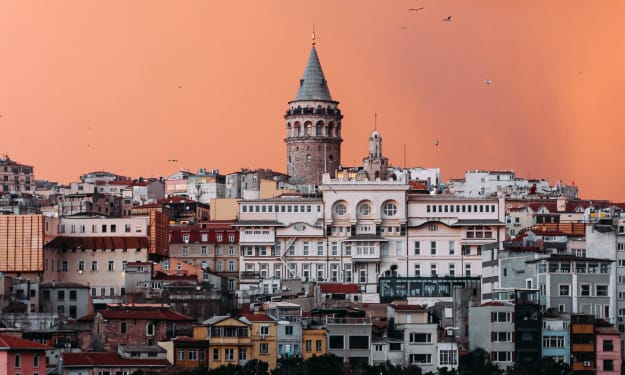
İSTANBUL
The history of Istanbul goes back thousands of years, but the first known settlement dates back to BC. It took place in the 7th century. At that time, there was a city-state called Megara among the city-states in the ancient Greek peninsula. These city-states were the most advanced states of that period economically and culturally. One of the most important reasons for their economic development is their colonization efforts. Byzas, the king of the city-state of Megara, went to the temple of Apollo (the god of wisdom in Greek mythology) in Delphi to find a new colony and consulted the oracle about the most suitable place to colonize. The oracle tells him that he must go to the lands opposite the land of the blind.
By MUHARREM KARADAĞ3 years ago in History
The Children's Hope
In the heart of Johannesburg, South Africa, stood a magnificent statue of Nelson Mandela, towering over the bustling city streets. Its presence was more than just a mere monument; it held a profound emotional resonance for those who passed by, especially the young children who gazed up at it with wide-eyed wonder. Among these children was Lwazi, a bright and determined young girl from a township on the outskirts of the city. She had heard stories of Nelson Mandela and his unwavering commitment to justice and equality. Inspired by his legacy, Lwazi dreamed of a future where every child, regardless of their circumstances, had access to quality education. Each day, Lwazi would walk past the statue on her way to the overcrowded school in her township. She would pause for a moment, her small hand touching the cold bronze surface, as if seeking a connection to the visionary leader whose ideals she admired. The statue seemed to radiate an energy that whispered to her heart, fueling her dreams and aspirations. Despite the challenges she faced, Lwazi was determined to make a difference. She had seen firsthand the lack of resources in her school, the worn-out textbooks, and the overcrowded classrooms. But she refused to be disheartened. She believed that education held the key to a brighter future, not just for herself, but for all the children in her community. With a spark of inspiration ignited by the statue, Lwazi embarked on a mission to create change. She rallied her classmates, and together they formed the "Children's Hope" group. Their goal was to advocate for better educational opportunities and resources, not only for their own school but for all the schools in their township. The journey was not easy. Lwazi and her friends faced resistance and skepticism, but they were undeterred. They wrote letters to local officials, organized peaceful protests, and even performed plays and dances to raise awareness about the importance of education. They saw themselves as the torchbearers of Mandela's vision, carrying his message of hope and equality into the future. Word of their efforts spread, reaching the ears of a local journalist who was captivated by their passion and determination. She decided to tell their story, shining a spotlight on the Children's Hope group and their quest for better education. The article caught the attention of a philanthropic organization committed to supporting grassroots initiatives. Moved by the children's unwavering dedication, the organization reached out to Lwazi and her friends, offering their assistance. They provided much-needed school supplies, renovated classrooms, and established a scholarship program to ensure that talented students could pursue their education without financial barriers. As the township schools transformed, so did the hopes and aspirations of the children. They no longer felt like mere bystanders, but active participants in shaping their own future. The statue of Nelson Mandela served as a constant reminder of the change they could bring, igniting a fire within their hearts that burned brighter with each passing day. Years later, Lwazi stood before the statue once again, but this time as a young adult. Her dreams had become a reality. She had pursued higher education, becoming a teacher and advocate for quality education in disadvantaged communities. Looking up at the statue, she whispered words of gratitude to the man who had inspired her journey. The statue of Nelson Mandela stood tall, its presence a testament to the power of hope, determination, and the unwavering belief in the potential of every child. It represented not just a historical figure, but a symbol of the dreams and aspirations of countless children who dared to envision a better future. As Lwazi turned to leave, she knew that her journey was far from over. She would continue to work tirelessly, guided by the spirit of Mandela and the belief that every child deserved the opportunity to learn
By Hamzat Shamsudeen3 years ago in History
Fantasy
In a far-off land, there was a magical kingdom ruled by a wise and just queen. The kingdom was home to many fantastical creatures, including dragons, unicorns, and mermaids. The queen was beloved by all her subjects, but she had a special bond with a young mermaid named Coral.
By Precious.D.3 years ago in History