Discoveries
Tensions, Transitions, and a Fragile Global Balance
Today’s World Affairs: Tensions, Change, and an Unstable Balance Today’s world affairs show a global system under great pressure. Many countries are facing political tension, economic uncertainty, and security challenges at the same time. The world is changing quickly, and no single event explains everything. Instead, a mix of conflicts, power struggles, and new technology is shaping how nations deal with each other.
By Wings of Time 8 months ago in History
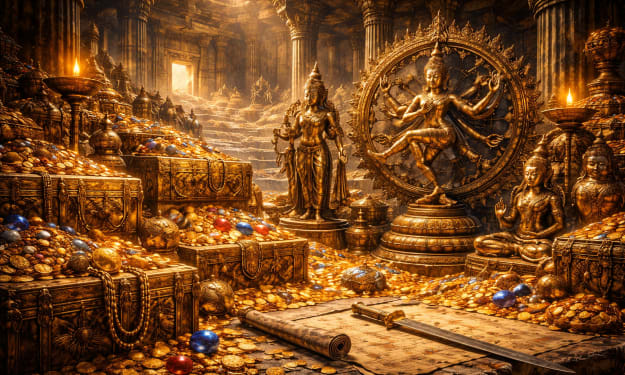
The Lost Treasures of the Chola Empire: Artifacts, Wealth, and Forgotten Glory. AI-Generated.
Origins of Chola Wealth The Chola Empire’s prosperity was not accidental. It was built upon: Advanced agriculture, especially in the fertile Kaveri River delta Efficient taxation and administration Maritime trade networks across the Indian Ocean Tribute from conquered territories Temple-centered economic systems The abundance generated by these systems allowed the Cholas to accumulate extraordinary material wealth, much of which was stored in temples and royal treasuries rather than palaces alone. Temple Treasures: Sacred Wealth of the Cholas Chola temples were not merely religious structures; they were economic powerhouses and cultural vaults. Temples such as the Brihadeeswarar Temple at Thanjavur, Gangaikonda Cholapuram, and Airavatesvara Temple received continuous donations from kings, nobles, merchants, and guilds. Inscriptions carved on temple walls record donations of: Gold and silver coins Precious stones Jewelry for deities Bronze lamps and ritual vessels Land, cattle, and grain Some inscriptions describe donations weighing hundreds of kalanjus of gold, indicating wealth on a massive scale. Over centuries, temples became repositories of treasure rivaling royal treasuries. However, many of these treasures are no longer present, and their absence raises important historical questions. Chola Bronze Sculptures: Priceless Artifacts Lost and Scattered One of the greatest artistic achievements of the Cholas was their bronze sculptures, created using the sophisticated lost-wax (cire perdue) method. These sculptures—especially of Shiva as Nataraja, Parvati, Vishnu, and saints—are considered masterpieces of world art. While many Chola bronzes survive today in temples and museums, hundreds are missing. Possible reasons include: Looting during invasions Smuggling during colonial times Illegal trafficking in modern eras Melting down for metal value during conflicts Several Chola bronzes that surfaced in foreign museums have later been identified as stolen temple idols, confirming that many treasures left India unlawfully. Royal Treasuries and Hidden Wealth The Chola kings maintained vast royal treasuries containing: Gold coins and bullion Pearls from the Gulf of Mannar Precious stones Ceremonial weapons Diplomatic gifts from foreign rulers During times of war or political instability—especially during the decline of the Cholas in the 13th century—treasuries may have been relocated or concealed to prevent enemy capture. Cities such as Thanjavur and Gangaikonda Cholapuram later fell into decline, and portions of these capitals were destroyed or abandoned. Many historians believe that undiscovered vaults or buried treasure chambers may still exist beneath these ancient sites. Maritime Trade and Lost Sea Treasures As a dominant naval power, the Cholas transported wealth across seas. Their ships carried: Gold and silver Spices and silk Religious artifacts Trade goods and tribute Shipwrecks caused by storms or piracy could have resulted in treasures lost beneath the Indian Ocean and Bay of Bengal. Due to limited underwater archaeological exploration in these regions, such maritime treasures remain largely unexplored. Invasions and Destruction Several invasions contributed to the loss of Chola treasures: Conflicts with the Pandyas Campaigns in Sri Lanka Later incursions by northern powers Invaders often looted temples and treasuries, melted gold artifacts, or reused precious metals. In many cases, the original Chola identity of these treasures was lost forever. Loss During the Colonial Period During British colonial rule, heritage protection was weak. Many Chola artifacts were: Removed from temples Sold to private collectors Exported to Europe and America Stone inscriptions, copper plates, and bronze idols disappeared during this period. Some were later rediscovered in foreign collections, but many remain missing. Missing Inscriptions and Records The Cholas were meticulous record-keepers, engraving details of donations and assets on stone and copper plates. However: Some inscriptions are damaged or missing Copper plates may have been stolen or melted Records mention treasures that no longer exist These missing records deepen the mystery of lost Chola wealth. Cultural Treasures That Endured Even though material treasures were lost, the Cholas left behind enduring cultural riches: Monumental temple architecture Classical Tamil inscriptions Advanced metallurgy Administrative systems Artistic traditions These intangible treasures remain invaluable and continue to define South Indian heritage. Conclusion The lost treasures of the Chola Empire include far more than hidden gold or missing idols. They represent a vanished era of extraordinary artistic brilliance, economic power, and spiritual devotion. While some treasures may still lie buried beneath ruined capitals or submerged seas, others are scattered across the world or lost forever. Yet, the greatest treasure of the Cholas is their legacy, preserved in stone temples, bronze art, and Tamil cultural memory. Each rediscovered artifact brings us closer to understanding the true magnitude of this remarkable empire’s wealth and history.
By Say the truth 8 months ago in History
The Lost Treasure of Alexander the Great: History’s Greatest Unsolved Mystery
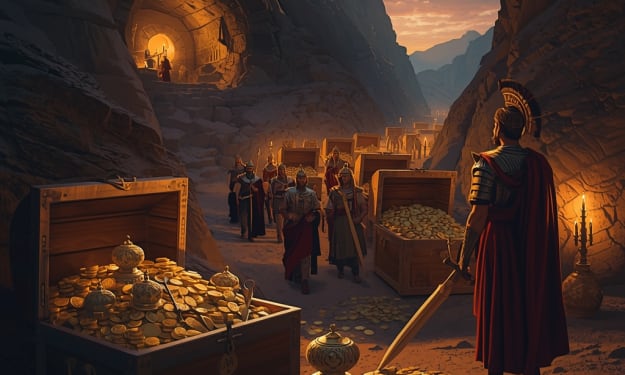
Yet, despite detailed historical records of his conquests, one question continues to fascinate historians, archaeologists, and treasure hunters alike: what happened to Alexander the Great’s vast treasure? The mystery of Alexander’s lost treasure is one of history’s most enduring enigmas, blending documented fact with speculation, legend, and unanswered questions. The Source of Alexander’s Immense Wealth When Alexander began his campaign against the Persian Empire in 334 BCE, he inherited a relatively modest treasury from his father, Philip II of Macedon. However, everything changed once he defeated the Persians. The Achaemenid Empire was the wealthiest power of the ancient world, having accumulated gold, silver, and precious goods over centuries through taxation and tribute. The capture of Persian capitals such as Sardis, Susa, Persepolis, and Babylon brought Alexander extraordinary riches. Ancient historians like Arrian and Diodorus Siculus describe how Alexander seized thousands of tons of gold and silver, stored in royal treasuries. The treasure of Susa alone was said to contain over 50,000 talents of silver, while Persepolis held even more. To transport this wealth, Alexander reportedly used thousands of mules and camels, forming massive treasure caravans. Beyond gold and silver, Alexander also acquired jewels, ceremonial weapons, royal garments, rare artifacts, and priceless works of art. By the time he reached India, Alexander controlled what was likely the largest accumulation of wealth ever held by a single individual in the ancient world. The Disappearance After Alexander’s Death Alexander’s sudden death in Babylon in 323 BCE marked the beginning of chaos. He left behind no clear successor, only the vague statement that his empire should go “to the strongest.” This triggered decades of brutal conflict among his generals, known as the Wars of the Diadochi. During this turmoil, Alexander’s treasure became a critical source of power. Whoever controlled it could pay soldiers, hire mercenaries, and legitimize their claim to rule. Large portions of the treasure were distributed to Alexander’s generals, while some were melted down to mint coins. However, historical accounts strongly suggest that not all of the treasure was accounted for. Some records mention hidden vaults, secret transports, and emergency relocations of wealth to prevent it from falling into enemy hands. As power shifted rapidly, parts of the treasure may have been deliberately concealed—and never recovered. The Tomb of Alexander: A Key to the Treasure? One of the greatest mysteries tied to Alexander’s lost treasure is the location of his tomb. After his death, his body was placed in a magnificent golden sarcophagus and was being transported to Macedonia. However, Ptolemy I diverted the funeral procession to Egypt, eventually placing Alexander’s body in Alexandria. Ancient writers describe Alexander’s tomb as a place of immense splendor, visited by Roman emperors such as Julius Caesar and Augustus. Over time, however, the tomb vanished from historical records. Earthquakes, religious shifts, and urban development may have buried or destroyed it.
By Say the truth 8 months ago in History
The Net Worth of Kumari Kandam: A Theoretical Wealth of a Lost Civilization. AI-Generated.
When people ask about the “net worth” of Kumari Kandam, they are not referring to bank accounts or modern currency, but to the total material, cultural, intellectual, and natural wealth of a civilization believed to have existed thousands of years ago. This article explores the theoretical net worth of Kumari Kandam by examining its resources, economy, knowledge systems, culture, and long-term civilizational value. Understanding “Net Worth” in an Ancient Context In the ancient world, wealth was measured not by money alone but by: Land and natural resources Agricultural productivity Trade networks Knowledge and language Cultural and spiritual influence Population and urban development Using these parameters, Kumari Kandam is often described in Tamil tradition as one of the richest and most advanced ancient homelands. Natural Resource Wealth According to traditional accounts, Kumari Kandam was a vast landmass with: Fertile river plains Dense forests Rich coastal ecosystems Abundant marine resources The land was believed to support large-scale agriculture, including grains, fruits, and medicinal plants. Coastal access implies fishing, pearl harvesting, and salt production. Estimated value (modern equivalent): If such a land existed today, its agricultural and natural resources alone would be valued in the trillions of dollars, comparable to the most resource-rich regions on Earth. Agricultural and Food Economy Ancient Tamil texts emphasize agriculture as the backbone of civilization. Kumari Kandam is described as having advanced irrigation, seasonal farming, and food surplus systems. A stable food economy means: Large population support Trade surplus Social stability In modern economic terms, a food-secure civilization with export capacity would have a GDP-level agricultural value in the range of hundreds of billions to trillions annually, depending on land size. Trade and Maritime Wealth One of the most important contributors to Kumari Kandam’s theoretical net worth is maritime trade. Tamil traditions strongly associate early Tamil people with sea navigation. Trade is believed to have included: Spices Textiles Pearls Precious stones Cultural exchange
By Say the truth 8 months ago in History
The History and Origin of Kumari Kandam: Myth, Memory, and Tamil Civilization
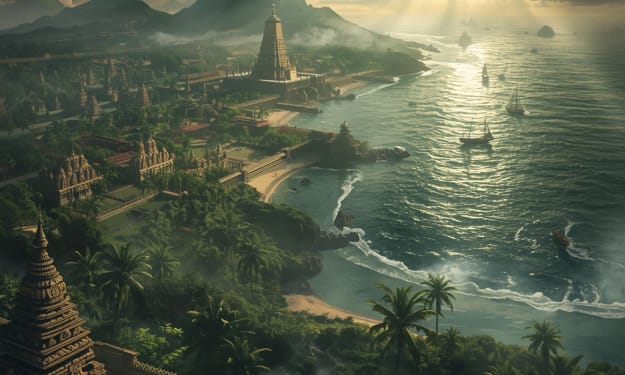
Though not confirmed by modern geology, the idea of Kumari Kandam continues to hold immense cultural, literary, and emotional significance, especially among Tamils, as a symbol of antiquity, lost knowledge, and submerged history. Meaning and Concept of Kumari Kandam The term “Kumari Kandam” comes from Tamil literature. “Kumari” refers to a virgin or maiden, often associated with purity, while “Kandam” means land or continent. Together, the name implies a sacred or pristine land. Kumari Kandam is believed to have existed south of the Indian peninsula, extending into what is now the Indian Ocean. According to tradition, this land was home to an advanced Tamil civilization that flourished long before recorded history. References in Ancient Tamil Literature The earliest references to Kumari Kandam are found in ancient Tamil Sangam literature, dating roughly between 300 BCE and 300 CE, though they describe events from much earlier periods. Texts such as: Silappatikaram Manimekalai Iraiyanar Akapporul mention a great southern land that was swallowed by the sea due to catastrophic floods. These texts describe the loss of entire regions, cities, and even kingdoms. Tamil literary tradition speaks of three Sangam periods, or assemblies of poets: The First Sangam, said to have lasted thousands of years, was located in a city that later submerged. The Second Sangam also ended due to flooding. The Third Sangam, held in Madurai, is the earliest historically verifiable one. These accounts strongly associate Kumari Kandam with the first two Sangam periods. The Great Flood and Submergence Central to the story of Kumari Kandam is the idea of a great deluge or sea-level rise. According to tradition, repeated floods gradually submerged large portions of the land, forcing people to migrate northward. These floods are often linked to: Climatic changes after the last Ice Age Rising sea levels Tectonic activity While Tamil texts describe this event poetically and symbolically, similar flood myths exist worldwide, such as the Mesopotamian flood, Noah’s Ark, and legends from Southeast Asia—suggesting that collective human memory preserved real ancient environmental changes. Kumari Kandam and Lemuria In the 19th century, European scientists proposed a hypothetical continent called Lemuria to explain similarities between fossils found in India, Madagascar, and Africa. Tamil scholars later connected Lemuria with Kumari Kandam. Though Lemuria was later rejected by modern plate tectonics, the association strengthened belief in Kumari Kandam as a real landmass. For many, Kumari Kandam became the Tamil name for Lemuria, blending scientific speculation with cultural memory. Civilization and Culture of Kumari Kandam According to tradition, Kumari Kandam was a highly advanced civilization. It is believed to have had: Well-organized kingdoms Advanced agriculture Deep knowledge of astronomy Highly developed Tamil language Ethical and social systems based on justice and virtue Some narratives claim that Tamil is the world’s oldest living language, originating in Kumari Kandam and spreading to other civilizations through migration. Migration and Spread of Civilization As the land submerged, people are believed to have migrated to: Present-day Tamil Nadu Sri Lanka Southeast Asia Parts of Africa and Australia (according to some speculative theories) These migrations are thought to have influenced languages, cultures, and traditions across regions. While mainstream historians consider these ideas symbolic or exaggerated, they highlight the deep pride associated with Tamil antiquity. Archaeological and Geological Perspectives Modern geology does not support the existence of a large sunken continent like Kumari Kandam. Plate tectonics explains continental movement without requiring such landmasses. However, underwater archaeological discoveries near: Poompuhar Gulf of Mannar Dwarka (west coast) show that ancient coastal cities were submerged due to rising sea levels, especially after the Ice Age. These findings suggest that while Kumari Kandam as a massive continent may be mythical, partial submergence of ancient Tamil regions is plausible.
By Say the truth 8 months ago in History
The Qin Empire: The Power That United the Chinese Nation
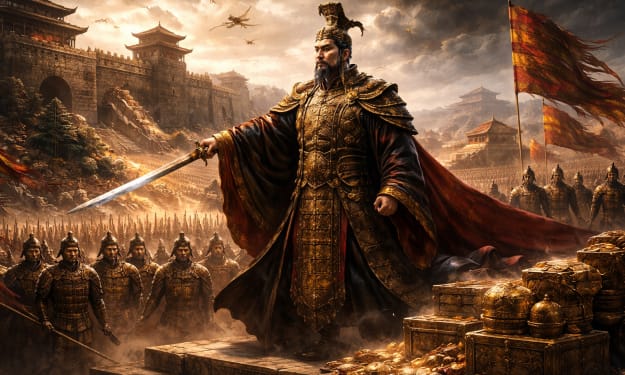
China Before Unification For centuries, China was divided into competing kingdoms, particularly during the Spring and Autumn Period and the Warring States Period. Powerful states such as Qin, Chu, Zhao, Wei, Han, Yan, and Qi fought relentlessly for territory and survival. Warfare was brutal, alliances were unstable, and millions suffered. Despite shared language roots, cultural practices, and philosophies like Confucianism and Daoism, there was no central authority to unite these regions. Each state had its own laws, currencies, and military systems, making unity seem impossible. Rise of the Qin State The state of Qin, located in the western frontier of China, was initially considered backward by its rivals. However, Qin’s location gave it access to fertile lands and natural defenses. More importantly, Qin adopted Legalism, a philosophy that emphasized strict laws, discipline, and centralized authority. Under reformers like Shang Yang, Qin transformed into a powerful military state. Land reforms rewarded farmers, merit-based ranks replaced noble privilege, and harsh laws ensured obedience. These reforms strengthened Qin’s economy and army, allowing it to outmatch rival states. Qin Shi Huang: The First Emperor In 246 BCE, a young ruler named Ying Zheng became king of Qin. By 221 BCE, after a series of decisive military campaigns, he defeated all rival states and declared himself Qin Shi Huang, meaning “First Emperor of Qin.” This was the first time in history that China was unified under a single emperor. Qin Shi Huang abolished the old feudal system and replaced it with a centralized bureaucratic government, directly controlled by the emperor. Administrative and Political Reforms Qin Shi Huang understood that unity required more than military conquest. He introduced sweeping reforms to standardize life across the empire: Standardized laws to ensure equal justice Unified currency to promote trade Standard weights and measures Standardized writing system, enabling communication across regions Uniform axle lengths for carts, improving road transportation These reforms reduced regional differences and helped forge a shared Chinese identity. Military Achievements and Defense The Qin Empire maintained unity through military strength. Qin Shi Huang ordered the construction and connection of defensive walls along the northern frontier, forming the early foundation of the Great Wall of China. This wall protected the empire from nomadic invasions and symbolized the boundary of Chinese civilization. The Qin army was well-organized, disciplined, and technologically advanced, using iron weapons and crossbows. Cultural Control and Controversies Despite his achievements, Qin Shi Huang ruled with extreme authority. Legalism allowed no opposition. One of the most controversial acts was the burning of books and burying of scholars, aimed at suppressing rival philosophies like Confucianism. While this strengthened central control, it also caused resentment among scholars and the population. Heavy taxes, forced labor, and harsh punishments made life difficult for ordinary people. The Terracotta Army and Immortality Qin Shi Huang was obsessed with immortality. He ordered the construction of a vast underground mausoleum guarded by the famous Terracotta Army—thousands of life-sized clay soldiers, horses, and chariots meant to protect him in the afterlife. This monument reflects both the emperor’s power and the enormous human cost of his rule, as countless laborers worked under brutal conditions. Fall of the Qin Empire After Qin Shi Huang’s death in 210 BCE, the empire quickly weakened. His successors lacked his authority and faced widespread rebellions fueled by public dissatisfaction. By 206 BCE, the Qin Empire collapsed, replaced by the Han Dynasty. Lasting Legacy Although short-lived, the Qin Empire permanently shaped China. The Han Dynasty retained most Qin administrative systems, legal frameworks, and territorial unity. Even the name “China” is believed to be derived from “Qin.” The Qin Empire proved that China could be unified and governed as a single entity, setting a model that future dynasties would follow for over two thousand years. Conclusion The Qin Empire was the force that united the Chinese nation through military brilliance, administrative genius, and uncompromising authority. While its methods were harsh, its achievements were revolutionary. Qin Shi Huang’s vision transformed China from a land of warring states into a unified civilization, laying the foundation for one of the longest continuous cultures in human history.
By Say the truth 8 months ago in History
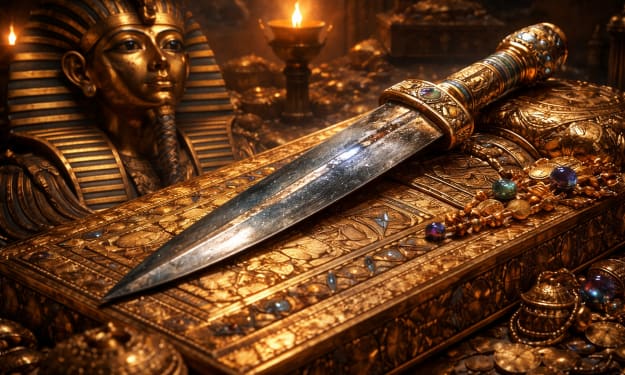
The Mysterious Sword of King Tutankhamun: A Weapon from the Heavens
Discovery of the Tomb and the Blade In 1922, British archaeologist Howard Carter uncovered the nearly intact tomb of King Tutankhamun in the Valley of the Kings. Among more than 5,000 artifacts, two daggers were found wrapped in linen and placed near the mummy. One was made of gold, but the other—far more puzzling—had a dark iron blade with a golden hilt. This discovery raised immediate questions. Tutankhamun lived around 1332–1323 BCE, during the Bronze Age, when iron smelting technology was either unknown or extremely rare in Egypt. Iron objects from this period were almost unheard of, leading scholars to wonder: How did an iron blade end up in the tomb of a Bronze Age pharaoh? The Problem with Ancient Iron Iron is far more difficult to produce than bronze. It requires much higher temperatures to extract from ore, technology that Egypt would not fully develop until centuries later. For this reason, iron was extremely rare and valuable in Tutankhamun’s time—often more valuable than gold. Ancient texts refer to iron as “metal from heaven”, suggesting that early civilizations recognized its unusual origin. This description hinted that the blade might not have been forged from earthly iron at all. Scientific Breakthrough: A Blade from a Meteorite For decades, the true origin of Tutankhamun’s iron dagger remained a mystery. In 2016, scientists conducted non-invasive tests using X-ray fluorescence spectroscopy, allowing them to analyze the blade without damaging it. The results were astonishing: The blade contained high levels of nickel and cobalt This composition perfectly matched that of iron meteorites The metal was consistent with meteoritic iron that fell to Earth naturally This confirmed that Tutankhamun’s dagger was forged from a meteorite, making it one of the earliest known examples of meteoritic iron craftsmanship. Craftsmanship Beyond Its Time What makes the dagger even more remarkable is its exceptional craftsmanship. The blade shows no rust, cracks, or flaws, even after more than 3,300 years. The golden hilt is decorated with intricate designs, and the blade fits perfectly into its sheath. This level of metallurgical skill suggests that ancient craftsmen not only recognized the value of meteoritic iron but also knew how to cold-hammer and shape it without advanced furnaces. Such expertise indicates a sophisticated understanding of materials long before the Iron Age officially began. Symbolic and Religious Significance To the ancient Egyptians, objects from the sky were deeply sacred. Meteorites were associated with the gods, the stars, and the afterlife. Using a blade forged from a fallen star would have had enormous symbolic meaning. The dagger likely represented: Divine power Royal authority Protection in the afterlife Some scholars believe the blade was meant to serve Tutankhamun in the afterlife, ensuring his protection among the gods. The idea that the weapon came from the heavens reinforced the belief that the pharaoh himself had divine origins. Was the Dagger a Gift? Another intriguing theory suggests that the dagger may not have been made in Egypt at all. Similar meteoritic iron artifacts have been found in regions such as Anatolia and the Near East, where advanced metalworking techniques existed earlier. Historical records show that Egypt had strong diplomatic ties with neighboring kingdoms. The dagger could have been: A royal gift A diplomatic offering A prized heirloom passed through generations If so, the weapon may represent international connections and elite trade networks of the ancient world. Sword or Dagger? Although often referred to as a sword, the weapon is technically a dagger due to its size. However, its ceremonial importance far outweighs its physical dimensions. It was not meant for battlefield combat but as a symbol of power, protection, and divine favor. Why the Mystery Endures Tutankhamun’s dagger continues to fascinate historians, scientists, and the public because it challenges assumptions about ancient technology. It proves that: Ancient civilizations used advanced materials creatively Knowledge and skill existed beyond what textbooks once suggested Mythological references to “heavenly metals” were rooted in real experience The blade stands at the intersection of science, history, and mythology.
By Say the truth 8 months ago in History
The Lost Treasure of Ashoka: Myth, History, and Mystery. AI-Generated.
Ashoka’s Immense Wealth and Power At the height of Ashoka’s reign, the Mauryan Empire was the largest political entity ever seen in the Indian subcontinent. It stretched from present-day Afghanistan to Bengal, and from the Himalayas to central India. Such an empire required enormous financial resources.
By Say the truth 8 months ago in History
If War Had Erupted Between Ashoka and the Three Kings of South India: An Alternate History Scenario
In reality, no direct war occurred between Ashoka and these southern kingdoms. But if circumstances had been different—if diplomacy had failed and war had erupted—the consequences would have been profound, reshaping Indian history in dramatic ways. This article explores a hypothetical scenario: what might have happened if Ashoka had gone to war against the three southern kings. The Causes That Could Have Triggered War Several factors could have pushed Ashoka toward conflict: Breakdown of diplomatic relations Disruption of trade routes between North and South India Rebellion in southern frontier regions Pressure from Mauryan military commanders seeking expansion Resistance to Ashoka’s moral policies or Buddhist missions Had any of these escalated, Ashoka—still possessing one of the world’s largest armies—might have chosen military intervention. Military Strength: Maurya vs Southern Kingdoms Ashoka’s Mauryan Army was unmatched in scale: Hundreds of thousands of infantry Tens of thousands of cavalry Thousands of war elephants Advanced logistics and centralized command The Southern Kings, however, had their own strengths: Highly motivated regional armies Expert knowledge of local terrain Strong naval forces and coastal control Guerrilla-style warfare tactics Unlike the open plains of northern India, South India’s forests, rivers, hills, and monsoon climate would pose severe challenges to a Mauryan invasion. Phase One: The Mauryan Advance South If war began, Ashoka’s forces would likely advance past the Vindhya Mountains, securing central India before pushing into the Deccan plateau. Early Mauryan victories would be likely due to sheer numbers and disciplined formations. However, supply lines would stretch dangerously long. Monsoon rains, tropical diseases, and unfamiliar terrain would slow progress. Southern armies would avoid direct confrontation, instead targeting Mauryan camps, supply convoys, and communication lines. Phase Two: Resistance of the Three Kings The Chola, Chera, and Pandya kings—though rivals among themselves—would likely form a temporary confederation against the common threat. The Cholas would dominate river plains and fortify urban centers The Cheras would use forest warfare and mountain ambushes The Pandyas would control southern trade routes and ports Their unity, even if temporary, would significantly increase resistance. The Mauryan elephants—so effective in northern warfare—would struggle in dense jungles and narrow passes. Human Cost and Ashoka’s Inner Conflict As battles intensified, casualties would rise sharply—among soldiers and civilians alike. Villages would be destroyed, agriculture disrupted, and temples and cities damaged. For Ashoka, this would trigger a second moral crisis, possibly even deeper than Kalinga. Witnessing suffering once again, Ashoka’s commitment to Dharma might clash violently with imperial ambition. At this point, Ashoka might: Halt the campaign mid-way Seek immediate peace talks Replace generals who pushed aggressive strategies Possible Outcomes of the War Scenario 1: Mauryan Military Victory If Ashoka persisted and won: South India would come under Mauryan political control Massive administrative challenges would follow Frequent rebellions would weaken the empire Ashoka’s moral legacy would be permanently damaged Such an empire would likely fragment after Ashoka’s death. Scenario 2: Stalemate and Treaty More realistically, the war would end in a stalemate: Neither side achieves complete dominance A treaty recognizes southern autonomy Trade routes are restored Mauryan forces withdraw This outcome would preserve southern independence while reinforcing Ashoka’s preference for peace. Scenario 3: Strategic Withdrawal by Ashoka Ashoka could choose to abandon the campaign: Publicly renounce the war Declare Dharma victory over conquest Strengthen diplomatic ties instead This would elevate Ashoka’s reputation as a moral ruler even further. Long-Term Impact on Indian Civilization A full-scale war would delay: Cultural flowering of Sangam literature Spread of Buddhism through peaceful means Economic growth via maritime trade South India’s unique identity might be altered under northern administration. Alternatively, resistance could strengthen southern unity earlier in history. Why War Ultimately Did Not Happen
By Say the truth 8 months ago in History
Ashoka and the Three Kings of South India: Power, Diplomacy, and Moral Conquest
Unlike his northern campaigns, Ashoka did not wage a full-scale war against these southern powers. Instead, his interaction with them reveals a unique blend of political realism, military restraint, and ideological influence. The Mauryan Empire at Its Peak By the mid-3rd century BCE, the Mauryan Empire under Ashoka stretched from Afghanistan in the northwest to Bengal in the east, and from the Himalayas in the north to the Vindhya ranges in central India. After the devastating Kalinga War (c. 261 BCE), Ashoka experienced profound remorse over the human cost of warfare. This event marked a turning point in his reign. Though Ashoka remained a powerful emperor with a massive standing army, he consciously chose a different path—Dhamma (Dharma)—a policy emphasizing moral governance, tolerance, non-violence, and welfare. The Three Kings of South India During Ashoka’s reign, South India was ruled by three ancient and powerful dynasties: The Cholas – Dominant in the fertile Kaveri delta The Cheras – Ruling parts of present-day Kerala and western Tamil Nadu The Pandyas – Based in the Madurai region These kingdoms were culturally rich, economically strong, and politically independent. They controlled important trade routes, especially maritime commerce with Rome, Southeast Asia, and Sri Lanka. Was There a War Between Ashoka and the Southern Kings? Historical evidence strongly suggests that Ashoka did not conduct a direct military invasion of the Cholas, Cheras, or Pandyas. This is significant, considering Ashoka’s immense military capability. In Ashoka’s 13th Rock Edict, he explicitly mentions the southern kingdoms: “The Cholas, the Pandyas, the Satiyaputras, the Keralaputras…” This inscription confirms that these kingdoms lay outside Mauryan political control, yet were fully acknowledged by Ashoka. Instead of war, Ashoka pursued diplomacy, cultural influence, and moral authority. Why Ashoka Did Not Invade South India Several reasons explain Ashoka’s restraint: Geographical Challenges Dense forests, rivers, and mountain ranges made southern campaigns logistically difficult. Economic Pragmatism The southern kingdoms were key trade partners. War would disrupt commerce and revenue. Post-Kalinga Transformation Ashoka’s conversion to Buddhism led him to renounce aggressive warfare. Stable Southern Powers The Cholas, Cheras, and Pandyas were well-organized and not weak targets. Moral Conquest Instead of Military Conquest Ashoka introduced the concept of “Dhamma-Vijaya” (Victory through Dharma), replacing “Dig-Vijaya” (Victory through War). This ideological conquest aimed to win hearts rather than territories. Ashoka sent: Buddhist missionaries Medical aid Herbal and animal welfare knowledge Moral teachings on tolerance and compassion These efforts extended to South India, where Buddhism gradually gained influence without coercion. Cultural Exchange and Religious Influence Although South India did not become politically Mauryan, Ashoka’s reign contributed to: The spread of Buddhism in Tamil regions Construction of stupas and monasteries Growth of ethical governance ideals Archaeological findings in Tamil Nadu and Kerala suggest early Buddhist presence, likely supported by Ashoka’s missionary policy. The Strength of the Southern Kings It is important to recognize that the southern kings were not passive recipients of Ashoka’s influence. Sangam literature portrays them as: Brave warriors Skilled administrators.
By Say the truth 8 months ago in History
Chandragupta Maurya vs the Greek Empire: The Clash That Reshaped Ancient India
Background: Alexander’s Invasion and Its Aftermath The roots of the conflict trace back to Alexander the Great’s invasion of India in 326 BCE. Although Alexander defeated King Porus at the Battle of Hydaspes, his army refused to advance further east. Upon his return westward and his death in 323 BCE, Alexander’s vast empire fractured among his generals, known as the Diadochi. In northwestern India, Greek governors and satraps were left behind to maintain control over regions such as Punjab, Gandhara, Arachosia, and parts of present-day Afghanistan. These territories were unstable, and Greek authority was weak, creating an opportunity for a rising Indian leader. Rise of Chandragupta Maurya Chandragupta Maurya, guided by his brilliant strategist Chanakya (Kautilya), overthrew the unpopular Nanda Dynasty around 321 BCE and established the Mauryan Empire with its capital at Pataliputra (modern Patna). Unlike previous Indian rulers, Chandragupta aimed to unify the entire subcontinent under a centralized administration. Recognizing the vulnerability of the Greek-held territories in the northwest, Chandragupta moved swiftly to reclaim them. His ambition brought him into direct conflict with Seleucus I Nicator, one of Alexander’s most powerful successors and founder of the Seleucid Empire. The Greek Empire Under Seleucus I Nicator Seleucus I controlled vast lands stretching from Asia Minor to Persia and parts of Central Asia. However, his eastern territories were distant, difficult to govern, and constantly threatened by local uprisings. When Chandragupta began advancing into Greek-controlled regions, Seleucus was forced to personally lead an expedition to reassert control. This led to a full-scale war between the Mauryan Empire and the Greek Empire around 305 BCE. The War: Strategy and Military Strength
By Say the truth 8 months ago in History