Discoveries
"Unveiling Secrets: The Enigma of the Three Artifacts Discovered Inside the Great Pyramid of Giza"
The enigma surrounding the three objects found inside the Great Pyramid of Giza continues to divide experts in the field of archaeology. These items were discovered by British explorer Waynman Dixon in 1872 in the Queen's Chamber of the pyramid, which is the largest of the Giza pyramid complex and was built as a tomb for Pharaoh Khufu. Despite its age and size, only three objects have been recovered from the pyramid so far, adding to the mystery. These objects, known as the Dixon Relics, consist of a stone ball, a copper hook-shaped object, and a fragment of wood or rod. They were initially found by Dixon, but later disappeared before being rediscovered in 1972 and donated to the British Museum. However, the wooden fragment was missing, and it wasn't until 2019 that it was found in another collection at the University of Aberdeen. After being identified as part of a larger piece of wood, it was determined that the fragment dates back to 3341-3094 BC, much earlier than the estimated construction date of the Great Pyramid. This discovery has sparked new interest in the objects and their purpose, with some suggesting they may have been tools used by the builders of the pyramid or offerings placed there for the deceased king. In 1993, a secret hatch was found in the Queen's Chamber, but it wasn't until 2011 that a robot was developed to explore it. The robot, named 'The Djedi Project' after the ancient Egyptian magician Djedi, was created by a team of international and Egyptian experts and managed by the University of Leeds. It took five years to develop and successfully captured nine hours of footage, revealing a small chamber with intricate symbols painted on the floor. This has raised questions about the purpose of the shaft, with some speculating it served a larger role than just an air vent. The documentary 'The Robot, The Dentist and The Pyramid' was released in 2020, shedding light on the project and its findings.
By Kevin MacELwee2 years ago in History
Secrets in Stone: Unraveling the Pyramid Enigma
The Great Pyramid of Giza is more than a monument; it’s an enigma wrapped in a riddle. Its sheer scale is staggering, but it’s the meticulous precision that truly defies comprehension. How did a civilization, armed with tools and knowledge we can scarcely imagine, achieve such astronomical accuracy in alignment and construction? It’s a question that has haunted scholars and dreamers for centuries.
By Joel Castro2 years ago in History
From Myth to Reality
The Legacy of Percy Fawcett’s Final Expedition This is British explorer Percy Fawcett, who was last heard from deep in the Amazon rainforest in 1925 during his eighth expedition. His objective? To find the ruins of a lost city he called “Z.” Fawcett’s quest was fueled by centuries-old rumors of large cities hidden deep within the Amazon. However, he never found Z or any other city, and his mysterious disappearance only reinforced the prevailing belief that the Amazon was too hostile and remote to support such civilizations.
By cathynli namuli2 years ago in History
From Greenland to New York
The Forgotten Inughuit: A Tale of Exploitation and Loss at the American Museum of Natural History” Inside the American Museum of Natural History in New York, there is a massive iron meteorite. It crashed into Earth around 10,000 years ago in Northwest Greenland, arriving as a piece of space debris. For centuries, this meteorite was used by a small tribe of indigenous Greenlanders, the Inughuit, to craft metal-tipped tools and weapons. However, in 1897, an American explorer, driven by the pursuit of fame and fortune, transported the meteorite across the Arctic and sailed it to New York, where he sold it to the museum. Yet, this enormous piece of iron wasn’t the only thing that made the journey on that ship; six Inughuit people were also taken along, after being promised they would return home within the year, enriched with weapons and tools, in exchange for allowing themselves to be studied by the museum. Most of them would never see their homeland again. This is a story of broken promises, grand ambitions, and one small boy who grew up to challenge the museum that took everything from him.
By cathynli namuli2 years ago in History
August 9th: A Day of Remembrance and Reflection
August 9th stands as a date of profound significance, marked by both somber remembrance and joyful celebration. This day encapsulates the complexity of human history and culture, reminding us of our capacity for destruction and our potential for creativity and joy.
By Dawnxisoul393art2 years ago in History
How do you install blinds and shades?
Installing blinds or shades can seem like a daunting task, but with the right information and approach, it's a DIY project well within reach. This comprehensive guide will walk you through the entire process, from choosing the right window treatments to tackling specific Blinds & Shades Installation Services in Fort Myers FL challenges.
By surgecelectric2 years ago in History
Dar es Salaam: The Pulse of a Coastal Gem
From dawn to dusk, a coastal marvel unfolds along the shore of the deep blue ocean, known as Dar es Salaam. Each breath of fresh aura, each beat of the busy streets, and each wave go bust onto sandy shores tells a tale of a land where the past and present dance together around harmony. Known as the "Haven of Peace," Dar es Salaam stands as a blend of custom and progress, where very old customs collaborate along modern-day successes.
By Eliakim Msihi2 years ago in History
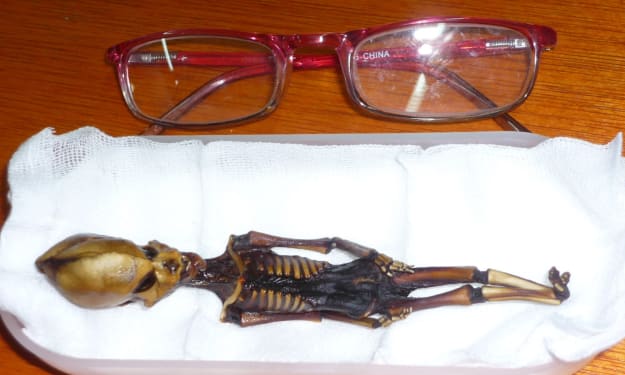
Atacama Desert's Mummified Skeleton
This is a really interesting story so about 15 years ago the discovery of a six inch mummified skeleton from northern Chile's Atacama Desert led to widespread speculation about his origins because well it's six inches in the bone of contention was whether the skeletal remains were that of an alien in all recognized primate species wore a human fetus because if you're just looking at this there's definitely something really strange about it the mummified skeleton was found when an immature collector by the name of Oscar Munoz chanced upon a leather pouch containing a white cloth this was where he was exploring La Noria a deserted nitrate mining tally in Chile's Atacama region where he unwrapped a cloth Oscar uncovered a skeleton hence named as aha after the set of this finding now the presumption of otta being in Alien continued for many years until recently when a genomic analysis shed a new light on his incest trait no just looking at this I mean III think I woulda guessed alien because with a height of about six inches out as diminutive frame really stood out despite its tiny size the skeleton was fully formed with matured features it exhibited hardened teeth and elongated an angular skull pronounced oval and slanted eye sockets and ten pairs of ribs as opposed to the standard twelve pairs of an adult human the skeleton was estimated to be around 40 years old and preliminary attempts to date his bone age led to the conclusion that the specimen was that of a young child aged no more than six were eight years in looking at it it's really no surprise that since artists are earthing in 2003 the probability of the atacama humanoid being in alien has been right more so because of a 2013 UFO documentary titled Syria's which few the conjecture in this documentary American you apologist Steven M Greer attempted to demystified the origin of otta and speculated that the mummy had its Genesis in extraterrestrials so intrigued by the mystery surrounding artists origins and Gary P Nolan a professor of microbiology and immunology at Stanford University decided to conduct an in-depth analysis of the skeletons well-preserved DNA by extracting a sample from the bone marrow of artists ribs accordingly necessary permissions were shot from the skeletons present Ramon the via soryo who eventually bought Tata from Oscar Munoz and treasured it in a private collection in Spain the genetic study of the skeleton made some startling revelations which indicated that not only was Atta a human female but she was probably of Chilean descent but the likelihood of her parallel lineage to European ancestry not being ruled out either moreover the whole genome sequence analysis divulged that otta had a rare bone aging this water triggered by multiple mutations in the genes associated with bone development this premature aging disease gave rise to the false impression of her being much older than she truly was the extent of the skeletons genetic defects in his tiny size further suggests a probable cause of miscarriage for the possibility that the skeletal remains belong to a premature bore human fetus wore a stillborn baby so this is true what exactly was the nature of artists bone disease that led to the accelerated aging of her bones and her bizarre appearance well DNA analysis attributes artists deformed form to the 64 mutations in the seven genes related to the development of the skeletal system these genetic mutations are thought to be the cause behind the anomalous specimens various and muscular skeletal abnormalities ranging from dwarfism and rib count oddity to scoliosis also a series of mutations occurred in several other genes including those linked to collagen production according to dr.
By TBH Agencia Exclusiva Colsanitas2 years ago in History
The History of Lipstick
Lipstick is more than just a beauty product—it's a symbol of self-expression, confidence, and cultural significance. Throughout history, lipstick has evolved from being a mark of social status to a staple in everyday beauty routines. This article will explore the history, types, cultural impact, and significance of lipstick in today’s world. ### The History of Lipstick The origins of lipstick date back thousands of years. Ancient Sumerians are believed to have invented one of the earliest forms of lipstick by crushing gemstones and applying the dust to their lips for color. Similarly, in ancient Egypt, both men and women used lipstick as a symbol of social status and to protect their lips from the harsh desert environment. Cleopatra, one of history's most famous figures, is known to have used crushed carmine beetles to create a deep red hue for her lips. During the Roman Empire, lipstick became a sign of wealth, with both men and women adorning their lips in colors ranging from bright red to black. However, as history progressed, the use of lipstick fluctuated with societal norms and values. In the Middle Ages, it was often associated with witchcraft and was frowned upon by the Church. Lipstick made a significant comeback during the Renaissance, particularly in England, where Queen Elizabeth I popularized the look of pale skin with bright red lips. However, it wasn’t until the 20th century that lipstick became widely accessible and accepted, thanks in large part to the invention of the swivel tube in 1915 by Maurice Levy, which made lipstick portable and easy to apply. ### Types of Lipstick Today, the variety of lipstick types available on the market is vast, catering to different needs, preferences, and styles. Here are some of the most popular types: - **Matte Lipstick**: Known for its long-lasting wear and rich pigmentation, matte lipstick provides a non-glossy finish that is bold and striking. However, it can sometimes be drying, so it’s essential to prep the lips with a moisturizer beforehand. - **Satin and Sheer Lipstick**: These lipsticks offer a more subtle shine and are typically more moisturizing than matte lipsticks. They provide a natural look, perfect for everyday wear, and are often infused with hydrating ingredients. - **Cream Lipstick**: A middle ground between matte and glossy, cream lipsticks offer a soft, smooth application with a hint of shine. They are usually enriched with emollients, making them comfortable to wear throughout the day. - **Liquid Lipstick**: This type of lipstick comes in a liquid form and dries to a long-lasting finish, often matte. Liquid lipsticks have gained popularity for their intense color payoff and durability. - **Gloss**: While not technically a lipstick, lip glosses add a glossy shine to the lips and can be worn alone or over lipstick for added dimension. Glosses can range from sheer to highly pigmented. - **Lip Stain**: Lip stains provide a lightweight, long-lasting color that looks like a natural flush. They are perfect for a more subtle, no-makeup look and are often used as a base under other lip products. - **Lip Balm with Tint**: Combining the hydrating benefits of a balm with a hint of color, tinted lip balms are great for those looking for a low-maintenance, natural look. ### The Cultural Impact of Lipstick Lipstick has played a significant role in cultural movements and societal changes. During World War II, for example, lipstick became a symbol of resilience and femininity. Despite shortages of other goods, the production of lipstick continued, and women were encouraged to wear it as a morale booster. The iconic "Victory Red" shade became a patriotic symbol, representing strength and determination. In the 1960s and 70s, the feminist movement brought lipstick into the spotlight as both a symbol of traditional femininity and as a tool for empowerment. While some feminists saw it as a product of patriarchal expectations, others embraced it as a way to express their identity and autonomy. The choice to wear or not wear lipstick became a personal statement of one's beliefs and individuality. Today, lipstick remains a powerful tool for self-expression. It transcends gender norms, with more men and non-binary individuals embracing makeup, including lipstick, as part of their personal style. The beauty industry has responded to this shift with more inclusive marketing and a broader range of shades and formulations to cater to diverse skin tones and preferences. ### The Psychology of Lipstick The impact of lipstick goes beyond physical appearance; it also has psychological effects. Studies have shown that wearing lipstick can boost self-esteem and confidence. The "lipstick effect" refers to the phenomenon where people, particularly women, feel more confident and empowered when wearing lipstick. This boost in confidence can influence social interactions, performance in professional settings, and overall mood. Lipstick also plays a role in first impressions. The color of lipstick can convey different messages—red, for example, is often associated with passion, confidence, and power, while nude shades may be perceived as more approachable and natural. The choice of lipstick color can be a reflection of one’s mood, personality, or the image they want to project to the world. ### Conclusion Lipstick is far more than just a beauty product; it’s a cultural artifact that has evolved over centuries, carrying with it layers of historical, social, and psychological significance. From ancient civilizations to modern-day trends, lipstick has remained a steadfast tool for self-expression and empowerment. Whether it’s a bold red lip or a subtle nude shade, lipstick continues to be a powerful statement of identity, confidence, and style. As the beauty industry continues to evolve, so too will the significance of lipstick, adapting to new cultural norms and the ever-changing landscape of self-expression.
By Ashraful Hasan 2 years ago in History
New Discovery in Egypt Scared Scientists. AI-Generated.
Gruesome Discovery in Egypt The Eerie Find A chilling discovery from Egypt a few years ago has captivated the world. Archaeologists unearthed 16 human hands buried meticulously in four eerie pits. Initially, these hands seemed unusual due to their abnormally large size, but the most peculiar detail was that all of them were right hands—no left hands were found.
By Adebayo Mahmud2 years ago in History
History of india
## THE HISTORY OF INDIA: A JOURNEY THROUGH TIME India, a land of incredible diversity, has a history that stretches back thousands of years. Its story is one of rich cultural heritage, dynamic empires, religious developments, and significant contributions to science, art, and philosophy. The history of India is a tapestry woven with the threads of many civilizations, each contributing to the country's unique identity. ### PREHISTORIC AND ANCIENT INDIA The history of India begins with the emergence of the first known civilizations in the region, dating back to the Indus Valley Civilization around 2500 BCE. This Bronze Age civilization, located in what is now Pakistan and northwest India, was one of the world's earliest urban cultures. The cities of Harappa and Mohenjo-Daro were noted for their advanced urban planning, impressive architecture, and sophisticated system of weights and measures. The decline of the Indus Valley Civilization around 1900 BCE coincided with the arrival of the Indo-Aryans, who migrated into the Indian subcontinent from Central Asia. This period, known as the Vedic Age (1500-500 BCE), is named after the Vedas, the oldest sacred texts of Hinduism, which were composed during this time. The Vedic Age laid the foundations for Indian society, religion, and culture. The caste system, which became a defining feature of Indian social organization, began to take shape during this era. ### THE RISE OF EMPIRES AND RELIGIONS The first significant empire to unify much of India was the Maurya Empire (322-185 BCE), founded by Chandragupta Maurya. Under the rule of Emperor Ashoka, the Maurya Empire reached its zenith. Ashoka, after a bloody conquest of Kalinga, converted to Buddhism and became a patron of the religion, promoting its spread throughout Asia. His reign is marked by the propagation of Buddhist values and the erection of the famous Ashokan pillars, inscribed with edicts on governance and moral conduct. Following the decline of the Maurya Empire, the Indian subcontinent saw the rise of the Gupta Empire (circa 320-550 CE), often referred to as the "Golden Age" of India. Under rulers like Chandragupta I and Samudragupta, the Gupta Empire achieved remarkable advancements in science, mathematics, astronomy, literature, and art. The concept of zero, the decimal system, and significant works in Sanskrit literature, such as Kalidasa's plays, were products of this period. Hinduism experienced a revival during the Gupta era, and many of the religious and cultural practices that define Indian society today were solidified during this time. ### MEDIAEVAL INDIA AND THE ARRIVAL OF ISLAM The fall of the Gupta Empire led to a period of fragmentation, with numerous regional kingdoms vying for power. This era saw the rise of powerful dynasties such as the Chalukyas, Pallavas, Cholas, and Rashtrakutas in the south, and the Rajputs in the north. The period was also marked by the arrival of Islam in India, beginning with the Arab conquest of Sindh in 711 CE. The establishment of the Delhi Sultanate in 1206 CE marked the beginning of Muslim rule in India. The Sultanate, ruled by a series of Turkic and Afghan dynasties, was a period of significant cultural synthesis. Persian art, architecture, and administrative practices were introduced, blending with Indian traditions to create a unique Indo-Islamic culture. The Sultans of Delhi were also instrumental in spreading Islam across the Indian subcontinent, particularly through the influence of Sufi saints. The Delhi Sultanate eventually gave way to the Mughal Empire in 1526, founded by Babur, a descendant of Timur and Genghis Khan. The Mughal Empire, under rulers like Akbar, Jahangir, Shah Jahan, and Aurangzeb, became one of the most powerful and culturally rich empires in the world. Akbar's policy of religious tolerance and his efforts to integrate Hindus and Muslims into the administration fostered a sense of unity in a diverse society. The Mughal era is also renowned for its architectural achievements, including the construction of the Taj Mahal by Shah Jahan, a symbol of India's cultural heritage. ### COLONIAL INDIA AND THE STRUGGLE FOR INDEPENDENCE The decline of the Mughal Empire in the 18th century coincided with the rise of European colonial powers, particularly the British. The British East India Company initially came to India as traders but gradually expanded its control through a combination of military conquest and political manipulation. By the mid-19th century, the British Crown had taken direct control of India, marking the beginning of the British Raj. The colonial period was a time of profound change in India. The British introduced Western education, legal systems, and infrastructure, but their policies also led to the exploitation of India's resources and the impoverishment of its people. The growing discontent with British rule culminated in the Indian Rebellion of 1857, also known as the First War of Independence. Although the rebellion was suppressed, it marked the beginning of a nationalistic movement that would eventually lead to India's independence. The late 19th and early 20th centuries saw the rise of Indian nationalism, led by figures like Mahatma Gandhi, Jawaharlal Nehru, and Subhas Chandra Bose. Gandhi's philosophy of non-violent resistance, or Satyagraha, became the cornerstone of the Indian independence movement. The struggle for independence was marked by mass protests, civil disobedience, and significant sacrifices by the Indian people. After decades of struggle, India finally achieved independence from British rule on August 15, 1947. ### POST-INDEPENDENCE INDIA The partition of India in 1947, which led to the creation of Pakistan, was a traumatic event that resulted in widespread violence and displacement. Despite these challenges, India emerged as the world's largest democracy, committed to a secular and socialist framework. The early years of independence were marked by efforts to build a self-sufficient economy, promote social justice, and maintain unity in a diverse and multi-ethnic society. Under the leadership of Prime Ministers like Jawaharlal Nehru, Indira Gandhi, and Atal Bihari Vajpayee, India made significant strides in various fields, including agriculture (through the Green Revolution), space exploration, and information technology. India also became a major player on the global stage, advocating for the rights of developing countries and promoting non-alignment during the Cold War. ### MODERN INDIA In recent decades, India has undergone rapid economic transformation, emerging as one of the world's largest economies. The liberalization of the Indian economy in the 1990s led to unprecedented growth, but also brought challenges such as income inequality and environmental degradation. India today is a nation of contrasts, where traditional practices coexist with modern technology, and ancient philosophies influence contemporary thought. India's diversity, reflected in its numerous languages, religions, and cultural practices, remains one of its greatest strengths. The country continues to grapple with complex issues such as poverty, corruption, and social inequality, but its vibrant democracy and resilient society offer hope for the future. In conclusion, the history of India is a testament to the enduring strength and adaptability of its people. From ancient civilizations to modern-day achievements, India's journey through time is a remarkable story of resilience, innovation, and cultural richness. As the nation continues to evolve, it carries forward a legacy that has shaped not only its own destiny but also the course of world history.
By Mridul Kushwah2 years ago in History