Discoveries
The world's first wooden satellite launched into space
In a groundbreaking move for space exploration and sustainability, the world’s first wooden satellite was successfully launched into space. This remarkable achievement marks a significant milestone in both the field of aerospace engineering and the drive toward greener space technologies. The innovative satellite, known as WISA Woodsat, is a symbol of how sustainable materials can shape the future of space exploration.
By Zinnat ara Begum2 years ago in History
Exploring Puebla’s Rediscovered Tunnels: A Glimpse into Mexico’s Buried Past
In 2015, construction workers in Puebla, Mexico, made an extraordinary discovery that brought centuries-old myths to life: a network of tunnels dating back as far as 500 years. These tunnels, stretching approximately 10 kilometers, weave through the heart of Puebla, connecting key historical sites like the city’s historic center and Loreto Castle, a location remembered for the iconic Battle of Cinco de Mayo. Long regarded as mere folklore, these tunnels were once believed to be imaginary, dismissed by locals and historians alike. But today, the tunnels have become one of Puebla’s most fascinating historical attractions, offering a window into the city’s past and the struggles that shaped it. A Legendary Find Brought to Light The tunnels were uncovered in an unexpected way. While doing routine construction in Puebla, workers stumbled upon a buried archway. With further excavation, an entire subterranean network was revealed, its passageways hidden and preserved beneath centuries of mud and debris. Though the tunnels had long been whispered about, many locals considered them no more than myth—a tale passed down from one generation to the next. Their rediscovery has transformed Puebla’s historical landscape, confirming that this underground labyrinth wasn’t just a fable but a tangible piece of the city’s rich heritage. Historians believe the tunnels may have been built in the 16th century, during the early colonial period, when the Spanish were establishing their influence in Mexico. The size and scope of the tunnels suggest they were designed for utility rather than secrecy; the pathways are tall and wide enough to accommodate riders on horseback, indicating they may have been used for strategic transport or communication. A Hidden Role in History’s Great Battles Puebla’s rediscovered tunnels likely served a range of purposes, particularly during times of war and conflict. Throughout its history, Puebla has been a focal point in several major battles, especially during the Mexican War of Independence (1810-1821) and the subsequent war with France. In both conflicts, these tunnels might have provided soldiers with crucial, concealed routes for moving supplies, coordinating with one another, or launching surprise attacks. Perhaps the tunnels’ most famous association is with the Battle of Cinco de Mayo in 1862, when outnumbered Mexican forces held their ground against the French at Loreto Castle. Given the proximity of the tunnels to Loreto, historians believe the underground network may have played a role in transporting soldiers or delivering supplies to Mexican forces during the battle. The tunnels may have also been used as a refuge, a way to avoid detection, or a means to safeguard strategic information. Though no written records explicitly detail the tunnels’ use during these conflicts, their rediscovery opens up new avenues of exploration for historians seeking to understand Puebla’s role in Mexico’s fight for independence and sovereignty. Artifacts Preserved by Time and Mud One of the most fascinating aspects of Puebla’s tunnels is the wealth of artifacts uncovered within them. Over the centuries, layers of mud filled the passageways, effectively preserving objects that had been left behind. During the excavation, archaeologists found items like clay kitchenware, children’s toys, and weapons, each offering a glimpse into daily life during the 1800s. The discovery of children’s toys, for example, suggests that families may have once moved through or sheltered in the tunnels, possibly using them as a safe haven during tumultuous periods. The presence of kitchenware could indicate that supplies were stored and transported through the tunnels as well. Additionally, weapons found in the network point to the tunnels’ probable use in wartime, supporting the theory that they played a significant role during the Mexican War of Independence and the conflict with France. These artifacts have been carefully preserved and cataloged, providing valuable insight into the daily lives of Puebla’s past residents. The finds are now part of a museum exhibit, allowing visitors to connect with Puebla’s history on a personal level by seeing objects once touched by those who lived, fought, and perhaps hid in these very tunnels. Opening to the Public: Exploring Puebla’s Underground Legacy In 2017, the tunnels were opened to the public, inviting visitors to embark on guided tours that delve into the city’s hidden past. Today, guests can walk through sections of the tunnel network, accompanied by knowledgeable guides who provide historical context and share stories of the battles, heroes, and legends tied to Puebla’s underground. The tour includes access to a museum, where the artifacts discovered in the tunnels are displayed, further enriching the experience. Walking through the tunnels, visitors get a palpable sense of history, as if stepping back into a world that witnessed the transformation of Puebla from a colonial city to a stronghold of Mexican resilience. The atmosphere is quiet, with dim lighting accentuating the stone arches and narrow passageways that wind beneath the city. The architecture is rustic yet functional, reflecting the practical needs of those who built these tunnels hundreds of years ago. This unique experience has captured the interest of history enthusiasts, students, and travelers alike, who come to Puebla to immerse themselves in the city’s legacy. The tunnels serve as a physical link to Puebla’s past, offering insights into the lives of people who lived through Mexico’s defining moments and fought for the country’s freedom. Rediscovering Puebla’s Roots Through the Tunnels The rediscovered tunnels beneath Puebla are more than just an archaeological find; they are a testament to Mexico’s resilience, ingenuity, and enduring spirit. Their existence reminds us of a time when survival depended on creativity, courage, and the ability to adapt in the face of adversity. As historians continue to study the tunnels, new details may emerge, shedding further light on their role in Puebla’s history. For those who visit, Puebla’s tunnels offer an extraordinary journey into the past. By following the footsteps of those who once walked these underground paths, visitors gain a new appreciation for the sacrifices and struggles that helped shape Mexico’s story. Each brick and archway holds a piece of that history, waiting to be uncovered and shared with future generations. In opening these tunnels to the public, Puebla has given the world a chance to connect with its heritage in a deeply personal and unforgettable way. The tunnels beneath Puebla stand as silent witnesses to centuries of history, a hidden legacy finally brought to light for all to see.
By Deji Akomolafe2 years ago in History
Igudar: Morocco’s Ancient Banking System and the Story of Communal Trust
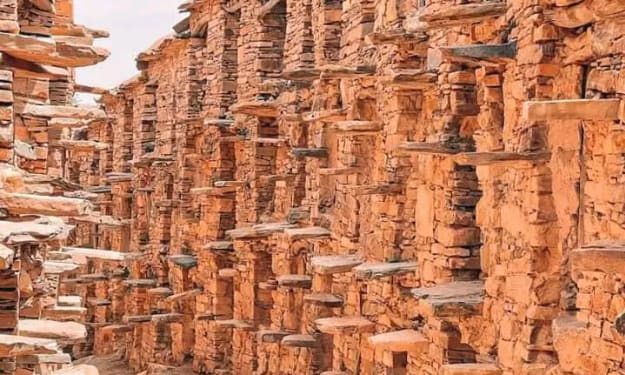
In the rugged landscape of Agadir, Morocco, one can find the remains of a fascinating and ancient form of banking—structures known as “Igudar” (plural for "agadir"). These communal granaries, built by the Amazigh (Berber) people, are much more than simple storage spaces. With their fortified designs, elevated locations, and the sense of collective responsibility that sustained them, Igudar represent an early example of communal wealth management and trust, acting as one of the oldest banking systems in the world. The Purpose and Importance of Igudar For the Amazigh communities of Morocco, the Igudar served a crucial role in preserving both wealth and resources. In an era before banks and vaults, the Igudar were established as places to safeguard essential goods such as grains, olive oil, seeds, and other food items. However, they didn’t stop at agricultural products; these granaries also held jewelry, important family documents, and anything else of significant value. In many ways, the Igudar were designed as communal safety deposits where families entrusted their most important possessions. Each family or individual had a designated section within the granary, allowing them to store personal wealth in a secure place. By protecting resources from both natural and human threats, these granaries helped communities survive challenging times and plan for the future. Architectural Marvels Built for Security What makes the Igudar even more impressive is their thoughtful, strategic architecture. Typically, these granaries were built on elevated or otherwise inaccessible locations—hills, cliffs, or high rock outcroppings—making it difficult for would-be raiders or thieves to approach unnoticed. The structures themselves were fortified with thick walls and often included watchtowers or lookout points to provide an additional layer of security. The doors to these granaries were reinforced and locked, usually made of thick wood or metal that could withstand attempts at forced entry. Each section within an Igudar was sealed off, sometimes with wooden planks and locks, and often marked to indicate the owner. This compartmentalized design offered each family a private, protected area for their goods while contributing to the structure’s overall security. The Amazigh people’s understanding of protection and defense is evident in the Igudar’s design. These granaries weren’t merely storage areas but were built to withstand siege-like conditions if necessary. In essence, they were early fortresses dedicated to the preservation of communal resources, a precursor to the vaults and bank safes of today. How the Igudar Fostered Community Trust Perhaps the most remarkable aspect of the Igudar is the level of trust and cooperation they required. Unlike a modern bank, the Igudar did not have guards or paid overseers. Instead, these granaries relied on a sense of collective responsibility that was shared by all members of the community. Each family respected the others’ spaces, and the trust extended to allowing every family to safely store and access their valuables. The Amazigh people, who have a rich cultural heritage rooted in values of solidarity and mutual respect, ensured that the Igudar were maintained and respected as shared spaces. By pooling resources and creating a collective place for storage, the community was better protected against theft or raids. It’s a system based not just on physical security, but on the cultural principle of amghar—a respected community leader or elder who would act as a custodian and mediator. The amghar might help manage disputes, reinforce community rules, and ensure fair use of resources within the Igudar. This system of cooperation and trust shows an incredible level of social organization. It highlights how the Amazigh valued the welfare of the community above individual gain, with a belief that shared safety was a collective responsibility. Igudar: An Early Model of Wealth Preservation One of the most striking things about the Igudar is how they foreshadowed modern banking practices. At a time when most societies lacked sophisticated systems for securing wealth, the Amazigh people had already created a decentralized, secure way to preserve resources. In this sense, Igudar can be seen as an early example of a shared financial institution, with each family’s portion acting like a deposit in a communal bank. Moreover, the Igudar were more than just physical spaces; they were symbols of resilience and continuity. In communities often impacted by drought, famine, or conflict, these granaries ensured that essential goods were preserved and accessible when needed. Families could rely on their stored grain during lean seasons, or access valuables in times of crisis. This system provided a sense of financial security, which was vital for the survival of rural Amazigh communities. The Enduring Legacy of Igudar Today, many Igudar have fallen into disuse, replaced by more modern infrastructure. However, these ancient structures remain an integral part of Morocco’s heritage. Some Igudar are preserved as historical sites, drawing visitors interested in learning about the unique architectural and social systems of the Amazigh people. They are monuments to an ancient way of life and a testament to the Amazigh values of trust, community, and ingenuity. The Igudar’s legacy continues to inspire scholars and historians, as they represent a form of early wealth management that operated without money or formal banking systems. They illustrate how communities can organize and protect resources collectively, a lesson that remains relevant in today’s world. The trust-based system of the Igudar challenges us to think about modern finance in a new way, highlighting the importance of communal responsibility and cooperation in wealth preservation. Rediscovering the Igudar As more people become aware of the Igudar, there’s a renewed appreciation for these structures and the principles they represent. The Igudar are not only a marvel of historical architecture but also a reminder of how deeply rooted trust and cooperation can sustain communities. In an age where wealth preservation often comes with strict individual ownership, the Igudar reveal a different story—one where shared responsibility and mutual respect create a legacy that lasts. By visiting the Igudar or studying their history, we gain insight into the Amazigh people’s approach to community and self-reliance. The story of the Igudar invites us to reflect on the importance of community and trust, values that remain essential in any society, past or present.
By Deji Akomolafe2 years ago in History
Life before 5000 Years!!!
Around 5,000 years ago, during the late Neolithic period transitioning into the Bronze Age, human life was both challenging and transformative. In many parts of the world, societies began to shift from simple, nomadic hunter-gatherer groups to more settled and complex communities.
By MSK Writes2 years ago in History
The 2024 Melbourne Cup
The 2024 Melbourne Cup, taking place on November 5 at Flemington Racecourse, is set to showcase an exciting blend of international and Australian talent, with top horses competing in Australia’s most prestigious race. Known as "the race that stops a nation," this year’s event brings together a unique lineup of highly skilled runners, each with distinct strengths and impressive backgrounds, promising an unforgettable day for racing enthusiasts worldwide.
By arun singhwal2 years ago in History
"Vlad the Impaler: The Brutal King and His Dark Kingdom"
Dracula in Absolute Life: The Fable of Vlad the Impaler The adventure of Dracula, the abominable vampire who feeds on the claret of the living, is abiding in one of the best air-conditioned abstracts of medieval history:
By Say the truth 2 years ago in History