Books
Echoes of the Sun: A Journey Through Nigeria's Rich Historical Tapestry
In the heart of Nigeria, a land steeped in a vibrant history and diverse cultures, unfolds a captivating tale of heritage, resilience, and the enduring power of unity. Welcome to "Echoes of the Sun," a journey that takes us through the annals of Nigeria's past, painting a vivid picture of its historical tapestry and the indomitable spirit of its people.
By okpala michael3 years ago in History
Fashion in the 1900s
The Evolution of Fashion: A Drastic Transformation in Dressing from the 1900s Introduction: Fashion is a dynamic entity that constantly evolves, reflecting the cultural, social, and technological changes of a society. One area where this transformation is particularly evident is in the mode of dressing. The way people have dressed has undergone a remarkable shift over the past century, with each decade showcasing its unique styles and trends. In this article, we will explore the changing landscape oThe Evolution of Fashion: A Drastic Transformation in Dressing from the 1900s Introduction: Fashion is a dynamic entity that constantly evolves, reflecting the cultural, social, and technological changes of a society. One area where this transformation is particularly evident is in the mode of dressing. The way people have dressed has undergone a remarkable shift over the past century, with each decade showcasing its unique styles and trends. In this article, we will explore the changing landscape of fashion from the 1900s and how it has shaped the way we dress today. The Restrictive Elegance of the Early 1900s: At the turn of the 20th century, the fashion landscape was characterized by rigid and highly structured garments, primarily influenced by Victorian styles. Women's fashion featured corsets, full-length skirts, and high-collared blouses, emphasizing a narrow waistline and an hourglass figure. Men, on the other hand, sported tailored suits with high collars and wide-brimmed hats, projecting an air of formality and social status. The 1940s were heavily influenced by World War II, with clothing reflecting the scarcity of resources. Utility clothing and military-inspired fashion were prevalent. However, the post-war period of the 1950s marked a return to glamour. Christian Dior's New Look, featuring cinched waists, full skirts, and emphasized femininity, revolutionized women's fashion. Men's suits were tailored, accentuating a strong masculine silhouette. The Swinging Sixties and the Revolution of Youth: The 1960s witnessed a radical departure from traditional fashion, as the younger generation began to challenge societal norms. The mini-skirt, popularized by designers such as Mary Quant, became a symbol of liberation and self-expression for women. Men's fashion embraced mod culture with slim-fitting suits, bold patterns, and vibrant colors. The fashion industry saw a shift towards casual and youth-oriented styles, reflecting the cultural and social changes of the time. The Eclectic Styles of the 1970s and 1980s: The 1970s and 1980s brought a mix of contrasting styles. The bohemian influence of the '70s led to flowing maxi dresses, bell-bottoms, and platform shoes. This decade also saw the rise of disco culture, characterized by shimmering fabrics, jumpsuits, and flashy accessories. In the 1980s, fashion became synonymous with excess, power dressing, and bold statements. Shoulder pads, neon colors, and oversized silhouettes became the norm. The Minimalism of the 1990s and the Rise of Casual Wear: The 1990s marked a shift towards minimalism and casual wear. Grunge fashion, popularized by bands like Nirvana, brought about a rebellious and anti-fashion attitude. Ripped jeans, flannel shirts, and combat boots became fashionable. The rise of streetwear and athletic wear also began during this time, setting the stage for the casual and comfortable fashion trends that continue to dominate today. Fast forward to the modern Era (2000s-Present): In the 21st century, fashion has become highly eclectic, with a mix of styles from different eras. There is a focus on personal style, with individuals combining vintage pieces, designer wear, and street fashion to create unique looks. Technology has also played a role,revolutionized the fashion industry with online shopping and social media influencing trends and enabling fashion to be more accessible than ever before. This is just a glimpse of the fashion evolution in the 1900s. Each decade had its unique style, influenced by social, cultural, and economic factors. The subsequent decades further witnessed diverse fashion movements, reflecting changing societal norms and artistic expressions. Conclusion: From the restrictive elegance of the early 1900s to the casual,It's important to note that fashion is subjective and can vary across different regions and subcultures within each era. The above points provide a general overview of the fashion evolution in the 1900s.
By Muhammad Shuaibah Elere3 years ago in History
Beyond the Unknown
In a quiet little town named Oakridge, there lived an ordinary librarian named Alice. She was known for her love of books and her vast knowledge of various subjects. However, Alice had a secret that nobody in the town knew about—an extraordinary fact that would leave people's jaws dropping in astonishment.
By Queen Martha 3 years ago in History
History of Akans
The Akans are an ethnic group in West Africa, primarily concentrated in Ghana and Ivory Coast. They make up the largest ethnic group in Ghana, comprising several subgroups, including the Ashanti, Fante, Akuapem, and Akyem. The history of the Akans is marked by ancient civilizations, powerful kingdoms, and interactions with European colonial powers. Here is an overview of the history of the Akans:
By Emmanuel Acquah3 years ago in History
History and culture of Ghanaian
Ghana, officially known as the Republic of Ghana, is a country located in West Africa. The history of Ghana is rich and diverse, spanning centuries of civilizations and influences from various empires and cultures. Here is an overview of the history of Ghana:
By Emmanuel Acquah3 years ago in History
The Truth About Life After Death
Exploring the Enigma: The Truth About Life After Death Introduction Since ancient times, people have been fascinated by the idea of life after death, which has sparked discussions, sparked spiritual beliefs, and sparked existential concerns. The existence that goes beyond the limits of mortality? We'll take a provocative voyage into the mystique of the afterlife in this post. We seek to enlighten the riddles surrounding the potential for life after death by examining numerous viewpoints, philosophical insights, religious doctrines, and scientific hypotheses.
By Abdul Wahab3 years ago in History
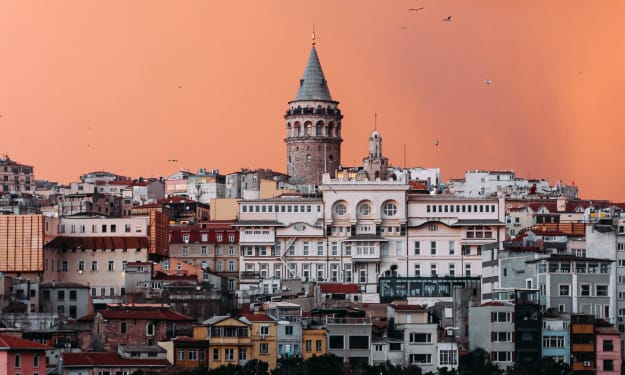
İSTANBUL
The history of Istanbul goes back thousands of years, but the first known settlement dates back to BC. It took place in the 7th century. At that time, there was a city-state called Megara among the city-states in the ancient Greek peninsula. These city-states were the most advanced states of that period economically and culturally. One of the most important reasons for their economic development is their colonization efforts. Byzas, the king of the city-state of Megara, went to the temple of Apollo (the god of wisdom in Greek mythology) in Delphi to find a new colony and consulted the oracle about the most suitable place to colonize. The oracle tells him that he must go to the lands opposite the land of the blind.
By MUHARREM KARADAĞ3 years ago in History