Books
Dear Harriet...Tonight We Run!!!
Dear Readers: I invite you to travel through time to meet some brave and noteworthy souls. There are, throughout history, several powerful first-person accounts of slavery that provide deep insights into the experiences of enslaved individuals. Here are a few notable examples:
By Antoni De'Leon2 years ago in History
The Radiant Love Story of Pierre Curie and Marie Curie. AI-Generated.
In the late 19th century, Paris was a hub of intellectual and artistic activity, attracting some of the most brilliant minds in Europe. It was here that Pierre Curie, a talented French physicist, met and fell in love with Marie Curie, a brilliant Polish mathematician and chemist. Pierre Curie was born in 1859 in Paris, France, to a family of scientists and intellectuals. He was a curious and inventive child, with a passion for science and discovery. Pierre's early research focused on magnetism and piezoelectricity, and he made several important discoveries in these fields. Marie Curie, born Maria Skłodowska in 1867 in Warsaw, Poland, was a brilliant and determined young woman. She was the first woman to win a Nobel Prize, and the first person to win two Nobel Prizes in different fields. Marie's early research focused on radioactivity, and she made several groundbreaking discoveries in this field. Pierre and Marie met in 1894, when Marie arrived in Paris to pursue her research. They were introduced by a mutual friend, and their meeting was a turning point in both of their lives. Pierre was immediately smitten with Marie's intelligence, passion, and beauty, and Marie was drawn to Pierre's kindness, generosity, and scientific expertise. Their courtship was a whirlwind romance, marked by long walks, passionate discussions, and intense scientific collaboration. They were married in 1895, in a civil ceremony in Sceaux, France. Their marriage was a union of love, science, and passion, and it would produce some of the most important scientific discoveries of the 20th century. Together, Pierre and Marie Curie made several groundbreaking discoveries in the field of radioactivity. They discovered two new elements, polonium and radium, and developed a method for isolating and purifying these elements. Their research laid the foundation for the development of nuclear physics, and it paved the way for the discovery of other radioactive elements. Tragically, Pierre's life was cut short in 1906, when he was killed in a street accident in Paris. Marie was devastated by his death, and she spent the rest of her life continuing their research and promoting the legacy of her beloved husband. Marie Curie's later years were marked by personal tragedy and professional triumph. She won a second Nobel Prize in 1911, this time in chemistry, and she continued to make important discoveries in the field of radioactivity. She also founded the Curie Institutes in Warsaw and Paris, which remain major centers of medical research to this day. Marie Curie died in 1934, at the age of 66, from aplastic anemia, a blood disorder likely caused by her prolonged exposure to radioactive materials. Her legacy, however, continues to inspire scientists, researchers, and women around the world. *A Legacy of Love and Science* The love story of Pierre Curie and Marie Curie is a testament to the power of love and science to transform our lives and our world. Their research and discoveries paved the way for some of the most important scientific breakthroughs of the 20th century, and their legacy continues to inspire and motivate scientists and researchers today. Their love story is also a reminder of the importance of collaboration, mutual respect, and support in both personal and professional relationships. Pierre and Marie's partnership was a true union of love and science, and it produced some of the most remarkable discoveries in the history of science. As we reflect on the love story of Pierre Curie and Marie Curie, we are reminded of the enduring power of love and science to transform our lives and our world. Their legacy continues to inspire and motivate us, and their love story remains a timeless tale of passion, science, and tragedy. The love story of Pierre Curie and Marie Curie is a testament to the power of love and science to transform our lives and our world. Their research and discoveries paved the way for some of the most important scientific breakthroughs of the 20th century, and their legacy continues to inspire and motivate scientists and researchers today. Their love story is also a reminder of the importance of collaboration, mutual respect, and support in both personal and professional relationships. Pierre and Marie's partnership was a true union of love and science, and it produced some of the most remarkable discoveries in the history of science. *A Historical Context* The love story of Pierre Curie and Marie Curie took place during a time of great scientific and social change in Europe. The late 19th and early 20th centuries were marked by rapid advances in science and technology, and by significant social and cultural shifts. In this context, Pierre and Marie's love story was a symbol of the changing values and norms of the time. Their marriage was a union of two brilliant minds, and it represented the increasingly important role of women in science and society. *A Lasting Impact on Science and Society* The love story of Pierre Curie and Marie Curie has had a lasting impact on science and society. Their research and discoveries paved the way for some of the most important scientific breakthroughs of the 20th century, including the development of nuclear physics, medicine, and energy. Their legacy also extends beyond the scientific community. Pierre and Marie's love story has inspired generations of scientists, researchers, and women around the world. Their partnership is a testament to the power of collaboration, mutual respect, and support in achieving great things. *A Timeless Tale of Love and Science* The love story of Pierre Curie and Marie Curie is a timeless tale of love and science. Their passion for each other and for their research is an inspiration to us all, and their legacy continues to motivate and inspire scientists and researchers today. As we reflect on the love story of Pierre Curie and Marie Curie, we are reminded of the enduring power of love and science to transform our lives and our world. Their legacy is a testament to the importance of collaboration, mutual respect, and support in achieving great things, and their love story remains a timeless tale of passion, science, and tragedy.*The Radiant Love Story of Pierre Curie and Marie Curie: A Tale of Science, Passion, and Tragedy* In the late 19th century, Paris was a hub of intellectual and artistic activity, attracting some of the most brilliant minds in Europe. It was here that Pierre Curie, a talented French physicist, met and fell in love with Marie Curie, a brilliant Polish mathematician and chemist. Pierre Curie was born in 1859 in Paris, France, to a family of scientists and intellectuals. He was a curious and inventive child, with a passion for science and discovery. Pierre's early research focused on magnetism and piezoelectricity, and he made several important discoveries in these fields. Marie Curie, born Maria Skłodowska in 1867 in Warsaw, Poland, was a brilliant and determined young woman. She was the first woman to win a Nobel Prize, and the first person to win two Nobel Prizes in different fields. Marie's early research focused on radioactivity, and she made several groundbreaking discoveries in this field. Pierre and Marie met in 1894, when Marie arrived in Paris to pursue her research. They were introduced by a mutual friend, and their meeting was a turning point in both of their lives. Pierre was immediately smitten with Marie's intelligence, passion, and beauty, and Marie was drawn to Pierre's kindness, generosity, and scientific expertise. Their courtship was a whirlwind romance, marked by long walks, passionate discussions, and intense scientific collaboration. They were married in 1895, in a civil ceremony in Sceaux, France. Their marriage was a union of love, science, and passion, and it would produce some of the most important scientific discoveries of the 20th century. Together, Pierre and Marie Curie made several groundbreaking discoveries in the field of radioactivity. They discovered two new elements, polonium and radium, and developed a method for isolating and purifying these elements. Their research laid the foundation for the development of nuclear physics, and it paved the way for the discovery of other radioactive elements. Tragically, Pierre's life was cut short in 1906, when he was killed in a street accident in Paris. Marie was devastated by his death, and she spent the rest of her life continuing their research and promoting the legacy of her beloved husband. Marie Curie's later years were marked by personal tragedy and professional triumph. She won a second Nobel Prize in 1911, this time in chemistry, and she continued to make important discoveries in the field of radioactivity. She also founded the Curie Institutes in Warsaw and Paris, which remain major centers of medical research to this day. Marie Curie died in 1934, at the age of 66, from aplastic anemia, a blood disorder likely caused by her prolonged exposure to radioactive materials. Her legacy, however, continues to inspire scientists, researchers, and women around the world.
By Henry Lucy2 years ago in History
The Tragic Love Story of Alexander Pushkin and Natalya Goncharova. AI-Generated.
In the early 19th century, Russia was a land of grandeur and romance, where the aristocracy ruled with elegance and refinement. It was in this world that Alexander Pushkin, the greatest poet of the Russian language, fell deeply in love with Natalya Goncharova, a beautiful and alluring young woman from a noble family. Alexander Pushkin was born in 1799 to a family of minor nobility. From a young age, he demonstrated a prodigious talent for poetry and literature, and he quickly became known as one of the most promising young writers in Russia. Natalya Goncharova, on the other hand, was born in 1812 to a family of wealthy nobles. She was raised in a world of luxury and privilege, where she was expected to marry well and maintain the family's social status. The two met in 1828, when Pushkin was 29 years old and Natalya was just 16. It was a whirlwind romance, with Pushkin swept off his feet by Natalya's beauty, intelligence, and vivacity. Despite their significant age difference, they quickly fell deeply in love, and their romance became the talk of St. Petersburg society. But their love was not without its challenges. Pushkin was a man of modest means, and Natalya's family was opposed to their marriage. They saw Pushkin as a penniless poet, unworthy of their daughter's hand. Despite these obstacles, Pushkin and Natalya continued to see each other in secret, exchanging passionate letters and stolen glances whenever they could. Their love was a flame that burned brightly, but briefly, in the midst of a tumultuous and passionate life. Tragically, their love was cut short by a duel that Pushkin fought in 1837. He was mortally wounded in the duel, and he died two days later, at the age of 37. Natalya was devastated by his death, and she spent the rest of her life mourning the loss of her beloved husband. *A Legacy of Love and Literature* The love story of Alexander Pushkin and Natalya Goncharova is a testament to the enduring power of love and literature. Their romance was a source of inspiration for many of Pushkin's most famous works, including his novel "Eugene Onegin" and his poetry collection "The Bronze Horseman." Their love story has also been the subject of numerous literary and artistic works, including novels, plays, and films. It continues to captivate and inspire artists and writers to this day, a testament to the enduring power of their love. *A Historical Context* The love story of Alexander Pushkin and Natalya Goncharova took place during a time of great social and cultural change in Russia. The early 19th century was a time of rapid modernization and urbanization, which was transforming the country and its values. In this context, Pushkin and Natalya's love was seen as a symbol of the old aristocracy, with its emphasis on elegance, refinement, and tradition. Their romance was a reminder of the enduring power of love and literature to transcend time and circumstance. *A Lasting Impact on Russian Literature* The love story of Alexander Pushkin and Natalya Goncharova has had a lasting impact on Russian literature, influencing the way we think about love, poetry, and romance. Pushkin's works, which were heavily influenced by his love for Natalya, remain some of the most celebrated and enduring in Russian literature. Their love story continues to captivate and inspire artists and writers to this day, a testament to the enduring power of their love. As we reflect on the love story of Alexander Pushkin and Natalya Goncharova, we are reminded of the transformative power of love to inspire creativity, passion, and devotion. The love story of Alexander Pushkin and Natalya Goncharova has had a lasting impact on Russian literature, influencing the way we think about love, poetry, and romance. Pushkin's works, which were heavily influenced by his love for Natalya, remain some of the most celebrated and enduring in Russian literature. Pushkin's poetry, in particular, is renowned for its beauty, elegance, and passion. His poems, such as "I Loved You Once" and "To Natalya", are testament to the enduring power of love and the human spirit. They continue to be widely read and studied today, inspiring generations of poets, writers, and artists. Natalya, too, played an important role in Pushkin's literary career. She was his muse, his confidante, and his greatest supporter. Her love and encouragement inspired Pushkin to produce some of his most brilliant works, including his novel "Eugene Onegin". *A Tragic End* Despite their deep love for each other, Pushkin and Natalya's happiness was short-lived. In 1837, Pushkin was fatally wounded in a duel with his brother-in-law, Georges-Charles de Heeckeren d'Anthès. He died two days later, at the age of 37. Natalya was devastated by Pushkin's death. She was heartbroken, grief-stricken, and alone. She spent the rest of her life mourning the loss of her beloved husband, and she never remarried. *A Legacy of Love* The love story of Alexander Pushkin and Natalya Goncharova is a testament to the enduring power of love and literature. Their romance was a source of inspiration for many of Pushkin's most famous works, and it continues to captivate and inspire artists and writers to this day. Their love story is a reminder that true love can conquer all, even in the face of adversity and tragedy. It is a testament to the human spirit's capacity for passion, devotion, and sacrifice, and it continues to inspire and captivate us to this day. *A Timeless Tale* The love story of Alexander Pushkin and Natalya Goncharova is a timeless tale of love and devotion. It is a reminder that true love can transcend time and circumstance, and that it can inspire creativity, passion, and beauty. As we reflect on the love story of Alexander Pushkin and Natalya Goncharova, we are reminded of the enduring power of love to transform our lives and inspire our creativity. Their story is a testament to the human spirit's capacity for passion, devotion, and sacrifice, and it continues to captivate and inspire us to this day.
By Henry Lucy2 years ago in History
Guamanian: Culture, Language & Heritage
The Guamanian Chamorro people have a unique culture deeply rooted in the Mariana Islands. This chain of islands is in the Pacific. Their culture is a mix of old traditions and new influences. It shows a strong community spirit and respect for their heritage.
By The Big Bad 2 years ago in History
Reevaluating Soy’s Role in Breast Cancer Mitigation: A Comprehensive Reassessment in Nutritional Oncology
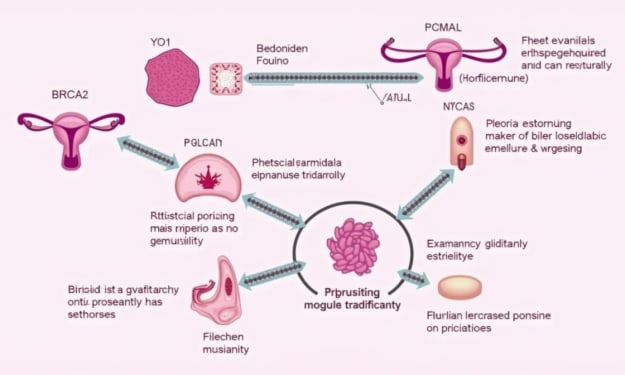
Description: Breast cancer remains a pervasive global health challenge, particularly among women across diverse demographics. Historically, dietary constituents such as soy have faced extensive scrutiny due to their phytoestrogenic properties, which were presumed to potentiate oncogenic pathways. However, an expanding body of rigorous, peer-reviewed research now suggests that soy may paradoxically exert chemoprotective effects against breast carcinogenesis. This scholarly examination critically evaluates the evolving scientific discourse, elucidates clinical implications, and presents evidence-driven recommendations for incorporating soy into comprehensive cancer-preventive strategies. Breast Cancer Etiology: A Multifactorial and Molecularly Complex Paradigm Breast cancer emerges from malignant epithelial transformations within mammary tissues, driven by an intricate interplay of genetic, hormonal, behavioral, and environmental factors. The pathogenesis is underscored by several pivotal determinants: Genomic Susceptibilities: Germline mutations, particularly in BRCA1 and BRCA2, markedly elevate oncogenic potential and necessitate vigilant surveillance. Behavioral and Lifestyle Determinants: Dietary inadequacies, physical inactivity, tobacco use, and alcohol consumption significantly exacerbate cancer susceptibility. Endocrine Modulation: Chronic exposure to elevated endogenous estrogens—arising from factors such as early menarche, delayed menopause, or exogenous hormone therapies—intensifies oncogenic risk. Environmental Carcinogenesis: Exposure to ionizing radiation, industrial toxins, and endocrine-disrupting agents compounds the overall carcinogenic burden. Soy’s Reevaluation: A Paradigm Shift in Oncology Nutrition Soy, once vilified for its high concentration of phytoestrogens—particularly isoflavones—was historically implicated in exacerbating hormone-sensitive malignancies. Contemporary research, however, challenges this reductionist view. Seminal Findings from Emerging Research: Isoflavones as Context-Dependent Estrogen Receptor Modulators: Unlike endogenous estrogens, isoflavones function as selective estrogen receptor modulators (SERMs), preferentially binding to estrogen receptor-β (ERβ) and exerting antiproliferative effects on breast tissue. Recurrence Reduction: Meta-analytic reviews suggest a significant inverse correlation between soy intake and breast cancer recurrence rates, particularly in populations with habitual soy consumption. Enhanced Survival Metrics: Longitudinal cohort studies, particularly in East Asian populations, demonstrate improved post-diagnostic survival metrics associated with sustained soy consumption. Dose-Dependent Protective Efficacy: Quantitative analyses reveal a proportional relationship between soy intake volume and reduced breast neoplasm incidence. 📊 [Insert Infographic: Comparative Analysis of Breast Cancer Recurrence Rates Across Varied Soy Consumption Levels] Molecular Mechanisms Underlying Soy’s Chemoprotective Potential Beyond its phytoestrogenic activity, soy exhibits multifaceted chemopreventive properties through diverse biochemical pathways: Anti-inflammatory Modulation: Soy’s bioactive constituents attenuate pro-inflammatory cascades, notably those mediated by NF-κB and COX-2, implicated in tumorigenesis. Endocrine Equilibrium: Isoflavones modulate estrogen signaling by competitively binding to estrogen receptors, particularly stabilizing hormonal fluctuations in postmenopausal women. Oxidative Stress Reduction: The antioxidative profile of soy reduces reactive oxygen species (ROS)-induced DNA damage, enhancing genomic stability. Epigenetic Regulation: Preliminary investigations suggest soy’s potential role in modulating DNA methylation patterns and histone acetylation, thereby influencing tumor suppressor gene expression. Strategic Dietary Integration: Optimal Soy-Based Nutritional Sources To harness soy’s chemopreventive benefits, the following whole-food sources are recommended: Tofu: A versatile protein source adaptable across diverse culinary applications. Tempeh: A fermented soy product enriched with probiotic compounds that enhance gut microbiota resilience. Soy Milk: A nutrient-dense dairy alternative fortified with calcium and vitamin D. Edamame: A minimally processed source of complete plant proteins. Miso: A probiotic-rich fermented paste containing bioactive peptides. 🥗 [Insert Visual: Curated Display of Nutrient-Dense, Minimally Processed Soy-Based Dishes] Case Study: Integrative Nutritional Oncology from an Indian Clinical Perspective Anita, a 42-year-old educator from Mumbai, was diagnosed with early-stage invasive ductal carcinoma. As part of an integrative therapeutic protocol, her clinical nutritionist implemented a dietary intervention emphasizing increased soy consumption. Over a longitudinal three-year follow-up, Anita’s biomarker profiles remained stable, with notable improvements in energy levels and overall quality of life, underscoring the adjunctive potential of targeted nutritional strategies. Dispelling Misconceptions Surrounding Soy Consumption Misconception: Soy indiscriminately elevates systemic estrogen levels, thereby exacerbating tumor progression. ✅ Clarification: Isoflavones selectively bind to ERβ, exerting antiproliferative effects on breast tissue. Misconception: All soy derivatives confer identical health outcomes. ✅ Clarification: Whole, minimally processed soy sources confer chemoprotective benefits, whereas ultra-processed derivatives may lack similar efficacy. Misconception: Soy negatively affects thyroid function. ✅ Clarification: In euthyroid individuals with adequate iodine intake, moderate soy consumption exerts negligible effects on thyroid hormone regulation. Clinical Guidelines and Evidence-Based Consumption Recommendations Consult with an oncology specialist or registered dietitian prior to significant dietary modifications, especially in hormone-sensitive cases. Prioritize consumption of organic, non-GMO soy products to mitigate exposure to agricultural contaminants. Limit reliance on ultra-processed soy-based supplements unless clinically indicated. Proven Strategies for Breast Cancer Risk Mitigation ✔️ Integrate whole-food, minimally processed soy into daily dietary patterns. ✔️ Engage in consistent physical activity, targeting at least 150 minutes of moderate-intensity exercise weekly. ✔️ Eliminate tobacco use and moderate alcohol intake. ✔️ Undergo routine screenings and clinical examinations for early detection. 🔗 [Link: Indian Cancer Research Foundation for Comprehensive Educational Resources and Support Services] Conclusion: A Reappraisal of Soy’s Role in Breast Cancer Prevention The contemporary scientific consensus necessitates a reexamination of soy’s oncological implications. Rather than functioning as a carcinogenic agent, empirical evidence increasingly suggests that soy exerts protective effects when consumed within a balanced, evidence-informed diet. Personalized nutritional interventions, underpinned by robust clinical research, represent a promising adjunct to conventional cancer therapeutics. 🌟 [Insert Visual: Inspirational Quote from a Leading Indian Oncologist on Nutrition’s Integral Role in Comprehensive Cancer Care] Further Academic Engagement: 👉 Explore our advanced guide on integrative cancer-preventive nutritional strategies. 👉 Subscribe for updates on cutting-edge research in oncological nutrition. 👉 Contribute your clinical experiences with dietary soy—join the scholarly discourse below.
By Kajal Devi2 years ago in History
Echoes of Love in a War
August 14, 1917 My Dearest Evelyn, The trenches are quiet tonight, save for the distant thunder of artillery that never truly ceases. I write to you under the glow of a feeble candle, my hands trembling from the cold and from the memories of you, that warm my heart even in this desolation.
By Haroon Rashid2 years ago in History
The Forgotten Majesty – A Crumbling Palace Lost in Time
The Crumbling Palace: A Forgotten Relic of Time (Part 2) The grandeur of ancient palaces has long captured the imagination of historians and travelers alike. These architectural marvels, once the epicenters of power and culture, now stand as haunting ruins, whispering stories of their glorious past. The passage of time, coupled with natural and human-inflicted damages, has left these structures in a state of slow decay. In this continuation of our exploration into the crumbling palace, we delve into its deteriorating walls, the mysteries hidden within, and the efforts (or lack thereof) to preserve its legacy.
By Say the truth 2 years ago in History
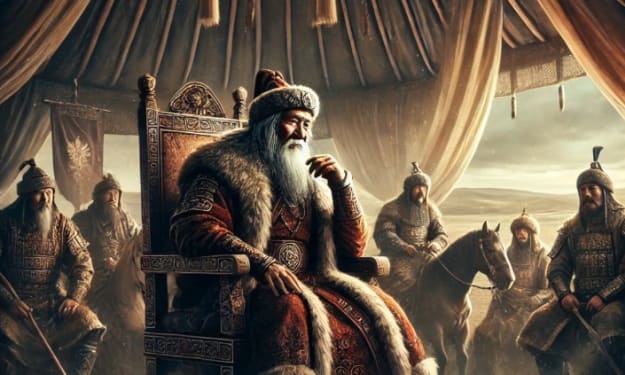
The Final Years of Genghis Khan. AI-Generated.
Genghis Khan’s Last Years and the Enduring Legacy of the Mongol Empire Genghis Khan, the legendary founder of the Mongol Empire, spent his final years consolidating his vast empire, ensuring the stability of his rule, and preparing for the future. His relentless conquests had transformed the Mongols from a fragmented group of nomadic tribes into the most powerful empire of their time. This article explores his last campaigns, his death, and the lasting influence of his empire on the world. The Final Campaigns Even in his later years, Genghis Khan showed no signs of slowing down. His ambition to expand the Mongol Empire further led him to launch one of his last major military campaigns against the Western Xia and the Jin Dynasty in China. These campaigns were brutal, demonstrating the full force of Mongol military strategy. The Western Xia had long been a thorn in Genghis Khan’s side. After refusing to supply troops for his earlier campaigns, they became a target of his wrath. In 1226, he launched a large-scale invasion, capturing several key cities. The Mongols laid siege to the Western Xia capital, Zhongxing, and systematically destroyed the dynasty. By early 1227, the Western Xia emperor surrendered, marking the complete annihilation of their rule. However, Genghis Khan was not done. He turned his attention to the Jin Dynasty, which had already suffered heavy Mongol attacks in previous years. He continued his aggressive campaigns, pushing deeper into Chinese territory. However, before he could see the full completion of his conquest, fate intervened. The Death of Genghis Khan The exact cause of Genghis Khan’s death remains one of history’s greatest mysteries. Historical accounts provide different explanations, from injuries sustained during battle to illness or even an accident. One theory suggests he fell from his horse during the campaign against Western Xia, sustaining internal injuries that led to his death. Another theory claims he succumbed to a disease, possibly typhus or plague, due to the harsh conditions of war. Regardless of the cause, Genghis Khan passed away in August 1227. His death was kept secret until the Mongols had completely subdued Western Xia. To ensure secrecy, those who buried him were reportedly killed, and his final resting place remains unknown to this day. Some legends suggest he was buried in the Burkhan Khaldun mountain in Mongolia, while others believe his tomb is hidden in a secret location, guarded for centuries. Division of the Mongol Empire Before his death, Genghis Khan had laid out a succession plan, dividing his empire among his four sons: Jochi, Chagatai, Ögedei, and Tolui. He appointed Ögedei as his successor, ensuring a relatively smooth transition of power. Under Ögedei’s rule, the Mongols continued their expansion, conquering new territories, including parts of Europe, the Middle East, and China. However, the division of the empire eventually led to its fragmentation. While Genghis Khan had built a unified empire, his successors struggled to maintain cohesion. Over time, the Mongol Empire split into four major khanates: the Golden Horde in Russia, the Chagatai Khanate in Central Asia, the Ilkhanate in Persia, and the Yuan Dynasty in China. Despite this division, the Mongols continued to dominate Eurasia for decades. Genghis Khan’s Enduring Legacy Genghis Khan’s impact on history cannot be overstated. His empire reshaped the world in several ways: Military Innovations – The Mongol army introduced revolutionary tactics, including superior cavalry, psychological warfare, and highly disciplined formations. These strategies influenced warfare for centuries. Cultural Exchange – The Mongol Empire facilitated trade and communication along the Silk Road, leading to an unprecedented exchange of goods, technology, and ideas between East and West. This period of connectivity helped shape modern global trade. Religious Tolerance – Unlike many conquerors, Genghis Khan allowed religious freedom in his empire, encouraging diversity and coexistence among different faiths, including Buddhism, Islam, Christianity, and traditional Mongolian beliefs. Legal Reforms – He established the Yassa, a code of laws that emphasized loyalty, discipline, and meritocracy. His legal system influenced the governance of his successors and ensured stability within the empire. Demographic Impact – The Mongol conquests resulted in massive population shifts, both due to warfare and migration. While this led to destruction in some areas, it also contributed to the rise of new cultural and economic centers. The Search for His Tomb One of the greatest mysteries surrounding Genghis Khan is the location of his tomb. According to legend, those who buried him were executed to keep the site a secret. Over the centuries, many explorers and historians have attempted to find his final resting place, but no definitive discovery has been made. Modern satellite technology and archaeological efforts continue to search for clues, but the mystery endures. Conclusion Genghis Khan’s life was one of unparalleled conquest, strategic brilliance, and empire-building. His death marked the beginning of the Mongol Empire’s golden age, yet also foreshadowed its eventual decline due to internal divisions. Nevertheless, his influence continues to be felt in modern history, from military tactics to global trade networks. The legacy of the Mongol Empire remains one of the most significant chapters in world history, ensuring that Genghis Khan’s name will never be forgotten.
By Say the truth 2 years ago in History
Nothing but Love
My Dearest Angel, The candlelight flickers upon this parchment as I write to you, and I pray that these words find you in good health and high spirits. My heart aches with the weight of distance that separates us, and yet, it beats only for you, with a fervor that time and space cannot diminish. How cruel it is that I must content myself with ink and paper when my soul longs for nothing more than to gaze upon your face and to feel the warmth of your touch.
By Michael Ayensu Asante2 years ago in History
Gregor MacGregor’s Poyais: The Mirage That Fooled a Nation
Imagine strolling through London on May 27, 1821, bundled up against an unexpected late-spring snowstorm. Flurries swirl around you, a dreary reminder that even as summer nears, the weather can turn as sour as the mood on the streets. For the British, grumbling about the weather is practically a national pastime, but that year, the gloom went far beyond the clouds. After two decades of war—think Napoleon, Waterloo, and all the chaos of continental Europe—the nation’s economy was limping along, leaving even the upper crust with little to cheer about. The upcoming coronation of King George IV in July was a rare bright spot, a chance to clink glasses and forget the hard times. But just as despair threatened to settle in, a flamboyant stranger breezed into town, promising paradise and dazzling the city with tales of a distant utopia.
By KWAO LEARNER WINFRED2 years ago in History