Biographies
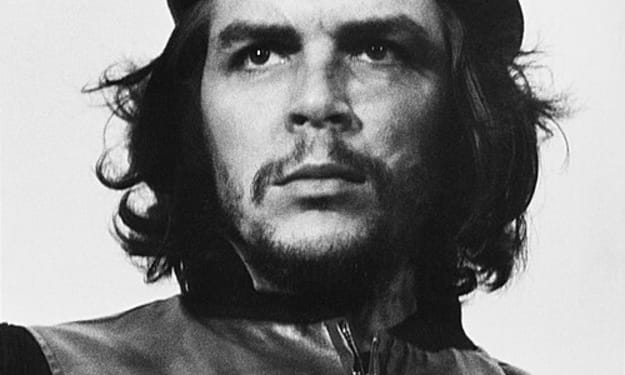
The Enigma of Che Guevara
Few names evoke as much fascination, controversy, and myth as **Che Guevara**. A revolutionary icon, a guerrilla warrior, a medical doctor, and a face immortalized on countless posters—Che’s life is both well-documented and shrouded in legend. Yet, despite his fame, many aspects of his existence remain debated. Was he a hero, a martyr, or a radical whose legacy is more complex than the world acknowledges? This is the story of **Ernesto "Che" Guevara**, pieced together from history, myth, and the enduring whispers of revolution.
By Danyal Hashmiabout a year ago in History
World War III: Shadows of the Past, Weapons of the Future
Shadows of the Past, Weapons of the Future It began with an echo of the past. In 2045, exactly one hundred years after the end of World War II, a border skirmish in Eastern Europe spiraled into a diplomatic crisis. Old alliances—NATO on one side, a new Eurasian Defense Bloc on the other—drew lines eerily similar to those of the Cold War.
By Wings of Time about a year ago in History
The Great War: Flames Across the World (1914–1918)
The summer of 1914 was unlike any other. Across Europe, the skies were clear, markets bustled with life, and soldiers in their pristine uniforms marched in peacetime drills. But beneath the calm surface, political tensions boiled. The assassination of Archduke Franz Ferdinand of Austria in Sarajevo was the spark that set the world ablaze.
By Wings of Time about a year ago in History
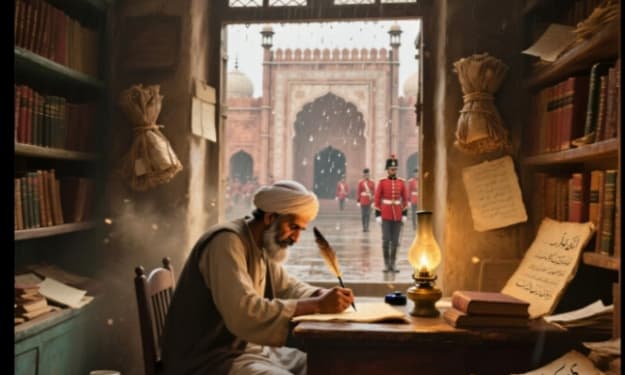
4th August – The Dawn of Freedom
Introduction 14th August is more than just a date in the calendar—it’s a heartbeat in the story of Pakistan. On this day in 1947, a new chapter of history began as Pakistan emerged as a sovereign nation. Born through an epic struggle and countless sacrifices, this day represents freedom, identity, and resilience. For Pakistanis worldwide, 14th August is a symbol of pride and an occasion to renew our promise to build a prosperous future.
By Hamza khanabout a year ago in History
Riding the Roads of Progress: Transportation in 1975
Riding the Roads of Progress: Transportation in 1975 How Innovation and Expansion Shaped a More Connected World In 1975, the world was on the move — quite literally. The transportation systems of the time reflected a period of innovation, expansion, and growing connectivity. As the global population grew and cities expanded, people relied more than ever on diverse modes of transportation to live, work, and explore. Whether by road, rail, air, or sea, 1975 marked a year when the wheels of progress turned with energy and optimism. Highways and the Rise of Personal Travel By 1975, the automobile had become a central part of daily life for millions, especially in countries like the United States, Canada, and parts of Europe. In the U.S., the Interstate Highway System — launched in the 1950s — was still being developed, with over 40,000 miles of roadway connecting cities, suburbs, and rural areas. This vast network transformed how people traveled, making long-distance trips faster and more accessible. Families could now pack into their station wagons and take road trips across the country, exploring national parks, visiting relatives, or just enjoying the freedom of the open road. Gasoline was relatively inexpensive, and car ownership was seen not just as a convenience but a symbol of independence. Cars of the 1970s had their own charm — big, bold, and full of character. While fuel efficiency wasn’t yet a major concern, manufacturers were starting to explore safer and more comfortable designs. Seat belts became more common, and the first signs of environmental awareness were beginning to shape vehicle design and regulation. Public Transit: A City’s Lifeline In urban centers, public transportation remained the backbone of daily commuting. Cities like New York, London, Paris, and Tokyo operated extensive subway systems that transported millions of passengers each day. These underground networks were efficient, reliable, and increasingly important as urban traffic congestion grew. 1975 also saw a renewed interest in improving and expanding bus services. In many cities, public buses were a lifeline for workers, students, and families. They offered affordable and frequent service, often linking neighborhoods to downtown areas, schools, and shopping districts. In some parts of Europe, governments began investing more in clean, efficient public transport, such as electric trams and light rail systems. These efforts reflected a growing commitment to reducing pollution and traffic while making cities more livable. Railways: The Golden Thread of Connectivity Though long-distance rail travel had seen some decline with the rise of the automobile and airplane, trains remained vital in 1975 — especially in Europe and Asia. Countries like France, Germany, and Japan led the way with advanced rail networks, setting new standards for speed and comfort. In 1975, Japan’s Shinkansen — or “bullet train” — was already famous for connecting Tokyo and Osaka in just a few hours. Introduced in 1964, the system had grown significantly by 1975 and symbolized the future of high-speed rail. Meanwhile, in the United States, Amtrak was still in its early years, having been formed in 1971 to consolidate and revive passenger rail service. While it faced challenges, Amtrak provided an important alternative for travelers seeking to avoid the hassle of driving or flying. Air Travel: The Jet Age Soars Commercial aviation had truly taken off by the mid-1970s. Jumbo jets like the Boeing 747 were changing the way people viewed the world, making international travel faster and more accessible to the middle class. Airports around the globe were expanding to accommodate growing passenger numbers. In 1975, air travel was no longer reserved for the elite — it was becoming an option for families going on vacation, businesspeople attending meetings across the country, and students studying abroad. Flying was still a special experience, often marked by formal dress, complimentary meals, and the excitement of seeing the world from above. Looking Forward: Seeds of Sustainability While 1975 was largely a celebration of growth and mobility, it was also a year when early concerns about the environment began to influence transportation policy. The oil crisis of the early 1970s had made governments and citizens more aware of fuel consumption. This sparked interest in alternative fuels, mass transit investment, and cleaner technologies — laying the foundation for the sustainability efforts we see today. Conclusion The transportation system in 1975 was a vibrant, dynamic reflection of a world on the move. From the roar of highway traffic to the quiet efficiency of electric trains, from the excitement of air travel to the daily rhythms of the morning bus commute, this era showcased human ingenuity in motion. While challenges existed — from pollution to congestion — the overall spirit was one of possibility and progress. Transportation in 1975 connected people not just to places, but to opportunities, ideas, and each other. And in doing so, it helped shape the modern world we live in today.
By Muhammad Saad about a year ago in History
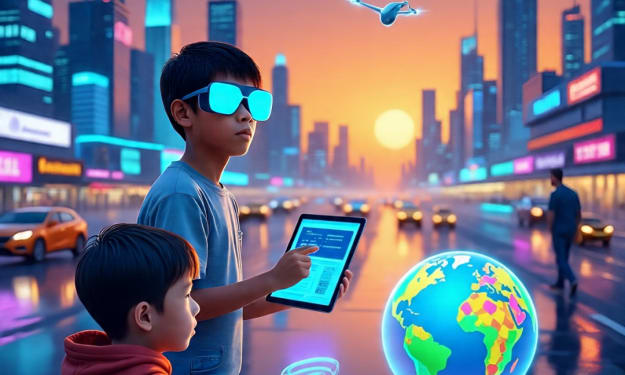
Empowering the Future: The Rise of Modern Technology
In the last few decades, modern technology has rapidly evolved from basic tools and simple computers to powerful innovations that shape nearly every aspect of our lives. From healthcare and education to communication and transportation, technology is no longer just a convenience — it’s a force for global progress, connecting communities and creating opportunities for a better future. One clear example of how modern technology is empowering society can be found in education. In the past, access to quality learning was limited to certain regions and institutions. Today, thanks to the internet, students anywhere in the world can access free or affordable online courses from top universities, interactive learning platforms, and even virtual classrooms. Whether a student lives in a remote village or a bustling city, they can learn programming, languages, science, and more — all from a smartphone or computer. This digital transformation has become even more vital in the wake of global challenges like the COVID-19 pandemic. When schools closed, millions of students continued learning through virtual platforms. Teachers adapted, using video calls, educational apps, and online collaboration tools. Technology became a bridge, ensuring education could continue despite physical barriers. Healthcare has also seen revolutionary changes through modern technology. Wearable devices like smartwatches now monitor heart rates, oxygen levels, and sleep patterns, helping individuals stay informed about their health. More advanced innovations like AI-powered diagnostic tools assist doctors in identifying diseases more quickly and accurately. Robotic surgery, telemedicine, and 3D-printed prosthetics are saving lives and improving patient outcomes. For instance, in developing countries where healthcare access is limited, mobile health apps are helping people receive medical advice, reminders for vaccinations, and even mental health support. These tools are empowering communities to take charge of their well-being like never before. The workplace, too, has transformed. Remote work, once rare, is now a norm for millions around the globe. Video conferencing, cloud storage, and collaboration software allow teams to work together across time zones and continents. This shift has opened doors for professionals who may have previously been excluded due to geography, disability, or family obligations. As a result, businesses are becoming more diverse and inclusive. Moreover, modern technology is changing the way we interact with the environment. Smart energy systems, electric vehicles, and AI-driven climate modeling are helping us build a more sustainable world. Cities are becoming "smart cities" — using data and sensors to reduce energy use, improve traffic flow, and enhance public safety. In agriculture, drones and smart irrigation systems are helping farmers grow food more efficiently and with less waste. Technology is also a powerful tool for creativity and expression. Artists, writers, and musicians now have platforms to share their work with global audiences. Digital tools allow anyone to create and publish, leading to a more inclusive and diverse cultural landscape. Social media, while not without challenges, has given a voice to people and communities previously underrepresented. Of course, with such rapid growth, technology also brings new responsibilities. Data privacy, cybersecurity, and ethical concerns must be addressed thoughtfully. It's important to ensure that the benefits of technology are shared equally and that innovation doesn't deepen existing inequalities. Governments, educators, and tech companies are working together to close the digital divide — the gap between those who have access to technology and those who don’t. Initiatives to provide internet access to rural areas, supply devices to students in need, and train people in digital literacy are essential steps toward a more equitable digital future. As we look ahead, emerging technologies like artificial intelligence, quantum computing, and biotechnology hold even greater potential. AI is already helping researchers find new medicines, translate languages instantly, and create personalized learning experiences. Quantum computers could one day solve problems that today’s machines can’t even approach. Biotechnology may bring cures for diseases once thought incurable. But the true power of modern technology isn’t just in the tools themselves — it’s in how we use them. When guided by creativity, compassion, and a commitment to shared progress, technology becomes a powerful ally in solving humanity’s greatest challenges. In a world where change is constant, one thing remains clear: modern technology is not just reshaping our present — it’s helping us build a brighter, more connected, and more hopeful future.
By Muhammad Saad about a year ago in History
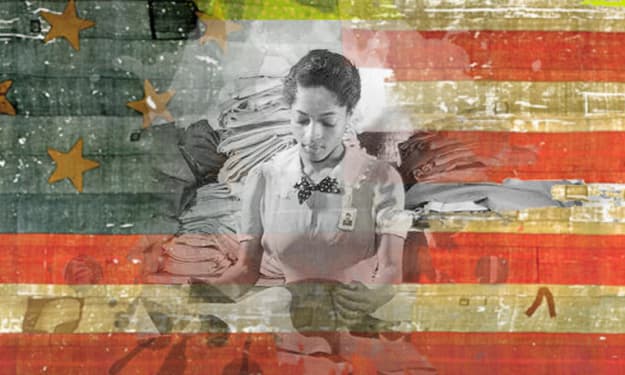
The Unseen Stitches of Grace Wisher
Imagine a young girl, barely 10, her small hands threading a needle under the flickering light of a Baltimore candle. She’s learning to sew, not just to mend clothes, but to craft something monumental-something that would one day wave over a fort and inspire a nation. That girl was Grace Wisher, and her story, tucked quietly into the folds of history, deserves to be unfurled.
By KWAO LEARNER WINFREDabout a year ago in History
Wired for Connection: The Rise of Communication in 1990
Wired for Connection: The Rise of Communication in 1990 How the 1990s Laid the Groundwork for Our Modern Digital World In the early months of 1990, homes and offices buzzed with a symphony of sounds—the ring of corded telephones, the whir of fax machines, the steady clicking of keyboards on boxy desktop computers. It was a time of rapid transformation, a period when communication technologies began evolving faster than ever before. For many, 1990 marked the beginning of a new, connected way of life. In a typical mid-sized office in New York City, Diane, a communications manager, began her day with a cup of coffee and a quick scan of her Rolodex. She had a stack of memos to send, a conference call to coordinate, and several urgent faxes to receive from overseas clients. Just a few years prior, these tasks would have taken days, even weeks. But now, thanks to the growing network of phone lines, satellites, and digital devices, information moved faster than ever. A Year of Transition The communication landscape of 1990 was a fascinating blend of the old and the new. Landline telephones were the cornerstone of both personal and professional contact. It was not uncommon to see people with long coiled cords stretched across their kitchens or office cubicles, deep in conversation. Answering machines with tiny cassette tapes allowed people to leave messages after the beep, offering a small taste of “on-demand” communication. Fax machines had also become a staple of business operations. Documents could be transmitted across continents in minutes, using nothing more than a phone line and a bit of patience. Though the whirring and screeching sounds they made could be grating, the convenience they offered was undeniable. But perhaps the most exciting innovation was the rise of early computer networks. Local area networks (LANs) allowed computers within offices to share files and printers, saving time and boosting productivity. And for those adventurous enough to explore beyond the office, dial-up modems offered a gateway to the nascent internet—a slow and often frustrating experience, but one filled with limitless potential. Global Reach, Local Impact 1990 also marked a turning point in global communication. Satellite technology had advanced to the point where international phone calls became more reliable and affordable. This opened up new opportunities for global collaboration. For example, Diane often worked with partners in Tokyo and London, coordinating projects through a mix of faxes, phone calls, and occasionally, telex—a still-used but fading communication method from previous decades. The world felt smaller. Businesses could expand their reach, families could stay in touch with relatives abroad, and news from across the globe arrived faster than ever. For many, this new speed and accessibility created a sense of optimism. The barriers of time and distance were starting to break down. Seeds of the Digital Age While smartphones and social media were still a distant dream, many of the foundational technologies of today were already taking shape in 1990. Email was slowly being adopted in universities and tech companies, though it was far from mainstream. Bulletin board systems (BBS) allowed users to post messages, download files, and chat in text-based forums—a precursor to modern online communities. Personal computers were becoming more common in homes, especially with the popularity of machines like the IBM PS/2 and the Apple Macintosh. Families used them for everything from word processing to playing simple games, but a growing number of users were also beginning to explore how computers could connect them to the outside world. One of the unsung heroes of this era was the modem—a boxy device that turned digital signals into sound so they could travel over phone lines. Though painfully slow by today’s standards, modems allowed people to connect to services like CompuServe, Prodigy, and America Online. Through these early platforms, users could send emails, join chat rooms, and even read news articles—laying the groundwork for the internet revolution to come. A Look Ahead Looking back, 1990 was not just a year of new tools and gadgets—it was a moment of cultural and technological shift. It was a time when people began to expect faster answers, clearer connections, and more immediate access to information. These expectations would go on to fuel the rapid advancements of the following decade, including the explosion of the internet, mobile phones, and digital media. For Diane and millions like her, 1990 wasn’t about tech for tech’s sake. It was about using communication to build relationships, share ideas, and connect the world in ways previously unimaginable. It was a year that proved something powerful: when people are connected, progress follows.
By Muhammad Saad about a year ago in History