Ancient
Magic at the River's End
**Where the River Meets the Sea** In a quaint coastal town nestled between rolling hills and shimmering azure waters, there was a river that flowed gracefully through the heart of the community. It carried with it stories of times gone by and whispers of dreams yet to be realized. This river, known as Serenity Creek, wound its way through meadows and ancient forests before finally reaching the vast expanse of the sea.
By Saheed AbdulQodir Oladimeji2 years ago in History
The Strange Day When All Clocks Stopped in Paris
Introduction In a surreal twist of fate, a catastrophic flood transformed Paris into a modern Venice, leading to an extraordinary day when every clock in the city stopped at precisely 10:53 PM. This article explores the events surrounding the deluge, the history of timekeeping in Paris, and the remarkable pneumatic clock system that once governed the city's rhythm of life.
By DANIEL AKAM OKO2 years ago in History
History's Footprints
History is a vast tapestry woven with countless events, each leaving an indelible mark on the fabric of our existence. From groundbreaking discoveries to pivotal moments of triumph and tragedy, the past is replete with stories that have shaped the world we live in today. This article delves into some of these remarkable events, tracing the footprints of history and exploring their enduring impact on our society.
By Sazeeb Chowdury2 years ago in History
Prehistoric Human Cultures
Prehistoric human cultures refer to the societies and way of life of humans before recorded history, which spans millions of years, covering the early stages of human evolution through the development of modern Homo sapiens. Here's an overview of major periods and some lesser-known cultures:
By snowycloud2 years ago in History
The 2,000-Year-Old Roman Parade Helmet
In May 2010, a remarkable discovery was made in Cumbria, a picturesque county in northwestern England, by a local treasure hunter using a metal detector. Buried beneath the soil for nearly two millennia lay a beautifully preserved Roman helmet and mask, dating from the late 1st to early 2nd century AD. The helmet, believed to have been used by Roman nobles during cavalry parades, offers a rare glimpse into the ceremonial splendor of ancient Rome’s military tradition. When it was sold at Christie's Auction House in London in April 2023 for an astounding $3.6 million—eight times its estimated value—it became one of the most famous Roman artifacts discovered in the UK. The Roman Cavalry Helmet: Form and Function Unlike the functional, battle-worn helmets worn by Roman soldiers on the frontlines, the Cumbria helmet, with its delicate craftsmanship and ornamental design, was likely used for ceremonial purposes. The helmet and face mask are made from highly polished bronze and feature a Phrygian-style cap—a design inspired by the distinctive conical hats worn by the ancient Phrygians of Asia Minor. This detail alone sets it apart as a high-status object, meant to impress rather than protect. One of the most striking features of the helmet is the solid-cast bronze griffin perched on top of the cap. The griffin, a mythological creature with the body of a lion and the head and wings of an eagle, symbolized strength and guardianship in Roman culture. Its presence on this parade helmet suggests that the wearer was either a person of high rank or a competitor in one of Rome’s elaborate military games, where symbolism and showmanship were paramount. The griffin’s placement atop the helmet was likely intended to catch the light and draw the attention of spectators, adding to the grandeur of the ceremonial events. The face mask itself, with its finely sculpted features, was another important part of the helmet's design. Likely modeled to resemble the idealized face of a Roman noble, the mask would have lent an air of majesty and anonymity to the wearer, transforming them into a living embodiment of Rome’s power and prestige. The expression on the mask is serene, yet powerful, reflecting the Roman ideal of stoic calm even in the face of danger or competition. A Helmet for Cavalry Parades and Sports This helmet was not designed for the battlefield but for appearances at cavalry parades and sporting events, particularly in what was known as hippika gymnasia, or cavalry games. These events, which took place in front of large crowds, were a combination of sport and military drill, with participants showcasing their horsemanship, weaponry, and the wealth of their military unit. The hippika gymnasia were important social and political events within the Roman Empire, often attended by local elites and high-ranking military officers. Nobles and cavalrymen would don ornate armor, including parade helmets like the one discovered in Cumbria, to demonstrate their wealth, skill, and loyalty to Rome. Wearing such a helmet was not only a mark of prestige but also a visual testament to the strength and splendor of the empire. The symbolic griffin, the polished bronze, and the finely crafted mask would have set the wearer apart from other participants, elevating their status among peers and spectators. The Discovery and Auction of the Cumbria Helmet When the Cumbria helmet was discovered in 2010, it quickly became one of the most significant archaeological finds in Britain. The treasure hunter who found it was using a simple metal detector, unaware of the historical treasure that lay just beneath the surface. Once the helmet was unearthed, it was clear that this was no ordinary Roman artifact. Its exceptional preservation and the quality of its craftsmanship set it apart from other finds of its kind. The helmet was carefully studied by experts, who confirmed its age and importance. It was estimated to date back to the late 1st or early 2nd century AD, during a period when Roman rule in Britain was firmly established. The discovery offered valuable insights into the Roman presence in northern England, where the empire’s frontier outposts, such as Hadrian’s Wall, played a crucial role in maintaining Rome’s control over the island. When the helmet was put up for auction at Christie’s in April 2023, it quickly became the subject of intense bidding. Although initially estimated to fetch around $450,000, the final hammer price was a staggering $3.6 million. This far exceeded expectations and underscored the rarity and cultural significance of the artifact. The helmet’s value lies not only in its material but also in the glimpse it provides into the pomp and pageantry of Rome’s cavalry traditions. The Legacy of the Cumbria Helmet The sale of the Cumbria helmet has cemented its place as one of the most important Roman artifacts discovered in Britain, and it continues to captivate historians, archaeologists, and collectors alike. As an example of Roman artistry, it showcases the high level of craftsmanship that Roman metalworkers could achieve, particularly in the creation of ceremonial armor. As a symbol of Rome’s military might, it speaks to the role of spectacle and public performance in the empire’s cultural and political life. Today, the Cumbria helmet serves as a tangible connection to the Roman Empire’s presence in Britain nearly 2,000 years ago. It reminds us of the complex interplay between warfare, ceremony, and social status in Roman society, as well as the empire’s far-reaching influence across Europe. While the helmet may have been worn only for parades and games, its legacy endures, offering modern audiences a rare and fascinating glimpse into the world of ancient Rome.
By Deji Akomolafe2 years ago in History
What Did Wealthy Romans Smell Like?
In 2019, an unexpected discovery was made in the small Spanish town of Carmona. As a resident was digging a swimming pool in their backyard, they broke through the earth and into an underground chamber. What lay beneath was not just empty space but an intact Roman family tomb dating back to the 1st century AD. Six burial urns were found inside, along with various funerary offerings, each shedding light on the Roman customs and beliefs surrounding death and the afterlife. Among these offerings was something extraordinary—a small, delicately carved bottle of quartz crystal containing the perfectly preserved remnants of an ancient perfume. This discovery provides modern scholars with a rare glimpse into what wealthy Romans may have smelled like during their daily lives. Perfumes, oils, and scented ointments were highly prized in ancient Rome, especially among the elite. Used for personal grooming, religious rituals, and as part of funerary rites, these luxurious substances were imported from distant lands, often fetching exorbitant prices. Wealthy Romans spared no expense in acquiring the finest perfumes, which they applied lavishly, scenting not only their bodies but also their clothing, homes, and even their pets. The discovery of this bottle, sealed tightly with a bitumen stopper, allowed modern archaeologists and scientists to take a literal whiff of Roman history. The Discovery in Carmona When archaeologists from Seville were called in to investigate the tomb beneath the swimming pool, they were quick to realize the significance of their find. It was an intact Roman family tomb from the 1st century AD, containing six burial urns and a variety of funerary offerings. One of these offerings was a small, crystal bottle—a delicate object carved from quartz and sealed with a stopper of bitumen, which had successfully preserved its contents for nearly 2,000 years. Typically, such bottles were used to hold scented oils, which were a common part of Roman burial practices. The oils were believed to help the deceased transition to the afterlife, while also serving as a mark of respect and luxury. Perfumes were valuable commodities in Roman society, particularly among the wealthy, who would go to great lengths to display their status through their scents. What Was Inside the Bottle? Given the history of such funerary offerings, archaeologists suspected the bottle contained a scented oil. However, the exact composition of the perfume was unknown until experts employed state-of-the-art technology to analyze the ancient substance without disturbing the bottle’s contents. Using methods like X-ray diffraction, dispersion X-ray spectroscopy, and scanning electron microscopy, scientists were able to determine precisely what this nearly 2,000-year-old perfume was made of. The analysis revealed two key ingredients. First, the base of the perfume was olive oil, which was commonly used by Romans not only for cooking but also as a binder in perfumes. Olive oil was prized for its emollient properties, and in perfume-making, it helped the essence adhere to the skin and last longer. However, the second ingredient was of far more interest: pogostemon cablin, more commonly known today as patchouli. The Scent of Patchouli in Roman Times Patchouli, a plant native to Southeast Asia, is known for its earthy, musky scent. In modern times, it’s often associated with 1960s counterculture, but its history as a luxurious fragrance stretches back much further. The use of patchouli in Roman perfume underscores the vast trade networks that existed in the ancient world. Imported from far-off regions, patchouli would have been a rare and expensive ingredient, accessible only to the wealthiest members of society. The presence of patchouli in this Roman tomb speaks to the sophisticated tastes of the Roman elite. Patchouli’s deep, rich scent would have made a bold statement in a culture where one’s personal aroma was an important indicator of status and refinement. For the woman to whom this bottle was dedicated—believed to have died around the age of 40—the perfume may have been a treasured possession, used to enhance her appearance and her social standing in life, and ultimately, offered as a parting gift in death. Perfume in Roman Society Perfume played a significant role in Roman society, particularly among the upper classes. It was not merely a matter of hygiene or personal grooming but a symbol of wealth, status, and even political power. Emperors, senators, and wealthy citizens were known to use lavish amounts of perfume, imported from the farthest reaches of the Roman Empire. Perfumes were often stored in beautifully crafted bottles made from materials like glass, quartz, or alabaster—luxury items in their own right. The social significance of perfume extended beyond personal use. It was also used in public baths, religious ceremonies, and as gifts to deities. Scented oils were rubbed on the skin after bathing, and homes were often perfumed with aromatic oils, filling the air with exotic fragrances from distant lands. For wealthy Romans, the use of perfume was an essential part of everyday life, marking their status and their connection to the sophisticated, cosmopolitan world of the Roman Empire. The Legacy of Roman Perfume The discovery of this ancient bottle of perfume in Carmona is more than just a remarkable archaeological find. It offers a window into the daily lives of wealthy Romans and their appreciation for the finer things. The fact that the perfume was carefully preserved and buried with the deceased indicates the importance of scent in Roman funerary customs, as well as in their everyday routines. Today, patchouli remains a popular fragrance, used in perfumes and scented products around the world. But its roots stretch back centuries, to the lavish courts and villas of ancient Rome, where the wealthy used it to mark their status and enhance their allure. The discovery in Carmona reminds us that, while much has changed over the millennia, our appreciation for beautiful scents remains as strong as ever.
By Deji Akomolafe2 years ago in History
The Viking Settlements and Expansion in the British Isles
By the mid-ninth century, the Vikings had firmly established themselves across parts of Ireland, Scotland, and England, leaving an indelible mark on the history of the British Isles. These Norse warriors, hailing from Scandinavia, were renowned for their maritime prowess, fearless adaptability, and opportunistic raids. The period from the late eighth century through the mid-ninth century saw these seafaring raiders evolve from opportunistic plunderers to settlers and rulers, carving out domains across the British Isles and leaving a lasting impact on the region's political landscape. Viking Control in Scotland: The Northern Isles and Beyond Viking settlements in Scotland began as raids, but by the mid-ninth century, they had transformed into something more permanent. The Northern Isles, such as Shetland and Orkney, became Viking strongholds, controlled by Norse settlers who integrated into the local communities. These islands, with their strategic position and relatively isolated nature, provided ideal bases for Viking expansion. The Vikings didn't stop at the Northern Isles. They expanded their control into parts of mainland Scotland and the Hebrides, where Norse influence became firmly rooted. Evidence from archaeological excavations suggests that the Vikings not only settled these regions but also influenced local governance, trade, and culture. The kingdom of the Picts in northern Scotland faced significant challenges from these Viking settlers, and much of the power dynamics in the region shifted in response to their presence. The integration of Vikings into Scottish life went beyond simple conquest. Many Norse settlers intermarried with the local population, leading to a blending of cultures and traditions. Norse names, language, and customs left a lasting impact on these regions, and the legacy of the Viking presence in Scotland can still be seen today in place names, folklore, and the genetic makeup of the population. The Viking Shift Toward England While the Vikings found considerable success in Scotland, England quickly became a focal point for their ambitions. Viking raids on England began in earnest during the late eighth century, targeting monasteries, coastal towns, and undefended settlements. These attacks were swift, brutal, and devastating for the local populations, especially given the wealth concentrated in religious centers. As the ninth century progressed, Viking incursions into England intensified. A major factor driving this shift was the actions of King Charles the Bald of West Frankia. In 862, he fortified his territories, making it much more difficult for Vikings to raid and plunder with the same ease they had enjoyed in earlier years. West Frankia, a significant target for Viking raids, had implemented improved defenses, including fortified towns, bridges, and garrisons, reducing the success of Viking attacks. Consequently, the Vikings began to look elsewhere, and England presented a ripe opportunity. English monasteries, known for their vast wealth, were tempting targets for Viking raids. The plundering of Lindisfarne in 793 was one of the earliest and most infamous Viking attacks on English soil, setting the tone for decades of Viking raids to come. Monasteries were often poorly defended, making them easy targets for Viking warriors, who were drawn to the treasure housed within. The Vikings didn't stop at monasteries. Towns and villages across England faced the wrath of the Norse raiders. The Vikings' adaptability allowed them to switch tactics from small raids to large-scale invasions. By the mid-ninth century, they had developed the capability to field armies, rather than just raiding parties. These Viking armies were not merely interested in plunder; they sought to conquer and settle. The Establishment of the Danelaw One of the most significant outcomes of Viking expansion in England was the establishment of the Danelaw. As Viking raids intensified and their presence grew, they began to assert control over large swathes of land in northern and eastern England. The arrival of the Great Heathen Army in 865 marked the beginning of a new chapter in Viking involvement in England. This massive force, comprised of Norse warriors from Denmark, Norway, and Sweden, sought more than just loot—they aimed to conquer. The Great Heathen Army successfully captured several English kingdoms, including Northumbria, East Anglia, and parts of Mercia. Over time, these territories became part of what is known as the Danelaw, an area where Viking laws and customs held sway. The Danelaw covered much of northern and eastern England, and within its boundaries, Norse settlers established communities, farming the land and integrating into the local society. The Vikings in the Danelaw left a significant mark on the legal, social, and cultural landscape of England. Norse law coexisted with Anglo-Saxon customs, and the region became a melting pot of cultures. Viking influence can still be seen today in the place names across northern and eastern England, many of which have Old Norse origins. Towns with the suffix "-by" (meaning "farm" or "settlement" in Old Norse), such as Derby and Whitby, are examples of the lasting Norse legacy in the region. Viking Adaptability and Maritime Prowess One of the key factors behind the Vikings' success in establishing settlements and controlling large territories was their adaptability. Initially seen as raiders, the Vikings quickly learned to exploit the weaknesses of their adversaries, shifting from quick strikes to prolonged campaigns of conquest. Their ability to transition from raiders to settlers and rulers set them apart from other invaders. Their maritime skills also played a crucial role in their expansion. Viking longships were fast, maneuverable, and capable of navigating both open seas and rivers, allowing them to strike deep into the heart of their enemies' territories. The Vikings could raid coastal settlements and quickly retreat before any significant defense could be mounted. Their dominance of the seas gave them a strategic advantage over the more land-bound Anglo-Saxons. Conclusion By the mid-ninth century, the Vikings had established themselves as a formidable force across the British Isles. In Scotland, they controlled the Northern Isles and parts of the mainland, while in England, their raids and invasions culminated in the establishment of the Danelaw. The adaptability and maritime prowess of the Vikings allowed them to expand their influence, leaving a lasting legacy that can still be seen today in the cultural, legal, and linguistic traces they left behind. From raiders to settlers, the Vikings profoundly shaped the history of the British Isles.
By Deji Akomolafe2 years ago in History
The Enigmatic Legacy of the Chumash Painted Cave
Tucked away in the hills near Santa Barbara, California, lies an extraordinary treasure—a small cave, known as the Chumash Painted Cave. The cave is modest in size, but the stories its walls tell are nothing short of magnificent. The Chumash, an indigenous people of California, used the cave as a sacred place, adorning its walls with vibrant, intricate paintings. These rock art images, believed to date back to the 1600s and earlier, continue to captivate visitors and scholars alike, even though the meanings behind them remain lost to time. Known in the Chumash language as Alaxuluxen, the Painted Cave is a living connection to Chumash culture and heritage, serving as both an artifact of the past and a symbol of the enduring presence of the Chumash people today. As one of the few surviving examples of Chumash rock art, it offers us a rare opportunity to peer into the minds and spirits of this ancient society. The Chumash People and Their World The Chumash people once inhabited a large portion of what is now Southern California, including the coastal regions, islands, and inland areas. Their civilization thrived for thousands of years before European contact, and they developed complex social structures, rich spiritual traditions, and a deep connection to the land and sea. The Chumash were skilled craftsmen and traders, creating everything from plank canoes to delicate beadwork, and their trade routes extended far beyond their own territory. Central to Chumash life was their spiritual belief system, which was deeply intertwined with nature. The natural world was not just a place to live but was imbued with sacred meaning, with the landscape, animals, and celestial bodies playing crucial roles in their mythology. The Chumash Painted Cave, with its striking images, was likely part of this spiritual landscape, serving a ceremonial or religious function. The Paintings: A Window into the Past The walls of the Chumash Painted Cave are covered with colorful, intricate designs, created using natural pigments derived from minerals, plants, and charcoal. Despite being centuries old, the paintings still retain their vibrancy, showcasing shades of red, black, white, and yellow. The images are mostly geometric in nature, with circles, spirals, and other abstract shapes forming the bulk of the artwork. There are also depictions of human figures, animals, and celestial symbols, all rendered with a striking level of detail and care. Anthropologists believe that the paintings could date as far back as the 1600s, or possibly earlier. They likely represent various aspects of Chumash life, including their spiritual beliefs, cosmology, and perhaps even historical events. Some scholars speculate that the cave may have been used by shamans or spiritual leaders during important rituals or vision quests. The paintings might have served as a guide, map, or representation of the shaman's journey into the spiritual realm. However, the precise meaning of the paintings has been lost over the centuries. With the arrival of Spanish settlers in the late 18th century, the traditional ways of life for the Chumash were severely disrupted. As missions were established and European diseases spread, many aspects of Chumash culture were either altered or forgotten, including the knowledge that may have once explained the purpose of the cave paintings. The Mystery and Significance of Alaxuluxen Though the original meanings of the paintings remain a mystery, the Chumash Painted Cave is still highly significant. It stands as a testament to the artistic and spiritual expression of the Chumash people, highlighting their connection to the land and the cosmos. Even without fully understanding the symbols, one can feel the power and importance that this cave must have held. For the Chumash today, Alaxuluxen continues to be a cultural and spiritual touchstone. Many descendants of the Chumash view the cave as an enduring symbol of their heritage, and efforts have been made to protect and preserve the site for future generations. The cave and its paintings are considered sacred, and there is a deep respect for the cultural legacy that they represent. Challenges of Preservation The preservation of the Chumash Painted Cave presents significant challenges. Over time, the paintings have been subjected to natural wear and tear, as well as vandalism and exposure to the elements. To help mitigate these threats, the site is now protected by a metal gate, and access to the interior of the cave is restricted. However, visitors can still view the paintings from a safe distance, and there are educational efforts in place to ensure that people understand the cultural importance of the site. In addition to physical preservation, there is an ongoing effort to preserve and revitalize the cultural knowledge and traditions of the Chumash people. Though much was lost during the Spanish colonization and subsequent periods of American rule, the Chumash community continues to work towards reclaiming their language, stories, and spiritual practices. A Lasting Legacy The Chumash Painted Cave serves as a powerful reminder of the resilience and enduring spirit of the Chumash people. While much of their history and culture was disrupted by colonization, the cave paintings offer a glimpse into a time when the Chumash thrived as a sophisticated and spiritual society. For visitors, the site is a chance to connect with California’s ancient past and appreciate the beauty and mystery that still surround this fascinating culture. Alaxuluxen is more than just an archaeological site; it is a living piece of Chumash heritage. As the Chumash people continue to honor their ancestors and reclaim their cultural legacy, the Painted Cave stands as a symbol of their journey—a journey that, much like the cave’s intricate designs, winds through the past and into the future.
By Deji Akomolafe2 years ago in History
The Golden Bust of Marcus Aurelius
In 1939, the tranquil town of Avenches, Switzerland, was thrust into the archaeological spotlight. Deep beneath the soil, hidden for centuries, a golden bust of the Roman Emperor Marcus Aurelius was unearthed during excavations at Aventicum, the ancient capital of the Helvetii tribe. Aventicum, which had been absorbed into the Roman Empire in 15 BC under Emperor Augustus, was once a flourishing Roman settlement, and its ruins are a testament to the grandeur of Rome’s influence in ancient Switzerland. This golden bust, one of the largest and most remarkable artifacts discovered in modern times, is a testament to the opulence and artistry of the Roman Empire. Its survival through centuries of war, conquest, and changing civilizations makes it an exceptional relic, a piece of history that has retained its magnificence against all odds. Aventicum: The Ancient Capital of the Helvetii To fully appreciate the significance of this discovery, it is important to understand the historical context of Aventicum, the city where the bust was found. Aventicum, located in present-day Switzerland, was initially the capital of the Helvetii, a Celtic tribe known for their resistance to Roman conquest. In 15 BC, under Emperor Augustus, the Helvetii were brought under Roman control, and Aventicum was transformed into a Roman colony. The city flourished under Roman rule, growing into an important administrative, economic, and religious center. At its height, Aventicum was home to over 20,000 residents and featured many of the hallmarks of Roman urban design, including a forum, amphitheater, and temples. The ruins of Aventicum still stand today, offering a glimpse into the life of this once-bustling metropolis. Amid the grandeur of Aventicum, the golden bust of Marcus Aurelius stood as a symbol of the emperor’s power and Rome’s dominion over the region. The bust would have been displayed prominently, perhaps in a public space or temple, where it would have been visible to all who visited the city. The craftsmanship and grandeur of the bust reflected the artistic achievements of the Roman Empire, showcasing the wealth, power, and divine status of the emperor. The Remarkable Discovery of the Bust The discovery of the golden bust in 1939 was a moment of excitement and amazement for archaeologists. During routine excavations at Aventicum, a team uncovered a series of Roman artifacts, but nothing could have prepared them for the sight of the golden bust of Marcus Aurelius. The bust, cast in solid gold, was an extraordinary find not only because of its artistic beauty but also because of its rarity. What makes the golden bust of Marcus Aurelius truly exceptional is that it is one of the very few busts from antiquity made from precious metal that survived the ravages of time. Most similar artifacts from this period were melted down for their material value during times of economic hardship, political upheaval, or war. That this bust escaped such a fate is remarkable. The bust is thought to have been created during the reign of Marcus Aurelius, who ruled the Roman Empire from 161 to 180 AD. It is a stunning example of Roman portraiture, capturing the features of the emperor in exquisite detail. Marcus Aurelius, often remembered as a philosopher-king, is depicted with the dignified expression and characteristic beard that have come to symbolize his reign. The bust’s size, craftsmanship, and material suggest that it was intended to honor the emperor and assert his authority in the province of Helvetia. The Artistry of the Roman Empire The golden bust of Marcus Aurelius is more than just a portrait of an emperor—it is a testament to the advanced techniques and high level of artistry achieved by Roman craftsmen. The bust was likely cast using the lost-wax technique, a process in which a wax model is created and then covered in a mold. When the mold is heated, the wax melts away, leaving a cavity that can be filled with molten metal. This technique allowed for incredibly detailed and precise sculptures, as evidenced by the intricate details of Marcus Aurelius’ face and beard. The use of gold also speaks to the prestige and importance of the object. Gold was a symbol of wealth, power, and divine favor in the Roman world, and its use in a bust of the emperor would have reinforced the idea that Marcus Aurelius was chosen by the gods to rule. The shimmering surface of the bust would have caught the light, making it a dazzling sight in its original setting. The Legacy of the Golden Bust Today, the golden bust of Marcus Aurelius is housed in the Musée Romain in Avenches, Switzerland, where it continues to draw visitors from around the world. Its discovery has shed light on the importance of Aventicum in the Roman Empire and provided invaluable insight into the art and culture of the period. For historians and archaeologists, the bust is a reminder of the complex and far-reaching influence of the Roman Empire. It serves as a symbol of the empire’s power, wealth, and artistic achievements, as well as the enduring legacy of Marcus Aurelius, one of Rome’s most revered emperors. For modern viewers, the bust offers a tangible connection to the past, a glimpse into a world that has long since disappeared but whose echoes can still be felt in the ruins of Aventicum and the legacy of Roman civilization. As we gaze upon the face of Marcus Aurelius, carefully sculpted in gold, we are reminded of the grandeur and fragility of human achievement—and of the remarkable discoveries that continue to bring history to life. Conclusion The golden bust of Marcus Aurelius is a rare and extraordinary artifact that stands as a testament to the artistic brilliance of the Roman Empire. Its discovery in Aventicum in 1939 not only highlighted the historical importance of the city but also underscored the legacy of Marcus Aurelius and the enduring influence of Rome. As one of the few surviving golden busts from antiquity, it remains a symbol of both the grandeur and the mystery of the ancient world.
By Deji Akomolafe2 years ago in History
The Oldest Door in Britain: A 1,000-Year-Old Connection to the Anglo-Saxon Past
Hidden within the stone walls of Westminster Abbey, one of Britain's most iconic landmarks, lies an extraordinary relic that has survived the test of time: a wooden door, thought to be the oldest surviving door in Britain. This door, crafted from the timber of the original Anglo-Saxon abbey, is over 1,000 years old and offers a tangible link to England's distant past. Its remarkable age and the history surrounding it make this simple yet enduring piece of craftsmanship a symbol of the nation's rich cultural heritage.
By Deji Akomolafe2 years ago in History
The Sumerians: A Civilization with Advanced Knowledge of Astronomy and Medicine
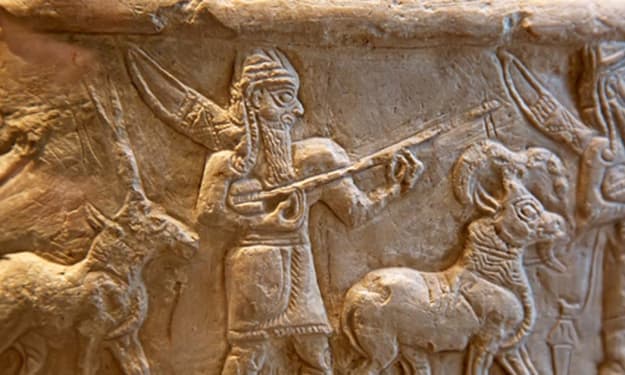
Over 6,000 years ago, in the fertile plains of Mesopotamia, an ancient civilization emerged that would forever leave a mark on the annals of history. The Sumerians, who thrived in what is now modern-day Iraq, are widely recognized as one of the world’s oldest known civilizations. However, their achievements go far beyond establishing early forms of writing, law, and city planning. Recent studies of their ancient texts and artifacts reveal something even more astonishing: their deep knowledge of astronomy, medicine, and what appears to be an understanding of genetic science. Could the Sumerians have possessed knowledge far more advanced than we ever realized? Let’s delve into the mystery of the Sumerians’ profound insights into the cosmos and life itself.
By Deji Akomolafe2 years ago in History