Ancient
Culture Popularity
The cultural practices, values, and preferences of people differ from one community to another. Apart from just values and norms, the culture of communities can also be identified from the types of foods that they eat. Due to the uniqueness of the types of food prepared by people from different cultural backgrounds, food qualifies to be a good example of a cultural artifact. Food is tied to cultural identity because whatever we eat is often highly related to our cultural heritage. Some foods are popular and have even crossed beyond their cultural borders while others are not. One of the most popular foods in the world is bread. Like any other type of food, bread originated from a single cultural community but later managed to spread across various cultural communities.
By Nicholas Mugambi2 years ago in History
Stokesay Castle: England’s Best-Preserved Fortified Medieval Manor House
In the rolling hills of Shropshire, nestled on the outskirts of Ludlow, stands one of England's most remarkable historical sites: Stokesay Castle. With its imposing towers and medieval charm, Stokesay Castle is celebrated as the best-preserved fortified medieval manor house in England. Built in the 13th century by a prosperous wool merchant, the castle has withstood the test of time, allowing visitors a unique glimpse into medieval life through its grand architecture and enchanting surroundings. Its magnificent great hall, largely unchanged for over 700 years, remains the heart of the castle, offering an atmospheric portal to the past for history enthusiasts, architects, and anyone fascinated by England’s rich heritage. The Origins of Stokesay Castle: A Merchant’s Vision The origins of Stokesay Castle date back to the 1280s when Laurence of Ludlow, one of England’s wealthiest wool merchants, commissioned the construction of this grand residence. Unlike many castles of the time, Stokesay was not built primarily for military purposes. Instead, it served as a fortified manor house—a blend of defensive structures and luxurious living spaces designed to reflect the status and success of its owner. Laurence of Ludlow chose an ideal location for his castle: a scenic spot near the River Onny, close to the Welsh border. This position allowed him to monitor the comings and goings of merchants and traders in the region, which was essential for his wool business. To ensure his residence was both secure and comfortable, Laurence combined robust stone fortifications with the refined architectural features of a wealthy manor house. This fusion of fortification and elegance is what makes Stokesay Castle so unique. The Great Hall: A Time Capsule of Medieval Life The crown jewel of Stokesay Castle is its great hall, a magnificent space that remains virtually unchanged since it was built over seven centuries ago. Entering the great hall feels like stepping back in time, as the room’s original timber beams, stone fireplace, and arched windows have been preserved in their medieval splendor. The hall’s high ceilings and timbered roof create an awe-inspiring atmosphere, transporting visitors to an era when the room would have bustled with feasts, social gatherings, and family life. The great hall served as the social heart of the castle, a place where Laurence of Ludlow and his family could entertain guests and conduct business. The room’s design reflects the tastes and wealth of its owner, featuring carved wooden beams, spacious seating areas, and large windows to let in natural light. Remarkably, many of the hall’s original furnishings and features remain intact, making it one of the finest examples of medieval domestic architecture in England. The great hall’s design showcases a blend of practicality and grandeur. The high windows provided natural light during the day while adding an extra layer of security by making it difficult for potential attackers to gain access. The room’s massive fireplace was essential for warmth, while the spacious layout allowed for gatherings of friends, family, and business associates, reinforcing Laurence’s status as a prominent figure in Shropshire society. A Fortified Manor: Balancing Defense and Luxury While Stokesay Castle was designed primarily as a residence, its construction also incorporated elements of fortification. The castle’s exterior is surrounded by a defensive stone wall, and it features two imposing towers that would have provided strategic vantage points for spotting approaching threats. These fortifications reflect the tensions of the time, as border areas like Shropshire were often vulnerable to conflict and raids, especially given the castle’s proximity to Wales. The north tower, with its narrow spiral staircase and small arrow slits, was likely used as a lookout point and a defensive position in times of unrest. Meanwhile, the south tower offers a blend of defense and comfort, featuring decorative woodwork and a charming hexagonal design that adds a touch of elegance to the fortified structure. This blend of aesthetics and defense is characteristic of Stokesay, where the needs for security and luxurious living coexisted harmoniously. One unique feature of the castle is its timber-framed gatehouse, which was added in the 17th century. The gatehouse, with its elaborate carvings and picturesque half-timbered style, contrasts with the stone structure of the rest of the castle, adding a touch of Tudor charm to the medieval building. The gatehouse not only served as an entry point but also as a statement of prestige, signaling the owner’s wealth and status to all who visited. Stokesay Castle’s Preservation Through the Ages What makes Stokesay Castle so exceptional is its remarkable state of preservation. Unlike many castles and manor houses in England, which have suffered from weathering, war, or modernization, Stokesay has remained largely untouched. The castle's enduring structure can be attributed to several factors, including its strong foundations and its relatively peaceful history after the medieval period. Ownership of Stokesay passed through several families over the centuries, each of whom made small modifications but ultimately respected the castle’s original design. By the 19th century, interest in historic preservation grew, and efforts to protect Stokesay Castle began in earnest. In 1869, the Craven family, who owned the property at the time, undertook careful repairs to ensure the building’s structural integrity without compromising its medieval character. In the 20th century, Stokesay Castle was acquired by the Society for the Protection of Ancient Buildings, and later passed to English Heritage, which manages the site today. English Heritage has worked diligently to preserve the castle’s historical authenticity, ensuring that visitors can experience Stokesay much as it would have appeared in the medieval period. Visiting Stokesay Castle Today: A Journey Back in Time Today, Stokesay Castle is open to the public, inviting visitors to explore its storied halls, towers, and gardens. The castle’s rural location near Ludlow adds to its allure, allowing guests to enjoy the surrounding countryside and immerse themselves in the medieval atmosphere. Guided tours offer insights into the castle’s history, architecture, and the lives of the people who once called it home, from Laurence of Ludlow to the families who maintained it through the centuries. For history lovers and architectural enthusiasts, Stokesay Castle offers a rare and intimate look into medieval England. The castle’s well-preserved rooms, original features, and sweeping views of the Shropshire hills make it a compelling destination for anyone interested in England’s past. With its balance of fortified strength and domestic charm, Stokesay Castle stands as a testament to the enduring legacy of medieval architecture and the vision of a wealthy merchant who sought to build a home fit for both comfort and security. Whether exploring the great hall, climbing the towers, or strolling through the castle’s garden, a visit to Stokesay Castle is a journey into a world where history lives on, offering an extraordinary experience of England’s medieval heritage and the timeless beauty of Shropshire.
By Deji Akomolafe2 years ago in History
Bolivia’s Dinosaur Wall: The Fascinating Fossil Record of Cal Orck’o
High above the plains of Sucre, Bolivia, stands one of the most extraordinary paleontological sites in the world: Cal Orck’o, a towering limestone wall measuring 300 feet high and nearly a mile long. This unique site is etched with over 5,000 dinosaur footprints, representing more than 10 distinct species that roamed this ancient land around 65 million years ago. Known as the “Dinosaur Wall,” Cal Orck’o offers a rare and spectacular glimpse into the past, preserving an ancient ecosystem in the form of fossilized tracks. Discovered in the 1990s, Cal Orck’o has captured the imagination of scientists, historians, and travelers from around the globe. The footprints are found in over 462 discrete trails, indicating the rich diversity of dinosaurs that once inhabited this area. Today, Cal Orck’o remains the largest concentration of dinosaur footprints in the world, and its steep, near-vertical wall offers a dramatic window into the Cretaceous period, revealing fascinating insights about the creatures that walked this land millions of years ago. Discovery of the Dinosaur Wall The discovery of Cal Orck’o’s dinosaur wall came about by accident in 1994, during limestone mining operations by FANCESA, a cement company. Workers had begun extracting material from the large cliffside when they noticed unusual imprints in the rock. The imprints, as scientists would later confirm, were dinosaur footprints—thousands of them. The presence of such well-preserved tracks immediately attracted the attention of paleontologists and other experts, who were stunned by the sheer number and diversity of the footprints. The cliffside's limestone, deposited in a lakebed millions of years ago, had hardened over time, capturing the impressions left behind by dinosaurs. As tectonic activity pushed the land upwards, the lakebed was gradually tilted to an almost vertical position, preserving the prints on what is now a steep wall. This geological process created a breathtaking display of fossilized trails that stands as a testament to the region's ancient history. A Remarkable Diversity of Species Cal Orck’o’s dinosaur tracks cover a fascinating range of species, including both herbivorous and carnivorous dinosaurs of different sizes and shapes. Scientists have identified at least 10 distinct species at the site, showcasing the ecological diversity of the Late Cretaceous period. Among the most notable tracks are those attributed to the titanosaurs, enormous long-necked herbivores that weighed up to 70 tons. Their tracks are some of the largest found on the wall, measuring over three feet in diameter. Also present are footprints from theropods, a group of bipedal carnivorous dinosaurs, which included smaller predators as well as large species like Abelisaurus. These three-toed tracks stand out for their sharp claw imprints, suggesting a predatory lifestyle. Another exciting discovery includes the tracks of Ankylosaurus, a heavily armored herbivore, and hadrosaurs, duck-billed dinosaurs that roamed in herds. Each species left its unique mark on the ancient lakebed, creating a layered and dynamic record of dinosaur movement and behavior. The footprint trails also reveal some intriguing details about the dinosaurs' interactions with their environment. For example, the direction and spacing of certain trails suggest that the area might have served as a migratory route or a gathering spot, where dinosaurs came to feed, drink, or perhaps seek shelter. The footprints tell a story not only of individual dinosaurs but of entire groups moving together, showcasing the complex social behaviors of these ancient animals. An Ancient Landscape Frozen in Time One of the most awe-inspiring aspects of Cal Orck’o is the level of preservation in these footprints. The site’s limestone wall, once part of a vast lakebed, acted like a soft, muddy surface that captured the details of each dinosaur’s footprint as they walked along the shore. As sediment continued to accumulate over the prints, they became buried and preserved, effectively “freezing” the movements of these animals in time. Over millions of years, tectonic forces transformed this horizontal lakebed into a vertical wall. The wall, nearly 70 degrees in inclination, provides a spectacular view of the footprints, revealing trails that stretch vertically across its surface. As visitors gaze up at the towering cliff, they are essentially looking back in time, witnessing the ancient paths of dinosaurs that lived during the last days of the Cretaceous period, shortly before the mass extinction event that would wipe them out. Challenges in Preserving the Dinosaur Wall Despite its historical and scientific significance, Cal Orck’o faces challenges in preservation. Natural erosion, driven by rain, wind, and seismic activity, threatens the integrity of the wall and the dinosaur tracks. Without intervention, there is a risk that some of the precious footprints could eventually fade or be lost. To address these concerns, local authorities, along with paleontologists and preservation experts, have implemented measures to protect and stabilize the wall. These efforts include the construction of a shelter that reduces water runoff and the monitoring of the wall’s structural stability. Additionally, the Dinosaur Park at Cal Orck’o was established to promote the site and raise awareness of its importance. The park provides visitors with guided tours and educational exhibits, explaining the significance of the dinosaur tracks and the paleontological research that continues to take place at the site. Through these initiatives, the park has become a center for both tourism and education, drawing attention to the need for continued conservation efforts. The Significance of Cal Orck’o in Paleontology Cal Orck’o offers scientists an unprecedented opportunity to study the behavior, movement, and environment of dinosaurs from 65 million years ago. Unlike traditional fossilized skeletons, which provide information about dinosaur anatomy, the footprints at Cal Orck’o allow paleontologists to observe how these animals interacted with their habitat. The spacing, direction, and depth of the tracks offer clues about the dinosaurs’ speed, size, and gait, helping researchers piece together aspects of their daily lives. The diversity of tracks also enables scientists to study the ecological relationships between different species, such as predator-prey dynamics and herd behavior. This information is invaluable in reconstructing the prehistoric ecosystem, giving us a glimpse into the lives of creatures that dominated the Earth long before humans. Conclusion Bolivia’s Dinosaur Wall at Cal Orck’o is far more than just a collection of footprints; it is a living record of life during the Cretaceous period, preserving the stories of species that thrived before the age of mammals. This remarkable site stands as one of the most extensive and diverse dinosaur trackways in the world, drawing visitors and researchers eager to uncover its secrets. As we marvel at the footprints left behind by massive titanosaurs, swift theropods, and lumbering ankylosaurs, we are reminded of the incredible diversity of life that once existed on Earth. Cal Orck’o remains a powerful reminder of our planet’s deep history and a testament to the resilience of natural records that have withstood the test of time.
By Deji Akomolafe2 years ago in History
"The Lost King: The Legend of Tutankhamun and the Secrets of His Tomb". AI-Generated.
"The Lost King: The Legend of Tutankhamun and the Secrets of His Tomb" The Discovery of King Tutankhamun’s Tomb In the midst of hot, dusty air, explorers made a small opening in the sealed plaster wall of an ancient Egyptian tomb. No one had seen this royal site in 3,000 years, and the explorers didn’t know what they might find inside.
By Mhmd Fathi 2 years ago in History
"The Unopened Mysteries of Padmanabhaswamy Temple: Vault B and Its Untouched Treasure Worth $22 Billion"
The Actual Acceptation of Padmanabhaswamy Temple The Padmanabhaswamy Temple has abysmal roots in Indian history, dating aback to about the 8th century. It is a axial abode of adoration for the Travancore aristocratic family, who accept historically acted as the custodians of the temple. According to legend, King Marthanda Varma committed the absolute commonwealth of Travancore to Lord Padmanabha in the 18th century, declaring himself and his birth as agents of the deity. This act of adherence apparent the alpha of the temple’s affiliation with the aristocratic ancestors and adapted it into a above religious and cultural hub in the region. For centuries, admirers and the Travancore royals offered abundant donations, including gold coins, jewelry, and adored stones, which accumulated in the temple’s vaults. These offerings, advised to annual Lord Padmanabha, contributed to a allegorical accession of treasures.
By Say the truth 2 years ago in History
The Old Tree of Eldergrove. AI-Generated.
**Title: The Old Tree of Eldergrove** In a small village nestled between misty mountains and rolling hills, there stood an ancient tree known as the Eldergrove Oak. Its gnarled branches reached toward the sky like wise arms embracing the world, and its trunk was so wide that it would take ten children holding hands to encircle it. The villagers revered this tree, believing it to be a guardian of their land, holding centuries of stories within its bark.
By MSK Writes2 years ago in History
The Legacy of George Washington. AI-Generated.
**Title: The Legacy of George Washington** In the bustling town of Mount Vernon, Virginia, lived a man whose reputation echoed across the colonies: George Washington. Born in 1732, he grew from a curious young boy into a determined leader, embodying the spirit of the American colonies yearning for independence.
By MSK Writes2 years ago in History
Ram Shalaka and Hanuman Chalisa: Tools of Devotion and Guidance in Hindu Tradition. AI-Generated.
In the realm of Hindu devotion, few practices are as deeply cherished and spiritually enriching as the use of the Ram Shalaka and the recitation of the Hanuman Chalisa. Both are invaluable tools that have inspired and comforted devotees for centuries. While Ram Shalaka offers a form of divine guidance and insight, the Hanuman Chalisa empowers the devotee with protection, strength, and a reminder of the virtues of selfless service and unwavering devotion. Together, these sacred tools encourage spiritual growth, courage, and clarity. Here, we’ll delve into the unique significance and purpose of Ram Shalaka and Hanuman Chalisa, uncovering how they continue to serve as powerful aids for millions on the path of devotion.
By Gourav chouhan2 years ago in History
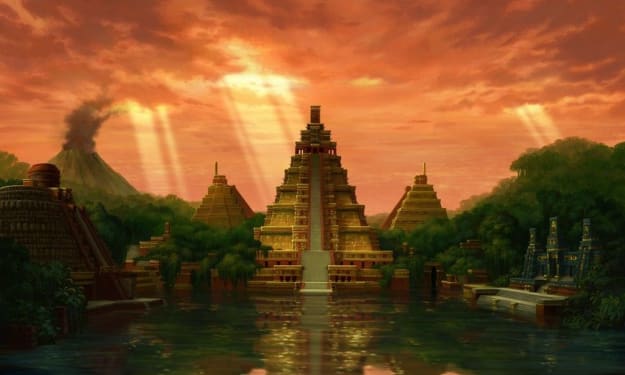
The Mystery of El Dorado: The Quest for the Legendary City of Gold
The Mystery of El Dorado: The Quest for the Legendary City of Gold The legend of El Dorado, the "Golden One," has captivated explorers, historians, and adventurers for centuries. Rooted in tales of vast riches hidden within the jungles of South America, El Dorado was said to be a city of incredible wealth, filled with gold and precious stones beyond imagination. This enduring legend spurred countless expeditions, many of which ended in failure, tragedy, or mystery. Today, while the physical city of El Dorado may be lost or may never have existed, its story remains one of history’s most enduring mysteries.
By Say the truth 2 years ago in History
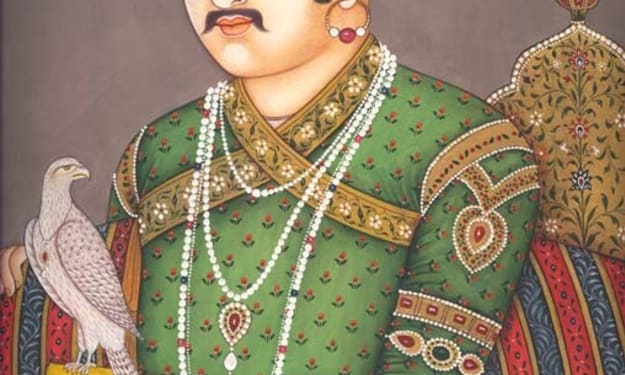
"Shah Jahan: A Journey Through the Mughal Empire's $Trillion Dollar Legacy"
Shah Jahan’s administration not alone showcased his amazing abundance and absurd affairs but additionally resulted in some of the best iconic symbols of Mughal opulence, such as the acclaimed Peacock Throne. Here’s a abundant attending at this cogent antiquity and an estimated assay of his net worth. Peacock Throne Description and Design: The Peacock Head (Takht-i-Taus) was an abundant bench commissioned by Shah Jahan in the 1630s. The head was elaborately advised with intricate carvings, featuring two peacocks with their cape advance out, fabricated of adored stones like rubies, emeralds, and diamonds. The peacocks adumbrated adorableness and grace, apery the emperor’s ascendancy and magnificence.
By Say the truth 2 years ago in History
The Evolution of History: Understanding Our Past for a Better Future
History is not merely a collection of dates and events; it is a comprehensive narrative that weaves together the experiences, struggles, and triumphs of humanity. As we delve into the study of history, we find not only a record of our past but also a framework that shapes our identity and informs our future. This article explores the evolution of history as a discipline, its significance, and the lessons it imparts for contemporary society.
By Marius Lungu2 years ago in History
The Kolar Gold Fields: History, Wealth, and the Legacy of India’s Golden Mines
The Kolar Gold Fields: History, Wealth, and the Bequest of India’s Aureate Mines The Kolar Gold Fields (KGF), amid in the Kolar commune of Karnataka, India, were already one of the centermost and best advantageous gold mines in the world. Accepted for their affluent deposits of gold, KGF has a acclaimed accomplished that reflects both the amplitude and challenges of mining in India. For over a century, the mines at KGF produced gold that not alone accomplished the arena but additionally larboard a abiding appulse on India's mining history and cultural memory.
By Say the truth 2 years ago in History