Ancient
Papua New Guinea’s Central Province: A Rich Tapestry of Culture and Customs
Papua New Guinea’s Central Province, located along the southeastern coast, is known for its breathtaking landscapes, from rugged mountains to pristine beaches. This province is equally fascinating for its people, who are steeped in traditional customs and a vibrant cultural heritage. The diversity within Central Province, with its many different communities and languages, has fostered unique traditions that continue to thrive despite modernization. This article explores some of the notable customs and cultural practices that define the people of Central Province. Language and Identity Papua New Guinea is home to over 800 languages, and Central Province contributes significantly to this linguistic diversity. The Motu language, widely spoken in Central Province, is one of the region’s most prominent languages, and the unique Hiri Motu dialect serves as a lingua franca across several coastal communities. Language is central to identity in Central Province, with each community cherishing its linguistic heritage. Rituals, oral histories, and myths are passed down through generations in these local languages, preserving the people’s identity and deep connection to their land and ancestors. The Hiri Trade Tradition One of the most celebrated cultural practices in Central Province is the Hiri trade tradition. This historical trade network connected the people of the coast with inland and island communities, particularly the Gulf Province. The Hiri voyages were undertaken in large, wooden sailing canoes called “lakatois,” which were crafted from special trees and decorated with unique symbols. These voyages were significant both economically and socially, as they facilitated the exchange of goods, such as clay pots, sago, and shells, and strengthened inter-community relationships. The Hiri trade tradition is commemorated in an annual Hiri Moale Festival, where the history and heritage of this ancient practice are celebrated through canoe races, dances, and the crowning of the Hiri Queen. This festival is a vibrant showcase of Central Province’s pride in its maritime history and serves as an opportunity for younger generations to learn about and connect with their ancestors’ way of life. The Significance of Dance and Music Dance and music are integral to the cultural expression of Central Province. Traditional dances, known as “meke,” are performed at special events, from weddings and celebrations to rituals that honor ancestors. These dances are highly symbolic, often representing stories of creation, warrior legends, or the province’s natural elements. Dancers wear costumes made from materials like feathers, shells, and plant fibers, each costume design unique to the specific community and purpose of the dance. Music accompanies these dances, with drums (known locally as kundu drums) playing a central role. Drums are carved from hardwood and painted with traditional designs, representing a family’s or clan’s history. In Central Province, music is also a storytelling medium, with songs sung in local dialects and handed down across generations. These musical traditions help preserve the people’s connection to their ancestral lands and natural environment. Marriage and Family Life Marriage customs in Central Province reflect the community-oriented nature of local society. Marriages are often arranged with the aim of strengthening ties between families and communities. While the details of marriage ceremonies vary among communities, the process generally involves negotiations between families, with bride price (gifts or money given to the bride’s family) playing a significant role. This exchange is not merely transactional; it represents a commitment from both families to support the union and its future offspring. Family life in Central Province is communal, with extended family units living together and sharing responsibilities. Elders are highly respected and play a vital role in decision-making, with younger members expected to listen to their guidance. This respect for family and community bonds is deeply embedded in the culture, emphasizing the importance of mutual support and harmony within the clan. The Role of Spirituality and Taboos Central Province’s culture is deeply spiritual, with beliefs rooted in respect for nature and the spirits of ancestors. Many communities observe specific taboos that govern their daily lives, often based on ancestral teachings. These taboos might dictate how certain plants or animals should be treated or prohibit actions that could disrupt the spiritual harmony of a place. Respect for nature and the environment is woven into these customs, underscoring a collective responsibility to preserve the land and sea that sustain them. Traditional healers, or “sorcerers,” also hold an esteemed position within Central Province communities. These individuals are believed to have a unique connection with the spirit world and are called upon for healing, guidance, or protection. In addition, rituals that honor ancestral spirits are regularly practiced, especially in times of crisis or during important milestones like births and deaths. Conclusion Central Province in Papua New Guinea is a region rich in cultural heritage, where ancient customs and modern life blend to create a unique identity. Through the Hiri trade tradition, dance and music, communal family life, and deeply rooted spiritual beliefs, the people of Central Province maintain a strong connection to their ancestral traditions. As they navigate the challenges of modernity, these cultural practices provide a source of identity, resilience, and unity, ensuring that the customs and stories of Central Province continue to thrive for generations to come.
By Grace Guise2 years ago in History
Amaran movie review
Amaran movie review Here’s a detailed review of *Amaran*, the Tamil biographical drama directed by Rajkumar Periasamy and starring Sivakarthikeyan and Sai Pallavi. Based on the life of Major Mukund Varadarajan, the film is an emotionally charged tribute to a real-life hero, blending romance, bravery, and duty. Here’s a breakdown of the film’s various elements:
By Mahalakshmi2 years ago in History
"The Great Emu War of 1932: When Australia Took on Its Feathered Foes"
The Great Emu War: Australia’s Unlikely Action Adjoin Birds In 1932, in one of the added abnormal capacity of Australian history, the nation begin itself in a atrocious struggle—not adjoin an army of soldiers but adjoin bags of large, flightless birds accepted as emus.
By Say the truth 2 years ago in History
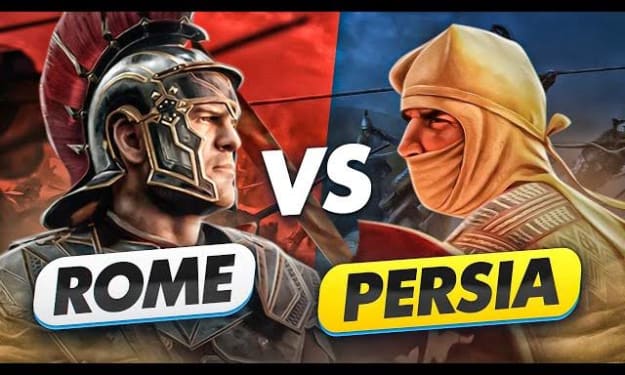
The Rivalry Between The Romans And The Persians.
The rivalry between the Romans and the Persians is one of the most significant and prolonged conflicts in ancient history, spanning several centuries and marked by a series of wars, diplomatic maneuvers, and cultural exchanges. This epic struggle not only shaped the political landscape of the ancient Near East but also had lasting impacts on the cultures and societies of both empires.
By Mohamed Hassan2 years ago in History
The 2024 Melbourne Cup
The 2024 Melbourne Cup, taking place on November 5 at Flemington Racecourse, is set to showcase an exciting blend of international and Australian talent, with top horses competing in Australia’s most prestigious race. Known as "the race that stops a nation," this year’s event brings together a unique lineup of highly skilled runners, each with distinct strengths and impressive backgrounds, promising an unforgettable day for racing enthusiasts worldwide.
By arun singhwal2 years ago in History
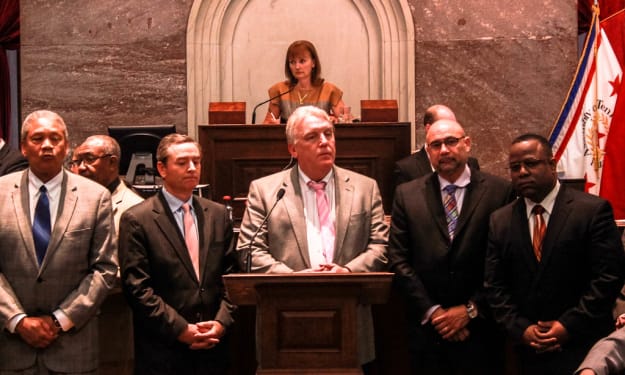
10 Examples of Official U.S. Government Apologies
Over the course of its nearly 250-year history, the US government has adopted decisions that have seriously harmed a number of communities, frequently in the name of erroneous national objectives or policies. Formal apologies have been offered by the government on occasion, although these are usually made much later and usually dont include significant reparations. Since these apologies don't usually lead to significant reparations, critics frequently see them as primarily symbolic. Even if they don't completely remedy the harm done, such statements of sorrow can nevertheless promote a feeling of accountability and help confront previous injustices. These ten noteworthy cases, each representing a turning point for the affected communities, show how the US government has formally apologized for previous practices.
By Brian Wright2 years ago in History
"Vlad the Impaler: The Brutal King and His Dark Kingdom"
Dracula in Absolute Life: The Fable of Vlad the Impaler The adventure of Dracula, the abominable vampire who feeds on the claret of the living, is abiding in one of the best air-conditioned abstracts of medieval history:
By Say the truth 2 years ago in History
The Hiri Trade in Papua New Guinea
Trade System in Port Moresby, Papua New Guinea Papua New Guinea (PNG) has a rich history of traditional trade systems, which were integral to the lives and culture of its people long before European contact. In particular, Port Moresby, the capital of PNG, was historically a bustling center for trade, driven by the Motu-Koita people who developed a unique trading system known as the hiri trade. This ancient practice played a crucial role in fostering social ties, spreading goods, and connecting various communities along the coastlines of New Guinea and its offshore islands. The Hiri Trade System The hiri trade was a highly organized and ceremonial trading expedition carried out by the Motu people from the Port Moresby area. The Motu were primarily fishermen and potters who relied on maritime skills to navigate along the southern coast of Papua New Guinea. Due to the dry and arid climate in the Port Moresby region, the Motu faced limited agricultural output. As a result, they lacked resources like sago and other foodstuffs that were abundant in the wetter Gulf Province to the west. To address this, the Motu people began making annual voyages across the Gulf of Papua in large, intricately constructed canoes known as lakatoi. These canoes, which could be over 20 meters long, were made from logs bound together and equipped with triangular sails. These journeys would often involve several days of travel in sometimes treacherous seas. To undertake these journeys, the Motu developed navigational expertise and carefully planned logistics to ensure a safe and productive expedition. The Trade Process The primary goods traded by the Motu were pottery items, which were highly valued along the coast and used in daily life for cooking and storage. Motu pots were crafted through traditional techniques, using clay sourced from specific areas around Port Moresby. These pots were both practical and symbolic, reflecting the artisanship and culture of the Motu people. In exchange for their pottery, the Motu traders obtained sago, a starchy food derived from the sago palm, which was a staple for the Gulf Province people. They also traded for other essential goods like areca nuts, fish, and decorative items. This trade was reciprocal; while the Motu received food resources, the Gulf people gained valuable pottery that they could not produce themselves. Once the Motu traders arrived at their destinations, they participated in a well-established bartering system. There was often a ceremonial aspect to the trading, with elders and clan leaders facilitating exchanges and ensuring fair trade practices. Relationships forged through the hiri trade helped prevent conflict, as communities that traded together developed social ties and mutual respect. Socio-Cultural Significance The hiri trade was more than just an economic activity; it was a cultural institution embedded in the Motu-Koita society. The voyages were accompanied by rituals and traditions, including prayer and sacrifice, to ensure a successful journey and safe return. They were also a rite of passage for young Motu men, marking their transition into adulthood through participation in these risky and challenging expeditions. Each year, the hiri expeditions became a community-wide event, creating a sense of pride and shared identity among the Motu-Koita people. The arrival of the lakatoi canoes upon their return was celebrated with dances, feasting, and storytelling, strengthening communal bonds and celebrating the endurance and bravery of the voyagers. Decline and Legacy The hiri trade continued until the early 20th century when colonial influences, modern transportation, and the introduction of currency and new economic structures diminished its role. However, the legacy of the hiri trade remains a vital part of the cultural heritage in Port Moresby and PNG at large. Today, the Hiri Moale Festival commemorates this historic trade, celebrated with traditional dances, canoe races, and a showcase of Motu-Koita arts and crafts. This annual festival is not only a celebration of history but also a means of preserving and educating new generations about the significance of traditional trade systems. By honoring the hiri trade, Papua New Guineans remember the ingenuity, resilience, and skill of their ancestors who forged connections and sustained their communities through resourceful trade practices. --- Through the hiri trade, Port Moresby was more than a point of commerce—it became a hub of cultural exchange and a testament to the adaptability and ingenuity of the Motu-Koita people. This ancient trade system highlights the interconnectedness of societies and the vital role of exchange in sustaining life and culture in Papua New Guinea.
By Grace Guise2 years ago in History
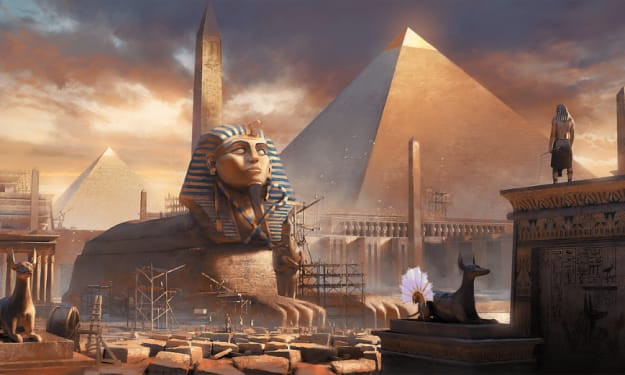
"Pillars of Eternity: The Engineering Marvels of Ancient Egypt"
The Egyptian Pyramids: An Overview The agent of the Egyptian pyramids is an alluring adventure through age-old beliefs, architectural advancements, and evolving burying practices. Long before the majestic pyramids of Giza were built, ancient Egyptians buried their dead in simple pits in the desert.
By Say the truth 2 years ago in History