Ancient
Comfort Women: The Silence and Strength of Their Stories. Content Warning.
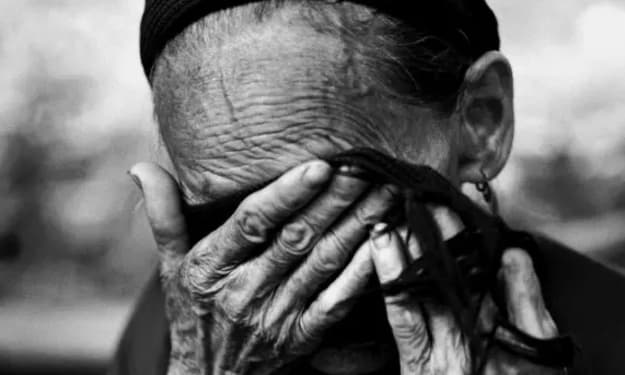
The details of their enslavement remain painful and controversial in Japan and the former occupied countries, despite the fact that the first women were forced into sexual slavery for Imperial Japan nearly a century ago. The subjugation of women is not well documented; only a small percentage of "comfort women" survived the war, with an estimated 90% of them dying. Despite having existed in the Japanese military since 1932, military brothels gained significant traction after the Rape of Nanking, one of the most well-known incidents in imperial Japan's campaign.
By Hridya Sharma2 years ago in History
"Forgotten Heroines: The Shocking True Stories of British Women Convicts Sent to Australia!"
True Tales of British Women Transported to Australia: Convict Ships and Untold Stories The harrowing tale of Mary O’Loughlin, who was sentenced to transportation for stealing a loaf of bread, captures the essence of a journey that would alter countless lives. Imagine her fear and desperation as she boarded a convict ship bound for Australia, leaving behind everything she knew. Transportation to Australia was a common punishment in the 18th and 19th centuries, and many women, like Mary, faced unimaginable hardships. This article will explore the lives and stories of British women transported to Australia, their struggles, resilience, and the legacies they left behind. The Condemned: Crimes and Sentences Types of Crimes Committed by Women Many women were transported for a variety of offenses, often minor in nature. Common crimes included: Theft: Stealing food or clothing topped the list, accounting for nearly 40% of convictions. Prostitution: This crime made up about 25% of female convictions. Infanticide: A distressing 15% of women were convicted under this charge, often linked to desperate situations. Statistical data shows that women represented about 20% of all convicts sent to Australia. The Legal System and Gender Bias The legal system operated with a stark gender bias. Women often received harsher sentences than men for the same crimes. As historian Dr. Elizabeth M. McMahon states, "Societal attitudes saw women as more morally culpable than men, leading to more severe punishments." In many cases, this resulted from deep-rooted beliefs surrounding femininity and morality. Social Context Many women turned to crime out of necessity. Poverty, lack of education, and limited opportunities pushed them into desperate situations. By understanding the social context, we begin to see the struggles these women faced before their transportation. The Voyage: Hardships at Sea The Conditions on Convict Ships Life aboard convict ships was grim. Overcrowding, poor ventilation, and restricted space made for nightmarish conditions. Women were often crammed into small quarters, with minimal privacy and basic provisions. Letters from female convicts describe the stench and despair, illustrating how the journey was as perilous as the sentences themselves. Disease and Death Mortality rates among female convicts were shockingly high, with estimates indicating that 10-20% died during the voyage. Common illnesses included typhus, dysentery, and cholera, all fueled by unsanitary conditions. Medical care was virtually nonexistent, leaving many to suffer without help. Violence and Abuse The risk of violence during travel was a grim reality. Women faced abuse from crew members and sometimes from fellow convicts. Accounts detail instances of physical and emotional abuse, adding layers of trauma to an already harrowing experience. Arrival in Australia: A New Beginning? First Impressions of Australia Upon arrival, many women felt a mix of hope and despair. Letters and diaries reveal astonishment at the vastness of the land and its unfamiliar features. One account notes the striking beauty of the coastline, while another laments the harshness of survival in a new, unforgiving environment. The Penal Colonies Life in the penal colonies was harsh. Women faced strenuous labor, often assigned to work in kitchens, laundry, or agricultural tasks. Conditions were tough, and many struggled to adapt. Even so, some found ways to contribute positively. Establishing a Life Despite their pasts, numerous women managed to rebuild their lives in Australia. Some went on to marry, start families, and establish businesses, demonstrating an incredible ability to overcome adversity. Resilience and Legacy: Women's Stories Building Communities Women convicts formed vital support networks, helping each other navigate the challenges of colony life. They created communities based on shared experiences, providing emotional support and practical assistance. Contributions to Australian Society Despite their stigmatized beginnings, female convicts played a crucial role in shaping Australia. They contributed to various fields, including agriculture, education, and healthcare. Many became the backbone of their communities, proving that their worth extended far beyond their past mistakes. Uncovering Hidden Histories Accessing historical records of female convicts poses challenges. Many documents are incomplete or lost, making it difficult to piece together their stories. Nevertheless, historians and researchers continue to uncover these hidden histories, bringing light to the lives of these women. Beyond the Records: Further Research and Resources Accessing Archival Materials For those interested in exploring this history, numerous resources are available. Websites like the National Archives of Australia and State Library archives provide access to convict records and personal narratives. Museums and Memorials Several museums and memorials in Australia honor the stories of convicts. The Hyde Park Barracks Museum and the National Museum of Australia are key sites for learning more about this history. Modern Interpretations Contemporary perspectives on female convicts are evolving. Ongoing discussions about their experiences highlight the importance of recognizing their contributions as part of broader Australian history. This shift encourages a more nuanced understanding of their lives. Conclusion The stories of women transported to Australia reveal the depths of their struggles and the strength of their spirit. Their resilience has left an indelible mark on Australian society. Learning about this often-overlooked aspect of history offers valuable insights into the lives of those who came before us. Exploring these tales not only honors their legacy but also enriches our understanding of history. Dive deeper and discover the remarkable journeys of these women.
By Story silver book 2 years ago in History
Why algorithms are called algorithms
If you’ve ever typed something into Google, relied on social media feeds, or cursed at your phone’s autocorrect for changing “I’m hungry” to “I’m Hungary”—you can thank (or blame) algorithms. Yes, these invisible lines of logic run our modern world, determining everything from the best route to work to which cat video you really need to see next.
By Marveline Merab2 years ago in History
Hitler Love Story: An Unlikely Romance
Hitler Love Story: An Unlikely Romance The name Adolf Hitler is synonymous with evil, hatred, and violence. He was responsible for some of the most horrific atrocities in human history, leading to the deaths of millions of innocent people. But what many people do not know is that even a man as diabolical as Hitler was capable of love. In this article, we will delve into the lesser-known side of Hitler – his romantic relationships and the love story that was at the center of his life. The early years of Adolf Hitler Adolf Hitler was born on April 20, 1889, in Braunau am Inn, Austria-Hungary. He had a tumultuous childhood, marked by poverty, abuse, and loss. His father, Alois Hitler, was a strict and abusive man who often beat his son. Hitler's mother, Klara, was his only source of comfort and love during his early years. Despite his difficult upbringing, Hitler had a passion for art and a dream of becoming a painter. He moved to Vienna in 1907 to pursue his artistic ambitions but was rejected from the Academy of Fine Arts, leading to a period of aimlessness and disillusionment. Hitler’s rise to power In the aftermath of World War I, Hitler found a new sense of purpose and direction. He joined the German Workers' Party, which would later evolve into the National Socialist German Workers' Party, or the Nazi Party. Hitler's charisma, fiery speeches, and nationalist rhetoric resonated with the disillusioned and economically struggling German population. By 1933, Hitler had risen to power as Chancellor of Germany, and later, as Führer, or leader, of the Nazi regime. He implemented aggressive expansionist policies, anti-Semitic laws, and a brutal campaign of persecution and genocide. Hitler's love story Despite his commitment to his political career, Hitler also had a personal life that was kept largely out of the public eye. In the early 1930s, Hitler met Eva Braun, a young photographer's assistant, at a party hosted by his personal photographer, Heinrich Hoffmann. Braun was just 17 years old at the time, and Hitler was instantly captivated by her beauty and vivacious spirit. Their relationship blossomed in secret, as Hitler feared that a public romance would undermine his image as a powerful and authoritative leader. Braun became Hitler's confidante, companion, and eventually, his lover. She was one of the few people who could soften his stern demeanor and bring a smile to his face. Eva Braun: The woman behind the man Eva Braun was born on February 6, 1912, in Munich, Germany. She grew up in a middle-class family and had a passion for photography. Braun met Hitler at a time when he was still rising through the ranks of the Nazi Party and was not yet widely known or feared. Despite the significant age difference between them – Hitler was 23 years older than Braun – their love was genuine and enduring. Braun was fiercely loyal to Hitler and stood by his side through the darkest days of his reign, even as the world turned against him. The hidden romance Hitler and Braun's relationship was conducted in secret, away from the prying eyes of the public and the Nazi Party hierarchy. Hitler's inner circle was largely unaware of the extent of his relationship with Braun, as he went to great lengths to maintain an air of mystery and distance around their connection. Braun lived in seclusion at Hitler's mountain retreat, the Berghof, near Berchtesgaden in Bavaria. She was rarely seen in public and was kept hidden from the German people, who were unaware of Hitler's personal life outside of his public persona as Führer. The last days of Hitler and Eva Braun As World War II raged on and the tide turned against Germany, Hitler and Braun's relationship faced its greatest test. In April 1945, with the Allies closing in on Berlin, Hitler and Braun retreated to the Führerbunker, a fortified underground complex beneath the Reich Chancellery in the heart of the city. On April 30, 1945, as Soviet forces advanced on the bunker, Hitler and Braun made the fateful decision to take their own lives rather than be captured. They were married in a brief ceremony in the bunker and then said their final goodbyes to their closest associates. In the early hours of the morning, Hitler and Braun ingested cyanide capsules and died side by side in their shared bedroom. Their bodies were carried to the garden above the bunker, where they were doused with gasoline and set on fire to prevent them from falling into enemy hands. The legacy of Hitler and Eva Braun The love story of Hitler and Eva Braun is a tragic tale of devotion, sacrifice, and ultimately, despair. Despite their deep connection and affection for each other, they were unable to escape the fate that awaited them as the leaders of a regime built on hate and violence. Today, Hitler and Braun's relationship is a cautionary tale of how love can be twisted and corrupted by power, ideology, and ambition. While their story may seem like a footnote in the history of the Holocaust and World War II, it serves as a reminder of the human capacity for both love and destruction. As we reflect on the legacy of Hitler and Eva Braun, let us remember the millions of lives that were lost and the unspeakable horrors that were committed in the name of hate. May their story serve as a warning of the dangers of unchecked power and the importance of standing up against tyranny and injustice in all its forms.
By Story silver book 2 years ago in History
The Appearance of Lord Jagannatha
The Divine Plan for Jagannatha’s Manifestation Five thousand years ago, Lord Krishna, along with His elder brother Balarama and His younger sister Subhadra, visited Kurukshetra in a chariot during a solar eclipse. This event became the inspiration for the later manifestation of the deities of Jagannatha, Balarama, and Subhadra. About two thousand years after this visit, King Indradyumna of Orissa, a great devotee of Lord Vishnu, desired to establish a temple in Puri with deities representing this divine journey.
By Himansu Kumar Routray2 years ago in History
Unearthing the Treasures of King Tutankhamun’s Tomb
Unearthing the Treasures of Baron Tutankhamun’s Tomb: A Glimpse into Age-old Egyptian Majesty The adventure of Baron Tutankhamun’s tomb is one of history’s best blood-tingling archaeological discoveries. Hidden below the coffer of Egypt for over 3,000 years, the tomb remained a abstruse until 1922, back British archaeologist Howard Carter and his aggregation baldheaded its riches. What they begin wasn’t aloof the burying alcove of a adolescent pharaoh but a abundance accession that appear the brightness of age-old Egyptian civilization. The Basin of the Kings: A Aristocratic Resting Place The Basin of the Kings, nestled on the west coffer of the Nile abreast Luxor, served as the burying arena for Egypt’s New Kingdom pharaohs. These tombs, carved abysmal into the mountains, were meant to assure the aristocratic asleep and their accouterments from grave robbers. Yet, admitting their precautions, best tombs had been looted centuries ago.
By Say the truth 2 years ago in History
Christmas
Christmas is celebrated on December 25 and is both a sacred religious holiday and a worldwide cultural and commercial phenomenon. For two millennia, people around the world have been observing it with traditions and practices that are both religious and secular in nature. Christians celebrate Christmas Day as the anniversary of the birth of Jesus of Nazareth, a spiritual leader whose teachings form the basis of their religion. Popular customs include exchanging gifts, decorating Christmas trees, attending church, sharing meals with family and friends and, of course, waiting for Santa Claus to arrive. December 25—Christmas Day—has been a federal holiday in the United States since 1870
By balamurugan2 years ago in History
What Festivals Are Celebrated in December Around the World?
December is the month of celebrations, joy, and cultural diversity. People across the globe embrace this festive season through unique traditions, creating memories that last a lifetime. From religious observances to cultural events, the final month of the year holds significant importance for communities worldwide. This article explores some of the most prominent and fascinating festivals celebrated in December, highlighting the diversity that makes this season magical.
By Zinnat ara Begum2 years ago in History
The Apocolympics. AI-Generated.
The Apocolympics In a world hit hard by disasters, people are fighting to stay alive. The Apocolympics have come to life, blending old Olympic traditions with new survival tests. These games bring hope and heroism to a world in need. We're at the start of this new athletic journey. It mixes ancient sports with the tough realities of today's world. The Apocolympics show how sports can be reborn in a harsh, new world. Let's explore how these games began and how they've grown. We'll look at the rules and the excitement of the Apocolympics. Athletes face tough challenges, testing their limits and creativity. Key Takeaways The Apocolympics fuse ancient Olympic traditions with post-apocalyptic survival challenges. These games represent a bold reimagining of classical sporting events in a ravaged world. Participants must navigate a lawless, perilous landscape, testing their survival skills alongside athletic prowess. The Apocolympics challenge athletes to push the boundaries of human endurance and ingenuity. These games offer a glimpse of hope and heroism in a world devastated by cataclysmic events. The Birth of Apocolympics: Where Survival Meets Sport In the post-apocalyptic world, a new kind of game has come to life - the Apocolympics. These post-apocalyptic games mix survival sports and wasteland athletics. They test human limits and creativity. Origins and Evolution of Post-Apocalyptic Games The Apocolympics started when the world fell apart. Survivors came together to find ways to survive and stay hopeful. These competition rules and challenges began as tests of survival skills. But they grew into a big sporting event. Rules and Regulations in a Lawless World Creating rules for the Apocolympics was tough. The world was wild and focused on survival. The rules had to be fair but also realistic for this harsh world. They focus on being flexible, clever, and determined to survive. Tournament Structure and Survival Brackets The Apocolympics tournament is cleverly designed. It uses survival brackets to test players' skills and strategy. Players must outsmart and outmaneuver others to win. The games are intense, with the risk of danger always present. https://youtube.com/watch?v=fycJUl6ct9M The Apocolympics have become a global hit. They show how people can adapt, survive, and find joy even in hard times. Ancient History Meets Post-Apocalyptic Reality In a world changed by disasters, ancient traditions have been reborn in the Apocolympics. These games mix the history of sports with the need to survive in a broken world. The ancient Olympic events have been updated for a harsh, new world. The torch relay now takes place in radioactive areas. Athletes must avoid mutants and find fuel to keep their flame alive. The discus throw has become a high-risk event. Athletes throw makeshift objects to disable opponents or protect themselves from predators. Archery, once for royalty, is now a key survival skill. Archers compete to hit targets and get scarce resources. The marathon has become even more dangerous. Runners face radiation and mutants while searching for food. These changes show how humans keep competing, even in tough times. The Apocolympics show us that old traditions can thrive in new, hard times. They remind us that survival and victory can go together. Extreme Sports and Survival Skills: The New Normal In the post-apocalyptic world of the Apocolympics, sports have changed. Now, they are extreme challenges that test both physical skills and survival instincts. These events are tough, with hazardous environments and scarce resources. They push the limits of human endurance and adaptability. Mutant Marathon: Racing Through Danger Zones The Mutant Marathon is a tough test of speed and agility. Athletes run through landscapes ravaged by radiation. They must dodge mutated creatures, navigate collapsing buildings, and save resources to finish. This event shows the human spirit's strength. It tests athletes' physical and mental limits. Radioactive Relay: Team Tactics in Toxic Terrain In the Radioactive Relay, teams of four face a hazardous course. They must work together, communicate well, and think strategically. They pass a special baton while avoiding dangers. This event shows the value of survival skills and post-apocalyptic challenges in the Apocolympics. Scavenger Championships: Resource Racing The Scavenger Championships test athletes' ability to find vital resources in the wasteland competitions. Competitors show their extreme sports skills by scavenging for food, water, and supplies. They must outsmart rivals and navigate dangers. This event highlights the Apocolympians' ingenuity and resourcefulness. They adapt to the changing landscape and use every tool to win. These events are not for the faint of heart. They are for those who dare to challenge themselves. The Apocolympics have become the new frontier of survival skills and extreme sports. Here, the world's bravest athletes compete for glory in a post-apocalyptic world. Equipment and Gear: From Sports Tech to Survival Tools In the post-apocalyptic world, survival is key. Athletes have adapted and repurposed items to make useful gear. This mix of old wisdom and new needs has created amazing tools for survival and sports. They make protective gear from metal and leather scraps. They also create sports equipment from found objects. Their creativity shows how they can overcome challenges with ingenuity. Improvised Sports Technology The Mutant Marathon is a tough race with many dangers. Athletes wear shoes made from old tires and metal for safety and grip. The Radioactive Relay demands teamwork to cross toxic areas. Teams wear suits and masks made from old gas masks and insulation. This keeps them safe from harmful gases. Post-Apocalyptic Equipment Survival Gear Improvised Sports Technology Wasteland Tools Protective suits Water filtration systems Specialized footwear Makeshift weapons Scavenged metal armor Portable power sources Breathing apparatus Repurposed tools Reinforced leather gear Foraging and hunting tools Improvised sports equipment Scavenged building materials The Apocolympics have shown what's possible with old items. Athletes' creativity and determination have helped them survive and thrive. They inspire others to use post-apocalyptic equipment and survival gear. "In the harshest of environments, the true champions are those who can turn the ordinary into the extraordinary." Conclusion: The Future of Post-Apocalyptic Athletics The Apocolympics show us the incredible strength of the human spirit. These games prove how adaptable we are. We turn survival tools into the base of a new sports era. In a world changed by disaster, the Apocolympics stand as a beacon of hope. Here, "survival of the fittest" has a new, inspiring meaning. We're not just watching; we're part of a big experiment. The lines between athlete and warrior, sport and survival, are now mixed. Looking ahead, the Apocolympics will likely grow, testing our limits and creativity. As our world faces more challenges, the games will change. They'll use new tech, strategies, and survival skills. The future of sports is about adapting and growing strong in tough times. FAQ What are the Apocolympics? The Apocolympics mix ancient Olympic traditions with survival challenges in a post-apocalyptic world. They turn classic sports into tests of strength and survival skills. How did the Apocolympics come into existence? After a disaster, people wanted to keep the Olympic Games alive. They adapted them to fit the new world, creating the Apocolympics. What are the key features of Apocolympic events? Apocolympic events combine sports with survival challenges. They take place in dangerous places with limited resources and threats like mutants. How do athletes compete in the Apocolympics? Athletes must be great at sports and survival. They use makeshift gear made from everyday items to compete. What is the future of the Apocolympics? The Apocolympics show our ability to adapt and survive. They will likely change and grow, showing the power of sports to bring people together in a new world.
By Jafia Garba2 years ago in History
Archaeologists found 10-foot-tall humans in a Nevada cave.
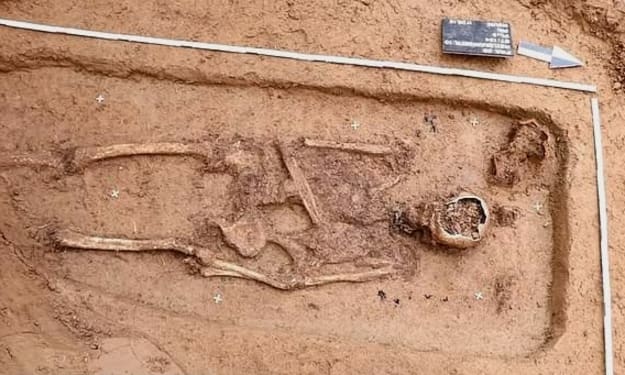
Giants used to walk the earth, according to myth, folklore, and even the Bible. It turns out that this assertion is supported by evidence. In the US state of Nevada, extraordinary human remains have been discovered; some of the skeletons are as tall as ten feet.
By Francis Dami2 years ago in History