Ancient
The Incas
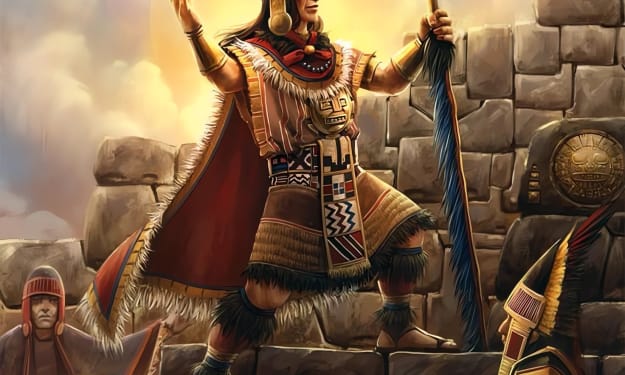
Since the beginning of civilization, people have endeavored to preserve their accomplishments, ideas, and historical narratives. Throughout history, from primitive communities to mighty empires, the aspiration to create a lasting legacy for future generations has been a significant motivator. Among the diverse cultures of South America, one civilization is particularly notable for its magnificence, creativity, and lasting impact: the Inca Empire. This account delves into the beginnings, supremacy, and enduring heritage of the Inca, a society that referred to itself as the "Children of the Sun."
By A História2 years ago in History
What advantages did Germans have during Nazi Germany?
What advantages did Germans have during Nazi Germany? Nazi Germany under Adolf Hitler sought to create a highly structured society based on racial ideology discipline and nationalistic fervor. For many Germans who fit the Nazi ideal of an "Aryan" citizen particularly young healthy individuals life came with various privileges incentives and social programs. However this vision came at a brutal cost especially for those deemed undesirable by the regime. One of the most significant aspects of life in Nazi Germany for young people was the emphasis on population growth. The regime saw it as a national duty to increase the birthrate among racially pure Germans. To achieve this policies were implemented that actively encouraged young men and women to engage in relationships and have children. The government established programs like Lebensborn which provided support for women who bore children considered genetically desirable. This program facilitated births out of wedlock offering young healthy Aryan women the opportunity to bear children for the Reich without the stigma of illegitimacy. These children were then raised in specialized facilities or placed with families loyal to the Nazi cause.
By Adnan Rasheed2 years ago in History
8 Beautiful Historic Towns in Pennsylvania.
Pennsylvania is home to some of the most picturesque and historically rich towns in the United States. From colonial-era architecture to charming cobblestone streets, these towns offer a glimpse into the past while providing modern-day charm. Whether you’re a history buff or just looking for a scenic getaway, these eight beautiful historic towns in Pennsylvania are worth a visit.
By Pen to Publish2 years ago in History
The Lost Fortune of the Flor de la Mar. AI-Generated.
The Abundance of the Flor de la Mar: A Absent Affluence Below the Sea The Flor de la Mar, a 16th-century Portuguese ship, is one of the best allegorical absent treasures in history. Burdened with an immense affluence of gold, silver, and adored gems looted from the Sultanate of Malacca, the address met its adverse fate in a storm off the bank of Sumatra in 1511. Despite centuries of analysis and speculation, the abundance charcoal undiscovered, fueling endless expeditions and belief surrounding its whereabouts. By Whom: The Origin of the Treasure The abundance of the Flor de la Mar was accumulated during the Portuguese acquisition of Malacca in 1511, led by Afonso de Albuquerque, the acclaimed Portuguese accepted and admiral. Albuquerque was active in accretion the Portuguese Empire in Asia, and his abduction of Malacca apparent a cardinal moment in establishing Portuguese ascendancy over the advantageous aroma trade. Following the victory, Portuguese armament bedeviled an astronomic affluence from the Sultanate of Malacca, including gold, silver, attenuate gemstones, and added abundance that were meant to be transported aback to Portugal as a accolade to King Manuel I. Albuquerque planned to alone bear this abundance to the Portuguese crown, reinforcing Portugal's ability and wealth. Where: The Final Voyage and Shipwreck The Flor de la Mar set captain from Malacca with a heavily burdened burden of treasure, forth with Albuquerque and his men, in November 1511. However, as the address fabricated its way through the betraying amnion of the Strait of Malacca, adversity struck. A agitated storm engulfed the barge abreast Sumatra, causing it to breach afar and bore below the waves. Historical annal advance that the ambush occurred about forth the arctic Sumatran coast, but the exact area charcoal unknown. Many accept that the address agitated one of the greatest fortunes anytime absent at sea, estimated to be account billions of dollars in today’s value. Despite this, no accepted analysis has been made. When: The Accident and Its Impact The Flor de la Mar sank in 1511, and its accident was a cogent draft to the Portuguese crown. While Albuquerque and some of his aggregation managed to survive, the all-inclusive affluence aboard the address was never recovered. Over the centuries, abundant explorers, historians, and abundance hunters accept attempted to locate the wreck, but alive sands, betraying underwater conditions, and adverse actual accounts accept kept its final comatose abode a mystery. Exploration Efforts: Searching for the Treasure Many abundance hunters and campaign accept approved the allegorical affluence of the Flor de la Mar, yet the chase continues to be one of the greatest baffling mysteries in amphibian history. Some notable attempts include: Portuguese and Dutch Expeditions (16th–17th Centuries): After the sinking, Portuguese and after Dutch campaign attempted to locate and deliver the bones but bootless to acquisition abundant remains. Modern Searches (20th–21st Centuries): Marine archaeologists and abundance hunters, including clandestine expeditions adjourned by affluent investors, accept scanned the seabed abreast Sumatra application avant-garde alarm technology, yet no absolute affirmation of the address has surfaced. Indonesian Government Involvement: Since the abundance acceptable lies aural Indonesia’s waters, the Indonesian government has bidding absorption in its canning and abeyant recovery. However, austere amphibian laws and apropos about cultural ancestry complicate analysis efforts. The Estimated Account of the Treasure The estimated bulk of the abundance aboard the Flor de la Mar is staggering. If the accounts of its burden are accurate, its account in today’s bill could beat $2 to $3 billion, because the massive bulk of gold, silver, and adored gemstones it carried. Additionally, actual artifacts from the bones would authority immense archaeological and cultural significance, authoritative the analysis akin added admired above budgetary terms. Conclusion
By Say the truth 2 years ago in History
Title: The Greatest Lost Treasures Yet to Be Discovere
The Greatest Lost Treasures Yet to Be Found Introduction Throughout history, countless treasures have been hidden, lost, or stolen, their whereabouts still unknown. Legends of lost gold, hidden artifacts, and vanished riches have inspired treasure hunters and historians alike. Some of these treasures could be worth billions of dollars if found. This article explores some of the greatest lost treasures that have yet to be discovered, their historical significance, and theories about their possible locations. 1. The Treasure of the Flor de la Mar Estimated Value: Over $2.6 Billion The Flor de la Mar, a Portuguese ship carrying one of the largest treasure hoards ever recorded, sank off the coast of Sumatra in 1511. This ship was loaded with gold, diamonds, and other riches from the conquest of the Malacca Sultanate. Despite numerous expeditions, the treasure has never been found. Why It’s Important: The treasure belonged to the Portuguese empire and was one of the richest hauls ever transported by sea. It could provide insights into Southeast Asian and Portuguese colonial history. Where Could It Be? Some believe the shipwreck lies in the Strait of Malacca, but shifting sands and deep waters have made recovery difficult. 2. The Lost Inca Gold (Treasure of the Llanganates) Estimated Value: Over $10 Billion When Spanish conquistador Francisco Pizarro captured the Inca Emperor Atahualpa in 1532, the Incas tried to ransom him with a vast amount of gold and silver. However, the treasure was never delivered, and legend says it was hidden in the Llanganates Mountains of Ecuador. Why It’s Important: It represents the last great wealth of the Incan Empire. If found, it could be the largest golden treasure hoard in history. Where Could It Be? Many believe the treasure is hidden deep in the Andean mountains, but the region’s harsh terrain has prevented successful searches. 3. The Amber Room Estimated Value: Over $500 Million The Amber Room was a priceless chamber decorated with amber panels, gold leaf, and precious stones. Originally built in Prussia, it was gifted to Russia and later stolen by Nazi forces during World War II. It vanished in 1945, and its fate remains one of history’s greatest mysteries. Why It’s Important: It was considered the "Eighth Wonder of the World." It symbolizes one of the greatest art thefts in history. Where Could It Be? Some theories suggest it was destroyed, while others believe it lies in an underground bunker or sunken ship. 4. The Lost Treasure of the Knights Templar Estimated Value: Over $1 Billion The Knights Templar were a powerful medieval order, amassing great wealth during the Crusades. When King Philip IV of France disbanded them in 1307, much of their treasure vanished. Some believe it was hidden in secret locations, possibly in Europe or even North America. Why It’s Important: It could contain religious relics, gold, and historical documents. Theories link it to the Holy Grail and Ark of the Covenant. Where Could It Be? Possible locations include the Rosslyn Chapel in Scotland, Oak Island in Canada, or underground vaults in France. 5. Yamashita’s Gold Estimated Value: Over $100 Billion General Tomoyuki Yamashita of Japan allegedly buried vast amounts of gold and artifacts in the Philippines during World War II. Many believe the treasure was hidden in secret tunnels and caves, but its existence remains debated. Why It’s Important: It represents one of the largest war loot collections in history. It could reshape historical narratives about wartime plunder. Where Could It Be? Numerous treasure hunters have searched for it in the Philippines, but no major discoveries have been confirmed. 6. The Treasure of Lima Estimated Value: Over $200 Million In 1820, as revolution swept through Peru, Spanish officials attempted to safeguard their riches by shipping them to Mexico. The treasure, which included gold, silver, and religious artifacts, never arrived. Why It’s Important: It represents one of the greatest colonial-era treasures. It could include irreplaceable historical artifacts. Where Could It Be? Many believe it is hidden on Cocos Island, Costa Rica, inspiring real-life treasure hunts. 7. The Romanov Jewels Estimated Value: Over $500 Million The Russian Imperial family, the Romanovs, possessed immense wealth before the Bolshevik Revolution of 1917. While some treasures were confiscated, others vanished, including rare gems, Fabergé eggs, and gold reserves.
By Say the truth 2 years ago in History
Kamakshi Amman Temple and the Power of Divine Feminine Worship in Hinduism
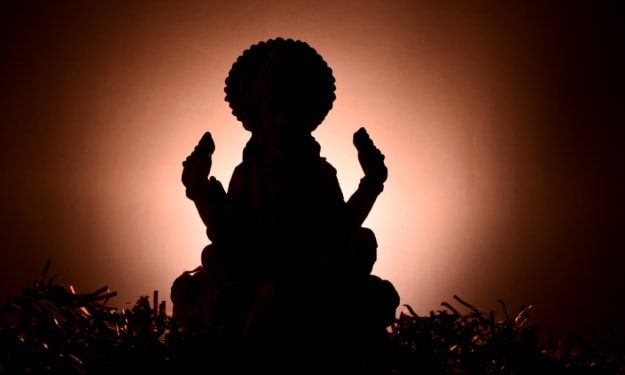
Introduction: The Divine Feminine and Her Role in Hinduism In Hinduism, the Divine Feminine is revered as a powerful, nurturing force that governs the cycles of life, creation, and cosmic order. The concept of Shakti, or divine feminine energy, is central to many forms of worship and spirituality in Hinduism. Kamakshi Amman Temple, located in the sacred city of Kanchipuram, Tamil Nadu, is one of the most revered temples dedicated to the Divine Feminine. The goddess Sri Kamakshi Ambal, who embodies the essence of Shakti, is worshiped as the protector, creator, and sustainer of the universe, representing the ultimate force of love, compassion, and spiritual power.
By Sri Kamakshi Ambal Temple2 years ago in History
The Influence of Kamakshi Amman Temple on Local Communities and Regional Culture
Introduction: A Pillar of Community and Cultural Identity Situated in the historic city of Kanchipuram, Tamil Nadu, Kamakshi Amman Temple is not just a revered site of worship but a central figure in shaping the spiritual and cultural identity of the local community. The temple, dedicated to Sri Kamakshi Ambal, the goddess of compassion, love, and divine feminine energy, has been a beacon of faith, culture, and tradition for centuries. Its influence extends far beyond the temple walls, impacting not only the spiritual lives of devotees but also the region's cultural practices, festivals, and community spirit.
By Sri Kamakshi Ambal Temple2 years ago in History
What If You Could Time Travel to a Gladiator Fight? Here’s What You’d See. Content Warning.
Imagine stepping into a time machine, setting the dial to ancient Rome, and arriving at the peak of the Colosseum’s glory. The year? 80 AD. The event? A gladiator fight so intense it makes modern sports look like child’s play. Here’s what you’d experience as you witness the blood-soaked spectacle firsthand.
By Marveline Merab2 years ago in History
Illuminating Spaces: The Interplay of Light and Shadow in Architecture
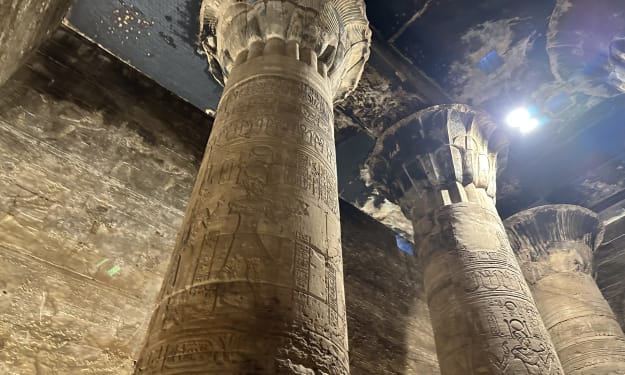
Throughout history, ancient architects harnessed the interplay of light and shadow to create structures that were not only functional but also imbued with aesthetic beauty and spiritual significance. By aligning buildings with celestial events, selecting materials that interacted with sunlight, and employing architectural techniques to manipulate illumination, these builders crafted dynamic spaces that continue to captivate us today.
By Siboli Mukherjee2 years ago in History