Analysis
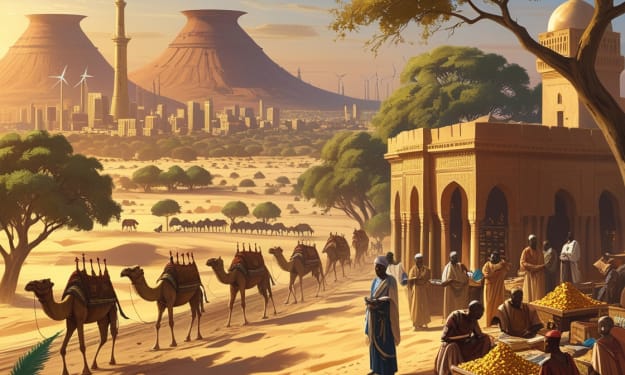
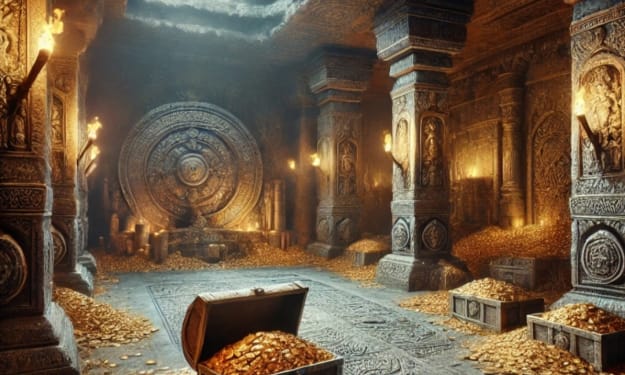
"Africa's Wealth: From Ancient Empires to Modern Resources". AI-Generated.
The Rich and Complex History of Africa – Part 3: The Kingdom of Mali and the Wealth of Mansa Musa Africa's past is interwoven with stories of empires that flourished through trade, resources, and culture, with the Kingdom of Mali being particularly famous. At its peak, this medieval West African empire stood as a symbol of prosperity, intellectual achievement, and cultural impact. Central to its narrative is Mansa Musa, frequently regarded as the wealthiest individual in history. The Rise of the Mali Empire The Mali Empire arose in the 13th century, expanding upon the groundwork established by the Ghana Empire. By the mid-1200s, Mali had transformed into a significant trading center, gaining control over gold mines, salt reserves, and trade routes traversing the Sahara Desert. These assets enabled Mali to position itself as a crucial participant in worldwide commerce, attracting traders from Europe, the Middle East, and further. Under King Sundiata Keita's reign, Mali consolidated several smaller kingdoms and broadened its reach. Sundiata implemented foundational advancements in agriculture, trade structures, and military organization, yet it was during Mansa Musa's rule (c. 1312–1337) that the empire attained its peak. The Wealth of Mansa Musa Mansa Musa is predominantly recognized for his fabled wealth, which has frequently been characterized as unmatched in history. His riches were derived from Mali's plentiful natural resources, especially gold and salt. Throughout his reign, Mali accounted for almost half of the world's gold production. In 132 , Mansa Musa set out on a pilgrimage (Hajj) to Mecca, a venture that would solidify his legacy globally. His procession reportedly consisted of 60,000 individuals, 80 camels laden with gold, and many soldiers, attendants, and musicians. During the journey, Mansa Musa distributed gold to those in need, constructed mosques, and generously gifted the rulers he met along the way. His kindness in Cairo triggered a brief economic crisis due to the influx of gold diminishing the local currency's value. This incident not only highlighted Mali's vast wealth but also drew the attention of the broader world. Mansa Musa's Hajj is often referenced as one of the most opulent exhibitions of wealth in history. Intellectual and Cultural Achievements Beyond its material wealth, the Mali Empire also functioned as a center of education and culture. Mansa Musa allocated substantial resources to education, establishing schools, libraries, and mosques. The city of Timbuktu, especially, became a focal point of scholarship, enticing students and academics from various parts of Africa and the Islamic world. The Sankore University in Timbuktu contained thousands of manuscripts covering topics from astronomy and medicine to law and theology. This intellectual flourishing assisted Mali in earning a reputation as a beacon of wisdom and enlightenment. The Decline of the Mali Empire Like numerous great empires, Mali ultimately encountered decline. Internal conflicts, succession issues, and outside pressures undermined its central authority. By the 15th century, the empire had splintered, and its influence diminished. Nevertheless, the heritage of Mali and Mansa Musa persists. The legends of Mansa Musa’s riches, the accomplishments of Timbuktu, and the cultural influence of the Mali Empire still inspire individuals today. The empire's narrative exemplifies Africa’s historical significance as a hub for trade, learning, and culture. Modern Reflections The story of the Mali Empire and Mansa Musa acts as a reminder of Africa’s rich and varied history. It confronts stereotypes about the continent and underscores the contributions of African civilizations to global history. Currently, initiatives are in progress to safeguard and study the manuscripts of Timbuktu and other remnants from Mali’s golden era. These efforts intend to guarantee that future generations can learn from and appreciate this extraordinary period in African history.
By Say the truth 2 years ago in History
The Rich Tapestry of Africa: A Journey Through History, Heritage, and Natural Wealth"
The Golden Age of African Civilizations and Their Lasting Legacy Africa is home to some of the most ancient and advanced civilizations in history. Throughout the centuries, empires, kingdoms, and trading hubs have risen across the continent, driven by abundant natural resources, strategic trade routes, and thriving cultural exchanges. This part of the series delves deeper into some of Africa’s most significant civilizations during their golden age, their wealth, and their enduring impact on history. The Kingdom of Mali: The Wealth of Mansa Musa The Mali Empire, founded in the 13th century, is one of Africa’s most famous and prosperous empires. At the height of its power, it controlled a significant portion of West Africa, including modern-day Mali, Senegal, and Guinea. The empire thrived on trade, especially in gold, salt, and ivory, which made it immensely wealthy. One of the most renowned rulers of Mali was Mansa Musa, who is often described as the richest man in history. His wealth was so vast that during his famous pilgrimage to Mecca in 1324, he distributed gold so lavishly along the way that it caused inflation in cities like Cairo and Medina. Mansa Musa's legacy is visible in the cultural and educational institutions he left behind, including the famous Sankore University in Timbuktu, a center for learning and scholarship. The Kingdom of Great Zimbabwe: Architectural Brilliance and Trade In southern Africa, the Kingdom of Great Zimbabwe emerged as a powerful state between the 11th and 15th centuries. It was renowned for its impressive stone architecture, including the Great Enclosure, a massive stone wall that remains a symbol of African ingenuity and engineering. The kingdom thrived on trade, with goods such as gold, copper, and ceramics exchanged with traders from as far away as China, Persia, and India. The discovery of ancient artifacts from distant lands within Great Zimbabwe’s ruins attests to its role as a hub of international commerce. This flourishing trade network brought immense wealth to the region, allowing Great Zimbabwe to grow into one of Africa’s most prosperous civilizations. The Swahili Coast: Maritime Trade and Cultural Fusion The Swahili Coast, stretching along the eastern shores of Africa, was another key region that flourished during Africa’s golden age. Between the 10th and 15th centuries, city-states such as Kilwa, Mombasa, and Zanzibar became important trading hubs. These cities facilitated trade between Africa and the wider Indian Ocean world, dealing in gold, ivory, spices, and slaves. The Swahili culture that emerged was a unique blend of African, Arab, Persian, and Indian influences. This cultural fusion is reflected in the Swahili language, architecture, and art. The wealth generated by maritime trade allowed the Swahili city-states to construct grand mosques, palaces, and fortresses that still stand today as a testament to their historical significance. The Kingdom of Aksum: A Center of Trade and Christianity Located in present-day Ethiopia and Eritrea, the Kingdom of Aksum was one of Africa’s earliest Christian kingdoms and a major trading power from the 1st to the 7th century CE. Aksum’s strategic location near the Red Sea enabled it to dominate trade routes connecting Africa, the Middle East, and Asia. Aksum was renowned for its monumental architecture, including towering obelisks carved from single blocks of stone. The kingdom’s conversion to Christianity in the 4th century further solidified its influence, and Aksum remains a significant religious and historical site in Ethiopia today. The Wealth of Natural Resources Africa’s wealth was not solely derived from trade and commerce. The continent’s rich natural resources, including gold, diamonds, copper, and fertile land, contributed to the prosperity of its ancient civilizations. For example: Gold: West Africa’s gold mines supplied much of the gold that fueled the medieval European economy. The Mali and Ghana empires were particularly known for their gold wealth. Salt: Often referred to as “white gold,” salt was a highly valued commodity in ancient Africa. It was crucial for preserving food and maintaining health in hot climates. Ivory and Spices: These luxury goods were in high demand across the ancient world and played a key role in Africa’s trade with Asia and the Middle East. The Legacy of Africa’s Golden Age The golden age of African civilizations left a lasting legacy that continues to influence the world today. The cultural, architectural, and intellectual achievements of ancient Africa are a testament to the continent’s rich history and heritage. The trade networks established during this period laid the foundation for future economic and cultural exchanges between Africa and the rest of the world. Moreover, the stories of Africa’s ancient empires and kingdoms challenge stereotypes and misconceptions about the continent’s history. They highlight Africa’s historical role as a center of wealth, power, and innovation. Conclusion The golden age of African civilizations is a chapter of history that deserves greater recognition and appreciation. From the legendary wealth of Mansa Musa to the architectural marvels of Great Zimbabwe and Aksum, ancient Africa’s legacy is one of prosperity, cultural diversity, and resilience. By exploring and celebrating this history, we can gain a deeper understanding of Africa’s contributions to the global story and appreciate the continent’s enduring impact on the world.
By Say the truth 2 years ago in History
Morning Notes Left on the Doorstep
The early morning light barely made its way through the curtains, illuminating the messy kitchen, and the aroma of freshly brewed coffee curled around the edges of half-opened windows. It was the kind of morning that seemed to last forever—calm, quiet, and seemingly perfect in its simplicity. Emma, on the other hand, was far from at peace; she had barely slept the night before, her mind racing with ideas she could not quite grasp. Weeks had passed since the strange notes began showing up on her doorstep, each one written in elegant, looping script, signed with a single, bold crescent moon. Each note seemed to contain a different message, ranging from direct observations about her life to cryptic verses. At first, she assumed it was a practical joke, possibly from a neighbor, but as the days passed, the notes kept coming, and they always arrived at dawn.
By MD SHAMIM RANA2 years ago in History
The Northern Frontier District
Days after independence, the North-Eastern region of Kenya threatened to secede and join Somalia. The high Somali population in the area, marginalization during colonial times and the dream of an all-Somali republic fueled this agitation for secession. The Kenyan government under Jomo Kenyatta would go on to fight a prolonged war with the resident Cushite tribes punctuated by, war crimes, massacres and unprecedented amounts of sexual violence that have had effects on the region to this day.
By HINGES OF TIME2 years ago in History
Slow White and the 7 Doughs
In a world where stories come and go, one tale has stood the test of time, captivating the hearts of children everywhere. "Slow White and the 7 Doughs" is more than just a story, it's a phenomenon that has been delighting kids for generations. Growing up as a child, this Animated story,was one of the stories that Inspired me. It captured my Heart in a way that I understood how to be gentle,lovely, peaceful and embarking on Adventure whether it is fearful or not. I understand that life with determination, grace, confidence fears no dark or threatening moments. The Story Begins In a small village nestled in the rolling hills of a far-off land, there lived a lovable character named Slow White. Slow White was a kind and gentle soul, with a heart of gold and a mind full of wonder. One day, while wandering through the village, Slow White stumbled upon a mysterious shop tucked away on a quiet street. The sign above the door read "The 7 Doughs." The Magical Doughs Inside the shop, Slow White met the enigmatic owner, a wise and witty baker named Doughy. Doughy introduced Slow White to the 7 Doughs, each with its own unique personality and magical properties. There was Fluffy, the soft and cuddly dough; Sparky, the lively and energetic dough; and Dreamy, the gentle and soothing dough, among others. Path of Exploration As Slow White spent more time with the 7 Doughs, they embarked on a series of thrilling adventures together. They explored enchanted forests, climbed towering mountains and even sailed across vast oceans. Along the way, Slow What learned valuable lessons about friendship, perseverance and the power of imagination. A Story for the Ages "Slow White and the 7 Doughs" has become a beloved tale, cherished by children and parents alike. The story's universal themes and lovable characters have transcended cultures and generations, making it a timeless classic. The tale has been translated into countless languages, adapted into films, plays and television shows and has inspired countless works of art and literature. Why It Endures So, what makes "Slow White and the 7 Doughs" so special? For one, the story's focus on empathy, kindness and self-discovery resonates deeply with children. The tale also celebrates the importance of imagination, creativity and exploration. Moreover, the story's gentle pace and whimsical tone make it an ideal bedtime read or a soothing distraction from the stresses of modern life. A Legacy That Continues Today, "Slow White and the 7 Doughs" remains a topic of conversation among parents, educators and child development experts. The story's impact on children's literature and popular culture is undeniable. As a testament to its enduring appeal, new adaptations and interpretations of the tale continue to emerge, introducing the beloved characters to fresh audiences around the world. Furthermore "Slow White and the 7 Doughs" is more than just a story – it's a cultural phenomenon that has captured the hearts of children everywhere. Its timeless themes, lovable characters and whimsical tone have made it a beloved classic, ensuring its place in the pantheon of children's literature for generations to come. The Impact on Children's Literature "Slow White and the 7 Doughs" has had a profound impact on children's literature, inspiring a new generation of authors and illustrators. The story's unique blend of imagination, adventure and emotional intelligence has raised the bar for children's storytelling. A Reflection of Childhood The tale's exploration of childhood emotions, from curiosity and wonder to fear and uncertainty, has resonated deeply with young readers. The story's ability to validate and normalize children's feelings has made it a valuable resource for parents and educators. A Cultural Phenomenon "Slow White and the 7 Doughs" has transcended the world of children's literature, becoming a cultural phenomenon that has inspired countless adaptations and interpretations. From films and television shows to stage plays and musicals, the story's beloved characters and timeless themes have captivated audiences worldwide. A Timeless Legacy As we look to the future, it's clear that "Slow White and the 7 Doughs" will continue to enchant children and families for generations to come. Its timeless legacy is a testament to the power of storytelling and the boundless imagination of childhood. Conclusion In conclusion, "Slow White and the 7 Doughs" is a story that has captured the hearts of children everywhere. Its timeless themes, lovable characters, and whimsical tone have made it a beloved classic, ensuring its place in the pantheon of children's literature for generations to come. Final Thoughts As we reflect on the enduring appeal of "Slow White and the 7 Doughs," we're reminded of the transformative power of storytelling. This beloved tale has inspired countless children to explore their imagination, to embrace their emotions, and to never stop wondering. As we look to the future, we can't wait to see what new adventures await Slow White and the 7 Dough’s
By Henry Lucy2 years ago in History
💵 5 Things You Never Knew About the $2 Bill
Introduction: The Most Misunderstood Money in America 💬💸 Imagine pulling out a $2 bill at the coffee shop—watching the cashier do a double-take like you've handed them monopoly money. Some might even ask, “Is this real?” 😅
By Karl Jackson2 years ago in History
India's Lost Treasure Troves: Myths, Legends, and Hidden Wealth. AI-Generated.
The Forgotten Treasures of India: Absent Abundance Cat-and-mouse to Be Discovered India, a acreage of age-old civilizations and affluent history, has consistently been akin with abundance and grandeur. Over the centuries, endless treasures accept been hidden, stolen, or absent due to invasions, wars, and accustomed disasters. Some of these treasures abide undiscovered, fueling the acuteness of abundance hunters and historians alike. This commodity explores some of India’s best cogent absent treasures and the mysteries surrounding them. 1. The Abundance of Padmanabhaswamy Temple The Padmanabhaswamy Temple in Kerala acquired all-around absorption in 2011 aback six underground vaults were opened, absolute a hidden abundance account an estimated $22 billion. However, one of the temple’s vaults, Basement B, charcoal unopened, attentive by legends of a baleful curse. The basement is believed to accommodate added treasures than all the added accommodation combined, including all-inclusive amounts of gold, jewels, and angelic artifacts. Historians accept the abundance was accumulated over centuries, donated by kings and devotees. The amount of Basement B’s capacity is unknown, but some estimates advance it could beat $100 billion in today’s market. 2. The Missing Mughal Treasure The Mughal Empire was one of the wealthiest dynasties in history. Its rulers accumulated all-inclusive amounts of gold, diamonds, and adored artifacts. The best acclaimed allotment was the Kohinoor Diamond, now allotment of the British Crown Jewels. However, abundant of the Mughal treasury vanished during the invasions by Persian adjudicator Nader Shah in 1739 and after British colonial rule. According to some theories, ample portions of the abundance were hidden by the aftermost Mughal emperor, Bahadur Shah Zafar, afore the British took ascendancy in 1857. If apparent today, the Mughal abundance could be account hundreds of billions of dollars. 3. The Absent Abundance of Raja Raja Chola Raja Raja Chola I (985–1014 CE), one of the greatest Indian rulers, was accepted for his argosy ability and all-encompassing trade. It is believed that he accumulated astronomic abundance through conquests and all-embracing trade, decidedly with China and Southeast Asia. Some accounts advance that a hidden abundance acceptance to the Chola absolutism still lies active abreast the Brihadeeswarar Temple in Tamil Nadu. Gold coins, statues, and temple adornment account billions ability still be cat-and-mouse to be apparent below age-old temple complexes and palaces of the Chola dynasty. 4. The Son Bhandar Caves Treasure Located in Bihar, the Son Bhandar Caves are believed to authority a abundance hidden by the Magadha rulers about the 3rd or 4th aeon BCE. According to legends, the abundance was active abaft an bulletproof bean bank aural the caves, and alone a abstruse inscription, yet to be deciphered, can alleviate the passage. The treasure, if real, could accommodate gold, jewels, and artifacts from the era of Bimbisara, an important adjudicator of the Magadha Kingdom. Given its actual significance, the abeyant amount of the Son Bhandar abundance could beat $10 billion. 5. The Hidden Abundance of Krishna River The Krishna River in Andhra Pradesh is accounted to burrow untold abundance from the times of the Vijayanagara Empire. During the empire’s collapse in the 16th century, abounding treasures were allegedly hidden in underground vaults or abysmal aural the river. Abundance hunters accept continued speculated about the attendance of gold coins, idols, and gemstones active abysmal in the riverbed. If these treasures were to be found, they could be account tens of billions of dollars, potentially afterlight the history of South Indian kingdoms. 6. The Naulakha Abundance of Rajasthan According to folklore, the Naulakha Abundance belonged to the commonwealth of the Rathores of Jodhpur. It is believed that Raja Bakht Singh active this all-inclusive abundance about in the Thar Desert to assure it from invaders. Despite several expeditions application avant-garde technology, the abundance has never been found. If discovered, its amount could be enormous, with attenuate gems and aged artifacts estimated to be account over $50 billion. 7. The Absent Gold of the British East India Company During British rule, India was plundered of its wealth, but some treasures mysteriously disappeared. One of the better mysteries is the declared absent gold of the British East India Company. It is believed that a cogent allocation of the abundance extracted from India never fabricated it aback to Britain but was instead hidden in assorted abstruse locations beyond India, possibly in underground vaults, caves, or alike sunk in rivers. This treasure’s absolute account could be incalculable, potentially trillions of dollars in today’s value. Conclusion India’s affluent history is abounding with belief of doubtful wealth, abundant of which still charcoal hidden below its acreage and waters. Whether adequate by legends, hidden in temples, or absent to time, these treasures abide to artifice campaign and historians. If alike a atom of these treasures were found, they could decidedly appulse India’s economy, history, and cultural heritage. As technology advances and new discoveries are made, conceivably one day, these absent abundance will appear from the shadows, absolute the amplitude of India’s accomplished in a way never apparent before.
By Say the truth 2 years ago in History
The Rich History of Sri Lanka: A Land of Ancient Treasures and Cultural Marvels. AI-Generated.
The Affluent History of Sri Lanka: A Journey Through Time Sri Lanka, an island nation in the Indian Ocean, has a history that spans bags of years. From its age-old civilizations to colonial aphorism and independence, the country has accomplished arresting cultural and actual transformations. Its cardinal area fabricated it a hub for trade, a melting pot of assorted influences, and a acreage of abundant acceptation in South Asian history. Ancient Sri Lanka and Aboriginal Civilization The age-old affirmation of animal adjustment in Sri Lanka dates aback to about 125,000 years ago, with aged cavern citizenry accepted as the Balangoda Man. The island's recorded history begins with the accession of the Indo-Aryans from North India in the 6th aeon BCE, who accustomed the Sinhalese civilization. One of the age-old and best cogent kingdoms was Anuradhapura, founded in the 4th aeon BCE. This commonwealth flourished for over a millennium, acceptable a above centermost of Buddhism afterwards Emperor Ashoka of India beatific his son Mahinda and babe Sanghamitta to acquaint the adoration in the 3rd aeon BCE. The architecture of massive stupas, adult irrigation systems, and the angelic Bodhi Timberline (a filly from the aboriginal timberline beneath which Buddha accomplished enlightenment) caked Anuradhapura's religious and cultural importance. The Acceleration and Fall of Polonnaruwa After again South Indian invasions, the Anuradhapura Commonwealth fell in the 10th aeon CE, arch to the acceleration of Polonnaruwa as the abutting abundant kingdom. Polonnaruwa became a acceptable burghal with avant-garde infrastructure, including all-inclusive reservoirs, temples, and palaces. King Parakramabahu I (1153–1186 CE) is advised one of Sri Lanka's greatest rulers, accepted for his aggressive prowess, bread-and-butter policies, and irrigation projects that adapted the island into a affluent nation. Foreign Invasions and European Colonization Sri Lanka faced assorted invasions from South Indian kingdoms, decidedly the Chola Empire. The island saw alternate ascendancy by the Tamil Chola absolutism afore Sinhalese kings reclaimed the throne. However, centralized conflicts and alien threats connected to abate the built-in kingdoms. By the 16th century, Sri Lanka bent the absorption of European powers. The Portuguese accustomed in 1505, appearance the alpha of colonial rule. They controlled the littoral regions and adapted abounding locals to Christianity. The Dutch took over in the 17th century, advancement ascendancy over barter and administering while acceptance the absolute Kandyan Commonwealth to survive in the axial highlands. In 1796, the British accustomed and gradually took over the island, absolutely addition it in 1815 afterwards acquisition the aftermost Sinhalese kingdom, Kandy. The British renamed the island Ceylon, broadcast tea plantations, congenital anchorage and railways, and chip it into the all-around economy. However, they additionally brought socio-political changes that sowed the seeds of indigenous tensions. Sri Lanka’s Road to Independence The aboriginal 20th aeon saw ascent nationalist movements advocating for self-rule. Influential abstracts like Anagarika Dharmapala and political leaders such as D.S. Senanayake played key roles in the ability movement. On February 4, 1948, Sri Lanka (then Ceylon) acquired ability from Britain, with Senanayake acceptable the aboriginal Prime Minister. Post-independence Sri Lanka initially accomplished political adherence and bread-and-butter growth, but built-in indigenous tensions amid the Sinhalese majority and Tamil boyhood escalated over the years. Civil War and Modern Challenges From 1983 to 2009, Sri Lanka endured a barbarous civilian war amid the government and the Liberation Tigers of Tamil Eelam (LTTE), a agitator active accumulation angry for an absolute Tamil state. The war acquired immense suffering, bread-and-butter setbacks, and all-embracing apropos over animal rights violations. In 2009, the Sri Lankan aggressive defeated the LTTE, bringing an end to the conflict. Since then, the country has focused on rebuilding its economy, infrastructure, and all-embracing relations, admitting indigenous and political challenges remain. Sri Lanka Today: A Blend of Attitude and Progress Modern Sri Lanka is a advancing capitalism with a affluent cultural heritage. The island is acclaimed for its age-old cities, abundant tea plantations, beauteous beaches, and wildlife. Tourism, agriculture, and barter comedy key roles in its economy. While political and bread-and-butter challenges persist, Sri Lanka continues to antithesis attitude with modernization. Conclusion Sri Lanka’s history is a account of resilience, cultural richness, and cardinal importance. From the amplitude of age-old kingdoms to colonial struggles and post-independence challenges, the island has acquired while application its different identity. As Sri Lanka moves forward, it charcoal a nation acutely abiding in its accomplished yet bent to appearance a affluent future.
By Say the truth 2 years ago in History
Zero Corruption: The Hidden Secrets of Japan's Government System and Policies
Zero Corruption: The Hidden Secrets of Japan's Government System and Policies Japan is globally recognized for its advanced technology, disciplined society, and rich cultural heritage. But beyond these, Japan stands out for something truly remarkable—its exceptionally low levels of corruption. Unlike many countries where corruption scandals are commonplace, Japan has maintained a relatively transparent and accountable government system. But how has Japan achieved this? In this video, we will uncover the hidden secrets behind Japan's governance, explore its anti-corruption policies, and understand the cultural and legal frameworks that contribute to its success. Stay with us until the end, and don’t forget to like, share, and subscribe for more eye-opening content! The Reality of Corruption in Japan When people hear "zero corruption," they might assume that Japan is completely free of corruption. However, no country is entirely corruption-free. What sets Japan apart is its consistently high ranking in global transparency indexes. According to Transparency International’s Corruption Perceptions Index, Japan is one of the least corrupt countries in Asia. But why is corruption so minimal compared to other developed nations? The answer lies in a combination of strict laws, deeply ingrained cultural values, and a political system that discourages unethical behavior. Cultural Influence: How Japanese Values Prevent Corruption One of the key reasons behind Japan’s low corruption levels is its strong cultural foundation. Let’s explore some of these cultural values: 1. "Meiwaku" (Avoiding Trouble for Others) In Japanese society, causing trouble for others is highly discouraged. This principle, known as meiwaku, plays a crucial role in government and business ethics. A public official or businessperson involved in corruption is seen as bringing disgrace not only to themselves, but also to their organization and society as a whole. 2. "Gigi" and "Ninja" (Duty and Compassion) Japanese officials are expected to uphold girl (duty) and ninja (compassion). These values emphasize prioritizing public welfare over personal gain, acting as a moral guide against corruption. 3. Public Shaming and Reputation Loss Unlike in some countries where corrupt officials retain influence, in Japan, exposure to corruption often leads to social and professional isolation. The fear of public disgrace serves as a strong deterrent. Government Policies That Keep Corruption in Check Japan has implemented a series of strict laws and policies to ensure transparency and accountability. Some of the most effective measures include: 1. Strict Anti-Bribery Laws Japan enforces some of the world’s strictest anti-bribery laws. The Unfair Competition Prevention Act prohibits Japanese companies from engaging in bribery, both domestically and internationally. Officials caught accepting bribes face severe legal consequences, including hefty fines and imprisonment. 2. Transparent Bureaucracy and Merit-Based Hiring Japan’s government follows a strict merit-based hiring system. Unlike in some countries where political favoritism influences appointments, Japan ensures that civil servants are selected based on qualifications and performance, reducing opportunities for corruption. 3. Political Finance Regulations: The Political Funds Control Law mandates transparency in political donations. Politicians and political parties must publicly disclose their funding sources, preventing illegal campaign financing and under-the-table deals. 4. Independent Oversight and Whistleblower Protection Japan has independent oversight bodies that investigate corruption allegations. Additionally, the Whistleblower Protection Act safeguards employees who report corrupt activities, promoting transparency within organizations. Why Corporate Corruption is Rare in Japan Japan’s corporate sector is known for its ethical business practices. Let’s examine the factors that contribute to this integrity: 1. The "Keiretsu" System Japanese corporations operate under the keiretsu system—a network of interrelated businesses built on long-term trust. This discourages deceitful activities, as companies prioritize stability over short-term personal gain. 2. Compliance Officers in Major Corporations Large Japanese companies employ compliance officers to ensure business operations adhere to legal and ethical standards, actively preventing bribery and corruption. 3. Severe Punishments for Corporate Scandals Japan imposes strict penalties on companies and executives involved in corruption. For instance, the 2011 Olympus Scandal, where executives were held accountable for financial fraud, demonstrated Japan’s commitment to corporate transparency. Challenges and Recent Cases of Corruption Despite its strong governance, Japan is not entirely free from corruption. Some challenges include: Political Scandals: While rare, some politicians have been caught accepting bribes or engaging in unethical deals. However, Japan’s strict legal system ensures swift action, often leading to resignations and prosecutions. Bureaucratic Red Tape: Although Japan’s bureaucracy is efficient, excessive regulations sometimes create opportunities for minor forms of corruption, such as favoritism in awarding contracts. Tokyo 2020 Olympic Bribery Case: Allegations of bribery in the Olympic bidding process surfaced, but authorities took swift action, reinforcing Japan’s strong anti-corruption stance. Japan’s Ongoing Efforts to Enhance Transparency To further improve transparency and accountability, Japan is: • Strengthening whistleblower protection laws. • Increasing digital transparency in public contracts and government spending. • Enhancing international cooperation to combat corruption globally. What Other Countries Can Learn from Japan Japan’s success in minimizing corruption offers valuable lessons for other nations: 1. Strong Legal Framework Strict laws with real consequences prevent corruption from becoming widespread.
By MystiTech Hub2 years ago in History
Trump Proposes to Assume Control of Ukraine's Nuclear Facilities During Conversation with Zelensky: A Daring Strategy or a Diplomatic Maneuver?
In an unexpected development, former U.S. President Donald Trump is said to have proposed assuming control of Ukraine's nuclear power facilities during a recent conversation with Ukrainian President Volodymyr Zelensky. This suggestion, which has ignited considerable discussion, arises as Ukraine faces the severe repercussions of Russia's persistent invasion. While some interpret Trump's offer as a daring initiative to bring stability to the area, others express skepticism regarding its practicality and the intentions behind it.
By Refayat Amin2 years ago in History