Latest Stories
Most recently published stories in History.
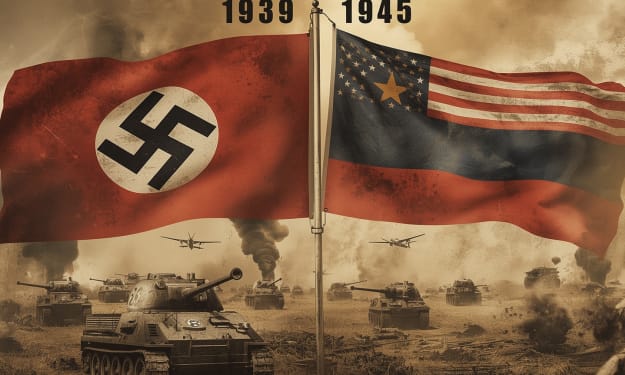
“World War II: The Conflict That Changed the World. AI-Generated.
From 1939 to 1945, nations clashed and history was rewritten forever. When the first German tanks rolled across the Polish border on September 1, 1939, the world changed forever. What began as a regional invasion soon escalated into the deadliest conflict in human history—World War II. For six long years, from 1939 to 1945, the globe was engulfed in violence, fear, and sacrifice on a scale humanity had never seen before. --- The Spark That Ignited the War The seeds of World War II were sown in the aftermath of World War I. The Treaty of Versailles left Germany politically humiliated and economically shattered. Many Germans felt stripped of dignity, fueling resentment and anger. It was in this environment that Adolf Hitler and the Nazi Party rose to power. Hitler promised to restore national pride, reclaim lost lands, and build a “new Germany.” His expansionist policies—beginning with Austria and Czechoslovakia—tested the patience of European powers. But it was the invasion of Poland in September 1939 that finally forced Britain and France to declare war, plunging Europe into chaos. The stage was set for a global conflict that would soon involve dozens of nations across every continent. --- A Truly Global Conflict Unlike any war before it, World War II reached nearly every corner of the globe. Europe became the central battlefield, but the war also stretched across North Africa, the Middle East, Asia, and the Pacific. In 1941, Japan’s surprise attack on Pearl Harbor pulled the United States into the war, transforming it into a truly worldwide struggle. From that point onward, the conflict was fought on land, sea, and air—cities bombed from above, naval battles waged across oceans, and infantry campaigns fought in deserts, mountains, and jungles. For ordinary people, the war was not confined to distant battlefields—it entered homes and daily life. Families rationed food, children were evacuated from cities, and millions of refugees fled violence. Entire populations endured air raids, hunger, and fear of sudden loss. --- Turning Points That Shaped History Every great conflict has moments that alter its course, and World War II was no exception. On the Eastern Front, the Battle of Stalingrad (1942–1943) became a symbol of resistance and sacrifice. Soviet troops, aided by a bitter winter, turned back the German advance, marking the beginning of Nazi decline. In the West, D-Day, the Allied invasion of Normandy on June 6, 1944, was another defining moment. Over 150,000 soldiers stormed the beaches of France, opening a crucial second front that would eventually liberate Western Europe from Nazi control. Meanwhile, in the Pacific, naval battles like Midway and Guadalcanal tested American forces against Japan’s military might. The campaign was brutal, marked by island-hopping strategies, kamikaze attacks, and unimaginable loss. By 1945, the war reached its violent climax. Germany surrendered in May, after Hitler’s suicide and the fall of Berlin. In August, the United States dropped atomic bombs on Hiroshima and Nagasaki, forcing Japan to surrender and officially ending the war. --- The Human Cost of War Beyond strategy and politics, World War II remains defined by its human tragedy. Over 70 million lives were lost, many of them civilians. The Holocaust stands as the most horrific crime of the era: six million Jews, along with countless others, were systematically murdered by the Nazi regime. Across Asia, millions perished under Japanese occupation. Soldiers and civilians alike endured starvation, disease, imprisonment, and displacement. Every family, in every participating nation, carried scars—whether in the loss of a loved one, the destruction of a home, or the lasting trauma of violence. --- The World Rebuilt Out of the devastation came a determination to rebuild and prevent such destruction from happening again. The United Nations was founded in 1945, aiming to foster peace and cooperation among nations. The war also accelerated social and political change: colonies in Asia and Africa sought independence, women entered the workforce in new numbers, and the global balance of power shifted toward the United States and the Soviet Union, setting the stage for the Cold War. Technological advancements born of necessity—radar, jet engines, nuclear energy—would transform the modern world. But the deeper lesson remained human: that war, while sometimes unavoidable, carries costs too heavy to bear. --- Lessons for Our Time More than seventy-five years later, the legacy of World War II continues to shape our present. Its battles and atrocities remind us of the dangers of unchecked aggression, hatred, and division. The courage of soldiers, the resilience of civilians, and the sacrifices of millions demand that we never forget the price of global conflict. Peace, though fragile, is a treasure worth protecting. --- Final Thoughts World War II was not only the bloodiest conflict in history—it was also a turning point for humanity. It revealed both the darkest depths of cruelty and the highest peaks of courage. As we reflect on its history, one truth becomes clear: the war changed the world forever. Remembering it is not simply an act of honoring the past—it is a responsibility to the future.
By Muhammad suliman about a year ago in History
Charlie Kirk Shot and Killed at Utah University Event
What happened? A few days ago, Charlie Kirk, a well-known American political activist, was shot and killed during an event at Utah Valley University. He was speaking in front of thousands of people when a bullet struck him in the neck. The event was organized by his group, Turning Point USA, which often hosts talks for young people across the country.
By Muhammad Farhad Khanabout a year ago in History
The Hidden Indirect War Explained
When people hear the word "war," they often think of two countries fighting each other on a battlefield. But not all wars are fought with soldiers and tanks. Sometimes, countries fight indirectly, using influence, alliances, or other nations as middle players. One example that is often discussed is the indirect conflict between Pakistan and Israel.
By Muhammad Farhad Khanabout a year ago in History
Reichstag to MAGA: Unveiling the Alarming Parallels Between Nazi Germany and Trump's America
Introduction History serves as both a mirror and a warning. The rise of Nazi Germany in the early 20th century and the political landscape of Donald Trump's America in the 21st century offer strikingly similar narratives. While the contexts differ, the methods employed to consolidate power, manipulate public perception, and suppress dissent exhibit disturbing parallels. This article delves into a comparative analysis of key events and strategies from Nazi Germany and Trump's America, highlighting the unsettling similarities in their approaches to governance, propaganda, and societal control.
By No One’s Daughterabout a year ago in History
The Sweet and Sticky History of Fun, Part I: The 1960s
Fog Horn Blast 🚨 The 1960s were a decade of civil rights marches, psychedelic rock, men in skinny ties debating nuclear war, and astronauts trying not to get incinerated on the launch pad. But for millions of kids sprawled out on shag carpet in wood-paneled basements, the real battle of the decade was between Chutes and Ladders and Candy Land. Forget the space race; this was the snack race, and it involved dice, spinners, and enough artificial sugar to power a Saturn V rocket.
By The Iron Lighthouseabout a year ago in History
House of Feigenblatt vs Von Feigenblatt A Historical Perspective. AI-Generated.
Introduction History is filled with the stories of noble families who left their marks on society through leadership culture and intellectual contributions Among these the House of Feigenblatt and the Von Feigenblatt family stand as two prominent names that carry rich traditions Both families have been remembered for their influence their values and their heritage Comparing them provides a deeper understanding of how noble lineages shaped history in different ways This historical perspective does not aim to judge one as greater than the other but rather to explore their similarities differences and lasting legacies
By Mian Abdulrahmanabout a year ago in History
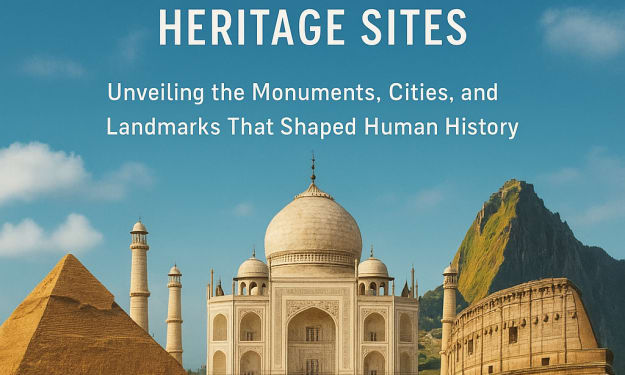
Civilization’s Pillars: The World’s Historic Heritage Sites
Civilization’s Pillars: The World’s Historic Heritage Sites Human civilization is a tapestry woven from countless cultures, traditions, and achievements. The most powerful reminders of this journey are the historic heritage sites scattered across the globe. These places are more than just physical structures; they are living testaments to the creativity, struggles, faith, and resilience of humanity. From towering pyramids and sacred temples to ancient cities and architectural marvels, historic sites allow us to step back in time and connect with the lives of those who came before us.
By Nizam Archaeologistabout a year ago in History
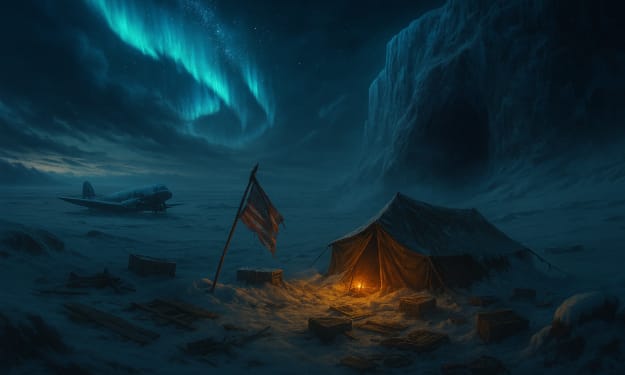
The Dyatlov Pass Incident: Unsolved Mystery of 9 Lost Lives in the Ural Mountains
On the freezing night of February 1, 1959, nine young hikers pitched their tent on the icy slopes of the Ural Mountains. They were skilled mountaineers, filled with youthful energy, adventure, and the dream of conquering nature’s challenges. But something happened that night something so terrifying that it made them rip open their own tent from the inside, flee barefoot into the snow, and scatter into the wilderness.
By Muhammad Ayaan about a year ago in History
Rise of the American Mafia: A Dark History of Organized Crime
Introduction: The Shadows of Power The story of the American Mafia is one of crime, secrecy, and influence. Born out of poverty and desperation among immigrants, the Mafia evolved into one of the most powerful criminal organizations in United States history. From small street gangs in the late 19th century to highly organized crime families that ruled cities like New York and Chicago, the Mafia left an indelible mark on American culture, politics, and law enforcement. This dark history reveals not only the rise of organized crime but also how the Mafia became a symbol of fear and power.
By Md Abul Kasemabout a year ago in History
The Day That Changed Everything: Remembering 9/11 Through Ordinary Voices
On the morning of September 11, 2001, America woke up to a day that felt like any other. The late summer sky over New York City was clear and blue, the kind of morning that makes people pause to notice the beauty of an ordinary day. Commuters hurried into Manhattan, children walked to school, and office workers rode elevators into the World Trade Center, not knowing it would be their last day.
By arsalan ahmadabout a year ago in History