
Karel Hašler Died After Being Tortured in Mauthausen. The Testimony Is Chilling — and His Name Still Lives on in Sweets
He became famous as a songwriter, actor and entertainer whose melodies became part of Czech cultural tradition. But the end of Karel Hašler’s life is a reminder of what the Nazis did to people who refused to submit.
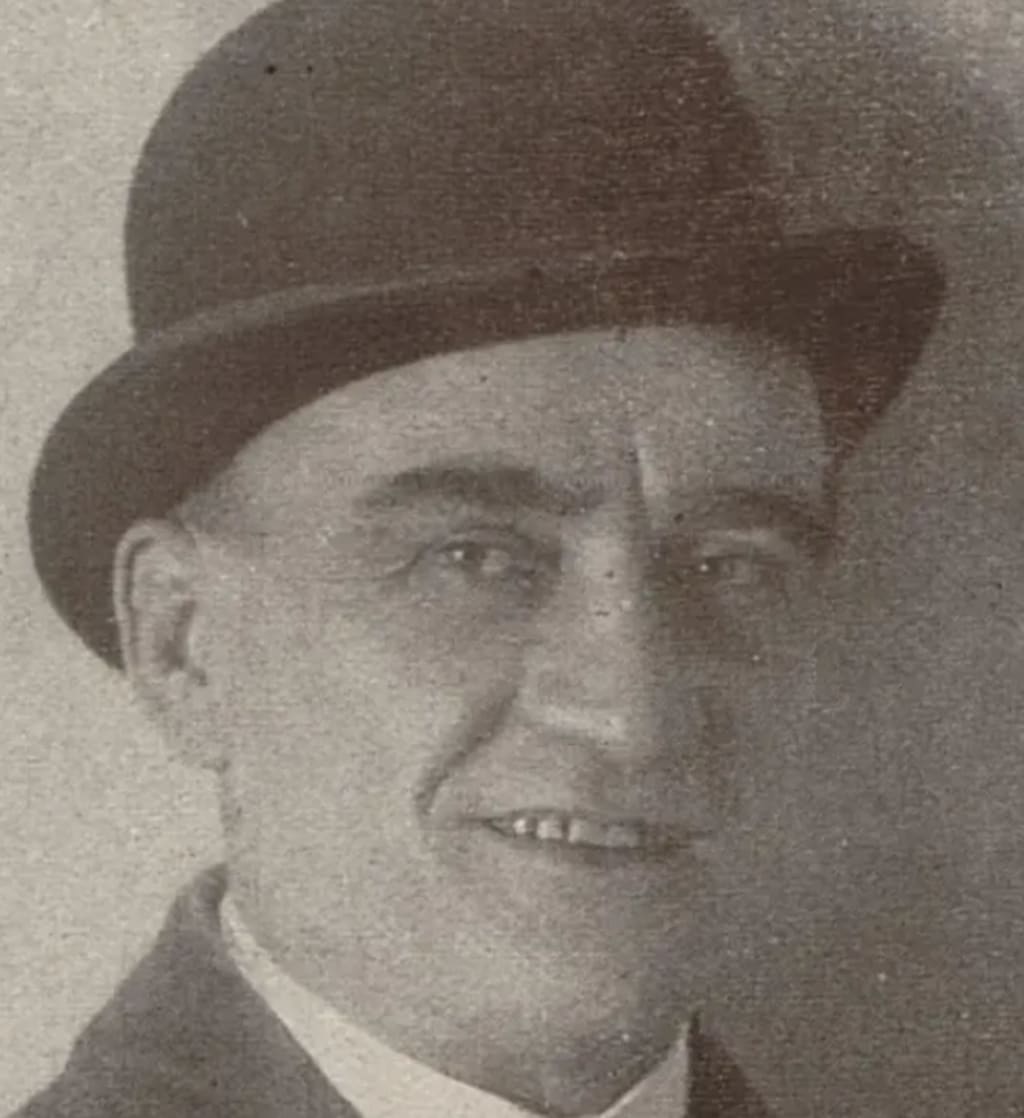
Karel Hašler was a phenomenon of his time. He wrote songs that were sung all over the country, performed on stage, appeared in films and managed to reach audiences of several generations. During his life, he composed hundreds of songs, many of which became so popular that people simply considered them part of Czech folk culture.
Even today, songs such as Ta naše písnička česká, Po starých zámeckých schodech and Pětatřicátníci are well known in the Czech Republic.
His popularity became so strong that later even a famous Czech herbal sweet was named after him — Hašlerky.
But while his name survived for decades, Hašler himself became one of the victims of Nazi persecution.
The Gestapo Took Him Directly From a Film Set
After the creation of the Protectorate of Bohemia and Moravia, Hašler did not stop performing publicly. He often put patriotic ideas and anti-Nazi hints into his songs and performances. They were meant to give people courage during a very difficult time.
And this also brought him to the attention of the Gestapo.
“It’s a question whether Hašler understood the danger. People at that time often had no idea how far the Nazis were willing to go. Hašler probably thought the Nazis would not dare to arrest him,” journalist and writer Stanislav Motl once said.
Whether he understood the danger or not, he was arrested for the first time at the beginning of 1941. After interrogations, he was eventually released, but it was already clear that the Nazis were watching his activities closely.
The second time, he was not so lucky.
On September 2, 1941, the Gestapo came for him directly during the filming of Městečko na dlani, a movie based on the novel by Czech writer Jan Drda.
From the film set he was taken to Pankrác prison. Interrogations followed and eventually Hašler was transported to the Mauthausen concentration camp.
The film itself premiered only after its famous actor had already died.
Brutal Treatment in Mauthausen
In Mauthausen, Hašler was given prisoner number 6581.
He was already over sixty years old and his health was not good. Nevertheless, he was subjected to hard physical work, humiliation and constant harassment.
According to surviving testimonies, he suffered particularly brutal treatment.
One SS guard reportedly beat him severely and caused a serious injury to his leg. The wound became infected and, without proper medical treatment, the infection quickly spread.
But the suffering did not end there.
Shortly before his death, according to testimonies from fellow prisoners, Hašler was repeatedly exposed to freezing showers and other punishments. His exhausted body was simply no longer able to withstand them.
On December 22, 1941, Karel Hašler died.
The official cause of death was blood poisoning caused by an untreated infection.
One former prisoner later described how he tried to find Hašler:
“We asked through the toilet window for them to call him. They told us that because of severe diarrhea they had put him under the shower and that he was lying unconscious in the washroom. When they opened the window for us, we saw the motionless body of our songwriter lying on the bare concrete. He was nothing but skin and bones.”
This testimony is one of the most disturbing surviving memories of Hašler’s final hours.
There Is Still Speculation About Who Betrayed Him
The main reason for his arrest was his patriotic music and openly anti-Nazi attitude.
Yet there has always been speculation about who gave the Gestapo information that led to his second arrest.
Different names have appeared in connection with the story, including film director Jan Sviták. However, there has never been direct evidence proving this theory, so it should not be treated as an established fact.
His Name Survived
Many people today know Karel Hašler mainly because of Hašlerky sweets, which have carried his name since the First Czechoslovak Republic.
Originally, they were made as herbal pastilles for singers and public speakers. The manufacturer also took advantage of the popularity of the famous songwriter, who helped promote them.
But very few people probably think about the man behind the name when they unwrap one of these small sweets.
Karel Hašler did not die a natural death.
One of the most famous Czech artists of his generation ended his life in a Nazi concentration camp, after months of imprisonment, suffering and humiliation.
“He was a true Czech patriot who loved Prague and his country above everything else,” Stanislav Motl added.
His songs, however, survived.
So did his name.
Today it is remembered not only on old recordings and in Czech cultural history, but also on something much more ordinary — a small packet of herbal sweets sitting on a shop shelf.
And perhaps that is one of the strangest ways a person’s memory can survive.
Sources
Mauthausen Memorial — prisoner records and biographical information about Karel Hašler and his imprisonment in Mauthausen.
Institute of History of the Czech Academy of Sciences — Biographical Dictionary of the Czech Lands — information about Hašler’s life, artistic career, arrests and death.
Encyklopedie Prahy 2 — biographical material about Karel Hašler, including his arrest during the filming of Městečko na dlani and his imprisonment.
Czech Radio — historical material concerning Hašler, his patriotic songs, his arrest and the theories surrounding his denunciation.
Mauthausen prisoner archive — surviving information and testimonies concerning Hašler’s imprisonment and final days.
Mene Tekel — biographical material about Karel Hašler’s artistic career, his wartime activities and his persecution.
I’m sorry for any mistakes in my English. I’m using this way of writing to improve my English, so please be patient with me and thank you for your understanding.
About the Creator
Enjoyed the story? Support the Creator.
Subscribe for free to receive all their stories in your feed.
Comments
There are no comments for this story
Be the first to respond and start the conversation.