
John Clare Voice of the English Countryside
Life and poetry of a rural Romantic writer

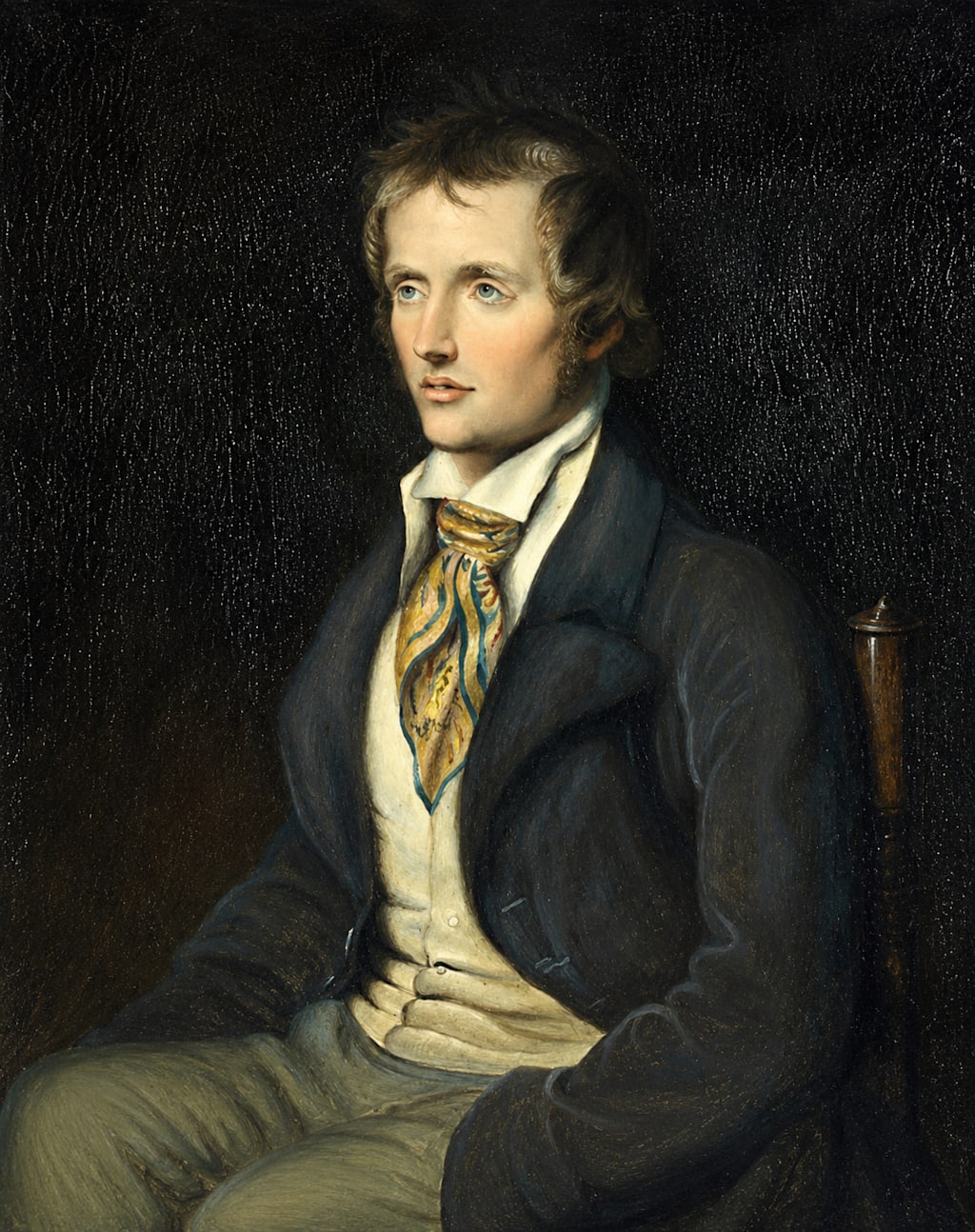
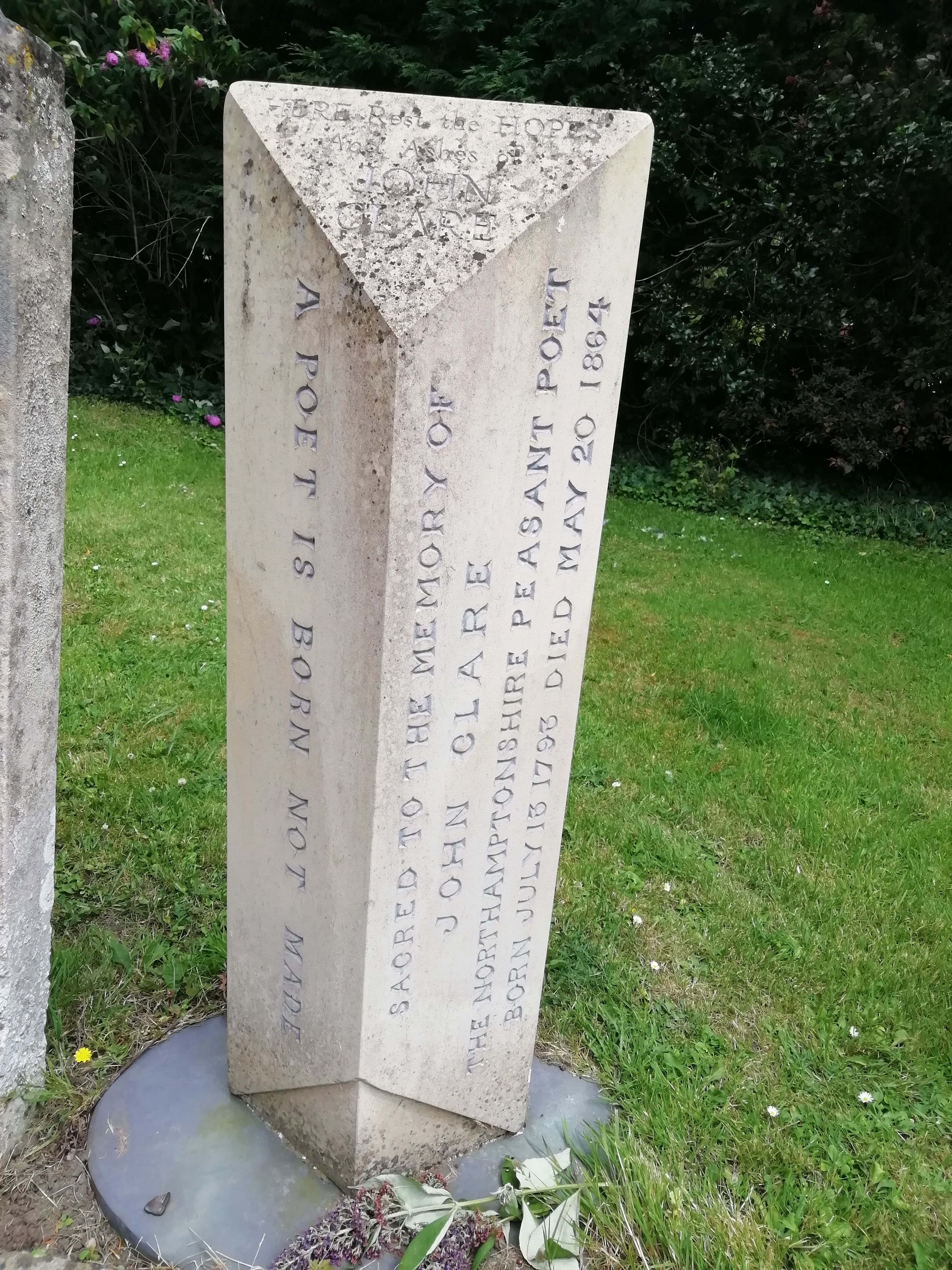
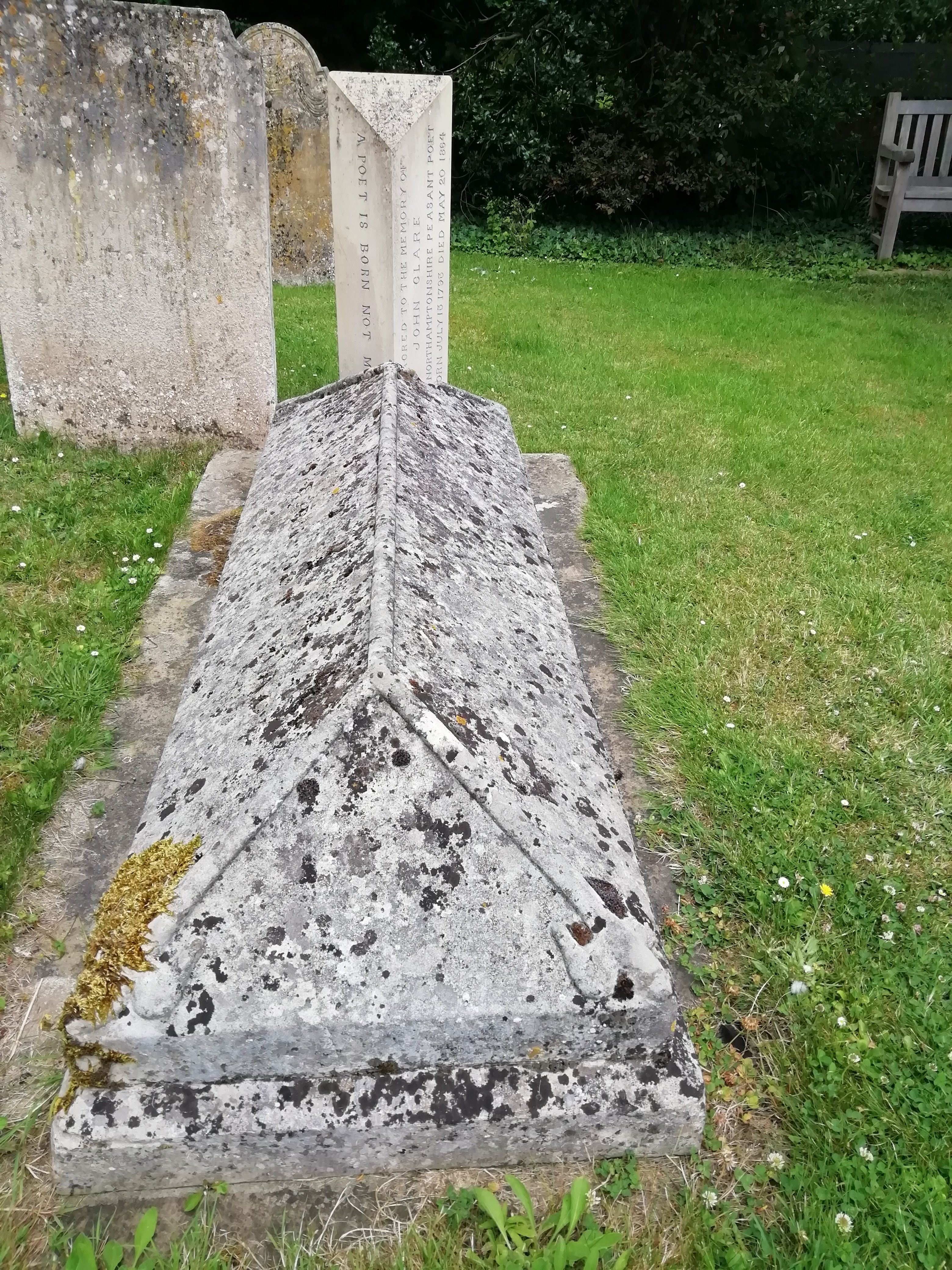
Most people have never heard of John Clare, yet he wrote some of the most vivid nature poetry in English literature. John Clare emerged from rural England during the late eighteenth and early nineteenth centuries, bringing a voice shaped by farm life, seasonal work, and close observation of the natural world. Born in Helpston in Northamptonshire in 1793, he grew up in a family of agricultural laborers where daily survival depended on field work and local trade. This environment became the foundation of his poetic imagination.
From a young age, Clare showed a strong attraction to language and verse. His formal education lasted only a short period, yet he developed skill through reading borrowed books, listening to songs, and absorbing local oral traditions. His writing reflects careful attention to detail, especially in descriptions of birds, plants, weather patterns, and rural customs.
Clare lived during a time when enclosure of common land reshaped the English countryside. Fields that once belonged to shared use became divided and restricted. He recorded these changes with emotional depth, capturing both the beauty of the land and the sense of loss experienced by rural communities. His poems often preserve the memory of landscapes that were disappearing during his lifetime.
His early publications gained interest among literary supporters in London. These connections helped bring his work into print, although financial security remained out of reach. Over time, his relationship with the literary world grew strained, while his connection to his home landscape remained central to his identity.
In later years, Clare experienced severe mental distress and spent extended periods in medical care at Northampton. Even in those conditions, he continued writing with remarkable clarity. His poetry from this period reveals intense concentration on identity, memory, and the natural world.
Modern readers often value Clare for his precise language and his sensitivity toward environmental change. His work offers a detailed record of rural England and expresses a deep attachment to place shaped by lived experience rather than academic training.
One of Clare's poems:
I Am
I am yet what I am; none cares or knows my name.
I am the self-consumer of my woes.
They rise and vanish in oblivious show,
Like shades in love and death, changeful and low.
And yet I am I, living though I seem,
A shadow thrown upon the world of dream.
A passing thought that wanders to and fro,
And finds no resting place where flowers grow.
This poem of Clares is very long and follows a loose chronological sweep through March, framing the month as a volatile threshold between seasons, a structure common in pastoral almanacs but rendered with close observational detail uncommon in early 19th-century rural poetry. Pay close attention to his dialect. That was what interested me the most.
The Shepherds Calendar - March
March month of 'many weathers' wildly comes
In hail and snow and rain and threatening hums
And floods: while often at his cottage door
The shepherd stands to hear the distant roar
Loosd from the rushing mills and river locks
Wi thundering sound and overpowering shocks
And headlong hurry thro the meadow brigs
Brushing the leaning sallows fingering twigs
In feathery foam and eddy hissing chase
Rolling a storm oertaken travellers pace
From bank to bank along the meadow leas
Spreading and shining like to little seas
While in the pale sunlight a watery brood
Of swopping white birds flock about the flood
Yet winter seems half weary of its toil
And round the ploughman on the elting soil
Will thread a minutes sunshine wild and warm
Thro the raggd places of the swimming storm
And oft the shepherd in his path will spye
The little daisey in the wet grass lye
That to the peeping sun enlivens gay
Like Labour smiling on an holiday
And where the stunt bank fronts the southern sky
By lanes or brooks where sunbeams love to lye
A cowslip peep will open faintly coy
Soon seen and gatherd by a wandering boy
A tale of spring around the distant haze
Seems muttering pleasures wi the lengthening days
Morn wakens mottld oft wi may day stains
And shower drops hang the grassy sprouting plains
And on the naked thorns of brassy hue
Drip glistning like a summer dream of dew
While from the hill side freshing forest drops
As one might walk upon their thickening tops
And buds wi young hopes promise seemly swells
Where woodman that in wild seclusion dwells
Wi chopping toil the coming spring decieves
Of many dancing shadows flowers and leaves
And in his pathway down the mossy wood
Crushes wi hasty feet full many a bud
Of early primrose yet if timely spied
Shelterd some old half rotten stump beside
The sight will cheer his solitery hour
And urge his feet to stride and save the flower
Muffld in baffles leathern coat and gloves
The hedger toils oft scaring rustling doves
From out the hedgrows who in hunger browze
The chockolate berrys on the ivy boughs
And flocking field fares speckld like the thrush
Picking the red awe from the sweeing bush
That come and go on winters chilling wing
And seem to share no sympathy wi spring
The stooping ditcher in the water stands
Letting the furrowd lakes from off the lands
Or splashing cleans the pasture brooks of mud
Where many a wild weed freshens into bud
And sprouting from the bottom purply green
The water cresses neath the wave is seen
Which the old woman gladly drags to land
Wi reaching long rake in her tottering hand
The ploughman mawls along the doughy sloughs
And often stop their songs to clean their ploughs
From teazing twitch that in the spongy soil
Clings round the colter terryfying toil
The sower striding oer his dirty way
Sinks anckle deep in pudgy sloughs and clay
And oer his heavy hopper stoutly leans
Strewing wi swinging arms the pattering beans
Which soon as aprils milder weather gleams
Will shoot up green between the furroed seams
The driving boy glad when his steps can trace
The swelling edding as a resting place
Slings from his clotted shoes the dirt around
And feign woud rest him on the solid ground
And sings when he can meet the parting green
Of rushy balks that bend the lands between
While close behind em struts the nauntling crow
And daws whose heads seem powderd oer wi snow
To seek the worms-and rooks a noisey guest
That on the wind rockd elms prepares her nest
On the fresh furrow often drops to pull
The twitching roots and gathering sticks and wool
Neath trees whose dead twigs litter to the wind
And gaps where stray sheep left their coats behind
While ground larks on a sweeing clump of rushes
Or on the top twigs of the oddling bushes
Chirp their 'cree creeing' note that sounds of spring
And sky larks meet the sun wi flittering wing
Soon as the morning opes its brightning eye
Large clouds of sturnels blacken thro the sky
From oizer holts about the rushy fen
And reedshaw borders by the river Nen
And wild geese regiments now agen repair
To the wet bosom of broad marshes there
In marching coloms and attention all
Listning and following their ringleaders call
The shepherd boy that hastens now and then
From hail and snow beneath his sheltering den
Of flags or file leavd sedges tyd in sheaves
Or stubble shocks oft as his eye percieves
Sun threads struck out wi momentery smiles
Wi fancy thoughts his lonliness beguiles
Thinking the struggling winter hourly bye
As down the edges of the distant sky
The hailstorm sweeps-and while he stops to strip
The stooping hedgbriar of its lingering hip
He hears the wild geese gabble oer his head
And pleasd wi fancys in his musings bred
He marks the figurd forms in which they flye
And pausing follows wi a wandering eye
Likening their curious march in curves or rows
To every letter which his memory knows
While far above the solitary crane
Swings lonly to unfrozen dykes again
Cranking a jarring mellancholy cry
Thro the wild journey of the cheerless sky
Full oft at early seasons mild and fair
March bids farewell wi garlands in her hair
Of hazzel tassles woodbines hairy sprout
And sloe and wild plumb blossoms peeping out
In thickset knotts of flowers preparing gay
For aprils reign a mockery of may
That soon will glisten on the earnest eye
Like snow white cloaths hung in the sun to drye
The old dame often stills her burring wheel
When the bright sun will thro the window steal
And gleam upon her face and dancing fall
In diamond shadows on the picturd wall
While the white butterflye as in amaze
Will settle on the glossy glass to gaze
And oddling bee oft patting passing bye
As if they care to tell her spring was nigh
And smiling glad to see such things once more
Up she will get and potter to the door
And look upon the trees beneath the eves
Sweet briar and ladslove swelling into leaves
And damsin trees thick notting into bloom
And goosberry blossoms on the bushes come
And stooping down oft views her garden beds
To see the spring flowers pricking out their heads
And from her apron strings she'll often pull
Her sissars out an early bunch to cull
For flower pots on the window board to stand
Where the old hour glass spins its thread of sand
And maids will often mark wi laughing eye
In elder where they hang their cloaths to drye
The sharp eyd robin hop from grain to grain
Singing its little summer notes again
As a sweet pledge of Spring the little lambs
Bleat in the varied weather round their dams
Or hugh molehill or roman mound behind
Like spots of snow lye shelterd from the wind
While the old yoes bold wi paternal cares
Looses their fears and every danger dares
Who if the shepherds dog but turns his eye
And stops behind a moment passing bye
Will stamp draw back and then their threats repeat
Urging defiance wi their stamping feet
And stung wi cares hopes cannot recconsile
They stamp and follow till he leaps a stile
Or skulking from their threats betakes to flight
And wi the master lessens out of sight
Clowns mark the threatning rage of march pass bye
And clouds wear thin and ragged in the sky
While wi less sudden and more lasting smiles
The growing sun their hopes of spring beguiles
Who often at its end remark wi pride
Days lengthen in their visits a 'cocks stride'
Dames clean their candlesticks and set them bye
Glad of the makeshift light that eves supply
The boy returning home at night from toil
Down lane and close oer footbrig gate and style1
Oft trembles into fear and stands to hark
The waking fox renew his short gruff bark
While badgers eccho their dread evening shrieks
And to his thrilling thoughts in terror speaks
And shepherds that wi in their hulks remain
Night after night upon the chilly plain
To watch the dropping lambs that at all hours
Come in the quaking blast like early flowers
Demanding all the shepherds care who find
Warm hedge side spots and take them from the wind
And round their necks in wary caution tyes
Long shreds of rags in red or purple dyes
Thats meant in danger as a safty spell
Like the old yoe that wears a tinkling bell
The sneaking foxes from his thefts to fright
That often seizes the young lambs at night
These when they in their nightly watchings hear
The badgers shrieks can hardly stifle fear
They list the noise from woodlands dark recess
Like helpless shrieking woman in distress
And oft as such fears fancying mystery
Believes the dismal yelling sounds to be
For superstition hath its thousand tales
To people all his midnight woods and vales
And the dread spot from whence the dismal noise
Mars the night musings of their dark employs
Owns its sad tale to realize their fear
At which their hearts in boyhood achd to hear
A maid at night by treacherous love decoyd
Was in that shrieking wood years past destroyd
She went twas said to meet the waiting swain
And home and friends ne'er saw her face again
Mid brakes and thorns that crowded round the dell
And matting weeds that had no tongues to tell
He murderd her alone at dead midnight
While the pale moon threw round her sickly light
And loud shrieks left the thickets slumbers deep
That only scard the little birds from sleep
When the pale murderers terror frowning eye
Told its dread errand that the maid shoud dye
Mid thick black thorns her secret grave was made
And there ere night the murderd girl was laid
When no one saw the deed but god and he
And moonlight sparkling thro the sleeping tree
Around-the red breast might at morning steel
There for the worm to meet his morning meal
In fresh turnd moulds that first beheld the sun
Nor knew the deed that dismal night had done
Such is the tale that superstition gives
And in her midnight memory ever lives
That makes the boy run by wi wild affright
And shepherds startle on their rounds at night
Now love teazd maidens from their droning wheel
At the red hour of sunset sliving steals
From scolding dames to meet their swains agen
Tho water checks their visits oer the plain
They slive where no one sees some wall behind
Or orchard apple trees that stops the wind
To talk about springs pleasures hoveing nigh
And happy rambles when the roads get dry
The insect world now sunbeams higher climb
Oft dream of spring and wake before their time
Blue flyes from straw stacks crawling scarce alive
And bees peep out on slabs before the hive
Stroaking their little legs across their wings
And venturing short flight where the snow drop hings
Its silver bell-and winter aconite
Wi buttercup like flowers that shut at night
And green leaf frilling round their cups of gold
Like tender maiden muffld from the cold
They sip and find their honey dreams are vain
And feebly hasten to their hives again
And butterflys by eager hopes undone
Glad as a child come out to greet the sun
Lost neath the shadow of a sudden shower
Nor left to see tomorrows april flower .
About the Creator
Tim Carmichael
Let your becoming be louder than your fear, and your smallest steps become the road you once thought impossible to walk. An Appalachian poet and cookbook author my book Beautiful and Brutal Things is on Amazon, Link 👇
Enjoyed the story? Support the Creator.
Subscribe for free to receive all their stories in your feed. You could also become a paid subscriber, letting them know you appreciate their work.
Comments
There are no comments for this story
Be the first to respond and start the conversation.