
France Celebrated Freedom While Thousands of Women Were Publicly Humiliated
One of the least discussed chapters of World War II left thousands of French women carrying lifelong scars.

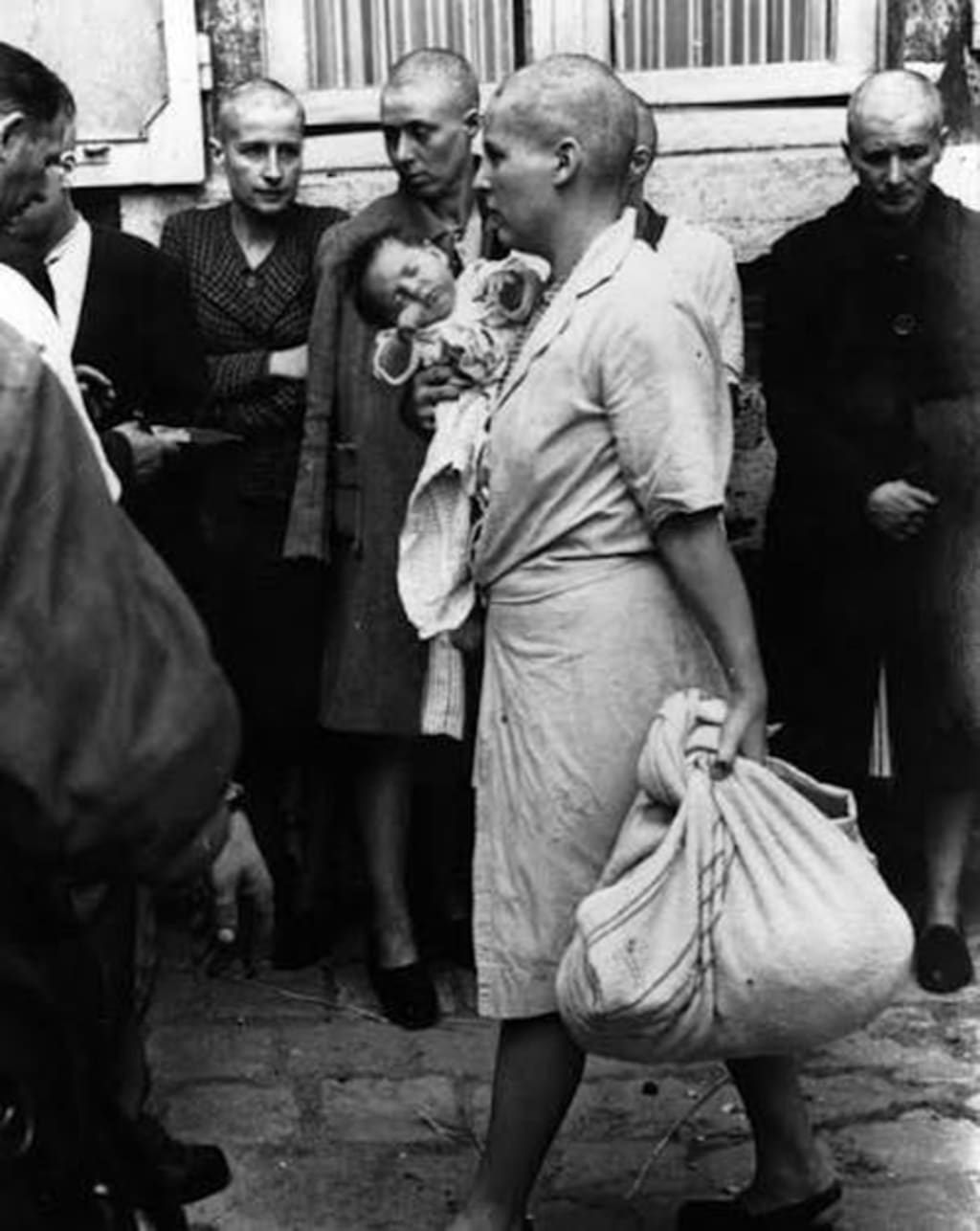
The photographs from France in 1944 tell two very different stories.
Historians estimate that around 20,000 French women became victims of what came to be known as les femmes tondues, or "the shorn women." Many endured public head shaving, many were stripped naked, and many walked through streets surrounded by crowds eager to witness their disgrace. Some carried babies in their arms while neighbors shouted insults. Others stood frozen as photographers documented every second, creating images that would follow them for the rest of their lives. The public believed these women represented betrayal, and their suffering became a spectacle during a period that many remember as one of celebration.
The accusations centered upon what French society called horizontal collaboration, a term used for women who had intimate relationships with German soldiers during the occupation. Looking through history from a comfortable distance makes every decision appear simple. Living through military occupation created an entirely different reality. Food remained scarce, jobs disappeared, fear touched every household, and survival demanded choices that many people today will thankfully never face. Some relationships developed through genuine affection. Others grew from desperation, hunger, protection, or coercion. Some women accepted help from German soldiers because their children needed food. Some worked alongside German authorities through employment that placed them in constant contact with occupying forces. Some faced sexual violence that later became twisted into accusations of willing collaboration.
Very little of that mattered once liberation swept across France.
Communities that had spent years living under occupation carried enormous amounts of fear, grief, humiliation, and anger. Every loss demanded someone to blame. Every painful memory searched for an outlet. Rather than waiting for courts to investigate individual cases, many towns embraced public punishment almost immediately. Groups of men pulled accused women into village squares where barbers, local officials, resistance fighters, or volunteers shaved away their hair while neighbors gathered in large numbers to watch. Hair represented femininity, beauty, dignity, and identity, making its removal far more than a cosmetic act. The shaved head served as a permanent public label that announced guilt whether evidence existed or remained completely absent.
For many women, the shaving itself marked only the beginning of their humiliation. Clothing disappeared. Swastikas covered faces and bodies with paint. Entire crowds forced women through streets while people laughed, screamed insults, spat toward them, or struck them as they passed. Children witnessed these scenes alongside parents who believed they were watching justice take place. Photographers eagerly documented every image, believing history would remember these moments as patriotic acts carried out by ordinary citizens reclaiming their country.
Today those same photographs create a very different emotional response. Instead of heroic justice, many viewers see terrified faces, frightened mothers holding infants, young women staring into space after every trace of dignity vanished, and crowds whose excitement feels disturbingly familiar to anyone who has studied mob behavior throughout history.
Psychologists have spent decades examining why ordinary people commit extraordinary acts of cruelty once they become part of a crowd. Individual responsibility begins to disappear because every participant feels surrounded by hundreds of others making the same choice. Personal restraint weakens while emotion grows stronger. Actions that might seem unimaginable in private suddenly appear acceptable because collective anger creates its own moral permission. Once people believe they stand on the side of righteousness, almost any act begins to feel justified.
Liberated France offered a powerful example of that transformation. Years of occupation left emotional wounds across the entire country. Families mourned loved ones. Resistance fighters carried memories of torture and execution. Citizens lived with hunger, fear, humiliation, and uncertainty for years. When German control collapsed, those emotions exploded all at once. Communities searched desperately for visible symbols of betrayal, and women accused of relationships with German soldiers became easy targets. Their punishment gave crowds a powerful emotional release, even when the facts surrounding individual cases remained uncertain or deeply complicated.
One uncomfortable truth often escapes popular history. Many influential collaborators escaped immediate public humiliation. Wealthy industrialists, government officials, police officers, business leaders, and administrators who had worked alongside German authorities frequently faced legal investigations rather than public mobs. Some avoided serious consequences altogether through political influence or carefully constructed legal defenses. Women accused of intimate relationships possessed far less power, making them highly visible targets for public outrage. Their punishment became immediate, highly public, and impossible to erase.
Many accusations also rested upon rumor rather than evidence. Personal grudges, jealousy, neighborhood disputes, rejected romances, and longstanding family rivalries suddenly became opportunities for revenge. During moments of social upheaval, communities often embrace simple stories because complicated truths require patience. Every shaved head offered another symbol that appeared to prove France had cleansed itself of betrayal, even though the reality surrounding occupation remained vastly more complicated than public anger allowed.
Survival inside an occupied country rarely follows clean moral lines. Every family faced impossible decisions. Every parent worried about feeding children. Every worker feared unemployment or imprisonment. Every citizen balanced personal survival against loyalty, resistance, fear, and hope. Some people chose remarkable courage. Others chose accommodation. Many simply tried to remain alive until the nightmare ended. History often prefers heroes and villains because those categories feel comforting. Real human lives almost never fit inside categories that simple.
Formal courts eventually prosecuted thousands of collaborators after investigations examined evidence and individual responsibility. Many received prison sentences. Some faced execution. Those legal proceedings represented one form of justice carried out through established institutions. Public head shaving existed outside that system. Many women never stood before a judge because evidence supporting criminal charges simply failed to exist. Their punishment had already taken place in front of cheering neighbors, and their humiliation remained preserved forever inside newspaper photographs and family memories.
Hair eventually grew again. Public attention drifted toward rebuilding a devastated nation. France moved forward, yet countless women carried psychological scars that lasted for decades. Many struggled with shame, social isolation, damaged relationships, anxiety, depression, and communities that refused forgiveness long after the war faded into history. Their children often inherited that burden as well, growing up under the shadow of events that happened long before they understood their meaning.
The liberation of France stands among the defining victories of the Second World War, representing the return of freedom after years of occupation and oppression. At the very same time, liberation also revealed another side of human nature that deserves equal attention. Victory alone failed to erase hatred, grief, fear, or the desire for revenge. In many places, those emotions simply found new targets.
The women whose heads were shaved became symbols within a national effort to reclaim dignity after occupation, yet behind every photograph stood an individual life filled with circumstances that few strangers ever bothered to understand. Their story serves as a powerful reminder that public outrage often races ahead of truth, crowds frequently mistake humiliation for justice, and history becomes far more difficult to understand whenever anger speaks louder than compassion.
About the Creator
Nolan Reed
I write true stories, including unsolved mysteries and events that actually happened.
Enjoyed the story? Support the Creator.
Subscribe for free to receive all their stories in your feed.
Comments
There are no comments for this story
Be the first to respond and start the conversation.