
Bangla Noboborsho: The Bengali New Year That Inspires the World
Celebrating Culture, Color, and Community.
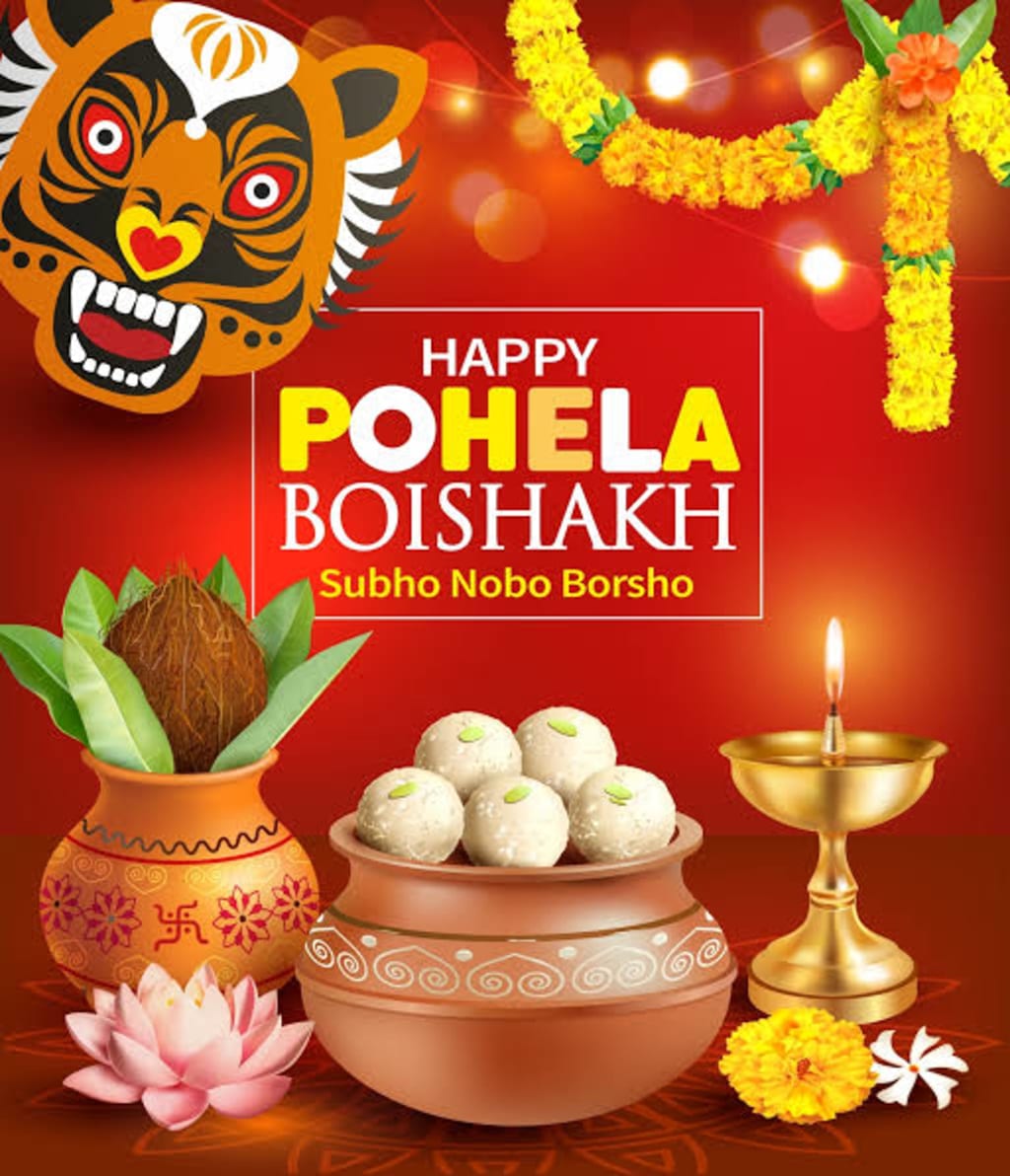
Every April, a wave of color, culture, and community sweeps across Bengal—and increasingly, the world. It’s called Bangla Noboborsho, the Bengali New Year, and it’s not just a celebration. It’s a living, breathing cultural experience—one that combines ancient roots with modern spirit, artistic expression with community unity, and joy with deep meaning.
Even if you’ve never heard of it before, Noboborsho is a festival that’s bound to leave a mark on your heart. It’s visually stunning, emotionally powerful, and culturally rich—offering something for everyone, no matter where you're from.
A New Year with Old Soul
Celebrated on Pohela Boishakh, the first day of the Bengali calendar (usually April 14), Bangla Noboborsho has origins that go back over 400 years. It was introduced during the reign of Mughal Emperor Akbar in the 16th century, originally intended to align with the agricultural calendar for easier tax collection.
But what began as a practical reform has evolved into something far more meaningful: a festival that celebrates heritage, creativity, unity, and hope. Today, it’s a national holiday in Bangladesh, a cultural mainstay in West Bengal (India), and a growing celebration among Bengali communities in cities like New York, London, and Toronto.
And now, the world is beginning to take notice.
The Colors of Dawn: A Parade Like No Other
At sunrise in Dhaka, Bangladesh, thousands of people pour into the streets dressed in red and white—the symbolic colors of Noboborsho. The centerpiece? A dazzling public art procession known as Mangal Shobhajatra, led by students and artists from Dhaka University.
Giant handmade masks, papier-mâché tigers, birds, fish, and mythical creatures dance through the crowds. Each element carries deep symbolism: peace, unity, resilience, and renewal. The entire procession is an explosion of folk art and activism, celebrating cultural identity while rejecting extremism and division.
In 2016, UNESCO recognized Mangal Shobhajatra as an Intangible Cultural Heritage of Humanity—a testament to the celebration’s power to inspire beyond borders.
Unity Beyond Religion
What makes Bangla Noboborsho even more unique is its inclusive spirit. It’s not tied to any one religion, which is rare in South Asia. People of all faiths—Muslim, Hindu, Christian, Buddhist, and secular—celebrate side by side, united by language, art, and a sense of belonging.
In a time when the world is searching for connection and meaning, this celebration reminds us that culture can bridge divides—and festivals can be spaces of harmony and shared humanity.
Food from the Heart
No celebration is complete without food—and Noboborsho delivers a feast for the senses. Traditional dishes include panta bhat (fermented rice soaked in water), ilish maach (Hilsa fish), spicy lentils, mashed vegetables, and a variety of sweets like pitha, rosogolla, and sandesh.
But this isn’t just about indulgence—it’s a tribute to Bengal’s rural roots, harvest seasons, and the enduring bond between people and the land. The food is simple yet meaningful. Every bite tells a story.
Art in Every Detail
Homes and streets come alive with alpana, intricate patterns drawn using rice flour paste. Cultural programs featuring Rabindra Sangeet (songs by Rabindranath Tagore), folk dance, drama, and poetry fill the day. Markets overflow with handcrafted goods, traditional clothing, and blooming flowers.
And it’s not just tradition—it’s modern, too. Young artists remix folk motifs with pop culture. Influencers in Dhaka and Kolkata post Noboborsho fashion guides. Musicians drop fusion tracks inspired by Tagore and baul songs. The celebration is alive, evolving, and irresistibly Instagram-worthy.
The Global Bengali Wave
With the Bengali diaspora expanding, Noboborsho is now celebrated in cities around the world. Public parks in New York, Toronto, London, and Melbourne host Bengali New Year fairs, open to all. Non-Bengalis come to experience the music, the colors, the flavors, the warmth—and they leave inspired.
In this way, Noboborsho has become more than a regional event. It’s a cultural export, an ambassador for South Asian artistry, philosophy, and hospitality.
Why the World Should Join In
In an age of cultural fatigue and digital disconnect, Bangla Noboborsho offers something refreshingly authentic. It’s a celebration of starting over, but also of remembering who we are. It’s a reminder that joy doesn’t always come from grandeur—but from gathering, sharing, and creating together.
So whether you’re Bengali or simply a lover of culture, art, and human stories—this is a celebration worth knowing.
Shubho Noboborsho—Happy Bengali New Year. May this year bring you peace, creativity, and connections that matter.
About the Creator
Enjoyed the story? Support the Creator.
Subscribe for free to receive all their stories in your feed.
Comments
There are no comments for this story
Be the first to respond and start the conversation.