
Artifacts in Museums and Their Estimated Net Worth Understanding the Value of Humanity’s Preserved Heritage
Museums around the world preserve some of the most important artifacts ever created by human civilization. These artifacts include ancient tools, royal treasures, artworks, manuscripts, sculptures, weapons, and everyday objects that tell the story of human history. While museums are not profit-driven institutions, people often wonder about the net worth of the artifacts they hold. Estimating the value of museum collections is complex because many artifacts are priceless and irreplaceable, yet they still carry immense cultural, historical, and financial value.

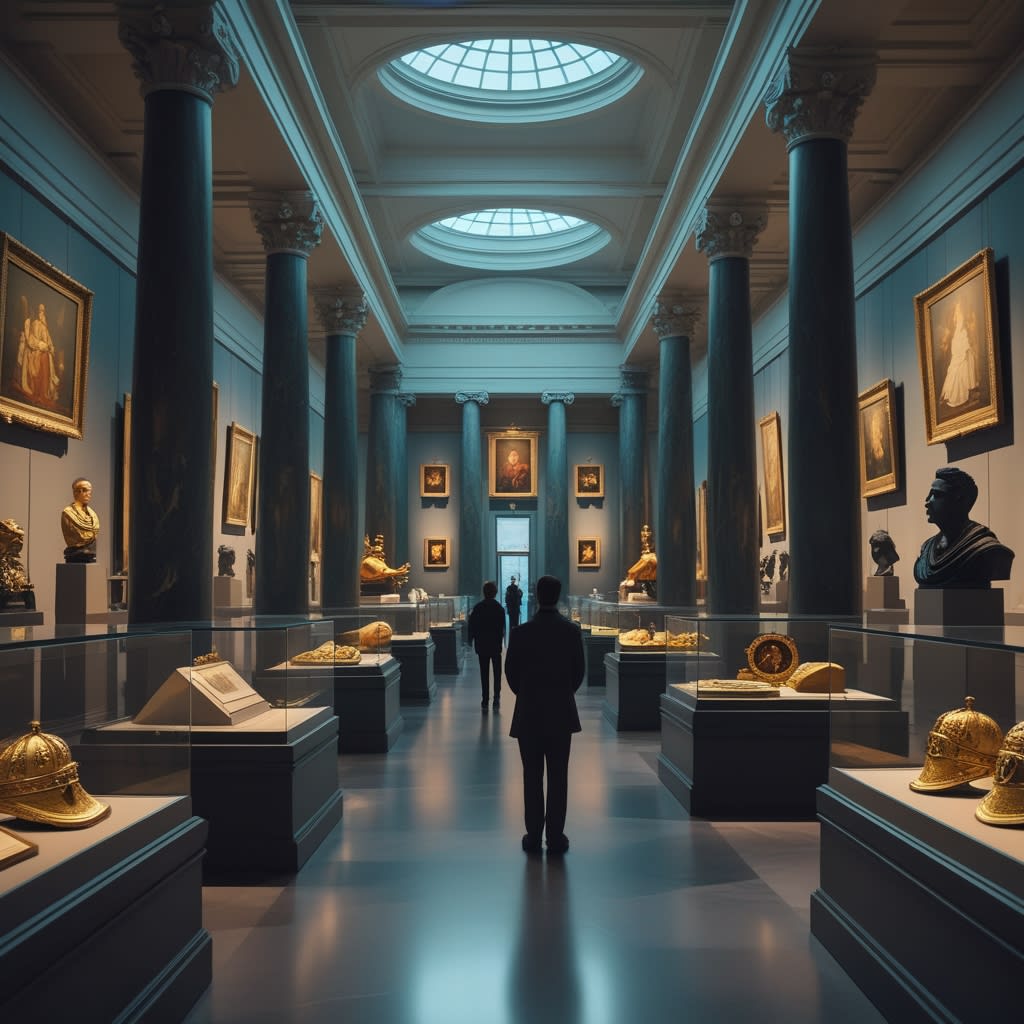
This article explores the types of artifacts found in museums and provides an estimated understanding of their overall net worth. What Are Museum Artifacts? Artifacts are objects made or used by humans that provide insight into history, culture, science, and art. Museums collect and preserve these objects to educate the public and protect heritage. Artifacts commonly found in museums include: Ancient tools and weapons Sculptures and statues Paintings and drawings Coins and jewelry Manuscripts and books Religious and ceremonial objects Scientific instruments Each artifact represents a moment in time and a part of human civilization. Types of Artifacts and Their Value 1. Ancient Civilizations Artifacts Artifacts from ancient civilizations such as Egypt, Mesopotamia, Indus Valley, Greece, Rome, and China are among the most valuable. Examples include: Egyptian mummies and sarcophagi Greek marble statues Roman coins and armor These items are often thousands of years old. A single well-preserved artifact from ancient Egypt or Greece can be valued at tens or hundreds of millions of dollars, depending on rarity and condition. 2. Royal and Imperial Treasures Many museums house royal artifacts such as: Crowns and regalia Thrones Jewelry Ceremonial weapons These items were often made from gold, silver, diamonds, and rare gemstones. For example, royal crowns and jewelry collections alone may be worth billions of dollars, even without considering their historical importance. 3. Paintings and Fine Art Paintings are among the most financially valuable museum artifacts. Famous artworks by artists such as Leonardo da Vinci, Michelangelo, Rembrandt, Van Gogh, and Picasso are considered priceless. If sold, individual paintings could be worth hundreds of millions or even billions of dollars. Museums like the Louvre, British Museum, Metropolitan Museum of Art, and Hermitage collectively hold artworks whose estimated value runs into hundreds of billions of dollars. 4. Manuscripts and Rare Books Ancient manuscripts are extremely valuable due to their rarity and fragility. Examples include: Religious texts Scientific manuscripts Historical documents Artifacts like ancient handwritten books, early printed texts, or royal records may be worth millions to hundreds of millions of dollars each. 5. Archaeological Finds Archaeological artifacts such as pottery, tools, seals, and ornaments provide insight into daily life in ancient times. While individual items may not always be visually impressive, their historical significance can make them extremely valuable. Entire archaeological collections are often valued in the billions of dollars. 6. Scientific and Technological Artifacts Museums also preserve scientific instruments and technological milestones such as: Early telescopes Medical equipment Space exploration artifacts Objects like early computers, space mission equipment, or scientific prototypes are valuable because they represent human progress. Why Estimating Net Worth Is Difficult Estimating the net worth of museum artifacts is challenging for several reasons: 1. Priceless Nature Many artifacts are considered priceless because they cannot be replaced. Even if a monetary value is assigned, it would not reflect their true importance. 2. Legal Restrictions Most museum artifacts are protected by law and cannot be sold. Their market value exists only theoretically. 3. Cultural and Emotional Value Artifacts often carry cultural identity and national pride, which cannot be measured in money. Estimated Net Worth of Major Museum Collections Although exact numbers are impossible, experts often estimate that: Large national museums hold collections valued between $50 billion and $200 billion USD Some global museum networks together preserve artifacts worth trillions of dollars Individual iconic artifacts may be valued at $500 million to over $1 billion USD These estimates include: Art collections Historical artifacts Cultural treasures Security and Preservation Costs Museums invest heavily in: Climate control Restoration Security systems Insurance These costs add indirectly to the value of artifacts by ensuring long-term preservation. Artifacts as Economic and Educational Assets Museum artifacts generate value by: Supporting tourism Educating future generations Encouraging research Strengthening national identity Museums contribute billions annually to local and global economies through tourism and education. Ethical Considerations There is growing debate about: Artifact ownership Repatriation to original countries Ethical collection practices These discussions further highlight that artifacts are more than financial assets—they are part of shared human heritage. Why Museum Artifacts Are Truly Priceless Unlike gold or real estate, artifacts: Cannot be recreated Represent unique historical moments Connect modern society to ancient civilizations Their destruction or loss would be irreversible. Conclusion Artifacts preserved in museums represent the collective memory of humanity. While their estimated net worth runs into hundreds of billions or even trillions of dollars, their true value goes far beyond money. These objects preserve knowledge, culture, and identity across generations. Museums serve not as vaults of wealth, but as guardians of history—protecting treasures that belong to all of humanity.
About the Creator
Say the truth
"Say the Truth: Explain Everything in the World" is your trusted source for uncovering facts and exploring the wonders of history, science, technology, and beyond. We simplify complex ideas and reveal truths to inspire curiosity .
Enjoyed the story? Support the Creator.
Subscribe for free to receive all their stories in your feed.
Comments
There are no comments for this story
Be the first to respond and start the conversation.