
“The Mandalorian”, Movie Theaters, and the $100 Question.
How rising costs, streaming culture, fandom loyalty, political consumerism, and changing habits are transforming the modern moviegoing experience.

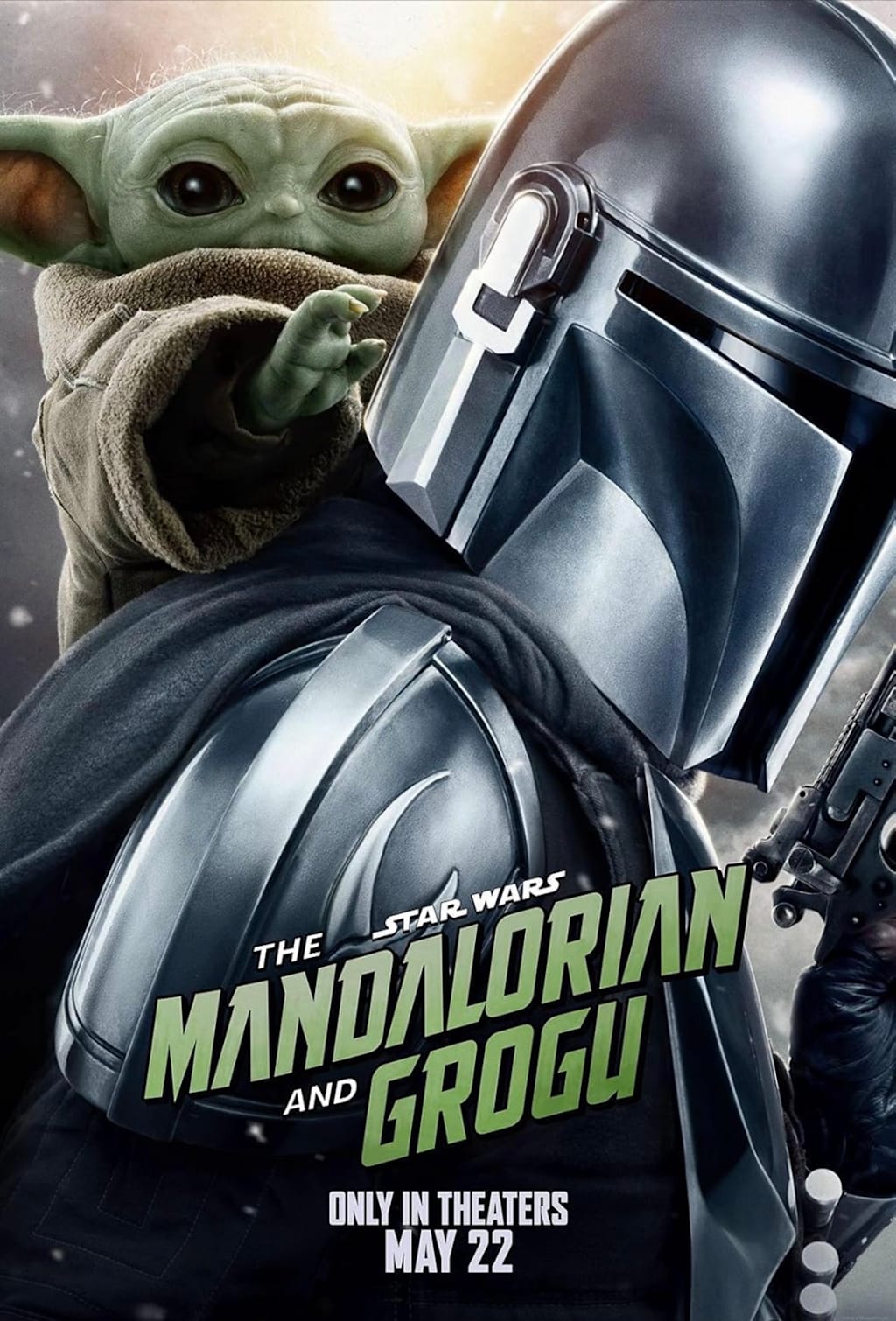
By the time The Mandalorian and Grogu movie arrives in theaters, many fans will already know exactly how they plan to experience it.
Some are preparing opening-night cosplay meetups with friends, family outings, or fandom events around the release. Some are budgeting carefully through theater membership programs and reward discounts. Others are waiting patiently for the film to eventually arrive on Disney+. And some audiences may skip the film altogether because of rising costs, political concerns, or changing entertainment priorities.
That divide says a lot about the current state of movie-going.
While discussing The Mandalorian and Grogu with fellow fans across Threads, Discord, and Messenger, I noticed something surprising. The conversation was no longer:
“Are you excited about the movie?”
Instead, people increasingly seemed to ask:
“Is going to the theater still worth it?”
That question may sound dramatic considering the continued popularity of blockbuster franchises, but modern moviegoing has become far more complicated than it once was. Rising ticket prices, expensive concessions, streaming convenience, rewards memberships, collector merchandise, transportation costs, inflation, political consumer activism, and changing audience habits have all transformed the theatrical experience into something people now actively calculate rather than casually take part in.
And yet, despite these pressures, audiences still clearly crave shared cinematic experiences.
The modern theater experience is not dead.
It is developing.
The Era of the “$100 Movie Night.”
For many families and friend groups, going to the movies is no longer a spontaneous activity. It has become a carefully planned outing that can easily become surprisingly expensive.
Tickets alone can add up quickly, especially for premium formats like IMAX or Dolby Cinema. Add popcorn, drinks, parking, transportation, childcare, or collectible merchandise, and a single theater trip for multiple people can approach–or exceed–$100.
That financial reality repeatedly came up throughout conversations I had online with fellow Star Wars fans. However, something interesting emerged from those discussions: very few people said they outright refused to see the movie because theaters were expensive.
Instead, movie people described how they were adapting to the cost.
Some fans discussed using subscription programs like Cinemark Movie Rewards to reduce ticket prices and receive concession discounts. Others mention “Super Ticket” promotions that included popcorn, drinks, or collectible items.
One person explained how reward points significantly lowered the price of a special promotional package. Another described how monthly memberships allowed unused tickets to roll over while also reducing concession costs.
These conversations reveal an important shift in movie-going culture: modern theaters increasingly operate like membership ecosystems rather than casual entertainment venues.
Frequent moviegoers are learning how to navigate the system through:
- Rewards memberships
- Subscription plans
- Loyalty discounts
- Bundled deals
- And premium-event promotions
For regular theater attendees, these systems can make moviegoing feel manageable. But for discounts, the same experience may feel financially overwhelming.
Moviegoing has become tiered.
Streaming Changed Audience Patience
Streaming has changed how audiences think about theatrical releases.
Before the streaming era, missing a movie in theaters often meant waiting months–or even years–to watch it again at home. Today, audiences know major studio releases will probably arrive on streaming platforms relatively quickly.
That changes the emotional urgency of theatrical viewing.
For many audiences, the debate surrounding The Mandalorian and Grogu is no longer:
“Do I want to see this movie?”
Instead, it becomes:
“Do I want to pay theater prices when I’m already subscribed to Disney+?”
That question especially affects casual audiences who enjoy franchises like Star Wars but do not feel emotionally attached to the theatrical experience itself.
Hardcore fans still prioritize opening-night excitement, giant-screen spectacle, audience reactions, and fandom culture. But more casual viewers increasingly weigh convenience against costs.
Streaming did not destroy movie theaters.
It simply raised the threshold for what audiences consider “theater-worthy”.
Fandom Still Has the Power to Override Economics
Despite all the financial concerns surrounding modern movie-going, one theme appeared repeatedly throughout my conversations with fellow fans:
For many audiences, Star Wars still feels emotionally tied to theatrical viewing.
One fellow cosplayer explained they had seen every Star Wars release possible and planned to continue the tradition no matter what. Their memories stretched back to childhood drive-in theater experiences and family outings centered on the nearly fifty-year-old franchise.
That response highlighted something box-office analysis often overlooks: For some audiences, theatrical moviegoing is not simply entertainment. It is a ritual.
Franchises like Star Wars are deeply connected to nostalgia, identity, fandom culture, and community. Seeing a new installment in theaters becomes part of maintaining a lifelong relationship with the franchise itself.
This helps explain why major event films still attract theatrical audiences despite rising costs and streaming competition.
People are not simply paying for a movie anymore.
They are paying for:
- Anticipation
- Shared excitement
- Fandom identity
- Cosplay culture
- Community
- Nostalgia
- And memory-making
Many times, the theatrical experience itself becomes the product.
Moviegoing has become increasingly social
Another pattern emerged clearly throughout my conversations online: people increasingly attend movies as organized social experiences rather than casual individual outings.
Fans described:
- Coordinating gaming groups
- Attending premieres in costume
- Planned birthday outings
- Organizing fandom meetups
- Or making opening night a full event.
This represents another major transformation in modern cinema culture.
Movie theaters are no longer competing only against streaming services. They are competing against the comfort and convenience of home entertainment while simultaneously trying to offer something streaming cannot fully replicate: collective experience.
For fandom-driven franchises like Star Wars, communal audience reactions, cosplay, cheering, and shared excitement become part of the attraction itself.
Modern moviegoing increasingly resembles experiential entertainment rather than passive viewing.
Even Concessions and Merchandise Reflect the Shift
Theater economics also rely heavily on concessions, but audience habits surrounding food and merchandise are changing, too.
Many moviegoers are becoming both more health-conscious and more budget-conscious. Some choose to eat beforehand, skip concessions entirely, or quietly bring snacks from elsewhere to avoid both high prices and unhealthy options.
Theaters continue expanding premium concession and merchandise offerings tied to blockbuster releases.
Specialty popcorn buckets, collectible cups, themed tins, and exclusive merchandise have become major parts of the “event movie” business model. However, many of those products are manufactured overseas and may become more expensive because of tariffs and import costs.
This creates an ironic tension: the more theaters attempt to transform movies into premium collectible experiences, the more some audiences question whether the overall cost still feels worthwhile.
Yet for collectors and hardcore fans, those same items remain part of the fun.
Again, the theatrical experience itself is not disappearing. It is fragmenting into different audience priorities.
Politics and Consumer Activism Are Also Influencing Entertainment Choices
Economic concerns are no longer the only factor shaping moviegoing decisions.
In recent years, audiences have increasingly connected entertainment spending to political and ethical beliefs. Online campaigns encouraging boycotts of certain studios, celebrities, and entertainment brands over perceived ties to Israel or public positions regarding the ongoing genocide in Gaza have become more visible across social media.
As a result, some moviegoers now openly discuss whether they feel comfortable financially supporting specific companies, actors, or franchises at all.
This growing overlap between politics, fandom, and consumer activism may create additional challenges for major studios already navigating streaming competition, rising ticket prices, inflation, and franchise fatigue.
For companies like Disney, Warner Bros., Paramount Pictures, and Universal Pictures, the issue is no longer simply whether audiences are excited about a movie.
Increasingly, some consumers are also asking whether they want to support the companies behind those films. The real-world impact of online boycott campaigns remains difficult to measure conclusively. Social media outrage does not always translate directly into box-office failure, especially for globally recognized franchises.
The politicization of entertainment consumption reflects another way modern moviegoing has become more complicated than it was during earlier blockbuster eras.
The $100 Question Could Affect Hollywood’s Biggest Upcoming Films
The broader issue surrounding theatrical moviegoing may extend far beyond The Mandalorian and Grogu.
Rising entertainment costs and increasingly selective audience behavior might influence the performance of several upcoming franchise films over the next few years.
For Disney, the parent owner of the Star Wars franchise, movies like Spider-Man: Brand New Day, Avengers: Doomsday, and future franchise projects may all face audiences increasingly asking whether blockbuster experiences justify premium theatrical spending.
Meanwhile, Warner Bros. may encounter similar audience calculations surrounding future DC releases like Supergirl, while Universal could face them with ambitious, large-scale projects like The Odyssey.
That does not mean these films will fail financially. Major franchises still possess enormous cultural power, particularly when tied to nostalgia, spectacle, or established fandoms. However, audiences increasingly appear to be approaching theatrical releases more selectively than they did during the height of pre-streaming blockbuster culture. The challenge for modern studios may no longer be simply generating excitement.
It may be convincing audiences that the theatrical experience itself remains worth the cost.
Project Hail Mary Proved Audiences Still Show Up for the Right Movie
One of the most fascinating counterexamples to fears surrounding theatrical decline may be Project Hail Mary.
Despite lacking the massive merchandise machine associated with franchises like Star Wars or the Marvel Cinematic Universe, the film reportedly became both a critical and commercial success, largely thanks to strong reviews, emotional storytelling, audience enthusiasm, and word-of-mouth momentum.
Rather than relying heavily on endless collectible tie-ins or franchise familiarity, the movie succeeded by convincing audiences it was genuinely worth experiencing theatrically.
Its success suggests something important: modern audiences are not rejecting movie theaters themselves. Instead, many viewers appear to be reserving theatrical spending for films they believe offer something unique, emotionally resonant, visually spectacular, or culturally exciting enough to justify leaving home.
Project Hail Mary may represent an important lesson for Hollywood’s future: audiences still crave theatrical experiences–but increasingly only when the movie itself feels essential.
The Future of Moviegoing Is More Selective–Not Dead
What emerged most clearly from these conversations was not hatred towards movie theaters or even pessimism about cinema itself.
It was selectivity.
Modern audiences still love movies. They still crave shared experiences. They still want fandom, excitement, spectacle, nostalgia, and community.
But audiences are becoming increasingly strategic about:
- Which movies deserve theater money?
- How do they save on tickets?
- What formats do they choose?
- Whether the experience feels worthwhile
- And whether the companies behind those films align with their personal values.
The future of moviegoing may belong less to casual weekly outings and more to carefully chosen event experiences.
And films like The Mandalorian and Grogu sit directly at the center of that transformation.
Because even in an age dominated by streaming, inflation, subscriptions, fandom fragmentation, and political consumerism, audiences still occasionally want to gather in the dark and experience something larger than themselves.
The question is no longer whether theaters can survive.
The question is what kind of theatrical experience audiences are still willing to pay for.
About the Creator
Jenna Deedy
Just a New England Mando passionate about wildlife, nerd stuff & cosplay! 🐾✨🎭 Get 20% off @davidsonsteas (https://www.davidsonstea.com/) with code JENNA20-Based in Nashua, NH.
Instagram: @jennacostadeedy
Enjoyed the story? Support the Creator.
Subscribe for free to receive all their stories in your feed. You could also become a paid subscriber, letting them know you appreciate their work.
Comments
There are no comments for this story
Be the first to respond and start the conversation.