
Jem and The Holograms: Why This 80s Icon Still Matters 40 Years Later
And Why Women & The LGBTQ+ Community Have Embraced Her!


In 1985, amidst a sea of cartoons designed to sell toys, Jem and The Holograms burst onto television screens with a message that was louder, bolder, and more vibrant than its competitors.
Created by Christy Marx and produced by Hasbro, Jem was a unique blend of music videos, high-fashion fantasy, and girl-powered adventure. But beyond the glitter and neon lights, Jem planted seeds of empowerment, self-expression, and inclusivity that continue to resonate with fans—especially women and the LGBTQ+ community—four decades later.
As we approach Jem’s 40th anniversary, it’s worth asking: Why does this show still hold such a special place in people’s hearts? And how did a “toy commercial cartoon” become an accidental beacon of representation for generations to come?
More Than A Pop Star: Jem as a Feminist Icon
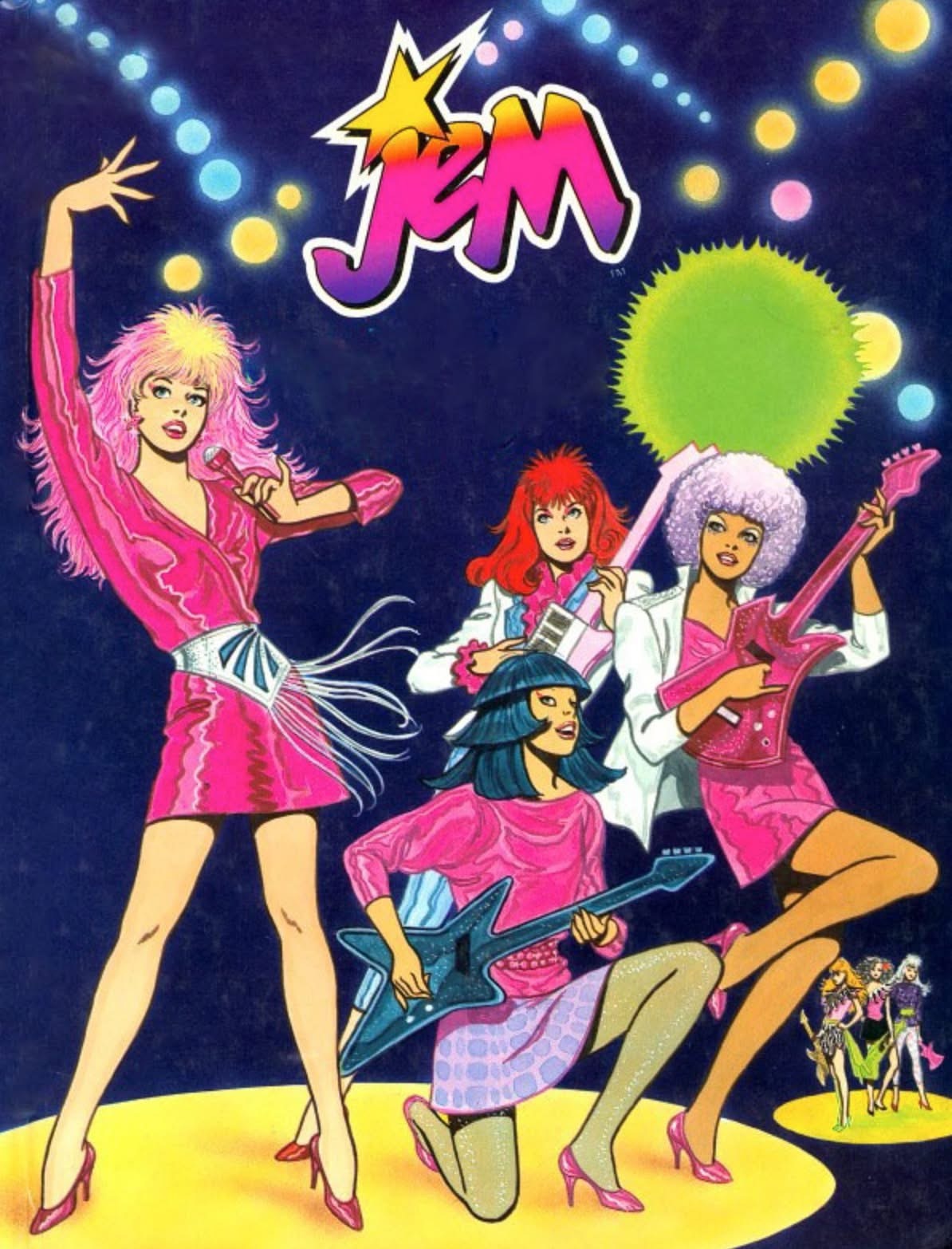
At its core, Jem was revolutionary for centering on a strong female protagonist who wasn’t defined by her relationship to a man.
Jerrica Benton was the CEO of Starlight Music by day, a caretaker for foster girls, and a glam-rock superstar by night. She wasn’t a sidekick, a love interest, or a damsel in distress—she was the boss, the hero, and the star.
For young girls watching in the 80s, Jem was proof that women could lead, create, and thrive on their own terms. The show tackled themes like corporate sabotage, artistic integrity, and even issues like homelessness and child welfare.
Jem’s dual identity wasn’t just a plot device—it was a metaphor for the multiple roles women juggle in society, from career to caretaking to self-expression.
In an era when female-led cartoons were rare, Jem’s unapologetic glamour and leadership carved out a space where girls could see themselves as powerful and multidimensional.
A Queer Aesthetic Ahead of Its Time
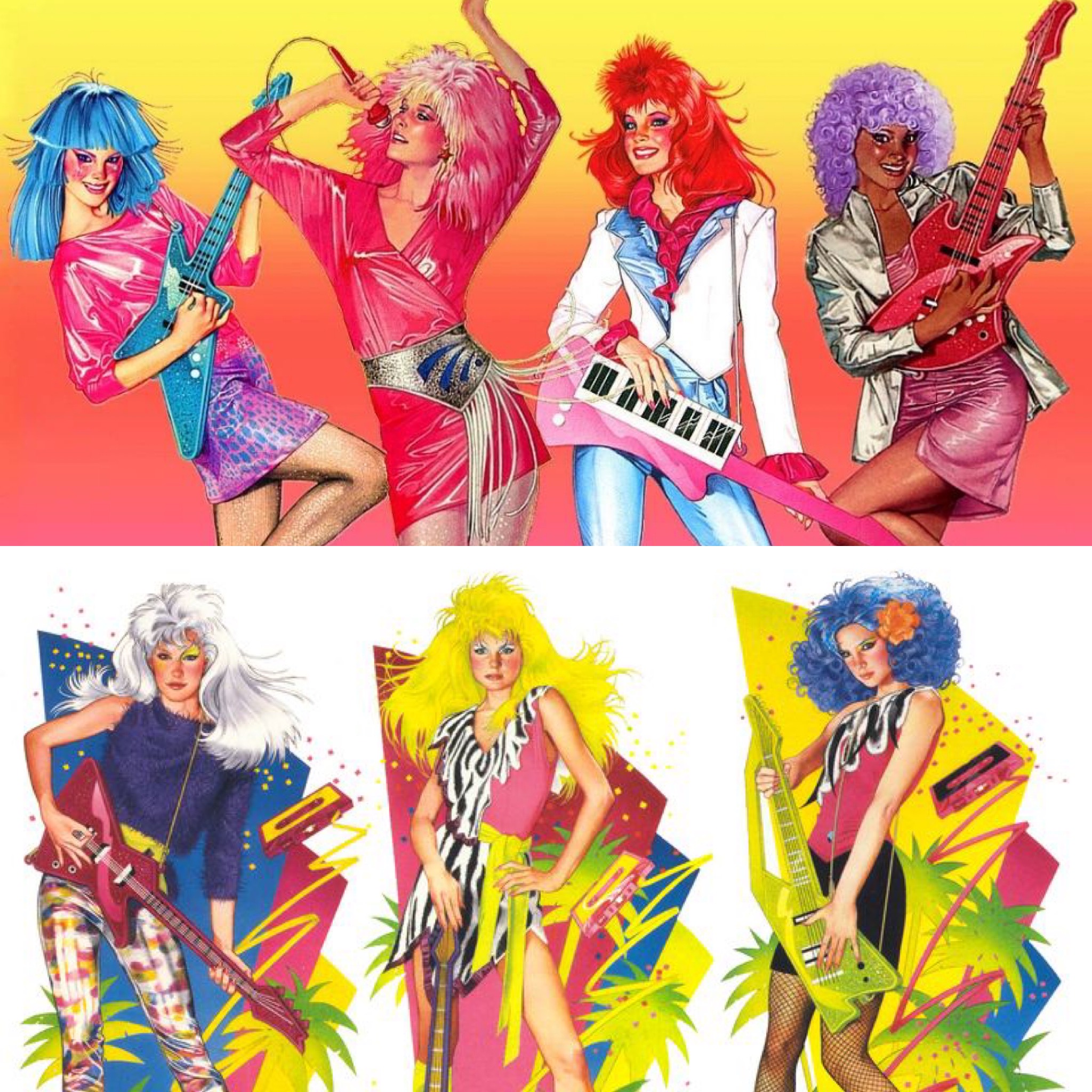
Though Jem and The Holograms never explicitly addressed LGBTQ+ themes, its impact on the queer community is undeniable.
From the campy, over-the-top fashion to the fluidity of Jem’s identity, the show spoke to a generation of LGBTQ+ kids who were looking for role models in a media landscape that rarely reflected them.
Jem’s alter ego, created through the holographic AI Synergy, is a powerful metaphor for chosen identity—a concept that deeply resonates with many in the LGBTQ+ community.
Jem’s transformation wasn’t about hiding; it was about embracing a part of herself that society didn’t always understand. This idea of “becoming your truest self” through self-expression has become a cornerstone of queer narratives in media.
Then there were The Misfits—riotous, punk-inspired, and gloriously villainous. Their “bad girl” energy, with subversive fashion and aggressive independence, captured the hearts of LGBTQ+ fans who saw reflections of their own rebellion against rigid societal norms.
The Music, The Fashion, The Legacy
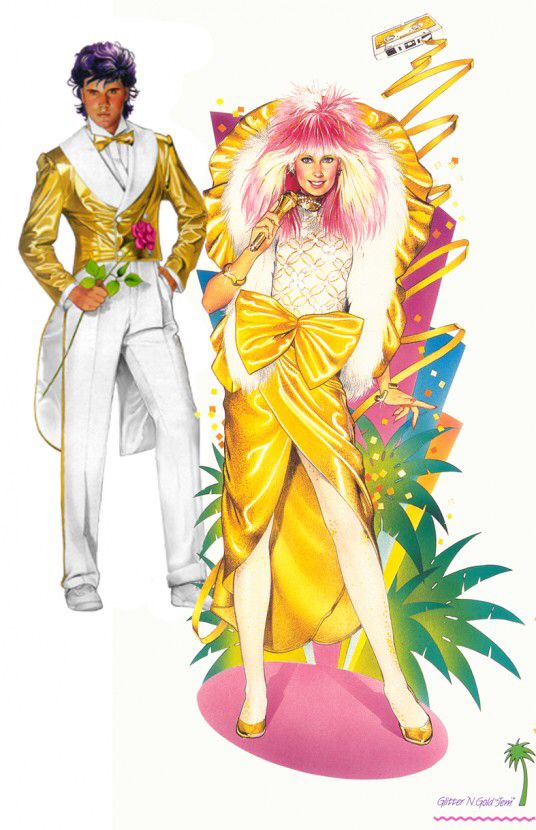
Jem’s soundtrack was another crucial part of its appeal. The show’s infectious pop songs, each accompanied by vibrant music videos, gave viewers a taste of MTV glam wrapped in an animated package. These weren’t just catchy jingles—they were anthems of empowerment, often touching on themes of self-confidence, friendship, and resilience.
Fashion-wise, Jem was a visual feast. The bold neon colors, oversized earrings, asymmetrical hairstyles, and spandex bodysuits weren’t just 80s trends—they became symbols of fearless self-expression.
Decades later, drag performers, pop artists, and fashion influencers cite Jem as a major influence on their aesthetics.
Jem’s Enduring Relevance in 2025
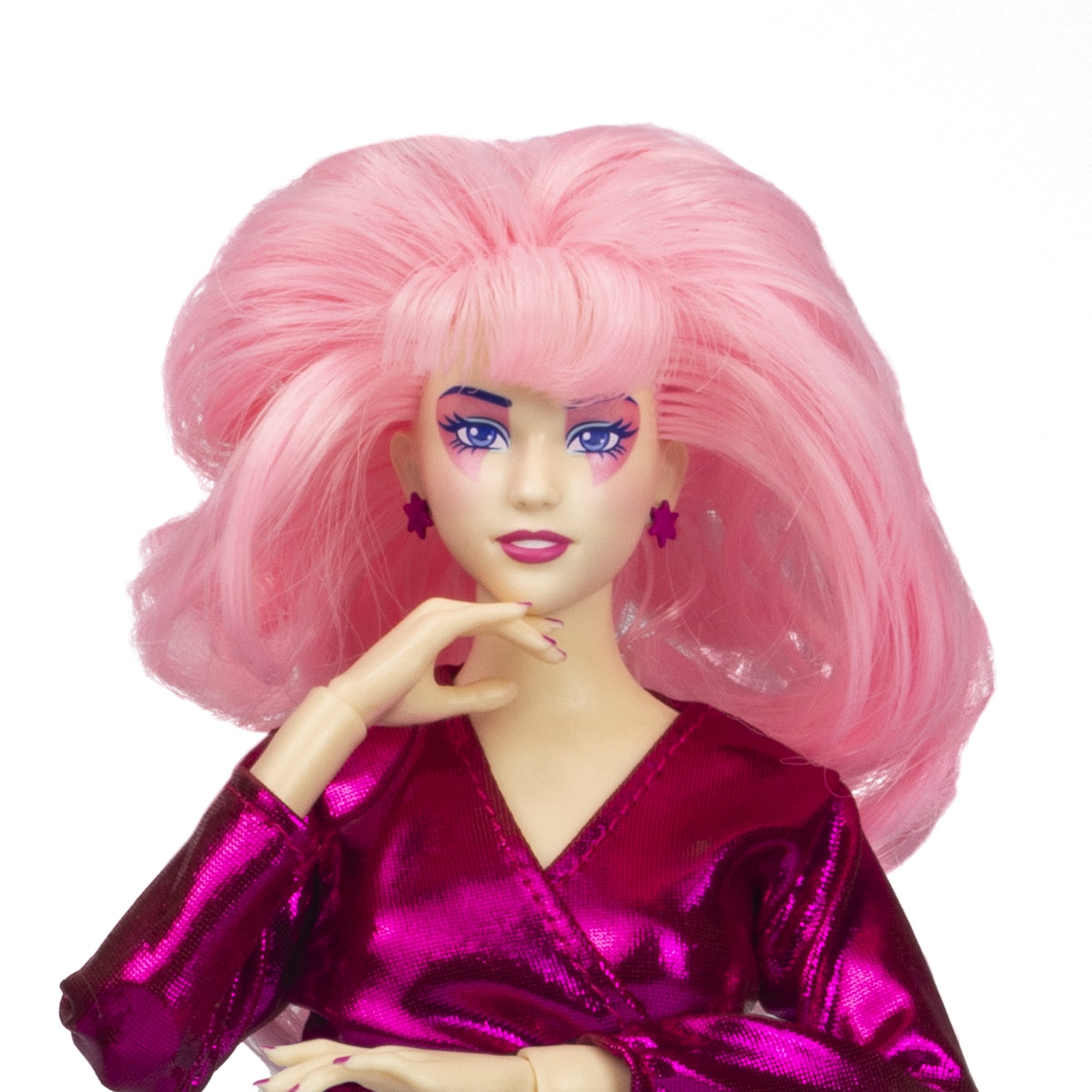
In a media landscape that now embraces reboots and nostalgia, Jem’s message feels timelier than ever.
Shows like She-Ra and The Princesses of Power and Steven Universe carry on Jem’s legacy of inclusive storytelling and gender fluidity. But even as newer shows push boundaries, Jem’s “truly outrageous” spirit remains iconic because it laid the groundwork for these conversations when they weren’t mainstream.
The LGBTQ+ community continues to embrace Jem as a symbol of self-empowerment and flamboyant joy.
Fan conventions, cosplay events, and online communities have kept the holographic flame alive.
Meanwhile, women who grew up watching Jem still hold her up as an early role model who showed them it was okay to be ambitious, creative, and bold.
Conclusion: Jem is Forever!
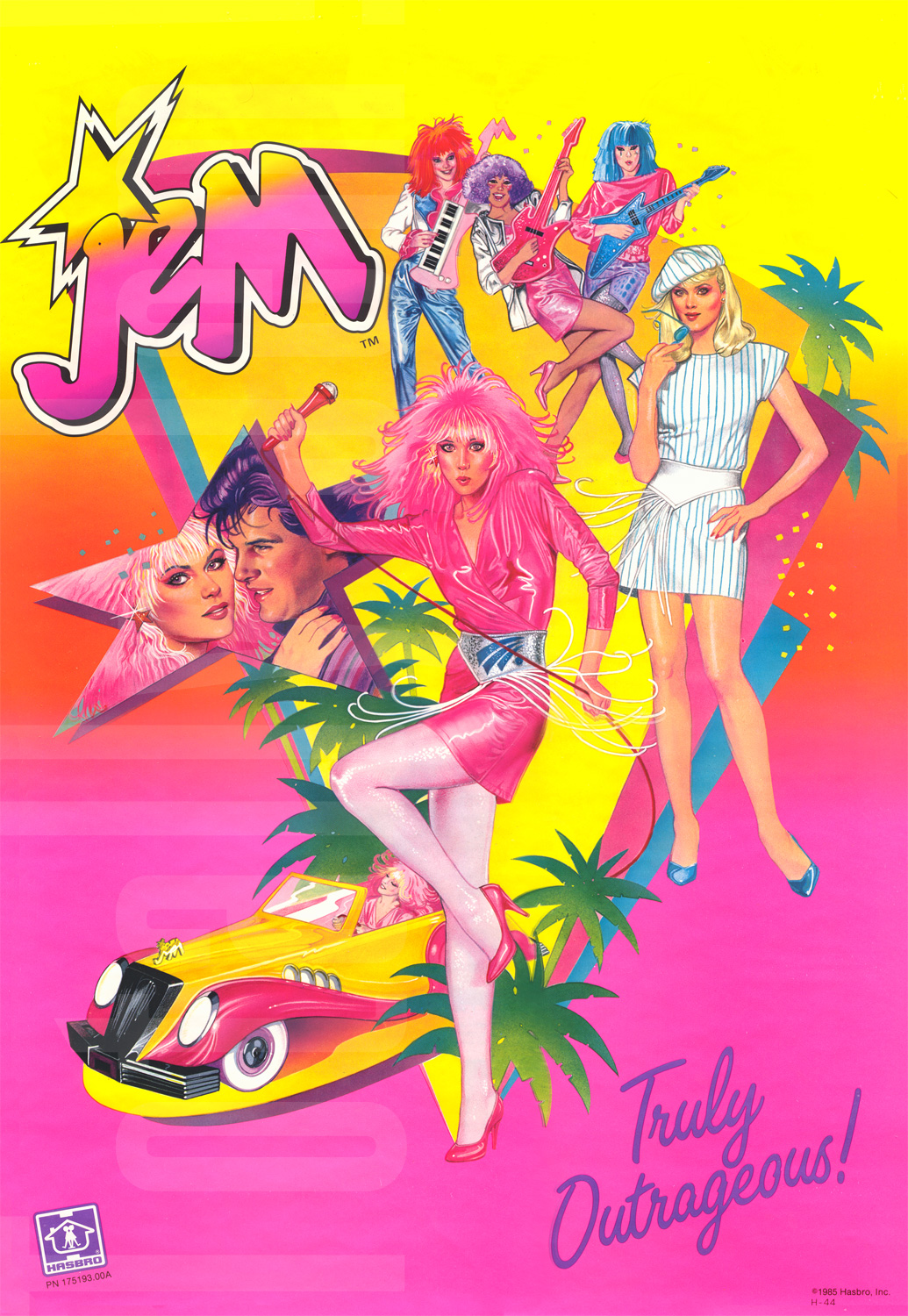
As Jem and The Holograms approaches its 40th anniversary, its relevance hasn’t dimmed—it has evolved. What began as a cartoon designed to sell dolls has become a cultural touchstone for empowerment, identity, and fierce self-expression.
For women and LGBTQ+ fans, Jem is more than nostalgia; she’s a reminder that being truly outrageous means owning your voice, your style, and your story, no matter what society expects.
About the Creator
Edwin Betancourt Jr.
Edwin is a published Author, Poet and Playwright hailing from the Bronx, NY.
When he isn’t working on stories, he can be found creating homemade lip balms and customizing dolls.
Enjoyed the story? Support the Creator.
Subscribe for free to receive all their stories in your feed.
Comments
There are no comments for this story
Be the first to respond and start the conversation.