
I Grew Up on Tom and Jerry. Only Later Did I Realize What It Really Took.
Seven Oscars, 15,000 drawings per episode, and a cat-and-mouse chase that outlasted the studio system that made it.
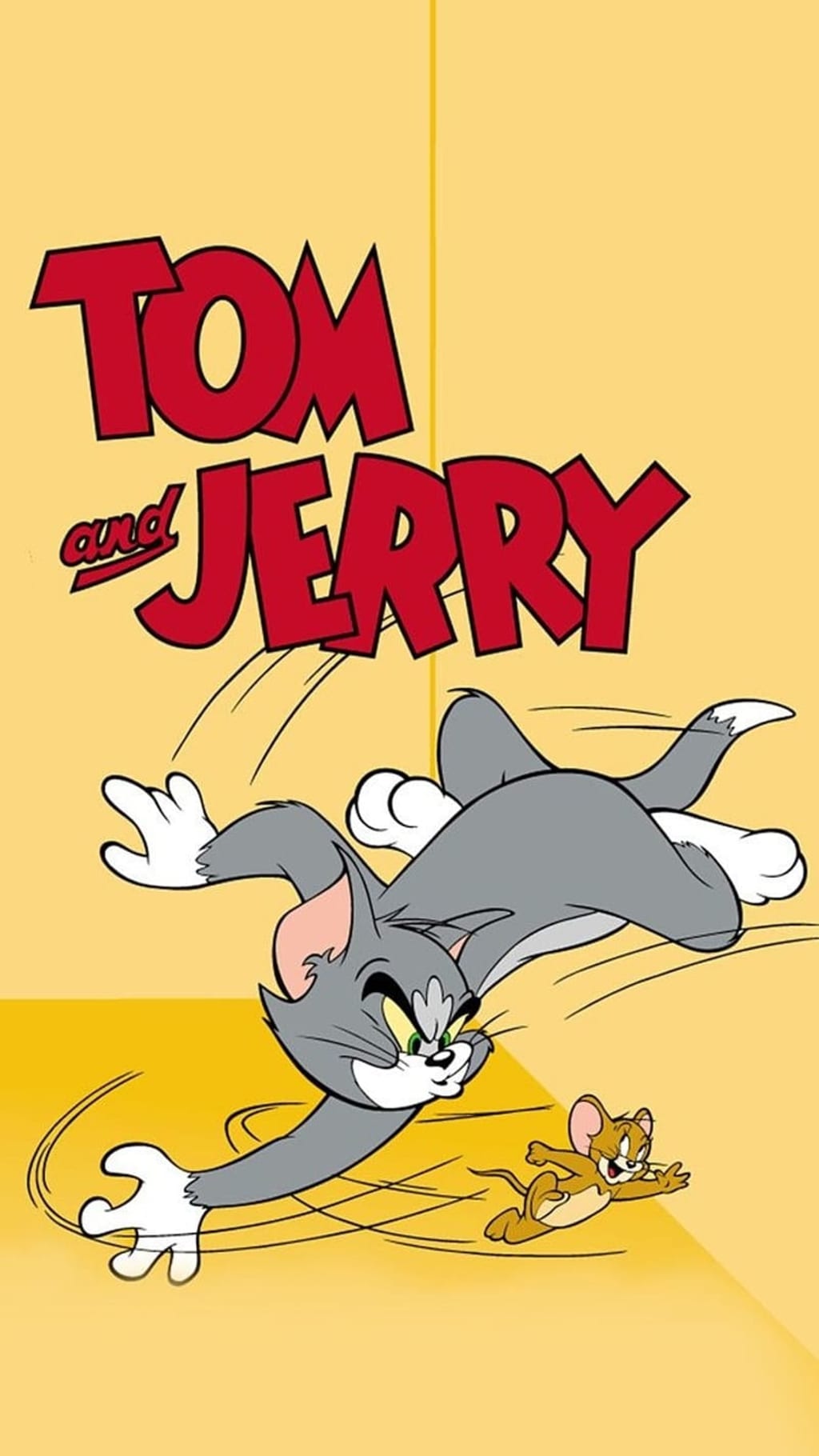
Why Tom and Jerry Is Hard to Copy
On February 10, 1940, an animated short about a cat chasing a mouse opened in American theaters. The test screening drew a weak response. MGM executives considered dropping the project. The short, Puss Gets the Boot, earned an Academy Award nomination for Best Animated Short. It also started a series that has lasted more than eighty years.
Tom and Jerry has won seven Academy Awards for Best Animated Short and received five nominations. That breaks the Oscar record held by Disney's Mickey Mouse series. Hand-drawn animation is now mostly history. Looking back, one question remains: why did a chase comedy with no dialogue and seven-minute episodes become such a high standard in world animation?
From Jasper and Jinx to Tom and Jerry
In 1937, the United States was still in the Great Depression. William Hanna and Joseph Barbera met at MGM's animation studio. Hanna had a gift for comedy and directing. Barbera was known for drawing. They worked well together and created a pair of characters who conflict but remain equal: a cat and a mouse. The chase idea came from early comedy films, where chase scenes were common.
The cat was first named Jasper. The mouse was Jinx. MGM's boss disliked both names. The studio held a public vote. "Tom and Jerry," proposed by animator John Carr, won. The names marked a shift. The pair became characters with separate personalities and their own pull.
In 1940, after Puss Gets the Boot came out, Hanna and Barbera decided to keep making cat-and-mouse cartoons despite their supervisor's opposition. In June 1941, The Midnight Snack aired. Tom and Jerry made their official debut. Over the next 17 years, the two made 114 episodes. The series became MGM's most successful animated property.
When classical music meets animation
Tom and Jerry's strongest artistic achievement is its use of music. Music director Scott Bradley built a scoring language for an almost dialogue-free cartoon. The music ties to actions, characters, and emotions. He used classical music and jazz styles such as Dixieland, Big Band, Swing, and Bebop. The result was a "Mickey Mousing" model that became a benchmark for early animation music.
More than 30 classical works appear in the series. They include Emperor Waltz, The Blue Danube, Voices of Spring, Die Fledermaus Overture, and Symphony No. 5. These pieces shape the story. The rhythm and mood of the music match the characters' movements and the plot turns. The cartoon becomes a musical performance you can watch.
The clearest example is The Cat Concerto (1947). In this Oscar-winning short, Tom wears a tailcoat and plays Liszt's Hungarian Rhapsody No. 2. His fingers match the real piano keys. Chinese pianist Lang Lang has said many times that this episode made him fall in love with the piano. "In the cartoon Tom and Jerry, there is an episode called 'The Cat Concerto.' It left a deep impression on me. Its influence was even greater than The Musical Kingdom."
Tom and Jerry pulled classical music out of the concert hall. It became part of every fall and tumble in the chase. That ability to join high art and popular entertainment is why the series outlasted many of its peers.
Three eras, three styles
The series changed style many times. Three director eras produced three different looks.
The Hanna-Barbera era (1940-1958, episodes 1-114) was the golden age. This is the core of Tom and Jerry. All seven Oscars came from this period. Hanna and Barbera combined drawing and music with unusual precision. The era produced The Yankee Doodle Mouse, Mouse Trouble, Quiet Please!, The Cat Concerto, The Little Orphan, The Two Mouseketeers, and Johann Mouse. Its Douban rating is still 9.7. The version was not perfect. Later episodes reused sequences and included compilation episodes. That showed a drop in fresh ideas. Those flaws are small next to the era's overall achievement.
The Gene Deitch era (1961-1962, episodes 115-127) is the one many fans skip. MGM closed its animation department in 1957. It restarted the series in 1961 and hired Oscar winner Gene Deitch. Deitch's team came from Czechoslovakia. The budget was only $10,000. Hanna-Barbera had up to 150 people and as long as 18 months for one episode. These 13 episodes had rough drawing and stiff movement. The warm humor of the cat and mouse became strange and harsh. Tom and Jerry looked sinister or fierce. Jerry became ruthless and unsympathetic. Classical music gave way to electronic music with a sci-fi feel. The change was complete. On Douban, this version scores around 4. The golden age scores 8.5.
The Deitch version still sold well. It replaced Bugs Bunny, which had led for 16 years, as the top-grossing animated cartoon of those two years. Market success and artistic quality do not always match. Deitch was not a minor talent. He won an Academy Award for Best Animated Short with Munro. He also worked on Popeye. His Czech wife, Zdenka, produced The Little Mole. He was simply wrong for Tom and Jerry.
The Chuck Jones era (1963-1967, episodes 128-161) is stranger. Warner Bros. animation director Chuck Jones took over. His style mixed Hanna-Barbera humor with Deitch violence. Jones pushed poses and personalities. The stories were not strong enough. The result did not fully work. His imagination still mattered. He moved the stories beyond the master's house into other times and places. Quality varied. Later episodes improved. Ah, Sweet Mouse-Story of Life has a 9.3 on Douban. Cannery Rodent has a 9.1. The era still could not match the golden age.
From CCTV to dialect versions
On the evening of August 25, 1991, CCTV-1 aired Tom and Jerry for the first time. It shaped tens of thousands of Chinese viewers. For most people born in the 1980s and 1990s, the chase between Tom and Jerry is one of the clearest childhood images.
In China, the series spread through dialect dubbing. Around 2004, versions appeared in Northeastern, Beijing, Sichuan, Shaanxi, and Shanghai dialects. The Sichuan version became the most famous. Tom became "Jia Laolian." Jerry became "Feng Cheche." The big dog became "Men Dun'er." These are humorous names in Sichuan dialect. The dialect versions became local recreations. Before the internet was widespread, dialect discs helped Tom and Jerry reach lower-tier markets. Few other cartoons matched that reach.
The localization worked because the series has almost no dialogue. With no dialogue, dialect dubbing could fit easily. The American cartoon entered ordinary homes across China in a local voice.
Craftsmanship: 15,000 drawings for seven minutes
Tom and Jerry was made with extreme care. In the hand-drawn era, each 7-to-8-minute episode needed about 15,000 in-between drawings. A team of up to 150 people spent months or even 18 months on one episode. One episode took as long as a feature film today.
That level of spending came from Hollywood's studio system. Animators had long production cycles and creative freedom. They did not have to cut art for commercial return. That model is almost impossible today. The animation industry now chases efficiency and cost control. A team of 150 spending a year and a half on seven minutes no longer makes business sense.
Why the classic is hard to copy
Tom and Jerry came from a specific historical moment. It was born in the golden age of Hollywood. It had MGM's budget, a highly skilled team, and an era that respected animation as art. Hanna and Barbera were a rare pair. One was good at rhythm and direction. The other was good at story and drawing. Their skills fit together in a way that is hard to reproduce.
The series also used simple mime to carry broad emotions. Tom and Jerry are enemies and friends. They tease each other and depend on each other. That friend-enemy split follows a basic literary archetype. You can watch the show until you are 80. Children see laughter. Adults see a metaphor for life.
Tom and Jerry has run for more than eighty years. It saw the golden age of hand-drawn animation. It lived through television and the digital age. It won seven Oscars. It also took wrong turns. It made Lang Lang love the piano. It also helped a COVID-19 patient in Hangzhou find comfort in a hospital ward.
Advanced technology and big funding do not explain why the series is hard to copy. The era explains it. A studio once spent 15,000 hand-drawn sketches for seven minutes of laughter. It once spent 18 months polishing one short. When we watch Tom play Hungarian Rhapsody today, we miss more than childhood. We miss what animation could do when studios gave it that much time and money.
About the Creator
Jin
Writer of reamstories
https://reamstories.com/jin
Enjoyed the story? Support the Creator.
Subscribe for free to receive all their stories in your feed. You could also become a paid subscriber, letting them know you appreciate their work.
Comments
There are no comments for this story
Be the first to respond and start the conversation.