
Death by the Darksaber
Why Some Character Deaths Don’t Just End Stories—They Break Them Open

Trigger Warning: The following article contains mention of upsetting scenes that have resulted in character deaths.
There’s a certain death in fiction that doesn’t behave like normal storytelling.
Most character deaths do what you expect: they create grief, motivate revenge, or close an arc. But every so often, a character dies, and something strange happens. The world around them doesn’t just react–it reconfigures. Power shifts. Relationships fracture. Entire political systems, belief structures, or emotional ecosystems suddenly feel unstable.
It’s not just that someone important is gone. It’s that they were holding something together. I’ve started thinking of these moments as a single pattern:
Death by the Darksaber
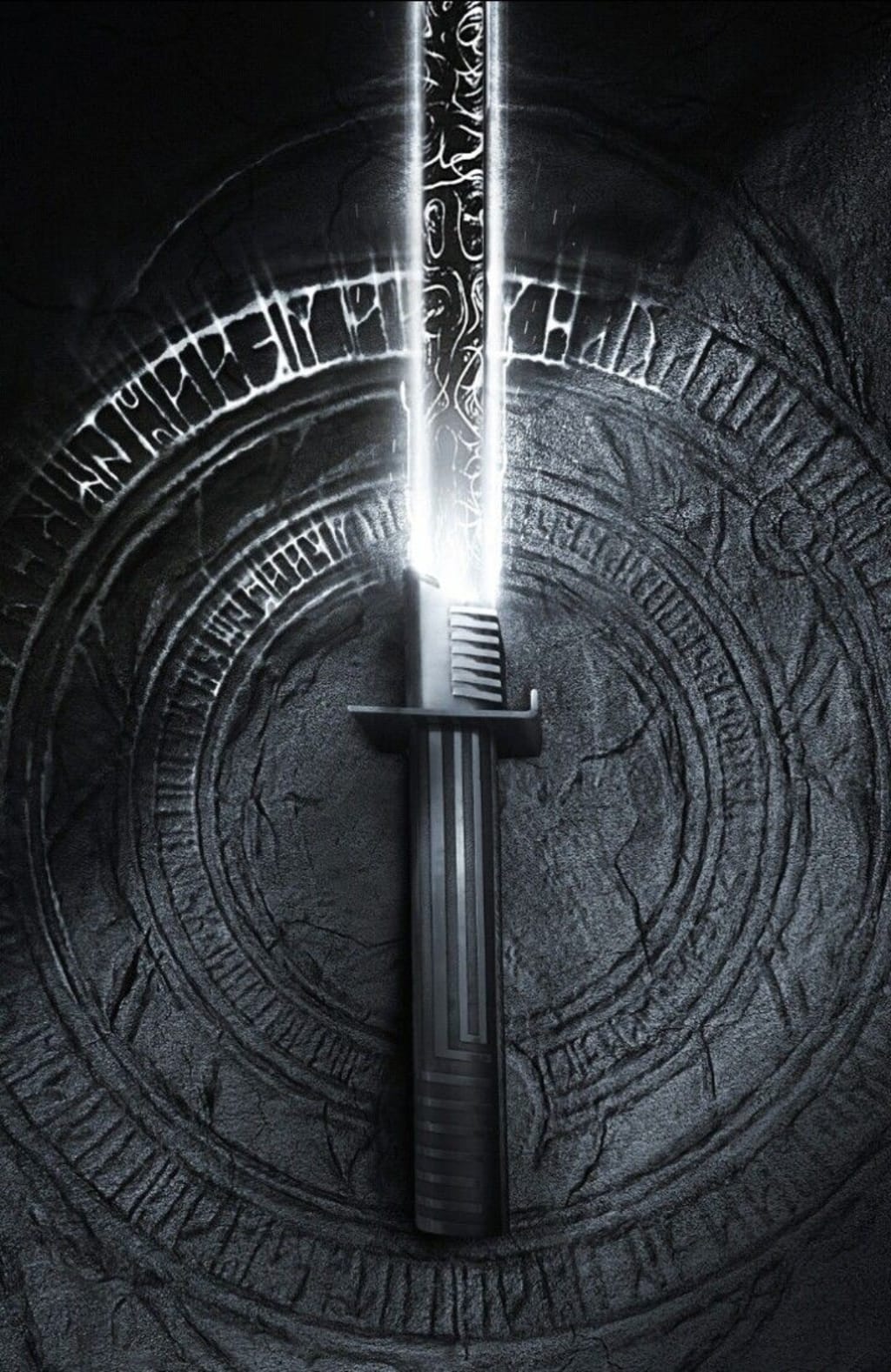
Not because of the weapon itself, but because of what it represents in Star Wars: legitimacy, power, inheritance, and the illusion that a single object or person can carry order.
This trope isn’t about death as an event. It’s about death as a system failure.
The Origin Point: Satine Kryze
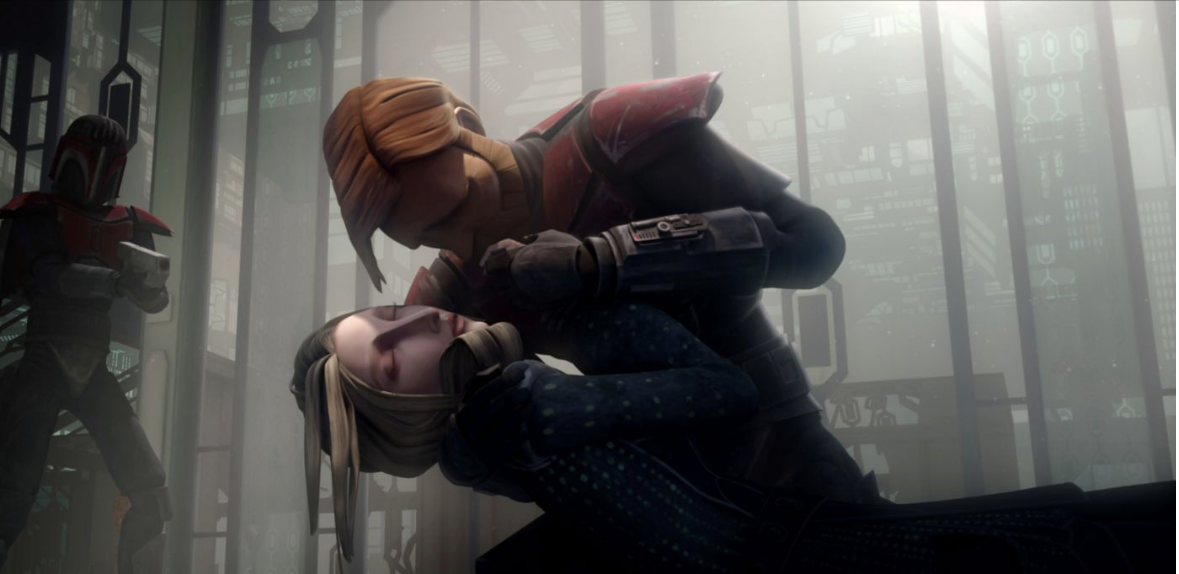
The clearest starting point for this idea comes from Star Wars: The Clone Wars. The death of Duchess Satine Kryze of Mandalore doesn’t play like a typical tragedy–it lands like a collapse.
Satine isn’t a warrior nor a chosen one. She’s something more fragile and, more importantly, she represents a political possibility. War does not define Mandalore, but by restraint. She represents the idea that Mandalorians don’t have to be defined by violence. When she is executed by Darth Maul with the symbolically loaded Darksaber, it isn’t just a personal loss.
It’s the death of an idea.
- The fallout is immediate and irreversible:
- Mandalore loses its ideological center,
- Power fractures into instability and control.
- Even her best friend, Obi-Wan Kenobi, carries a quiet, permanent emotional fracture.
What dies with Satine isn’t just a person. It’s a version of a future that can never happen.
That’s the blueprint.
What “Death by the Darksaber” Actually Means
A “Death by the Darksaber” moment happens when a character functions as a keystone, someone whose presence quietly stabilizes a system, and their removal causes that system to fail in multiple directions at once.
These moments share three defining traits:
- Hidden dependence: the world relies on them more than it realizes.
- Cascading fallout: multiple layers collapse simultaneously.
- Irreversibility: the story cannot return to what it was before.
Once you recognize the pattern, it shows up everywhere.
When a King Falls: The Lion King
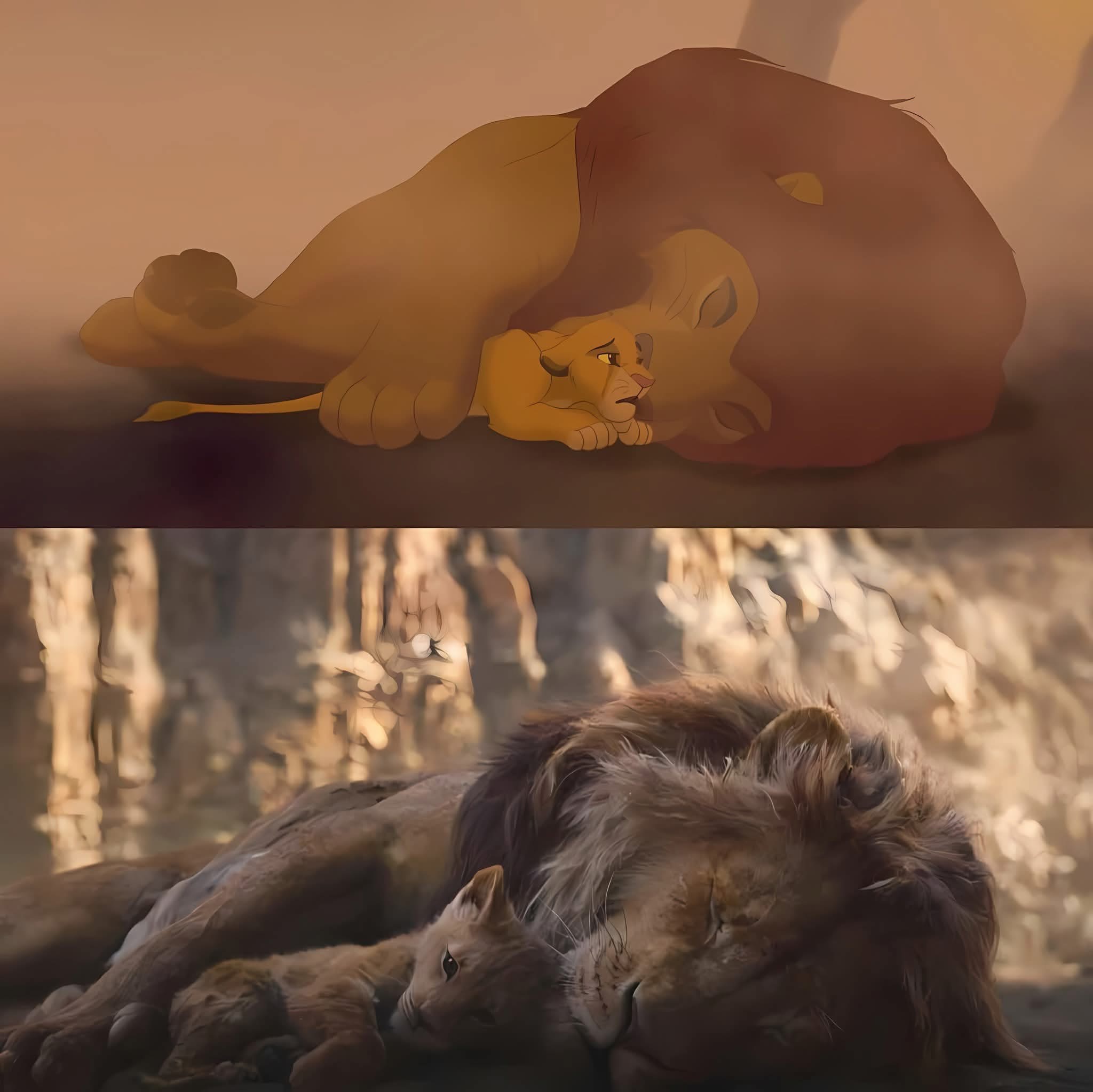
In The Lion King, the death of Mufasa isn’t just a child losing a father. It’s the collapse of a world. The Pride Lands are decaying. Leadership is corrupted under Scar. The natural order itself breaks.
Mufasa wasn’t just a ruler. He was a true balance.
When the Protector Dies: Harry Potter
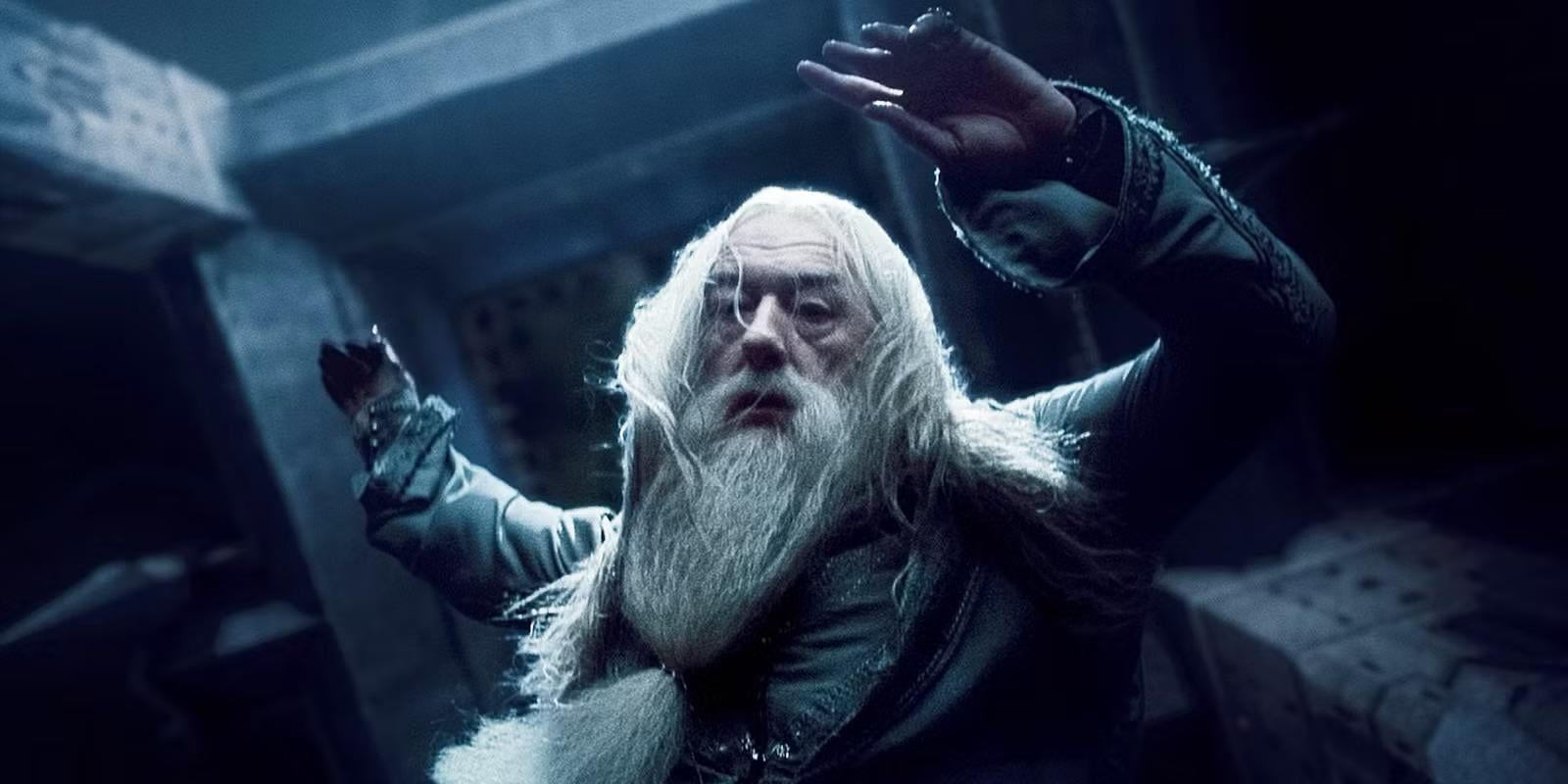
In Harry Potter, losing Albus Dumbledore marks the end of safety. Hogwarts doesn’t fall immediately–but it stops feeling protected. The story shifts from preparation to confrontation. Harry Potter himself is no longer guided–only propelled forward.
Dumbledore wasn’t just powerful. He was a form of containment.
When Heroes End an Era: Marvel
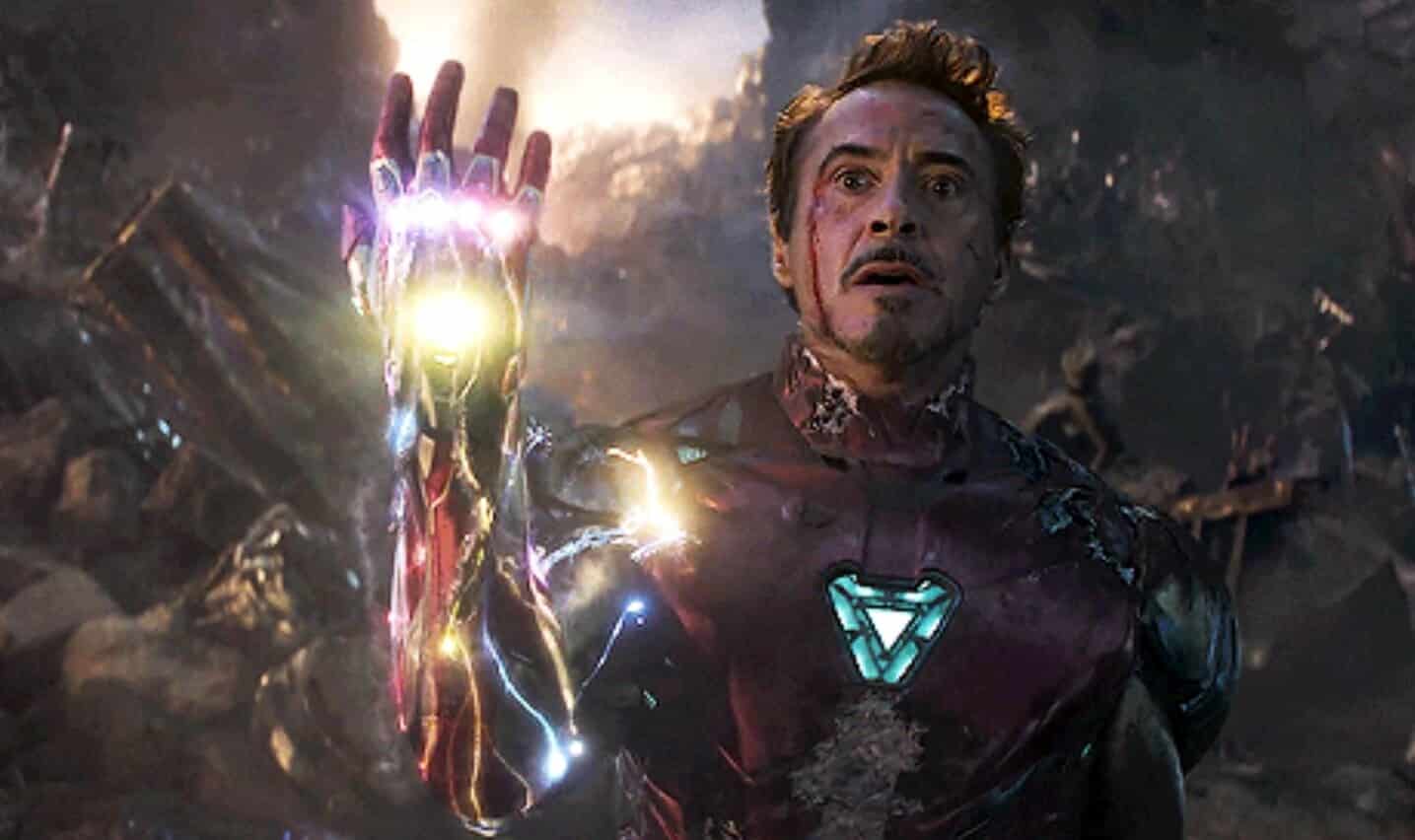
In Avengers: Endgame, the death of Tony Stark doesn’t just conclude a character arc. It closes a chapter of the universe itself.
The Avengers fragment. Mentorship disappears. Characters like Peter Parker are left to navigate a world without the person who helped define it. Marvel doesn’t just remove Tony.
It removes the structure he helped hold together.
When the Heart of the Team Falls: X-Men’97
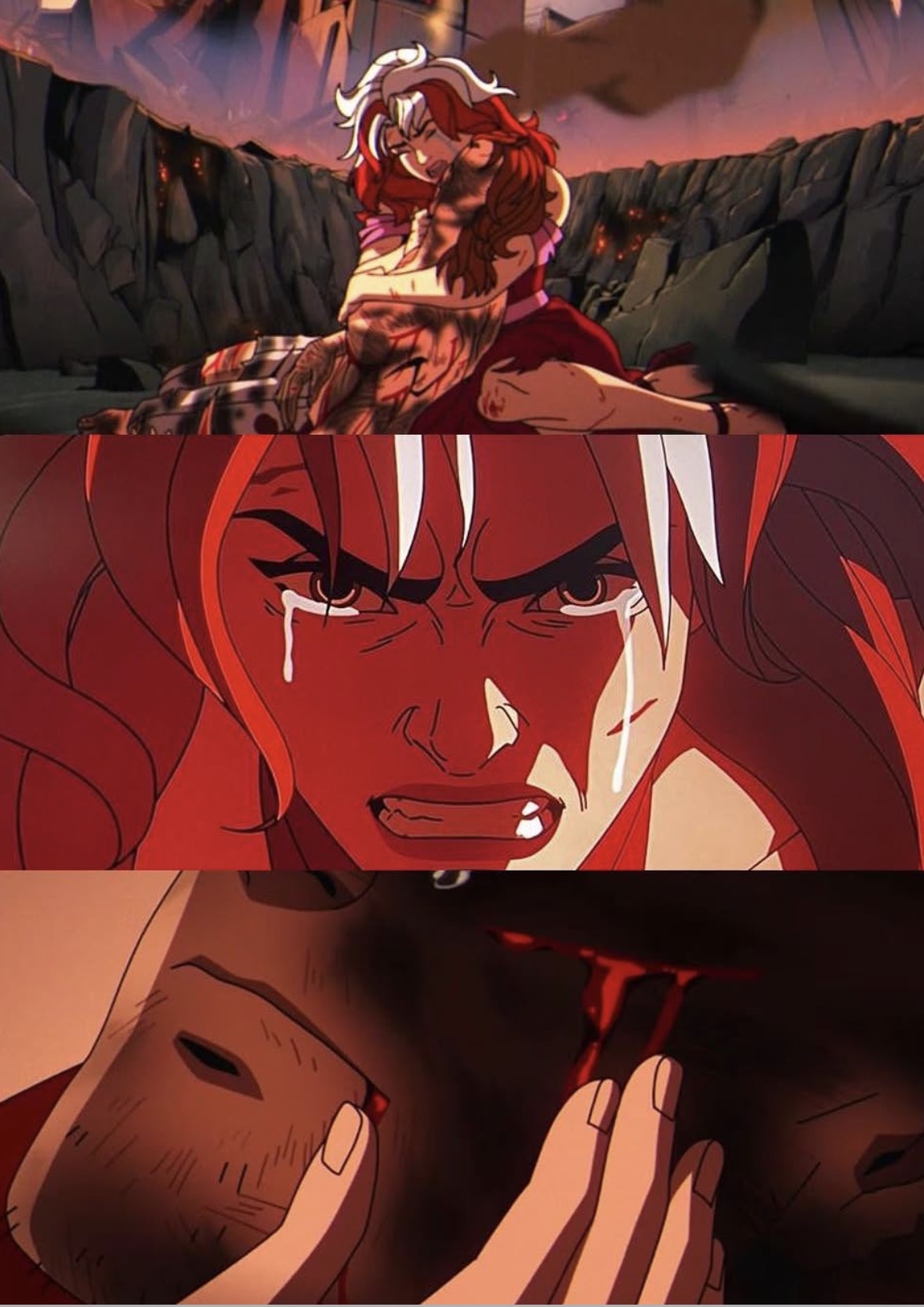
In X-Men’97, the death of Gambit lands with a quieter, but no less devastating impact. Gambit isn’t the leader or the strongest member of the team. When he is, though, he is connective—emotionally grounding, and humanizing in a group defined by trauma and conflict.
When he dies, the loss ripples outward:
- Rogue’s emotional center fractures
- The team loses one of its most stabilizing presences
- The tone shifts toward grief and instability.
It’s a reminder that keystones aren’t always the loudest characters in the room.
When Symbols and Systems Collapse: DC and Green Lantern
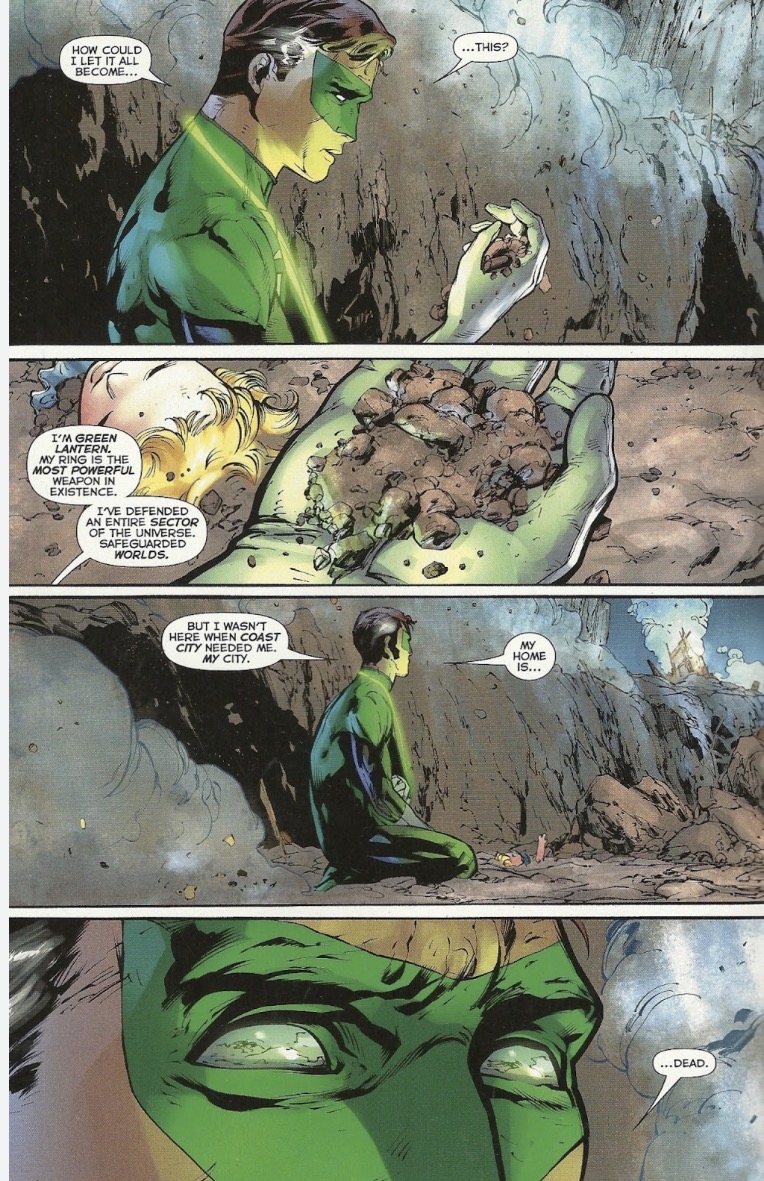
DC has always understood that some characters don’t just protect the world; they define how it works. Nowhere is that clearer than in the mythology surrounding Hal Jordan and the larger Green Lantern Corps.
The Corps itself is a symbol built on willpower, order, and cosmic jurisdiction. It functions because its members believe in structure; because they are the structure in question, which is why so many Green Lantern stories hinge on “Death by Darksaber” moments.
Take the destruction of Coast City, Hal Jordan’s home. It’s not just a personal tragedy; it’s the removal of his emotional anchor. Without it, Hal’s identity fractures, leading to his transformation into Parallax. One loss cascades outward into:
- The destruction of the Corps
- The corruption of a central hero
- And a redefinition of what willpower even means
Or consider the repeated targeting and temporary loss of the Corps itself across major storylines. When Lanterns fall, or when the Corps is dismantled:
- Law across sectors collapses
- Fear fills the vacuum
- Other emotional spectrum forces rise to compensate
Even deaths like that of Abin Sur, the Lantern who passed his ring to Hal, function as inciting a keystone loss. His death doesn’t just begin Hal’s story. It creates the conditions for everything that follows.
That makes Green Lantern such a perfect extension of the trope: The keystone isn’t just a character–it’s an entire system of belief.
And when that system fractures, the universe doesn’t just react. It reorganizes.
When Death Ignites War: House of the Dragon
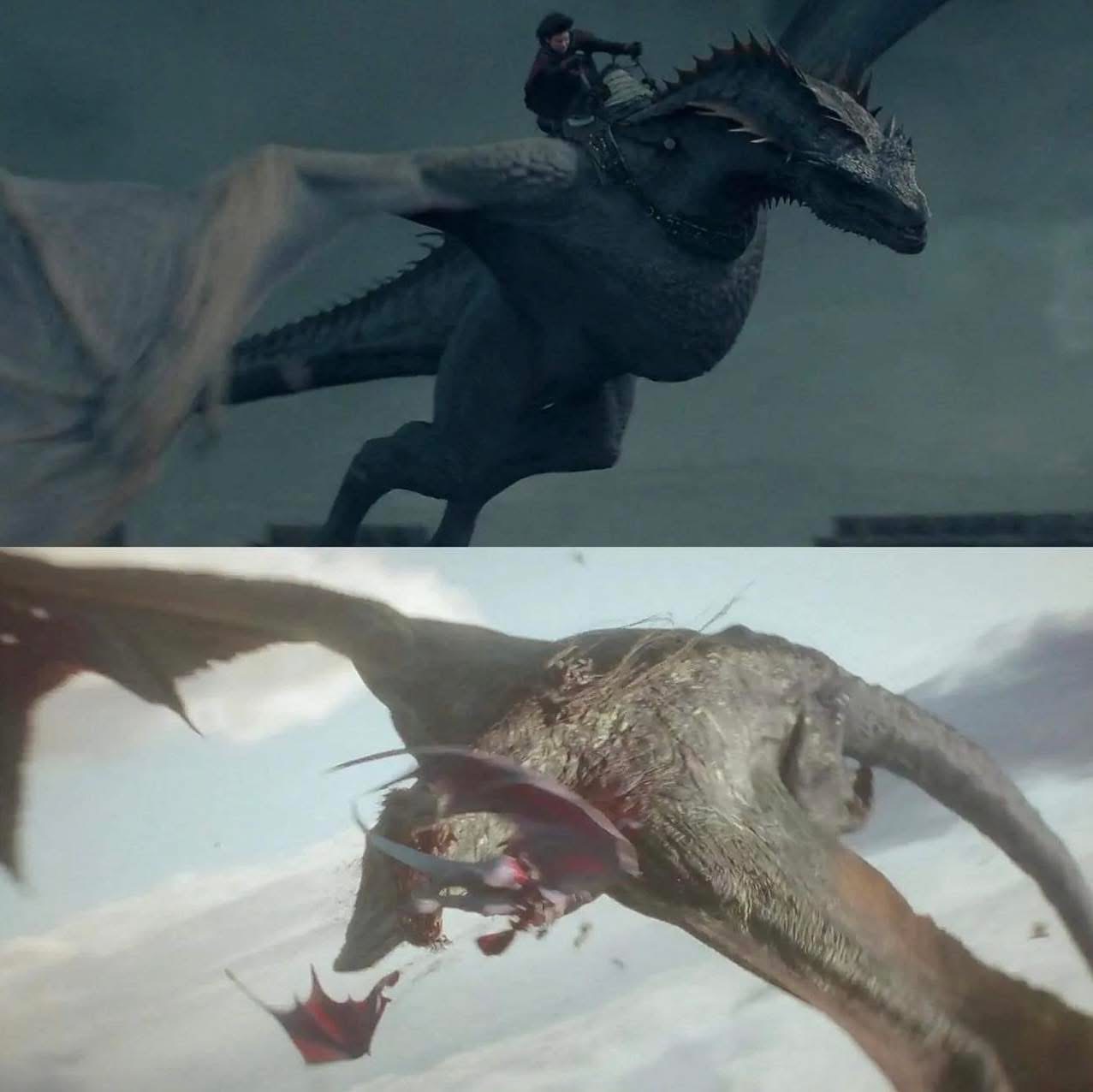
Few series show the political side of this trope as clearly as House of the Dragon. It uses this structure not once, but twice–each time escalating the stakes.
The first is the death of Aemma Arryn. Her loss destabilizes succession, prompting King Viserys to name their daughter Rhaenyra Targaryen as his heir. The system doesn’t collapse immediately, but it becomes strained, fragile, and politically volatile.
The second is the death of Lucerys Velaryon.
This is the breaking point.
- Diplomacy collapses
- Grief turns into vengeance
- The divide between rival factions becomes irreversible
If Aeema’s death destabilizes the system, her grandson, Lucerys’s death sets it on fire.
When the World Loses Balance: Avatar: The Last Airbender
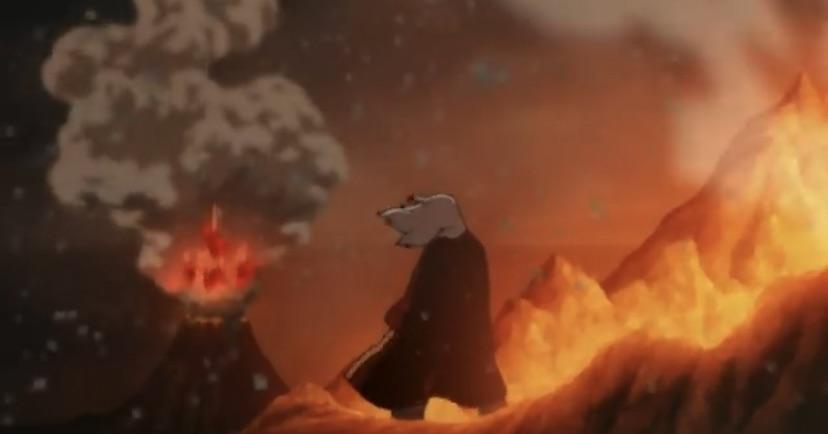
In Avatar: The Last Airbender, the death of Avatar Roku removes the only force capable of restraining global expansion. The result is a century of war.
In The Legend of Korra, losing Korra’s connection to past Avatars becomes something even more unusual: a keystone system doesn’t just break–it disappears.
Here, the keystone isn’t just a person. It’s continuity itself.
When Families Become Systems: Avatar (Film Series)
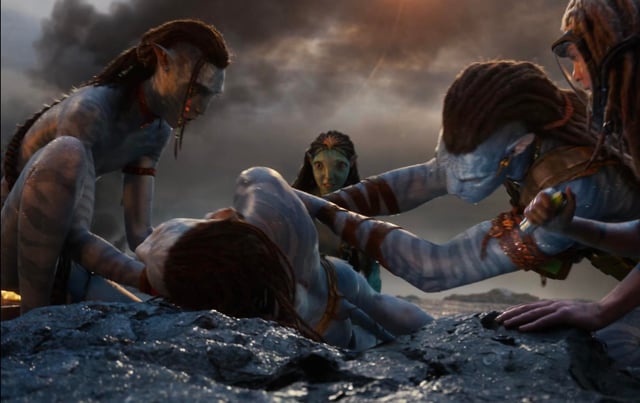
In Avatar: The Way of Water, the death of Neteyam fractures more than a family; it destabilizes the emotional structure holding it together.
In James Cameron’s world, family isn’t background detail. It’s infrastructure.
And when it breaks, everything else escalates with it.
When Loss Builds Identity: Disney and Pixar
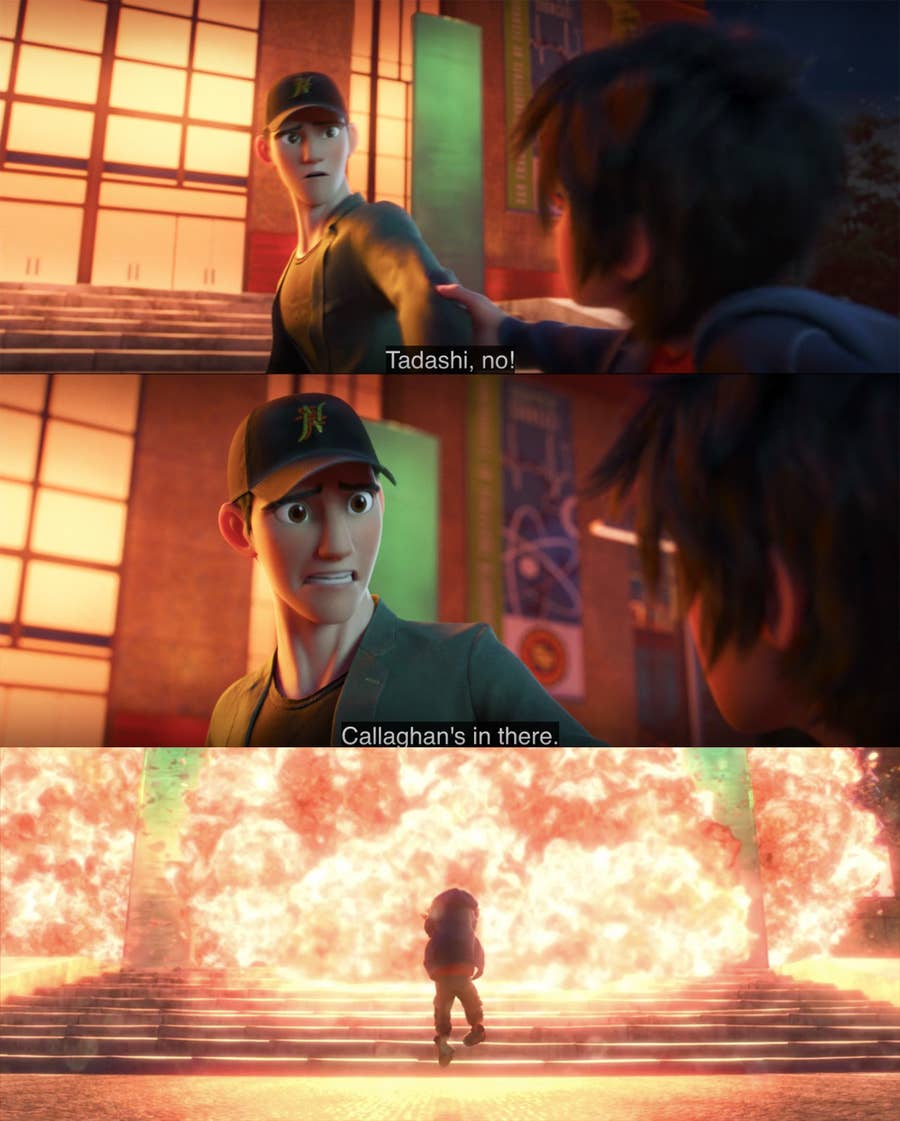
Disney and Pixar approach this trope more quietly, but no less effectively.
In Big Hero 6, the death of Tadashi Hamada reshapes his little brother, Hiro’s, entire identity. In Up, losing Ellie Fredricksen becomes the emotional foundation of Carl’s life.
These stories aren’t just about collapse. They’re about what people build in its aftermath.
When Death Becomes History: Pokémon
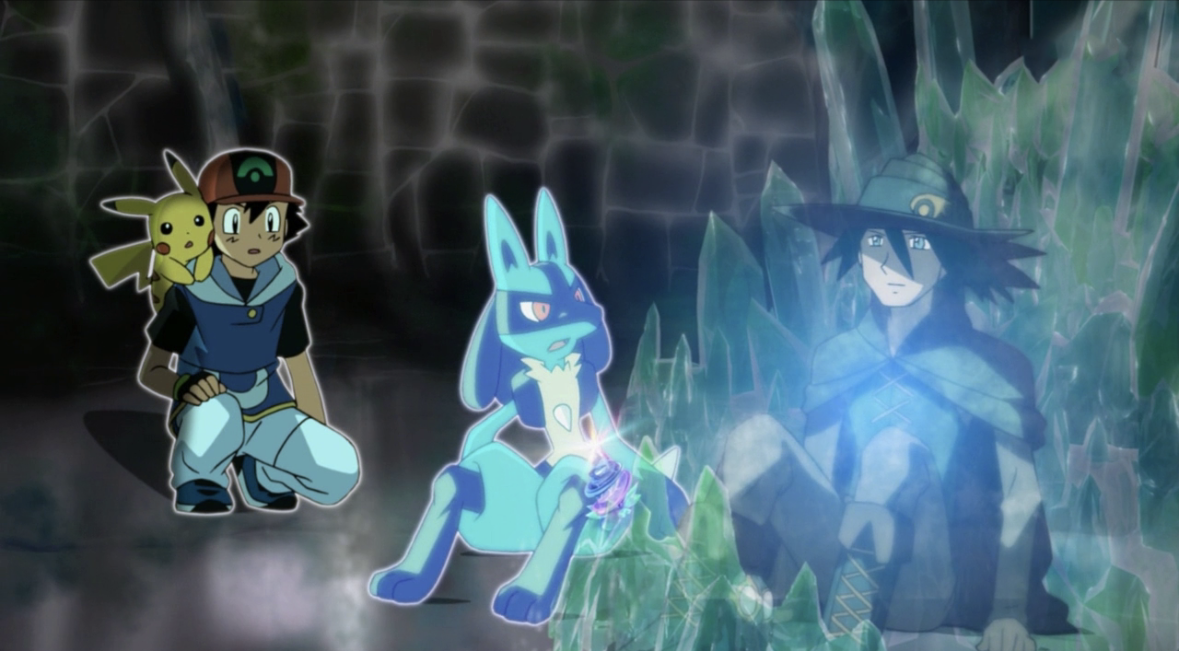
In Pokémon: Lucario and the Mystery of Mew, the death of Sir Aaron echoes forward as misunderstanding, myth, and emotional residue.
The system doesn’t break all at once. It slowly distorts.
When Time Can’t Fully Fix It: South Park
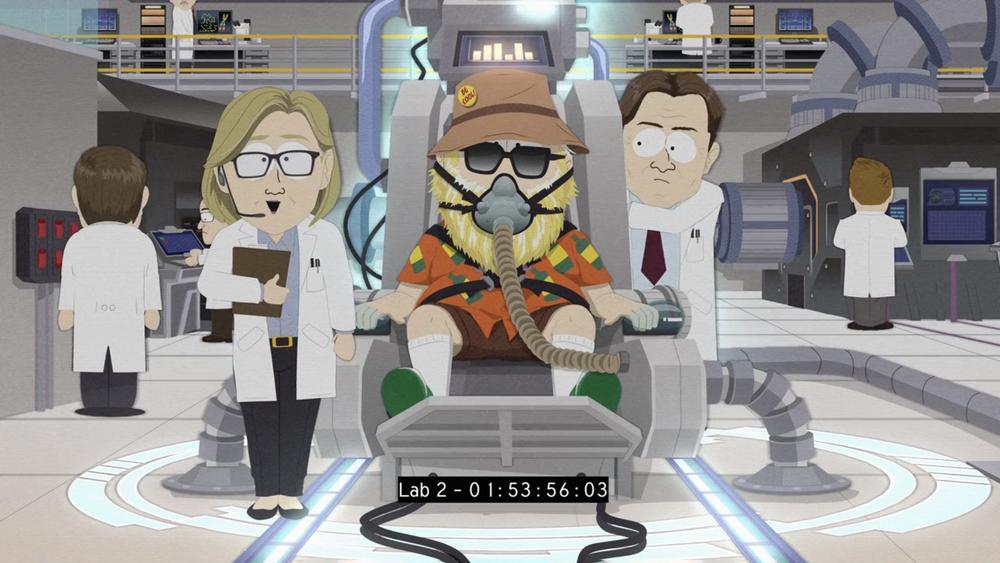
Even a show built on satire and resets delivers a surprisingly sharp version of this trope in South Park: Post-COVID. At the center is Kenny McCormick.
In a future timeline, Kenny dies trying to fix a fractured world–and for once, his death isn’t just played for comedy. It reveals just how much he was holding together.
The fallout is stark:
- The friend group is fractured beyond repair
- Stan Marsh and Kyle Broflovski are estranged
- Eric Cartman has built an entirely different life.
Then the timeline is rewritten. Kenny lives. The world is “fixed”. But not completely.
Cartman loses everything–his family, his identity, his place in the world.
Even when undone, the damage lingers.
When Collapse Forces Reconstruction: Project Hail Mary
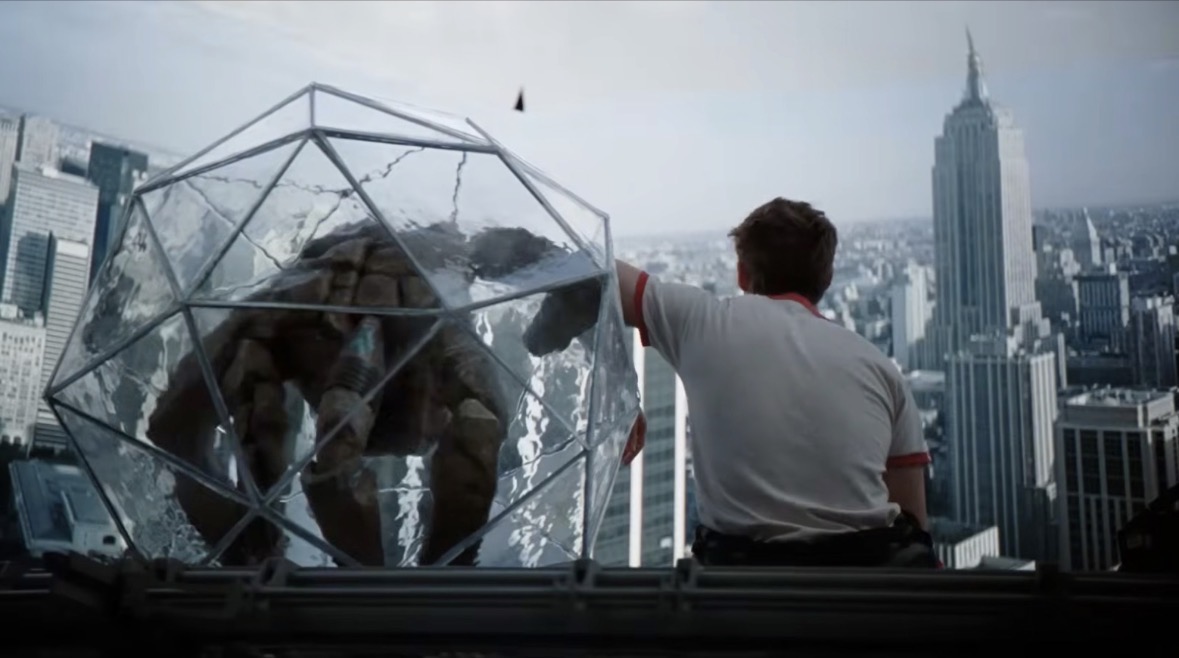
In Project Hail Mary, the deaths of both human and alien crews leave Ryland Grace and Rocky as the last surviving pieces of their respective systems. And instead of total collapse, something new forms.
A partnership. A shared system built from loss.
The Pattern Beneath It All
All these stories, the same truth keeps resurfacing: these characters weren’t just important. They were structural.
They held together:
- Families
- Ideologies
- Governments
- Ecosystems
- Even timelines
And when they’re gone, the story doesn’t just continue. It reorganizes itself around the absence.
When the Structure is Gone
“Death by the Darksaber” isn’t about shock value or tragedy for its own sake. It’s about what happens when a story removes the thing that made everything else work.
From Duchess Satine Kryze to Mufasa, from Tony Stark to Avatar Roku, these moments all point to the same underlying truth: The world doesn’t just lose someone important. It lost the thing holding it in place.
And once that happens, everything else has to change.
About the Creator
Jenna Deedy
Just a New England Mando passionate about wildlife, nerd stuff & cosplay! 🐾✨🎭 Get 20% off @davidsonsteas (https://www.davidsonstea.com/) with code JENNA20-Based in Nashua, NH.
Instagram: @jennacostadeedy
Enjoyed the story? Support the Creator.
Subscribe for free to receive all their stories in your feed. You could also become a paid subscriber, letting them know you appreciate their work.
Comments
There are no comments for this story
Be the first to respond and start the conversation.