first person shooter
In first-person shooter video games, it’s kill or be killed; discover the best and latest FPS games with storylines inspired by history, modern warfare, alien invasions and more.
Golden Age Of Bond Games: From 'Agent Under Fire' to 'First Light'
I didn’t realize it then, but looking back, it’s remarkable that some of my first true Bond experiences came not from the silver screen or the page, but from a controller. Agent Under Fire, Nightfire, and Everything or Nothing—three original Bond stories told through games—were among my clearest entries into this world, I have come to love. I didn’t compare them to the films. They were the films to me: cinematic, stylish, yet unburdened by the weight of the legacy Bond films carry.
By Art-Peeter Roosveabout a year ago in Gamers
The Mastermind Games: Season 03 Episode 01
The countdown blared across the collapsing Marseille facility: “REBOOT IN 10… 9…” Clara’s hand hovered over the hard-reset trigger, unsure if pressing it again would destroy the system—or herself. The lights flickered violently, the AI’s circuits glitching in every corridor like veins bursting with corrupted blood.
By Engr. Mansoor Ahmadabout a year ago in Gamers
The Mastermind Games: Season 02 Episode 03
The aircraft’s interior was dead silent, save for the rhythmic hum of the engines and the low flicker of LED strips running along the walls. The six remaining players—Clara, Isha, Elise, Rafiq, Sophie, and Julien’s replica—sat strapped into carbon seats that had risen from the floor like claws.
By Engr. Mansoor Ahmadabout a year ago in Gamers
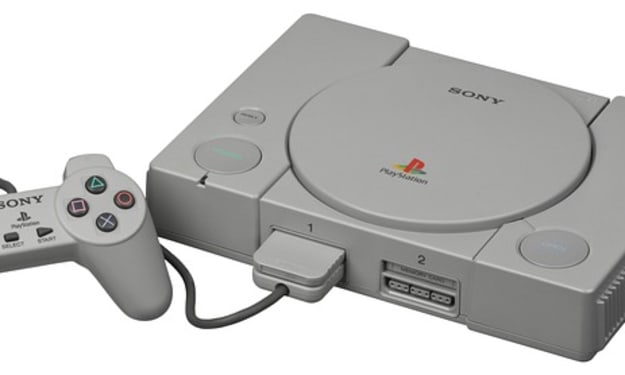
PlayStation 5 Review: The Pros and Cons You Should Know
The PlayStation 5 (PS5) has been a tempest in a teacup in the gaming world since its release, offering a behemothic improvement over its predecessor, the PS4. From lightning-fast loading times to breath-taking visuals, Sony's next-gen console has captured the hearts of users and critics alike. However, as with every device, it features its own set of drawbacks. Here in this review, we will talk about the most important benefits and cons of the PS5 so that you can decide whether it is right for you.
By M Ayub Khanabout a year ago in Gamers
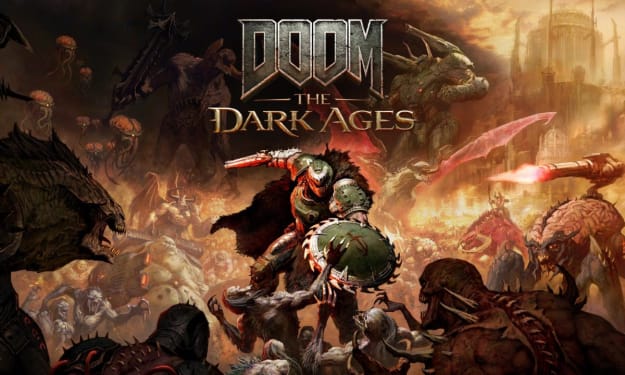
Doom: The Dark Ages Review – Time for Demons to Weep
The high-speed train of 2025’s quality games has now arrived at Doom: The Dark Ages, and it’s once again time to slaughter hellish demons. Let’s dive into the review. Even so far, 2025 has been an incredible year for gamers — and it seems that momentum isn’t slowing down anytime soon. The latest proof of that is none other than Doom: The Dark Ages, the newest title from id Software, which once again offers a unique experience within the franchise while staying true to the core Doom DNA. A Prequel to 2016’s Doom – The Slayer’s Most Personal Story Yet Story-wise, Doom: The Dark Ages serves as a prequel to 2016’s Doom, taking players back to a medieval era within the Doom universe. If you remember, the 2016 version featured ancient texts that told of a battle between humans and hell’s demons, where a lone warrior stood against them — none other than the Doom Slayer himself. The Dark Ages tells that very story. This time around, the game focuses on the Slayer’s most personal narrative yet, diving into his origin before the events of Doom (2016). What’s especially commendable is how id Software manages to explore the Slayer’s growth and transformation without overcomplicating the plot. The game stays true to Doom’s classic theme of battling evil, while focusing more directly on the Slayer himself — presented through more cinematic cutscenes than ever before. From beginning to end, the Slayer is the undisputed star of the show, and watching him in action in these scenes is consistently exciting. That alone is enough to appreciate and enjoy the game’s story.
By The old Jenkins about a year ago in Gamers
Behaviors That Gamers Consider "Cardinal Sins"
Over the years, as we've all experienced video games in different ways, we’ve encountered—or perhaps even committed—certain behaviors that evoke feelings of weakness, cheating, or unfairness. These actions aren't limited to multiplayer games; even in single-player experiences, there are habits or approaches that may draw harsh judgment from fellow gamers. At one point or another, we've probably found ourselves on one side of this equation. Let’s explore a few of these "sins." Camping and Hiding Anyone who has played online shooters—especially first-person shooters—has likely developed a dislike for “campers.” And yet, it's likely we’ve all camped at least once. Generally, "camping" refers to staying hidden in one spot, waiting to ambush passing players for easy kills. While it’s common in games like Call of Duty, that doesn’t mean it's acceptable in all titles. In more tactical games like Tarkov, Hunt Showdown, or Rainbow Six Siege, "positioning" is a vital skill. Camping in these games can be a strategic choice based on map knowledge and situational awareness. Players are expected to understand the environment and interact using audio cues and tools to overcome each other tactically. But in more arcade-like FPS games with fast-paced movement and respawn mechanics, there’s often no valid reason to sit still. Doing so is usually seen as an unfair method of farming kills, lacking skill or effort. That’s why “camping” has become one of the most hated and frustrating behaviors in the online gaming community. Min-Maxing in RPGs If you're into RPGs or JRPGs, you know that character customization and power progression are essential to the experience. These elements are closely tied to the narrative, level systems, game difficulty, and overall immersion. Some players, however, obsess over optimizing their characters from the start, often using community-discovered META builds. Rather than experimenting and growing naturally, these players immediately seek out the most powerful builds—sometimes making their characters overpowered and disrupting the game’s intended difficulty. For instance, in Elden Ring, a quick online search yields several META builds that trivialize the game, removing strategic depth and personal creativity from the equation. While this approach might make sense in subsequent playthroughs, many RPG fans frown upon using it the first time. It strips away the essence of the adventure and the thrill of personal discovery. The consensus in the RPG community: don't rob yourself of a genuine experience—play naturally the first time. Skipping Dialogues and Cutscenes This behavior started around the sixth console generation when storytelling in games became more prominent. While many gamers used to play just for the gameplay, longer cutscenes and dialogues began emerging in narrative-driven titles. Initially, many players would skip these sequences, but over time it became clear that doing so meant missing crucial parts of the story and the game world. These scenes are not just cinematic fluff—they often hold vital narrative weight and are the result of years of developer effort. In today’s gaming landscape, skipping major cutscenes—especially in deeply story-driven games like Red Dead Redemption 2—is often viewed as disrespectful to the game and its creators. Some fans even argue that if you’re not interested in the story, maybe that kind of game isn’t for you. Spoiling Game Stories Related to the previous point, spoiling a game’s plot—especially on purpose—is widely condemned. Some gamers take twisted pleasure in ruining the experience for others. While some games may not heavily rely on plot, others do. In those cases, a single sentence can spoil hours of buildup and drastically reduce a game's impact. A notorious example was The Last of Us Part II, where a major spoiler was leaked before release, upsetting many fans and even discouraging some from playing the game entirely. In story-heavy games, especially those with choices and plot twists (like Telltale or Quantic Dream titles), spoilers are more damaging than ever. That’s why those who spread them are often harshly criticized in the gaming community. Spamming Moves in Fighting Games Fighting games are skill-based experiences, much like martial arts. They require training, mastery of systems, and character knowledge. Developers have tried to make them more accessible for casual players, but this has opened the door to some abuse. Some players rely solely on one or two moves or combos, repeatedly using them without variation. This is known as “spamming.” It ruins the depth of gameplay and forces skilled players to abandon strategy and focus solely on countering repetitive attacks. For instance, in Tekken 7, the character Lucky Chloe was notorious because many players spammed a single easy combo. Tekken 8 introduced single-button combos for beginners, which also led to spamming. While seasoned players can usually overcome it, they’re often forced to abandon their skills for simpler tactics. For those who dedicate time to mastering fighting games, spamming is an insult to both the game and the opponent—like dancing with someone who constantly steps on your feet. The Smurfing Phenomenon in Online Games Smurfing is when high-level players create new accounts to compete against lower-ranked players. It’s one of the most frustrating issues in competitive online games. Not only does it reflect poorly on the smurfer’s character, but it also ruins fair play for newcomers trying to learn and improve. Smurfing disrupts matchmaking balance and can singlehandedly ruin a match. Even the smurfer’s own team suffers, as these players often act selfishly and ignore team strategy. In tactical games like Rainbow Six Siege, where teamwork is crucial, smurfing can destroy team harmony. Worse still, smurfers often insult or blame their less-skilled teammates, further demoralizing them and pushing them to quit the game altogether. It’s a toxic practice that benefits no one and is strongly condemned by the gaming community.
By The old Jenkins about a year ago in Gamers
10 Video Games That Make You a Better Human
For many people outside the world of gaming, video games are still seen as a simple form of entertainment or a way to pass the time. But for those of us who are part of this culture and have spent years of our lives with this medium, the story is very different. We see games as works of art that can be deeply impactful. They can convey messages that influence our character and worldview—either directly or indirectly.
By The old Jenkins about a year ago in Gamers