science
Topics and developments in science and medicine, presented by Futurism.
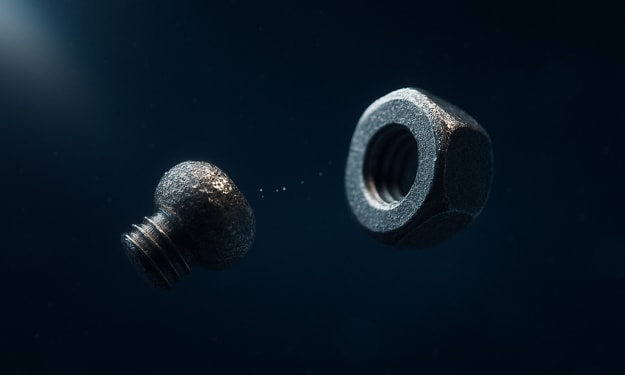
How quark-gluon plasma is studied in the laboratory?
Recreating conditions similar to the early universe is extremely difficult. However, physicists have learned how to create tiny volumes of quark-gluon plasma using large particle accelerators, heavy ion colliders. The idea is to accelerate two heavy atomic nuclei to relativistic speeds and collide them head-on. At the same time, the energy of the collision is concentrated in a small volume – a microscopic "fire layer" of ultra-high temperature and density is formed, in which ordinary nuclear matter "melts" for a moment and quark-gluon plasma arises.
By Olaf Podolskiabout a year ago in Futurism
Scientists Discover a Whole New Way Neurons Communicate — and It Could Rewrite Neuroscience
For more than a century, scientists believed they had a solid understanding of how the brain’s billions of neurons talk to each other. Messages flowed through synapses, where chemical messengers leapt microscopic gaps, or through electrical junctions that directly linked cells. But a team of researchers at Case Western Reserve University may have just found an entirely new kind of connection — one that could reshape how we think about brain activity and consciousness itself. The Brain’s Hidden Conversation The study, led by biomedical engineer Dominique Durand, began as a simple investigation into slow brain waves in the hippocampus — the brain region vital for memory and learning. When the researchers studied thin slices of mouse brain tissue, they noticed something puzzling. Even when they blocked the usual forms of communication (chemical synapses and electrical gap junctions), rhythmic signals continued to ripple through the tissue. It didn’t make sense. According to everything we know about neuroscience, those waves shouldn’t have been able to move. So, Durand’s team took things further — they cut the brain tissue in half. And the waves still propagated. As long as the two pieces were close enough — just a hair’s width apart — the rhythmic electrical activity could jump from one slice to the other. The neurons were somehow influencing each other without any direct contact. Beyond Synapses: A Fourth Mode of Communication This mysterious process is believed to involve electric fields generated by the neurons themselves. These fields are incredibly weak — far smaller than the electrical impulses that fire through nerve cells — but they appear to be strong enough to nudge neighboring cells into activity. Scientists call this phenomenon “Ephaptic coupling.” It’s been known for decades in theory, but this study provides some of the strongest experimental evidence that ephaptic communication might be an active, organized process in the brain — not just background noise. In simple terms, neurons might be chatting through the space between them, using electric fields as subtle whispers instead of chemical messages or direct links. If that’s true, it adds a whole new layer of complexity to how our brains coordinate thoughts, memories, and behaviors. Why This Discovery Matters At first glance, this might sound like a small technical finding — after all, who cares how brain waves move through lab slices? But the implications are enormous. If neurons can influence each other through weak electric fields, it suggests that the brain’s structure and activity are even more interconnected than scientists realized. In a living brain, millions of neurons fire together in rhythmic patterns — think of the synchronized waves seen in EEG recordings. If ephaptic coupling plays a role in that synchronization, it could help explain how large networks of neurons coordinate without direct wiring. Durand’s team also noticed that this form of communication happens during slow oscillations — brain waves that occur less than once per second. Those waves are seen during deep sleep, when the brain consolidates memories and performs vital housekeeping functions. That connection hints that ephaptic signaling could be part of how the brain maintains its internal rhythm, even when traditional communication pathways are at rest. A Paradigm Shift in Neuroscience For generations, neuroscience textbooks have described two primary communication systems in the brain: 1. Chemical synapses, where neurotransmitters bridge the gap between neurons. 2. Electrical synapses (gap junctions), where ions flow directly between connected cells. This new discovery suggests a third — and perhaps fourth — mechanism may also play a role. It doesn’t replace the others, but it adds a subtle background layer that could explain some of the brain’s most mysterious phenomena, such as how waves of activity spread across the cortex or how distant brain regions synchronize during thought. Durand himself admitted that the results were surprising, even to his team: > “It was a jaw-dropping moment,” he said. “We didn’t believe it at first. But once we replicated the findings, it became clear — something new was happening.” Caution Before Revolution Of course, not every lab discovery translates directly to human biology. These experiments were performed on hippocampal slices in highly controlled conditions. Whether this form of electric-field communication plays a major role in living human brains remains to be tested. Future research will need to verify if ephaptic coupling occurs naturally in intact neural networks, and whether it affects memory, sleep, or neurological disorders. Still, the fact that such coupling can happen at all challenges long-held assumptions about how neurons interact. Durand’s team is now exploring how this mechanism might influence large-scale brain rhythms, and whether manipulating these electric fields could one day offer new ways to treat brain diseases like epilepsy, which involves abnormal neural synchronization. Electric Whispers of Thought The discovery also raises fascinating philosophical questions. If the brain’s neurons can communicate through ambient electric fields, the boundaries between individual cells become blurrier. The brain may be more like a continuum of electrical energy than a neatly wired machine. That could help explain why brain activity often behaves like waves spreading through a fluid rather than isolated sparks jumping between discrete circuits. It might also offer clues about why external electric stimulation — such as transcranial magnetic stimulation (TMS) — can influence mood, perception, or cognition. Perhaps our brains are more responsive to subtle electromagnetic cues than we ever realized. The Beginning of a New Neural Story Every so often, science forces us to rethink something we thought we knew inside and out. This new discovery — that neurons can communicate through self-generated electric fields — could become one of those moments. It doesn’t rewrite all of neuroscience overnight, but it adds a thrilling new chapter. Our brains might be filled not just with the chatter of neurotransmitters and the crackle of synapses, but also with an invisible web of electric whisper — a hidden language of thought that scientists are only just beginning to hear. new neural communication
By Tech Horizonsabout a year ago in Futurism
Scientists Unlock a 100-Year-Old Quantum Secret That Could Supercharge Solar Power
For more than a century, scientists have chased the dream of turning sunlight into limitless clean energy. Now, a team of researchers from the University of Cambridge may have uncovered a missing piece of that dream — a discovery rooted in a 100-year-old quantum puzzle that could revolutionize the way solar panels work. This new breakthrough doesn’t just promise more efficient solar energy. It changes the very physics behind how light becomes electricity — and it could mark the dawn of a new generation of lightweight, flexible, and affordable solar cells. The 100-Year-Old Mystery Behind Modern Solar Energy To understand why this discovery matters, we need to go back a century, to the early days of quantum mechanics. Physicists like Sir Nevill Mott were fascinated by how electrons move through materials. They discovered that in some substances, electrons behave strangely — sometimes flowing freely like in metals, and sometimes locking in place even when they should move. This odd behavior led to what’s known as the Mott-Hubbard theory, a model that describes how electrons can interact and even block each other due to quantum effects. For decades, scientists believed such phenomena only occurred in certain inorganic materials, like metal oxides. But that assumption has just been shattered. Cambridge Scientists Find Quantum Magic in an Organic Material The team at Cambridge, led by renowned physicist Professor Sir Richard Friend, discovered that a special type of organic semiconductor can display the same complex quantum behavior once thought exclusive to inorganic crystals. The material, called P3TTM, is what scientists call a spin-radical organic semiconductor — each of its molecules carries an unpaired electron. This unique property gives it an almost magnetic personality and, as it turns out, an extraordinary ability to manipulate light and charge. When the researchers packed these molecules together in a thin film, they noticed something remarkable: the unpaired electrons began to interact across neighboring molecules, producing the same type of electron correlation described in Mott’s original theory. And when light hit the film, those interactions created instant charge separation — electrons jumping to new positions and leaving behind positive “holes” — the key ingredients of electricity. Why This Is So Revolutionary In a conventional solar cell, you need two different materials — one that donates electrons and one that accepts them. That interface between the two materials is where light energy splits into positive and negative charges. It’s a complex dance, and energy often gets lost along the way. But in the Cambridge team’s device, one single material does everything. The P3TTM film absorbs sunlight and separates charges on its own. That means fewer energy losses, simpler manufacturing, and potentially lower costs. Even more astonishing, the team found that the charge collection was nearly perfect — meaning almost every photon of light that entered the material was successfully converted into usable electrical energy. That’s a level of efficiency that’s practically unheard of in the world of organic solar technology. From Quantum Theory to Real-World Power So, what does this mean in practice? If this discovery can be scaled, it could lead to a new generation of organic solar panels — ones that are ultra-lightweight, flexible, and potentially even transparent. Imagine solar coatings on windows, curved rooftops, or portable solar sheets rolled up in a backpack. Organic semiconductors are cheaper to produce than silicon and can be printed like ink on flexible materials. Until now, their lower efficiency has held them back. But this breakthrough could eliminate that barrier and bring affordable solar power to places where traditional panels aren’t practical. For regions like South Asia or Sub-Saharan Africa, where sunlight is abundant but infrastructure is limited, such low-cost solar materials could be game-changers. Completing a Scientific Circle Professor Friend described the work as “closing a 100-year-old circle.” The theories first proposed by Sir Nevill Mott — once considered abstract quantum curiosities — have now found direct application in a new kind of solar technology. What started as a theoretical puzzle about how electrons behave in solids has now become a practical tool for harvesting sunlight. It’s a poetic moment in science: quantum mechanics, once famous for being “weird but useless,” is now driving one of humanity’s most important clean-energy revolutions. Challenges Ahead As exciting as it sounds, this discovery is still in the research stage. There are significant hurdles before it can reach your rooftop. 1. Stability: Organic materials are more sensitive to moisture, heat, and oxygen than silicon. The Cambridge team will need to find ways to make P3TTM films last for years under harsh sunlight. 2. Scalability: Producing large, uniform films with consistent performance is difficult. Manufacturing techniques will have to evolve to make it commercially viable. 3. Efficiency validation: While charge collection is near perfect, overall power conversion efficiency (how much sunlight turns into electricity) still depends on other factors like absorption spectrum and material thickness. That said, the physics is sound — and that’s often the hardest part. Engineering solutions usually follow quickly once the fundamental mechanism is proven. Why This Discovery Matters for Our Future The global energy crisis and climate emergency demand breakthroughs like this. While silicon solar panels are highly efficient and widely used, they’re also rigid, energy-intensive to manufacture, and not ideal for every environment. An organic, quantum-engineered solar material could: Cut manufacturing costs by removing expensive silicon refining steps. Enable new applications, from wearable solar fabrics to solar-powered vehicles. Reduce electronic waste, as organic materials can be more easily recycled. In essence, it could democratize solar power — bringing affordable clean energy to billions who need it most. A New Era of Quantum-Driven Energy Science often advances in unexpected leaps. Sometimes, a discovery buried in old physics textbooks becomes the key to solving a modern crisis. That’s what makes the Cambridge team’s work so inspiring: it bridges the past and the future, turning century-old quantum theory into 21st-century climate solutions. If this line of research continues, we may soon see solar panels that are as thin as paper, as flexible as fabric, and as efficient as the sun itself allows. The quantum world, once invisible and mysterious, is now lighting our way forward — quite literally. quantum solar breakthrough
By Tech Horizonsabout a year ago in Futurism
JLab Go Pop+ vs Sony WF-1000XM5: Budget Simplicity Meets Premium Perfection
Detailed comparison of JLab Go Pop+ and Sony WF-1000XM5 true wireless earbuds — design, sound, ANC, battery life, and value analyzed by a tech expert. Introduction: Two Worlds of Wireless Audio The wireless-earbud market has never been more crowded, and 2025 continues to blur the line between budget and premium sound. On one end sits JLab’s Go Pop+, a wallet-friendly model designed for everyday practicality. On the other is Sony’s WF-1000XM5, widely considered one of the most advanced noise-cancelling earbuds available. Both claim to deliver excellent audio freedom — yet they serve completely different audiences. In this in-depth comparison, we’ll analyze JLab Go Pop+ vs Sony WF-1000XM5 across every key category: design, comfort, features, sound quality, battery life, and overall value. Design and Build Quality: Lightweight vs Luxury The JLab Go Pop+ aims for simplicity. Its compact, plastic housing feels light but sturdy enough for daily use. The case includes a built-in USB-C charging cable — an underrated convenience that makes charging on the go effortless. Color options like black, lilac, and aqua add a splash of personality that entry-level buyers appreciate. By contrast, Sony’s WF-1000XM5 embodies refinement. Sony has redesigned its flagship buds to be smaller, lighter, and more ergonomic than the WF-1000XM4. The sleek matte finish and soft-touch material convey premium craftsmanship. Even the case feels high-end, offering wireless charging and precise magnetic alignment. When it comes to build quality, the XM5 feels like an investment product, whereas the JLab offers a cheerful practicality. Verdict: JLab Go Pop+ — Functional and colorful design; built for convenience. Sony WF-1000XM5 — Premium aesthetics and materials; built for longevity. Comfort and Fit: Featherweight vs Ergonomic Precision JLab deserves credit for designing ultra-light earbuds that can stay in your ears comfortably for hours. The Go Pop+ uses small silicone tips with three size options, giving a secure fit for walking, working, or light workouts. There’s no ear fatigue even after extended sessions. The WF-1000XM5, on the other hand, takes comfort engineering to a new level. Sony’s “Noise Isolation Earbud Tips” use a unique foam-silicone blend that gently expands in your ear canal to enhance seal and comfort. The buds are 25 % smaller and 20 % lighter than their predecessor, making them ideal for long listening or flights. Verdict: Both fit well, but Sony’s adaptive materials and ergonomic shaping clearly lead the premium experience. Features and Technology: Simplicity vs Smart Innovation Here’s where the price difference truly shows. JLab Go Pop+: Practical Essentials The Go Pop+ includes all the basics: Bluetooth 5.3 for reliable connectivity Touch controls “Be Aware” mode (lets in ambient sound) JLab App with customizable EQ presets Google Fast Pair for Android users That’s a solid feature list for a sub-$50 product. What it lacks is active noise cancellation, multipoint pairing, or advanced codecs — features typically reserved for higher-end models. Sony WF-1000XM5: Feature Powerhouse Sony’s flagship model stands at the opposite end of the spectrum. It offers: Class-leading ANC powered by Sony’s QN2e and V2 processors Adaptive Sound Control that adjusts automatically based on environment Head Tracking and 360 Reality Audio for spatial listening Multipoint Bluetooth (connect two devices at once) Support for LDAC, AAC, and LC3 codecs for high-resolution streaming Speak-to-Chat and touch controls that adapt intelligently Simply put, the XM5 delivers almost every smart feature in the wireless-earbud category. Verdict: JLab Go Pop+ — Focused on affordability and ease of use. Sony WF-1000XM5 — Packed with intelligent, high-end tech. Sound Quality: Everyday Enjoyment vs Audiophile Precision Sound quality defines any earbud comparison, and this is where Sony’s expertise becomes undeniable. JLab Go Pop+: Tuned for Pop and Podcast Listeners With 6 mm dynamic drivers JLab's tuning emphasizes mids and highs. Vocals sound clear, podcasts come through crisply, and bass is present though not especially deep. For casual streaming or workout playlists, the sound is pleasing and balanced — especially for the cost. Through the app, users can toggle between JLab Signature, Balanced, and Bass Boost EQ profiles. Sony WF-1000XM5: Studio-Level Clarity Sony’s custom 8.4 mm “Dynamic Driver X” system delivers expansive, detailed audio. The XM5 reproduces subtle textures, wide stereo separation, and powerful yet controlled bass. LDAC support means listeners using Android devices can stream in near-lossless quality, a clear advantage over SBC/AAC-only models. The integrated processors also reduce distortion while enhancing low-end depth and vocal presence — elements that make the XM5 ideal for critical listening or professional use. Verdict: JLab Go Pop+ — Balanced and fun for the price. Sony WF-1000XM5 — Premium clarity, detail, and codec flexibility. Noise Cancellation and Transparency Modes This is the single biggest separator. The Go Pop+ lacks active noise cancellation (ANC); it relies on passive isolation from its silicone tips. That’s fine in quiet spaces but insufficient for noisy commutes or airplane cabins. Sony’s WF-1000XM5 excels in this department. The dual noise-cancelling processors and advanced microphones dynamically analyze ambient noise, effectively reducing low-frequency hums and chatter. Transparency mode (called “Ambient Sound Mode”) sounds natural and adjustable, making transitions between silence and awareness seamless. Verdict: Sony dominates with best-in-class ANC performance, unmatched by any budget alternative. Battery Life: Stamina vs Efficiency | Feature | JLab Go Pop+ | Sony WF-1000XM5 | | -------------------------- | --------------------------------- | ------------------------------------- | | Active Noise Cancellation | ❌ None (passive only) | ✅ Yes – industry-leading | | Driver Size / Audio Tech | 6 mm dynamic drivers | 8.4 mm Dynamic Driver X | | Codec Support | SBC, AAC | SBC, AAC, LDAC, LC3 | | Battery Life (earbuds) | ≈ 9 hours | ≈ 8 hours with ANC on | | Total Playtime (with case) | ≈ 35 hours | ≈ 24 hours with case | | Bluetooth Version | 5.3 | 5.3 + multipoint | | App Support | JLab App (EQ, Be Aware mode) | Sony Headphones Connect App | | Water Resistance | IPX4 (splash resistant) | IPX4 (same rating) | | Ideal For | Budget users, students, gym goers | Audiophiles, commuters, professionals | Battery life is one area where JLab surprisingly outperforms Sony. The Go Pop+ offers up to 9 hours per charge, and its compact case boosts total playtime beyond 35 hours. Sony’s WF-1000XM5 delivers around 8 hours with ANC on (or 12 hours with ANC off), plus another 16 hours from the case for roughly 24 hours total. While Sony’s ANC consumes more power, fast-charging mitigates the difference: a 3-minute top-up yields about an hour of playback. Verdict: JLab wins on endurance, Sony wins on intelligent power management. Call Quality and Connectivity Both earbuds use Bluetooth 5.3, ensuring stable connections and low latency. The Go Pop+ performs well for voice calls in quiet settings. Microphones are decent but can struggle in windy or crowded environments. The WF-1000XM5 integrates bone-conduction sensors and AI-based noise-reduction algorithms, producing clear speech even in busy streets. Multipoint connectivity allows seamless switching between laptop and phone — a convenience professionals value daily. Verdict: Sony delivers superior call clarity and connectivity features, fitting its premium tier. Price and Value: The Great Divide At roughly $39–$49, the JLab Go Pop+ sits firmly in the affordable segment. For its cost, it provides solid sound, impressive battery life, and comfort few budget models match. The Sony WF-1000XM5, priced around $279, represents the high end of consumer wireless audio. But its combination of ANC, codec support, and refined tuning justify the investment for users who demand excellence. Value perspective: JLab Go Pop+ gives maximum functionality per dollar. Sony WF-1000XM5 gives maximum performance per decibel. User Experience: Everyday Utility vs Immersive Luxury The JLab Go Pop+ embodies plug-and-play simplicity. Open the case, pair, and go. It’s designed for people who want fuss-free wireless listening at a fair price. Sony’s WF-1000XM5 immerses you in its ecosystem. Between adaptive sound modes, personalized EQ, and 360 Reality Audio, it transforms the listening experience into something cinematic. Yet, the app remains intuitive, giving control without overwhelming first-time users. Which One Should You Choose? Choose the JLab Go Pop+ if you: Want reliable earbuds under $50 Prioritize battery life and light design Don’t need ANC or high-resolution audio Prefer simple connectivity and EQ flexibility Plan to use them for workouts, podcasts, or casual streaming Choose the Sony WF-1000XM5 if you: Expect world-class ANC and sound quality Use Android devices with LDAC or premium music apps Frequently travel or commute in noisy environments Want professional call clarity and multipoint pairing See earbuds as a long-term audio investment Final Verdict: Two Winners, Different Missions In the debate of JLab Go Pop+ vs Sony WF-1000XM5 the winner depends entirely on your priorities. The JLab Go Pop+ is a budget champion — simple, energetic, and built for everyday users who want freedom without financial strain. The Sony WF-1000XM5 is a precision instrument — immersive, intelligent, and nearly flawless in sound and ANC. Both succeed because they understand their audience. JLab proves that affordability doesn’t mean compromise, while Sony reminds us that innovation still has a price — and for those who crave the best, it’s worth paying. In short: Casual listeners → JLab Go Pop+ Audio enthusiasts and travelers → Sony WF-1000XM5 Whether you’re chasing value or perfection, both deliver the wireless freedom that defines 2025’s listening experience.
By NextGen Mobile Techabout a year ago in Futurism
Scientists Beam Electricity Wirelessly Over Five Miles — A New Era of Laser Power Transmission
Scientists achieved a world-first by transmitting 800 watts of power wirelessly over 5.3 miles using a laser beam. Learn how this breakthrough in optical power beaming could revolutionize energy delivery and the future of wireless electricity.
By NextGen Mobile Techabout a year ago in Futurism
Comprehensive Review: Bose QuietComfort Earbuds
Whether you're commuting through the subway, taking conference-calls on the go, or simply seeking solace in a world of music, the Bose QuietComfort Earbuds are positioned as a compelling choice. In this review, we’ll dive deep into their performance, discuss strengths and weaknesses, and answer the most common questions to help you decide if these are the right wireless ANC earbuds for you. Overview The Bose QuietComfort Earbuds offer true wireless in-ear design, active noise cancellation (ANC), multipoint Bluetooth connectivity, IPX4 water/splash resistance, up to 8.5 hours of playback per charge (with the case providing additional charges), and a range of comfort and fit optimization options. They are aimed at listeners seeking premium sound and strong noise isolation without stepping up into ultra-high-end price tiers. According to Bose’s own marketing, they deliver: “Sound without compromise: Seize the day … and defy distractions …” ([Bose][1]) In typical retail configuration (as captured in your provided info), they’re priced around $139 (discounted from ~$179) via Amazon for the Black and Petal Pink colors — making them relatively affordable for Bose-branded ANC earbuds. Design & Fit Aesthetic & Build At first glance, these earbuds exhibit a clean, minimal design typical of Bose’s recent wireless offerings. The case and earbuds are finished in black (or other color variants such as Petal Pink). The charging case is compact enough for everyday use but by no means ultra-slim. Reviewers have described the case as somewhat bulky in pockets compared to some rivals. ([SoundGuys][2]) The build materials are high-quality and feel premium in hand, though some plastic elements are noticeable — not uncommon in this price class. The earbud housings are a bit larger than ultra-compact rivals, which may matter for users with smaller ears. Fit & Comfort Fit plays a crucial role in sound, ANC performance and comfort — and Bose delivers well here. Multiple eartip and stability band sizes are included to accommodate a variety of ear shapes (as your summary highlighted: “a trio of eartip and stability band sizes … to ensure … feel comfortable, snug, and secure”). That said, because the housings are somewhat large, some users report that the earbuds may protrude more than quieter, slimmer alternatives. One reviewer noted: > “The earbud encasing is still larger than most wireless earbuds. If you have small ears, you might experience some discomfort.” ([SoundGuys][2]) For everyday listening and commuting, though, comfort is solid, and users can wear them for extended sessions without major fatigue. Water Resistance & Durability These earbuds carry an IPX4 rating, meaning they are splash and sweat resistant (but not fully waterproof). That makes them suitable for general workouts or outdoor use in light rain, but not for heavy downpours or submersion. The “Stay-in-your-ear” stability bands help keep them in place during moderate movement. Sound Quality & Noise Cancellation Noise Cancellation (ANC) One of the standout features of Bose’s QuietComfort line has always been the ANC performance — and these deliver impressively. According to independent testing, the 2024 version of the QuietComfort Earbuds reduced many environmental noises by over 80%, placing them among the best in their category. ([SoundGuys][2]) In real-world commuting (on trains, buses, planes) users report noticeable suppression of low-frequency rumble (engines, ambient hum), and a clean transparency (or “Aware Mode”) when you want to hear your surroundings. The app allows toggling between noise-cancelled and pass-through modes, which helps when you need situational awareness (airport announcements, crosswalks). This ANC performance is one of the major reasons to consider this product. Sound Profile Out of the box, the QuietComfort Earbuds deliver a sound signature that’s accessible and enjoyable for most listeners: rich bass, defined highs, and good clarity. According to SoundGuys: > “The new Bose QuietComfort Earbuds have good sound quality. … Most listeners will enjoy this sound profile.” ([SoundGuys][2]) The Bose app also provides EQ controls (bass, mid-range, treble) so you can customise the audio to your taste. That’s a plus for listeners who prefer to fine-tune. Microphone & Call Quality Call quality is adequate. The built-in microphones perform well in moderate noise environments and enable hands-free talk in most scenarios. However, in very noisy or windy settings some background noise may leak through: > “The microphones … work well … but a long way from the best we’ve heard from a TWS earbud.” ([SoundGuys][3]) If calling quality is your top priority (say for heavy work calls outdoors), you may find better mic performance elsewhere — though for everyday calls they’ll do fine. Features & Connectivity Multipoint Bluetooth + Range These earbuds support Bluetooth 5.3 technology and offer multipoint connectivity, meaning you can connect to multiple devices (e.g., laptop + phone) simultaneously and switch between them seamlessly. Your provided product info lists this as a highlight: “Bluetooth multipoint lets you seamlessly connect… while Bluetooth 5.3 … keeps you connected within up to 30 feet.” This is a strong value-add for productivity users (switching from music on laptop to a call on phone) or multi-device households. Battery Life According to the spec sheet, you can expect up to 8.5 hours of playback from the earbuds themselves under typical use, plus additional charges via the case (quick 20-minute charge adds ~2 hours) as you noted. This is competitive for the category at this price point — not ultra-long (some rivals tout 10–12 hours) but entirely sufficient for many daily use cases. In real-world testing, reviewers measured around 5.5 hours with ANC on (on earlier generations) which means you should plan for somewhat less in very high-ANC/volume usage. ([SoundGuys][3]) App & Customisation The Bose QCE App offers EQ controls, battery monitoring, firmware updates, and likely ANC/aware mode toggles. This gives the user meaningful control over their listening environment. The touch controls on the earbuds allow for playback, volume adjustment, skip tracks, pause/play, and (depending on setup) maybe voice assistant invocation. Fit for Different Use Cases Commute / Travel: Excellent for this scenario thanks to strong ANC, comfortable fit, and compact portability. Work / Office: Easy switching between laptop and phone (multipoint) is a plus. Transparency mode helps when you need awareness. Workout / Gym: IPX4 is okay, stability bands help; however, for intense sweat/rain use you might prefer something higher rated for water resistance. Casual Listening: Very good – strong sound, adjustable EQ make it fun. Heavy Calls / Outdoor Use: Good, though not best-in-class mic performance for extreme noise. Pros & Cons ✅ Pros Excellent noise cancellation performance — among the best in this price band. Sound quality is strong and well-balanced, with customizable EQ via app. Bluetooth 5.3 + multipoint connectivity adds real-world versatility. Comfortable fit for many users, with included tip and band options. Splash/sweat resistant (IPX4) — suited for general activity and commuting. Good value (especially at the ~$139 promotional price) given Bose branding and feature set. Quick-charge support: 20 minutes = ~2 extra hours of playback. Reliable brand and ecosystem — Bose support, firmware updates, app backing. ⚠ Cons Battery life (8.5 hours) is solid but not exceptional compared to some rivals offering 10–12+ hours. Earbud and case size are on the bulkier side for some users/smaller ears. Some discomfort may result in long-hours for small-ear usages. ([SoundGuys][2]) The mic and call performance, while usable, are not best-in-class for very noisy outdoor conditions. IPX4 water-resistance is decent but not fully waterproof — if you expect heavy rain or intense splash exposure, there are more rugged alternatives. While the ~$139 price is competitive, original MSRP (~$179) still places them above many budget ANC alternatives; bargains often matter. Some early reviewers experienced connectivity issues (in earlier versions) — though Bose appears to have improved connectivity. ([SoundGuys][2]) Final Verdict If you’re looking for high-quality wireless earbuds with top-tier noise cancellation, strong sound, and smart connectivity features at a relatively accessible price point, the Bose QuietComfort Earbuds represent a very compelling choice. For commuting, travel, office use, and everyday listening they hit a very good balance of features and performance. However, if your priorities are maximum battery life, ultra-miniature case/earbud form factor, or highest-end calling/microphone performance in extreme outdoor environments — there are alternatives worth considering. Given the promotional pricing (~$139) and Bose’s reputation, these earbuds deliver excellent value in 2025. If I were to summarise: buy them if ANC + sound are your top priorities; consider alternatives if battery or ultra-slim size are your top priorities. Frequently Asked Questions (FAQs) Q: How long does the battery last with ANC turned on? A: Bose specifies up to 8.5 hours of playback in ideal conditions. In testing under ANC on and moderate volume, reviewers measured around ~5½ hours on earlier models. ([SoundGuys][3]) Q: Can the earbuds connect to two devices at once? A: Yes — the multipoint Bluetooth feature allows you to connect to multiple devices simultaneously (e.g., phone + laptop) and switch between them seamlessly. Q: Are they water-proof and good for workouts? A: They have an IPX4 rating (splash/sweat resistant). That means they’re fine for light workouts or casual outdoor use, but not guaranteed for heavy rain, swimming, or complete water immersion. Q: How effective is the noise cancellation? A: Very effective. Independent tests show the ANC attenuates a wide range of ambient noises by 80%+ when fitted correctly, putting these among the best in their class. ([SoundGuys][2]) Q: What about sound quality? A: Strong. Rich bass, clear mids/highs, and custom EQ in the app let you tailor the sound. Most users will find the default tuning very enjoyable. ([SoundGuys][2]) Q: Will they fit small ears comfortably? A: Bose provides multiple tip and stability band sizes to improve fit. However, because the earbud housings are somewhat bulky, users with very small ears may experience some protrusion or discomfort. One reviewer noted this as a caveat. ([SoundGuys][2]) Q: Are they a good value? A: Yes — especially at the discounted price (~$139) as you noted. Considering the ANC performance, brand, sound quality, and connectivity features, they deliver strong value for the money. Q: How do they compare to higher-end models (like Bose’s Ultra version)? A: The Ultra line from Bose offers additional features (e.g., spatial audio, more premium fit, possibly improved battery etc). For most users, the QuietComfort Earbuds offer the “sweet spot” of performance vs price. In reviews, the Ultra models are better, but also cost significantly more. ([GearLab][4]) If you’re reading this review because you’re searching for best noise cancelling wireless earbuds 2025”, “Bose QuietComfort Earbuds review”, or “wireless ANC earbuds under $150 with multipoint”, here’s why you should keep these on your shortlist: Buying Tips 1. Fit is key — take time to try different eartip and stability band sizes to get the best seal (critical for ANC & bass). 2. Update firmware & app — early reviews flagged connectivity issues; check for latest updates. 3. Set realistic expectations — 8.5 hours is the spec; real-world usage may vary lower under high-volume/ANC settings. 4. Use the EQ — take advantage of the app’s EQ controls to tailor sound to your preference (especially if you like more or less bass). 5. Match to use-case — if your priority is ultra-light earbuds for long battery life, consider alternatives; but if you want premium ANC + solid sound + brand support, these are very strong. Final Word The Bose QuietComfort Earbuds present a mature, well-rounded package for the majority of wireless earbud users who want premium noise cancellation, good sound, and smart connectivity features — without stepping into “flagship ultra-expensive” territory. While no product is perfect (battery life and earbud size are the minor caveats), the overall experience is very strong and the value at the current price is excellent. If you decide to buy, ensure you pair them properly, experiment with fit and tips, keep firmware current, and enjoy the quieter world and better audio they enable. wireless earbuds noise-cancelling earbuds Bose QuietComfort Bluetooth 5.3 multipoint connectivity IPX4 workout friendly
By NextGen Mobile Techabout a year ago in Futurism
Parallax Cognition: How AI and Human Thought Together Create New Depth
The New Era of Thinking: When Humans and AI Align Artificial intelligence has moved beyond novelty. It’s no longer just a tool that automates tasks or accelerates data analysis—it’s becoming a partner in how we think. The concept of parallax cognition captures this transformation. Borrowed from the idea of parallax in photography—where two slightly different viewpoints create the illusion of depth—it suggests that when human and machine perspectives interact, they generate richer insights than either could alone. Rather than seeing AI as a rival, parallax cognition invites us to treat it as a second lens—one that complements human intuition and emotion with machine precision and multidimensional awareness. Together, they form a new kind of perception: deeper, broader, and more creative. The Limits of the Old Debate: Humans vs. Machines For years, the conversation about AI has been polarized. One camp fears job loss, ethical crises, and dehumanization. The other sees limitless potential for progress. Both are missing the point. AI and human cognition are not mirror images—they’re built on different architectures. And that difference isn’t a flaw. It’s the feature that creates depth. Humans think through time and narrative. We connect dots through stories, context, and emotion. Our cognition is meaning-driven—we ask why, we interpret, we care. AI, on the other hand, operates outside of time. It doesn’t build stories; it builds patterns. It processes millions of variables simultaneously, detecting relationships and dimensions our brains can’t visualize. Parallax cognition happens when these two systems stay distinct yet interact—like two eyes focusing from slightly different angles to create true depth perception.
By Tech Horizonsabout a year ago in Futurism
How Far Can AI Really Go?. AI-Generated.
The Age of Acceleration Every decade has its defining invention. The 80s had the personal computer. The 90s had the internet. The 2000s had the smartphone. But the 2020s? They belong to artificial intelligence.
By Ahmet Kıvanç Demirkıranabout a year ago in Futurism
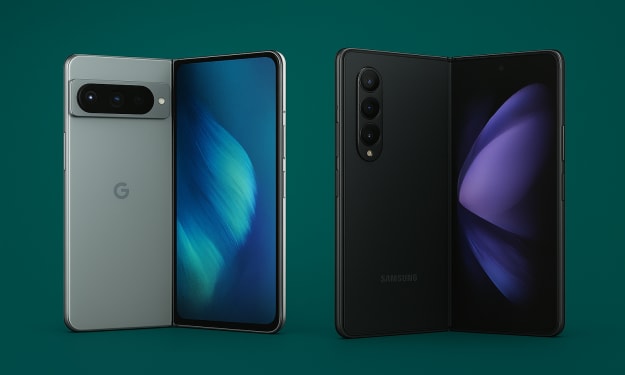
Google Pixel 10 Pro Fold vs Samsung Galaxy Z Fold7: The Ultimate 2025 Foldable Phone Showdown
The foldable smartphone market has reached a new level in 2025. With the Google Pixel 10 Pro Fold and Samsung Galaxy Z Fold7, users are witnessing a clash between two AI-powered giants. Both phones promise cutting-edge performance, advanced camera systems, and seamless multitasking experiences — but they cater to slightly different audiences. If you're wondering which foldable is worth your investment this year, this in-depth comparison breaks down design, performance, AI features, battery, and value, helping you decide the true winner of 2025’s foldable war. 1. Design & Build Quality Both Google and Samsung have refined their foldable designs for durability and everyday usability. Google Pixel 10 Pro Fold brings a premium Moonstone or Jade finish, protected by Corning Gorilla Glass Victus 2 and an IP68 water resistance rating. Its gearless hinge design is engineered for nearly a decade of folds — that’s over 10 years of use without durability worries. Samsung Galaxy Z Fold7, on the other hand, impresses with its Armor Aluminum frame and Gorilla Glass Ceramic 2 display. Despite its larger 8-inch internal screen, it’s surprisingly lighter and slimmer than its predecessor. Samsung’s craftsmanship makes it feel almost like a regular smartphone when folded. 📊 Design Comparison Table | Feature | Google Pixel 10 Pro Fold | Samsung Galaxy Z Fold7 | | ---------------- | --------------------------------- | ----------------------------- | Build Material | Titanium & Gorilla Glass Victus 2 | Armor Aluminum & Gorilla Glass Ceramic 2 | | Water Resistance | IP68 | IP68 | | Weight | Slightly heavier | Lighter and slimmer | | Fold Durability | 10-year hinge rating | Reinforced fold design | | Finish Options | Moonstone, Jade | Silver Shadow, Blue Shadow, Jet Black | Verdict: Pixel 10 Pro Fold focuses on premium strength and a smooth hinge mechanism, while Galaxy Z Fold7 delivers better portability with refined proportions. 2. Display & Viewing Experience Foldables live or die by their displays — and both brands know it. The Pixel 10 Pro Fold features an 8-inch Super Actua Flex display with 120Hz refresh rate, offering Google’s brightest foldable panel yet. It supports Split Screen multitasking, allowing users to drag and drop between apps effortlessly. Galaxy Z Fold7 matches with an 8-inch 120Hz display, but introduces smarter multi-window management — letting you open up to three apps at once without lag. It’s a productivity dream machine for creators and professionals. Verdict: Samsung wins here by a narrow margin thanks to its multitasking interface, but Google’s vivid brightness and smoother hinge experience make it a close competition. 3. Performance & Processing Power Under the hood, both phones pack serious muscle. Google Pixel 10 Pro Fold runs on the Tensor G5 chip, offering a major AI upgrade with Gemini integration. It excels in real-time image processing, multitasking, and smart assistant features. Samsung Galaxy Z Fold7 is powered by Snapdragon 8 Elite, tuned for Galaxy devices. It delivers faster GPU performance, ideal for gaming and 4K video editing. | Performance Comparison | Pixel 10 Pro Fold | Galaxy Z Fold7 | | ---------------------- | ------------------------- | -----------------------| | Processor | Google Tensor G5 | Snapdragon 8 Elite | | RAM | 16GB | 12GB | | AI Integration | Gemini AI | Samsung AI + Google Gemini collaboration | | Multitasking | Split screen + AI tasking | Triple window multitasking | | Gaming Performance | Excellent | Outstanding Verdict: Samsung takes the performance crown with raw power, while Google dominates the AI and software intelligence category. 4. Camera Capabilities Both phones are photography beasts in their own right. Pixel 10 Pro Fold packs a triple-lens system with Super Res Zoom up to 20x, a 5x telephoto lens, and Google’s world-class computational photography. Its ability to preview and edit photos in real time makes it a mobile creator’s dream. Galaxy Z Fold7 fights back with a massive 200MP Pro-Visual Engine camera, making it Samsung’s best foldable shooter yet. The detail retention, color science, and Pro mode tools make it ideal for content creators. Verdict: Pixel delivers smarter AI-driven image results, while Samsung offers unbeatable raw detail and color accuracy. 5. Battery & Charging Battery life has been a consistent challenge for foldables — but 2025 brings big improvements. The Pixel 10 Pro Fold offers 24+ hours of battery life, powered by Qi2 Pixelsnap magnetic charging, and optimized AI battery management. Galaxy Z Fold7 also boasts an all-day battery, supported by faster charging speeds and Snapdragon’s efficiency cores. Verdict: A tie — both last a full day easily, but Samsung edges out with slightly faster charge times. 6. AI & Software Experience This is where both phones shine. Pixel 10 Pro Fold integrates Gemini Live, allowing natural voice conversations, visual recognition, and cross-app assistance.
By NextGen Mobile Techabout a year ago in Futurism
The Hidden Magnetism of Space: Why Objects That Don’t Attract on Earth Pull Together Among the Stars
If you drop a pen and a paperclip on your desk, they just sit there. Nothing happens — no invisible force draws them together. But take those same two objects far away from Earth, into the silent vacuum of space, and something extraordinary begins to happen: they start to move toward each other. Slowly, almost imperceptibly at first, but undeniably. It sounds like science fiction — yet it’s a real and fascinating truth about how the universe works.
By Holianyk Ihorabout a year ago in Futurism
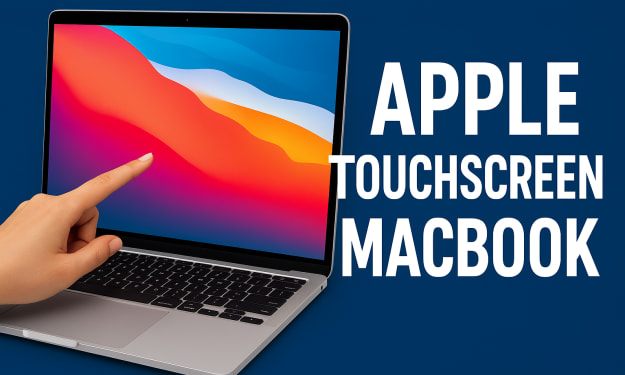
Apple Touchscreen MacBook: Everything We Know About Apple’s Bold Move Into Touch Computing
Apple is finally bringing touch to the Mac. The long-awaited Apple touchscreen MacBook Pro is rumored for 2026, featuring OLED displays, M6 chips, and a sleek redesign that could redefine the future of laptops. Apple Is Finally Breaking Its Own Rules For years, Apple fans have dreamed of the day they could tap, swipe, and pinch directly on a Mac screen — just like they do on an iPad. It’s finally happening. According to recent Bloomberg reports, Apple is preparing to launch its first-ever Apple touchscreen MacBook, likely arriving in late 2026 or early 2027. This move marks a major shift in Apple’s philosophy. The company that once said touchscreens don’t belong on laptops is now getting ready to introduce one of the most anticipated products in its lineup — and the tech world is buzzing. So, why the change of heart? And what can we expect from this groundbreaking MacBook? Let’s dive into everything we know so far. A Decade in the Making: Why Apple Changed Its Mind Back in 2010, Steve Jobs famously said, “Touch surfaces don’t want to be vertical.” He argued that using a touchscreen laptop would be uncomfortable for long periods and that it didn’t make sense ergonomically. Apple doubled down on that stance for years, directing users who wanted touch experiences toward the iPad. But times have changed. Competing manufacturers like Dell, Microsoft, HP, and Lenovo have long offered touch-enabled laptops. Meanwhile, the line between tablets and computers has blurred. Apple’s own iPads now run on the same M-series chips as Macs and even share a similar interface. With the Apple touchscreen MacBook, Apple seems ready to finally bridge that gap — offering users the best of both worlds: the power of macOS and the convenience of touch. Inside the Design: Sleeker, Lighter, and More Advanced Reports indicate that Apple’s upcoming touchscreen MacBook Pro — code-named K114 and K116 — will feature a completely refreshed design. Expect thinner bezels, lighter materials, and a new hole-punch camera instead of the current notch. The display will use OLED technology, marking the first time this premium panel type appears on a Mac. OLED screens deliver richer colors, deeper blacks, and improved energy efficiency compared to traditional LCDs. That means visuals will look even more stunning, whether you’re editing photos, watching movies, or designing graphics. Apple is also engineering a reinforced hinge mechanism to handle the physical interaction of touch input. This will prevent the screen from wobbling or bouncing when users tap or swipe — a common issue on Windows laptops. Simply put, the Apple touchscreen MacBook will combine beauty, functionality, and durability in a way that feels uniquely Apple. Performance Powerhouse: The M6 Chip Era Under the hood, the new MacBook Pro will be powered by Apple’s next-generation M6 chips. Each generation of Apple Silicon has delivered major leaps in speed and efficiency, and the M6 is expected to continue that trend. These chips will likely include faster CPU and GPU cores, longer battery life, and better AI performance — all crucial for professionals who rely on demanding apps like Final Cut Pro, Xcode, or Adobe Creative Cloud. Apple is also expected to include advanced thermal management, ensuring the laptop stays cool even during heavy workloads. Combine that with the power of macOS and touch input, and the result could be the most capable and intuitive laptop Apple has ever made. The End of the Notch and the Rise of Dynamic Design One of the most noticeable design updates will be the removal of the notch at the top of the MacBook display. Instead, Apple plans to use a hole-punch camera design, similar to the Dynamic Island on iPhone models. This not only gives the screen a cleaner, more immersive look but also opens the door for future features like Face ID. Although Apple isn’t expected to include Face ID in the first touchscreen MacBook, reports suggest the company is working on it for future models. Touch, Trackpad, and Keyboard: The Perfect Blend One of the smartest decisions Apple has made is keeping the traditional keyboard and trackpad. This means users who prefer classic controls won’t have to rely on touch — but those who do can enjoy the added flexibility. Think of it as a hybrid design philosophy. You can use the trackpad for precision, the keyboard for speed, and the touchscreen for creative, intuitive gestures. Apple already tested part of this concept with the iPad Magic Keyboard, which turned the tablet into a mini laptop. The company learned from that success — and it’s bringing that hybrid experience to the Mac lineup. Pricing: A Premium Touch As with most Apple products, innovation won’t come cheap. Current non-touch MacBook Pros start at $1,999 for the 14-inch and $2,499 for the 16-inch version. Analysts expect the Apple touchscreen MacBook to cost a few hundred dollars more due to the OLED display and upgraded components. For professionals, content creators, and tech enthusiasts, though, the extra cost could be well worth it. After all, this device isn’t just another laptop — it’s a sign of where Mac computing is headed. Apple’s Strategy: Start High, Then Scale Down Apple has a pattern: introduce cutting-edge features in its premium models, then trickle them down to more affordable products later. Just as the MacBook Pro pioneered Apple Silicon before it reached the MacBook Air, the touchscreen MacBook Pro will likely serve as a testing ground. If it succeeds, we could see touch capabilities coming to the MacBook Air and even the iMac in future generations. For now, Apple is said to be watching market reactions carefully. That’s classic Apple — deliberate, strategic, and always focused on perfect execution rather than rushing to follow trends. From Skepticism to Strategy: A Historic Shift It’s worth remembering just how far Apple has come. When Tim Cook once joked that combining a laptop and tablet would be like “mixing a toaster and a fridge,” few imagined Apple would ever make a touchscreen Mac. But the world has evolved. Touchscreens are now standard on Windows laptops, and users have grown accustomed to fluid, touch-based navigation. Apple’s ecosystem has also matured — macOS and iPadOS now share apps, design language, and even accessories. In other words, the Apple touchscreen MacBook isn’t a gimmick; it’s a natural next step in Apple’s long-term plan to unify its devices under one seamless experience. Why the Touchscreen MacBook Matters Beyond the excitement of new hardware, this device could redefine how we use Macs altogether. Touch opens the door to new creative workflows — from sketching directly on the screen to manipulating 3D models with your hands. It also gives developers new possibilities for designing touch-optimized macOS apps, potentially reshaping the software ecosystem. And let’s not forget the marketing side: Apple’s entry into the touchscreen laptop category will immediately raise the bar for design, performance, and user experience across the entire industry. Looking Ahead: What Comes Next Apple isn’t stopping at touch. Reports suggest the company is experimenting with Face ID for Macs, new Mac Studio and Mac mini models, and external monitors that could complement the new generation of touch-enabled devices. If all goes according to plan, 2026 could mark a major turning point in Apple’s hardware strategy — one that blurs the boundaries between Mac, iPad, and even iPhone. Final Thoughts: The Future Is Touch The upcoming Apple touchscreen MacBook represents more than just a new product. It’s a symbol of evolution — proof that even the world’s most design-obsessed tech company can change its mind when the time is right. With its stunning OLED display, M6 chip power, and hybrid touch experience, this device could reshape the laptop market just as the original MacBook Air did years ago. For users, it means more choice. For Apple, it’s another bold step toward a unified, touch-first future. And for the rest of the industry? It’s a wake-up call: the era of the touchscreen Mac has finally arrived. Apple touchscreen MacBook
By NextGen Mobile Techabout a year ago in Futurism