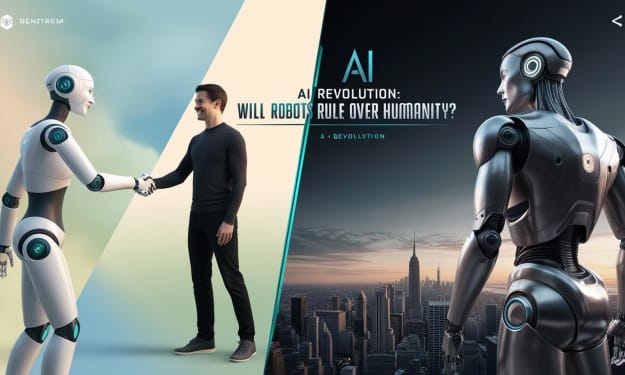
artificial intelligence
The future of artificial intelligence.
Trump’s Budget Proposal Could Leave NASA’s Mars Samples Stranded: A Setback for Space Science?
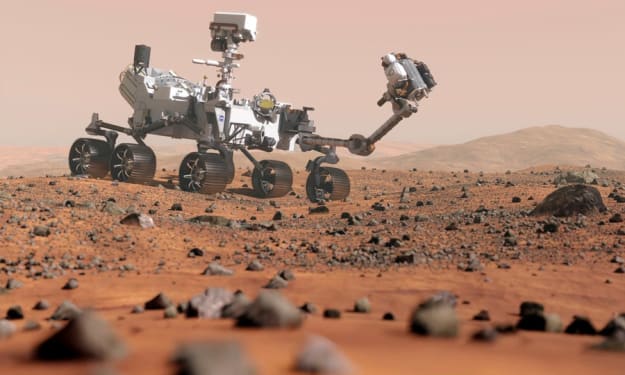
In a move that has sparked significant concern across the scientific and aerospace communities, the Trump administration’s newly proposed budget for fiscal year 2026 threatens to derail one of NASA’s most ambitious projects: the Mars Sample Return (MSR) mission. With sweeping budget cuts across the board, the proposed plan slashes NASA’s funding by 25%, and its science division by nearly 50%. These cuts, if implemented, could leave precious Martian samples—painstakingly gathered by the Perseverance rover—stranded on the Red Planet indefinitely. This budget proposal marks a dramatic pivot in U.S. space policy, one that prioritizes short-term financial savings over long-term scientific advancement. It also raises critical questions: What is the future of NASA’s Mars exploration program? Will the United States relinquish its leadership role in planetary science? And what does this mean for humanity’s quest to understand Mars—and potentially discover life beyond Earth? Let’s dive into the implications of this controversial decision and explore why abandoning the Mars Sample Return mission could be a costly mistake, not just for NASA, but for global science and exploration. What Is the Mars Sample Return Mission? The Mars Sample Return (MSR) mission is a collaborative effort between NASA and the European Space Agency (ESA), designed to retrieve soil and rock samples collected by NASA’s Perseverance rover. Launched in 2020, Perseverance has already gathered a collection of Martian samples in sealed tubes, stored in preparation for future retrieval. The MSR mission involves multiple complex stages: a future lander would retrieve the cached samples, launch them into Mars orbit, and transfer them to an Earth-bound spacecraft. The return of these samples, expected by the mid-2030s, could provide critical insights into Mars’ geological history and the possible presence of ancient microbial life. Scientists have long considered the MSR mission a top priority for planetary science. It has been consistently endorsed by the National Academies’ Decadal Surveys, which guide U.S. space science investments. The samples would represent the first-ever materials brought back from another planet—a historic achievement with vast implications for science, technology, and international collaboration. Budget Cuts That Jeopardize the Mission The Trump administration’s proposed budget deals a severe blow to this vision. The new fiscal plan calls for drastic cost-cutting measures, including the near-elimination of funding for the Mars Sample Return program. Officials behind the proposal cite the mission’s ballooning budget—now estimated to exceed \$11 billion—as a primary reason for its cancellation. Proponents of the budget argue that human missions to Mars in the future could accomplish similar goals at lower costs. They also point to current delays and technical challenges within the MSR mission as justification for shelving the project. However, many in the scientific community view these justifications as shortsighted. Billions have already been invested in the mission, and canceling it now could squander decades of planning, research, and international partnership. Moreover, waiting for human missions to Mars—still many years, if not decades, away—could mean losing momentum and leadership in planetary science. A Shocking Turn of Events What makes this development even more surprising is its timing. Just days before the budget announcement, NASA officials publicly expressed optimism about the MSR’s progress. They discussed plans to streamline mission operations, cut costs, and potentially accelerate the sample return timeline from 2040 to 2035. According to NASA insiders, various strategies were being considered to make the mission more efficient. These included reducing the number of spacecraft involved and optimizing payload designs to lower costs and logistical complexity. The sudden proposal to abandon the MSR mission appears to contradict these efforts—and has left many NASA scientists stunned. “It’s like building the first half of a bridge and then walking away,” said one mission engineer anonymously. “We’ve come too far to just give up now.” The Stakes: Scientific and Strategic Beyond the loss of knowledge, canceling the Mars Sample Return mission carries significant strategic risks. Mars exploration is no longer the sole domain of the United States. China has announced plans for its own Mars sample return mission, potentially as soon as 2031. If the U.S. steps back, it may find itself ceding scientific leadership to competing space programs. Moreover, the mission represents a rare example of international cooperation in space exploration. NASA and ESA have worked closely on MSR, and the project has created opportunities for thousands of scientists and engineers around the world. Abandoning it could damage international relationships and dampen future collaborative efforts. A Decision in Congress’ Hands The good news for space advocates is that the President’s budget proposal is not the final word. Congress has the power to approve, reject, or amend the federal budget, and many lawmakers have already voiced strong support for maintaining NASA’s science programs. Historically, Congress has rejected similar cuts to NASA proposed by previous administrations. Advocates hope this pattern will continue, especially as pressure mounts from scientific institutions, space industry leaders, and the general public. Several advocacy groups are already mobilizing to lobby for the MSR mission’s preservation. Public campaigns and petitions are gaining traction online, urging Congress to protect NASA’s science division and keep the Mars mission alive. Why It Matters At its core, the debate over the Mars Sample Return mission is about more than just dollars and cents. It’s about whether the United States is willing to lead in the grand pursuit of knowledge, exploration, and innovation. The MSR mission is not only a scientific endeavor—it’s a symbol of what humanity can achieve through curiosity, collaboration, and ambition. Stranding these Martian samples would not only halt a generational opportunity—it would send a message that short-term savings matter more than long-term discovery. As the budget process moves forward, the world will be watching to see if the U.S. chooses to invest in its future—or leave it buried in Martian soil. Mars Sample Return
By NextGen Mobile Techabout a year ago in Futurism
Are We Still Working, Really?. AI-Generated.
Introduction: The Era of B.A.R.M.We are entering a professional reality shaped by four powerful global forces: Burnout, Artificial Intelligence, Remote Work, and Misinformation. These may seem like independent phenomena, but together they are producing a cultural and psychological shift in the global workforce. This convergence—what we’ll call the B.A.R.M. Effect—is changing how we work, think, and feel about purpose. It’s not a crash; it’s a quiet unraveling.
By Ahmet Kıvanç Demirkıranabout a year ago in Futurism
How Small Businesses are Winning Big with AI
In the past, Artificial Intelligence (AI) was something only big companies used. They had money, technology, and teams to manage it. But things have changed. In 2025, even small businesses — like local shops, freelancers, and small online stores — are using AI to grow faster and work smarter. This story shows how AI is helping small businesses win big. Running a small business is not easy. Owners wear many hats — they are the manager, the marketer, the customer support, and more. They have less money and fewer people than big companies. But thanks to Artificial Intelligence (AI), small businesses are now getting powerful tools that help them compete with larger companies. Let’s explore how small businesses are using AI to grow and win. --- 1. Smarter Marketing Marketing used to be expensive. Hiring an agency or doing ad campaigns required a lot of money. Now, AI tools make it easier and cheaper. Tools like ChatGPT, Jasper, and Canva’s AI help write social media posts, create ads, and even suggest new ideas. Some businesses use AI to study what their customers like. For example, AI can track what people click on, buy, or ignore. Then it suggests better marketing strategies — like the best time to post or the perfect product to promote. AI-powered email tools also help. They write emails, personalize them for each customer, and even send them at the best time. This means more people open the emails and buy from them. 2. Better Customer Service Customers expect fast answers. But hiring full-time support staff is expensive. That’s where AI chatbots help. Small businesses now use tools like Tidio or Intercom AI to talk to customers 24/7. These bots can answer common questions, take orders, and even solve small problems. If the bot cannot solve it, it passes it to a human. This saves time and keeps customers happy. Even WhatsApp and Facebook now have AI reply features for business accounts. Small shops and freelancers can use them to manage chats quickly and professionally. 3. Managing Money and Inventory Small businesses must be careful with money. AI tools help track spending, send invoices, and manage inventory. Apps like QuickBooks and Xero now use AI to suggest where to cut costs or what product is selling the most. For example, if a bakery notices that chocolate cupcakes sell more on weekends, AI can suggest buying more ingredients before Friday. This stops waste and increases sales. These tools also warn when stock is low, send automatic bills, and help with taxes. All this makes it easier for the owner to focus on customers. 4. AI-Powered Product Ideas Have you ever heard of businesses using AI to decide what to sell next? Many do. AI studies customer reviews, feedback, and market trends to suggest new product ideas. For example, a clothing shop can use AI to see what styles are trending. Or a small coffee shop can ask AI to help create a unique drink based on customer tastes. Some use tools like Midjourney or DALL·E to create product images, labels, or posters without needing a designer. 5. Saving Time on Daily Tasks Time is money — especially for small businesses. AI helps save time by automating boring tasks. This includes writing documents, creating reports, translating content, or even scheduling meetings. Voice-to-text AI helps business owners record thoughts quickly. AI assistants like Notion AI or Otter.ai help with note-taking and planning. Some businesses even use AI to manage their to-do lists and calendars. When daily tasks are done faster, owners can spend more time with customers or growing their business. 6. Learning and Improving Fast AI tools also teach. They help business owners learn about marketing, design, customer service, and more — all without paying for big courses. Tools like YouTube’s AI recommendations or online AI tutors give the right video or lesson at the right time. AI also shows what’s working and what’s not. It gives small reports with charts and data that are easy to understand. Even a shopkeeper can see how their business is doing in just a few clicks. 7. Competing with Big Brands AI helps level the playing field. A small skincare brand can now advertise on Instagram using AI — just like a big brand. A local bakery can use AI to send special offers. A freelancer can make a beautiful website using AI design tools. This means even small businesses can look professional and work smart — sometimes even better than big companies. Conclusion: Small businesses don’t need big money to grow anymore — they need smart tools. And AI gives them those tools. From customer service to marketing, inventory to ideas — AI is helping small businesses save time, work smarter, and reach more pepeople. In 2025, AI is no longer a luxury — it’s a smart friend. One that helps small businesses win big. If you run a small business or dream of starting one, learning to use AI might be your smartest move yet.
By Hashim khanabout a year ago in Futurism
Artificial Intelligence in 2025: The Invisible Force Reshaping Our World
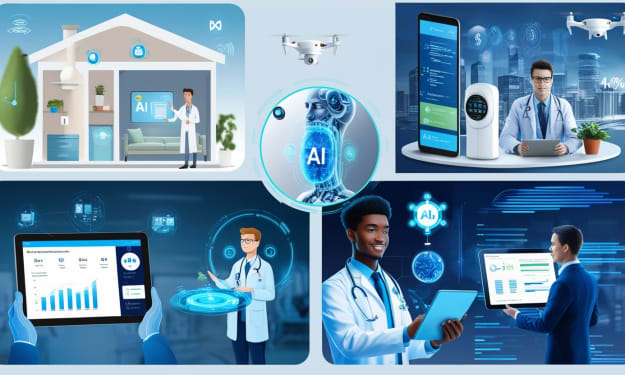
Introduction: The Silent Revolution Imagine waking up in the morning, and before you even get out of bed, your smartphone has already analyzed your sleep patterns and adjusted your alarm accordingly. Your coffee machine knows the perfect time to brew your favorite drink. Your email is prioritized based on urgency. And all of this happens without you lifting a finger. This isn't a distant dream anymore – it's 2025, and Artificial Intelligence (AI) is no longer science fiction. It's the invisible force quietly reshaping our lives. In this article, we will explore how AI has evolved into a powerful presence in our personal and professional lives, the impact it's having on various sectors, the ethical concerns it raises, and what the future may hold. Whether you're a tech enthusiast or a curious onlooker, this comprehensive guide will help you understand the role of AI in our changing world. 1. AI at Home: The Smart Living Era AI has seamlessly integrated into our homes, making them smarter, safer, and more efficient. Devices like Amazon Echo, Google Nest, and Samsung SmartThings are now capable of learning from user behavior, creating customized environments tailored to each individual. From adjusting lighting and temperature to suggesting dinner recipes based on what’s in your fridge, AI personal assistants are becoming indispensable. Smart home security systems powered by AI can now differentiate between a family member and a potential intruder, reducing false alarms and enhancing safety. Additionally, AI-driven home robots are helping the elderly and disabled live more independently by providing companionship, medication reminders, and even mobility assistance. 2. AI in Healthcare: Saving Lives with Precision The healthcare sector has seen some of the most revolutionary AI implementations. In 2025, AI is being used to diagnose diseases with unprecedented accuracy. Tools like IBM Watson and Google's DeepMind are analyzing medical data, imaging, and patient history to detect conditions like cancer, Alzheimer’s, and heart disease early and more accurately than traditional methods. AI-powered wearable devices are continuously monitoring vital signs and alerting users and doctors about potential health risks. Personalized medicine, where AI tailors treatment plans based on genetic profiles and lifestyle, is improving patient outcomes and reducing side effects. Moreover, AI chatbots are transforming mental health care by offering 24/7 support and helping bridge the gap between therapists and patients. 3. AI in the Workplace: Automation and Augmentation From finance to manufacturing, AI is automating repetitive tasks and augmenting human capabilities. In 2025, companies are leveraging AI for data analysis, customer service, recruitment, and even decision-making. For example, chatbots handle thousands of customer queries daily with accuracy and consistency. AI is also transforming job roles. While some fear job losses, new opportunities are emerging that require a blend of human creativity and AI efficiency. Jobs in AI ethics, machine training, and algorithm auditing are now in demand. The key to thriving in this environment is adaptability and continuous learning. 4. AI in Education: Personalized Learning Paths Education has become more inclusive and adaptive thanks to AI. Platforms like Khan Academy, Duolingo, and Coursera use AI to track student progress and tailor lessons accordingly. In 2025, students receive real-time feedback, and teachers are empowered with tools to identify and address learning gaps. Virtual tutors, powered by AI, provide around-the-clock assistance, breaking geographical and time barriers. Special education is benefiting immensely as AI helps design personalized learning experiences for students with disabilities. 5. AI and Ethics: Navigating a Complex Terrain With great power comes great responsibility. As AI grows, so do ethical concerns. Who is accountable when an AI-driven car crashes? Can AI make unbiased decisions when trained on biased data? How much privacy are we sacrificing for convenience? In 2025, these questions are at the forefront of technological discourse. Governments and organizations are working to implement ethical frameworks and transparency protocols. AI transparency, fairness, and accountability are becoming non-negotiable principles. 6. AI in Entertainment: Revolutionizing Creativity AI isn't just analyzing data; it's creating art. From composing music and writing scripts to generating deepfake videos and designing video games, AI is revolutionizing the entertainment industry. Tools like OpenAI’s ChatGPT and DALL·E are allowing artists to collaborate with machines to push creative boundaries. In 2025, virtual influencers, AI-generated content, and immersive experiences powered by AI are redefining how we consume and create media. 7. AI in Transportation: From Self-Driving Cars to Smart Traffic Self-driving cars are no longer a novelty. Companies like Tesla, Waymo, and Cruise are deploying autonomous vehicles that navigate city streets safely. AI is optimizing traffic flow in smart cities, reducing congestion and emissions. Logistics and delivery services have embraced AI for route planning, fleet management, and even drone-based deliveries. This has not only improved efficiency but also minimized environmental impact. 8. The Dark Side of AI: Risks and Threats While AI offers countless benefits, it also poses significant risks. Deepfakes, misinformation, surveillance, and algorithmic bias are growing concerns. Cybersecurity threats are becoming more sophisticated, as AI is used both to protect and attack digital infrastructures. As AI becomes more autonomous, the need for regulation and ethical oversight is critical. Unchecked development can lead to unintended consequences with global implications. 9. The Human-AI Partnership: Moving Forward Together The future isn't about humans versus machines – it's about collaboration. AI can augment human potential, enabling us to solve complex problems and make better decisions. The real challenge is ensuring that this partnership is balanced, ethical, and inclusive. Education systems must adapt to teach AI literacy. Governments need to legislate responsibly. Individuals must remain curious, adaptable, and informed. Conclusion: Embracing the Inevitable Future Artificial Intelligence is not coming – it's already here, quietly transforming every aspect of our lives. As we step further into 2025, the question isn't whether AI will change our world, but how we choose to shape that change. Will we fear the unknown or harness AI's power to build a better, more equitable future? The choice is ours.
By Babar Azamabout a year ago in Futurism
AI's Crucial Role in National Growth: The Future of Economic Development
In today's rapidly evolving technological landscape, artificial intelligence (AI) has emerged as a cornerstone for national economic development and competitive advantage. Countries looking to position themselves at the forefront of global innovation must hire AI developers with specialized expertise to build robust technological infrastructures and implement cutting-edge solutions. This investment in AI talent has become as fundamental to national growth strategies as traditional infrastructure development was in previous decades.
By Himshikha Chaudharyabout a year ago in Futurism
“Beyond the Hype: The Real Power of AI to Transform Our Future”
Each generation has its own wave oEachf innovation in fire, bicycles, electricity and the Internet. For us, it is artificial intelligence. AI is everywhere now. It helps you write e-mails, recommend music, recognize fraud, drive your car, and even compose poetry. But something deeper happens about impressive headlines and clickbait horrors, so hopeful. Be careful, AI is more than just a powerful tool. It's an opportunity to build a lighter, more equitable and networked future. begins with education, one of the cornerstones of human progress. In many parts of the world, students still learn from outdated textbooks in crowded classrooms. Qualified teachers are rare. However, AI begins to fill these gaps. AI-powered tutoring platforms now offer personalized learning experiences anywhere, anytime. They adapt content based on individual performance, helping students learn at their own pace. Children in far away villages can learn algebra with the help of digital assistants who do not get tired or impatient. This is more than convenience - it's equal. Now consider your healthcare focus. is counted per second in medicine, especially with early diagnosis. AI systems currently analyze thousands of medical image x rays, MRIs and CT scans to recognize diseases such as cancer, fractures and heart disease with incredible accuracy. In some cases, AI can cause problems with overlooked human doctors. And it's not about replacing a doctor. It's about strengthening them. AI gives patients time to connect and bury less time in paperwork. In rural or fighting areas, AI can live on the diagnostic tools of frontline sub-lanes. Then there is the developing JoBL landscape. Yes, some jobs will disappear. But many develop or appear completely. New careers will be shaped by AI Ethics, high-speed engineering, model training, art and digital security. Roles such as "AI Educators", "Bias Auditor" and "AI-Human Interaction Designer" failed five years ago. What we need is mass skills. And ironically, AI can help there too - by offering adaptive online courses that tell everything from coding to soft skills. People are adapting to history in every industry change. I'll adapt again. But perhaps the most urgent promise of AI is in the climate crisis. Battle of our planets. You need a solution right away. AI helps scientists prepare weather patterns, pursue designs via satellite imagery, optimize energy consumption, and improve waste development systems. AI-controlled drones plant planting plants faster than human crews. The algorithm helps farmers to use water more efficiently and grow food with fewer chemicals. These are not dreams. These are the reality that is happening now - loud enough. And there are more.AI also revolutionizes accessibility. Language assistants give you visually impaired independence. Real-time translation tools break the language barriers. Emotion detection software helps people with autism control social interactions. These are small things for others for buttery living. But here's the catch. AI is potentially not automatic. AI can deepen inequality, strengthen distortion, spread misinformation, and build a future that isolates us. or - AI can improve creativity, free time, strengthen empathy, and build what brings essential services to every corner of the world. The machine will not make this decision. we. And to do so, you need more than a great engineer. Artists, educators, ethics, storytellers, parents, and everyday citizens need to design and use AI. AI systems need transparency. Strong regulations. Ethical standards. And most of all - we need a sense of a common purpose. When AI is treated as a tool rather than as an alternative to human thoughts and emotions, it opens the door to the Renaissance - learning, care, cooperation. In a world where so many systems feel broken, this may be our unusual second chance to get something from the start. Next time someone hears, say, "ki takes over the world," remind you: It's not what AI is doing. It's about what we do with it. And if we make good decisions, the future is not afraid. It's something you can look forward to.
By Jannatul Mariyam about a year ago in Futurism
Google Unleashes Powerful AI Tools to Protect Chrome Users from Online Scams
In an era where cybercrime and online scams are on the rise, Google is stepping up its efforts to safeguard users by integrating cutting-edge artificial intelligence (AI) technology directly into its Chrome browser. On May 8, 2025, Google officially announced the rollout of new AI-powered tools aimed at protecting Chrome users on both desktop and mobile devices. The move is part of a broader initiative to combat online fraud and make the internet a safer place for everyday users. This development marks a significant leap forward in real-time security technology, as Google leverages its advanced on-device large language model (LLM), Gemini Nano, to provide more intuitive and proactive protection against scams. In this article, we’ll explore the key features of this rollout, how it enhances user safety, and why it matters in today’s increasingly digital world. Google Introduces Gemini Nano: An On-Device AI for Chrome Security At the heart of this new initiative is Gemini Nano, a lightweight yet powerful version of Google's large language model. Unlike cloud-based AI models that rely on external servers, Gemini Nano runs directly on users' devices. This on-device capability not only ensures greater privacy but also allows the AI to respond in real-time, without the delays of sending and receiving data over the internet. For Chrome users on desktop platforms, Gemini Nano analyzes web pages as users browse them, looking for indicators of phishing schemes, deceptive content, or other suspicious behavior. If a potential threat is detected—especially from websites that haven’t yet been flagged in Google's database—the AI can immediately notify the user and offer options to avoid potential harm. This is particularly useful for defending against zero-day phishing websites, which are newly created scam sites that traditional systems may not yet recognize. By identifying sketchy language, patterns of deceit, and abnormal site behavior, Gemini Nano can alert users before any damage is done. Chrome on Android Gets Smarter with AI-Powered Notification Warnings Google isn't stopping at desktop protection. Chrome users on Android will also benefit from new AI enhancements. One of the most common tactics used by scammers today is through deceptive browser notifications. Users often unknowingly enable notifications from fraudulent websites, which later bombard them with scam messages, fake alerts, or misleading offers. To combat this, Google is rolling out AI-driven warning systems for Android notifications. When a user is about to receive a suspicious notification, Chrome will now display a warning, giving users the choice to block the notification or continue. This AI system analyzes the intent behind the notification and alerts the user if it determines that the message could be part of a scam. Importantly, this system also gives users control. If someone believes the warning was an error, they can override it and allow future notifications from the same site. This balance of protection and user freedom is crucial for building trust in AI-powered features. Broader AI Strategy: Fighting Scams at Scale While these new Chrome features are headline-worthy, they’re just one part of Google’s larger strategy to fight scams using artificial intelligence. Google has been increasingly relying on AI systems to detect and block malicious content across its platforms, including Google Search, Gmail, and YouTube. According to the company, AI tools are now blocking hundreds of millions of scam-related search results every single day. This includes everything from fake tech support websites to phishing attempts disguised as legitimate services. One particularly successful area has been in curbing scams related to fake airline customer service numbers. In fact, Google reports an over 80% reduction in users being misled by these types of impersonation scams in search results. These efforts not only help individual users avoid being defrauded, but they also make it more difficult for scammers to reach a wide audience. By disrupting their visibility in search engines and cutting off common attack vectors, Google is making the internet a much harder place for scammers to operate. Why This Matters: Scams Are Evolving—And So Must Our Defenses Online scams have become more sophisticated in recent years. Today’s scammers often use social engineering tactics, mimic legitimate websites and services, and exploit user trust to steal personal information or financial data. Traditional cybersecurity tools are no longer enough to keep up with the speed and scale of modern threats. By embedding AI directly into Chrome, Google is shifting from a reactive to a proactive security model. Instead of relying solely on blacklists or user reports, Chrome can now detect and block threats dynamically, as they happen. This shift represents a major evolution in how browsers protect their users. Moreover, these AI advancements aren’t just theoretical—they’re grounded in practical impact. From blocking deceptive pop-ups to identifying fraudulent websites in real-time, Gemini Nano and related tools are making a measurable difference in user safety. What’s Next for Chrome and User Security? As AI continues to evolve, we can expect even more sophisticated tools integrated into the Chrome browser and other Google products. Future updates could include AI-based fraud detection for online purchases, smarter password management, and even automated scam reporting features that help other users stay safe. For now, Google is focused on ensuring that these tools roll out smoothly and effectively. The company has emphasized its commitment to user privacy, stating that Gemini Nano’s on-device processing ensures personal data never has to leave the user’s computer or phone. Final Thoughts: Google Leads the AI-Powered Security Revolution Google’s latest announcement marks a pivotal moment in the fight against online scams. By harnessing the power of artificial intelligence and embedding it into one of the world’s most widely used browsers, the tech giant is raising the standard for online safety. Whether you’re a casual browser or someone who relies on the internet for work, shopping, or socializing, these new AI tools in Chrome could be the difference between staying safe and falling victim to a scam. It’s a welcome step forward in making the web not only smarter—but also safer for everyone.
By NextGen Mobile Techabout a year ago in Futurism
AI in Daily Life : The Silent Revolution. AI-Generated.
Artificial Intelligence (AI) has transitioned from science fiction to a very real part of our daily lives. It no longer exists solely in futuristic movies or complex labs; it’s right here, in our pockets, homes, and workplaces. While we may not always notice it, AI is rapidly becoming one of the most transformative technologies of the 21st century. Let’s dive into how artificial intelligence is subtly — yet powerfully — reshaping the world around us, and what it means for the way we live and work. What is Artificial Intelligence? At its core, AI refers to the ability of machines to mimic human intelligence. These systems can learn from data, recognize patterns, make decisions, and even predict future outcomes — often more efficiently than humans. From voice assistants like Siri and Alexa to recommendation systems on Netflix and Amazon, AI is everywhere. But its influence goes far beyond just convenience. 1. Smart Homes: Living with Intelligent Devices The modern home is no longer just a physical space — it’s an intelligent environment. Smart thermostats learn your schedule and adjust temperature automatically. AI-powered security cameras detect unusual behavior and alert you in real-time. Lights turn off when you leave the room, and your coffee starts brewing the moment your alarm rings. These innovations are more than just luxuries — they save time, energy, and provide a new level of comfort and security. 2. AI in Healthcare: Smarter Diagnoses, Better Care Perhaps the most meaningful use of AI is in the healthcare industry. AI algorithms can scan medical images like X-rays and MRIs to detect diseases earlier and with higher accuracy than human doctors. They help doctors analyze symptoms, suggest treatment options, and even predict potential health risks based on patient history. Remote monitoring tools powered by AI allow for continuous health tracking, reducing hospital visits and ensuring better patient care, especially in rural or underserved areas. 3. Personalized Education: Learning Tailored to You AI has entered classrooms too. Intelligent tutoring systems analyze how students learn and adapt accordingly. For example, an AI-powered learning app can detect when a student struggles with a concept and offer additional explanations, videos, or exercises tailored to their specific needs. This kind of personalized education has been shown to improve retention and engagement, especially in remote learning environments. 4. Financial Intelligence: Smarter Investments and Spending In the world of finance, AI is transforming how we manage money. AI-powered robo-advisors help investors choose stocks and manage portfolios based on real-time market analysis. Banks use AI to detect fraudulent transactions, automate customer service, and even offer spending advice. Even budgeting apps now use AI to predict future expenses and help users save more effectively. 5. AI in Entertainment: The Content You Crave Ever wondered how Netflix always seems to know what you want to watch next? That’s AI at work. AI analyzes your viewing habits to recommend shows and movies you’re most likely to enjoy. The same happens on Spotify, YouTube, and even social media platforms like TikTok, where AI tailors content to your preferences — keeping you engaged (and often addicted). Benefits of AI in Daily Life Efficiency: Tasks that once took hours can now be done in minutes, or automatically. Convenience: Personalized services make everyday life smoother and more comfortable. Safety: From fraud detection to surveillance, AI contributes to personal and public safety. Healthcare Access: AI-powered diagnostics are improving access and quality of healthcare worldwide. Challenges and Ethical Questions Despite its benefits, AI also comes with concerns: Job Automation: Many fear that AI will replace human jobs, especially in manufacturing, customer service, and transportation. Bias in AI Systems: If an AI learns from biased data, it can make unfair decisions — particularly in areas like hiring or law enforcement. Privacy Issues: As AI systems collect more personal data, concerns over surveillance and data misuse are rising. Dependence on Technology: There's also the risk of becoming too reliant on machines, losing critical thinking or interpersonal skills. What Does the Future Hold? Looking ahead, AI is expected to continue evolving rapidly. Self-driving cars, AI-powered cities, and advanced robotics are no longer ideas of tomorrow — they’re under development today. But as AI grows smarter, the way we shape its development will determine whether it becomes a tool of liberation — or control. Final Thought: Artificial intelligence is not just a trend; it's a technological shift reshaping how we interact with the world. Understanding it today is crucial to navigating the future. The next time your phone suggests a shortcut, or your bank alerts you to a suspicious charge, remember: you’re already living in the age of AI. So, how will you prepare for a world where machines may soon think — and possibly decide — for us?
By RafiBinYousafabout a year ago in Futurism
How AI & Robotics Are Changing Our World — With Enthusiasts Like Abhishek Desikan Leading the Way
The New Era of Intelligence and Automation From voice assistants on our phones to robots assembling cars on factory floors, Artificial Intelligence (AI) and Robotics are no longer emerging technologies—they’re embedded in everyday life. As these fields converge, we're entering a transformative age where intelligent machines are not just tools, but partners in solving real-world problems.
By Abhishek Desikanabout a year ago in Futurism