humanity
Humanity topics include pieces on the real lives of chefs, professionals, amateurs, inspiring youth, influencers, and general feel good human stories in the Feast food sphere.
A Global Thanksgiving
Thanksgiving, for many, conjures images of cozy gatherings, delicious meals, and heartfelt gratitude shared among loved ones. Thanksgiving or celebrations of gratitude are not confined to a single country or culture. Across the globe, various traditions honor the spirit of giving thanks, each with its own unique customs and stories. In this blog, we’ll explore Thanksgiving through a broader lens, uncovering how gratitude transcends borders and connects us all in profound ways.
By Cletus-Ogbu Philomina2 years ago in Feast
No-cook recipes
Life is busy, and sometimes, the last thing anyone wants to do is turn on the stove or oven. Whether it's the middle of summer and too hot to cook, you're short on time, or you're just craving something fresh, no-cook recipes are a lifesaver. These meals offer quick, nutritious, and delicious options that don't require cooking, making them perfect for those looking to simplify their kitchen routine without sacrificing taste or quality. With just a few ingredients and minimal preparation, you can create satisfying dishes that range from breakfast to dessert. Here, we explore a variety of no-cook recipes that can add both convenience and flavor to your meal planning.
By Housekeeping2 years ago in Feast
Why Chili's Is a Lot More Dangerous Than You Realized
When people think about dining out at a place like Chili's, they often envision a laid-back experience filled with a family-friendly atmosphere, large portions of comfort food, and happy hour deals. Known for its sizzling fajitas, baby back ribs, and loaded burgers, Chili's has long been a staple in the American dining scene. However, beneath the casual dining façade, there are hidden health and nutritional dangers associated with the food served at establishments like Chili's that often go overlooked. In recent years, increasing attention has been placed on the dangers of high-calorie, high-sodium, and high-sugar meals, and Chili's is no exception. This essay will explore some of the potential health risks associated with eating at Chili's, focusing on factors like portion sizes, nutritional content, and the addictive qualities of highly processed foods.
By Housekeeping2 years ago in Feast
Milne Bay Province
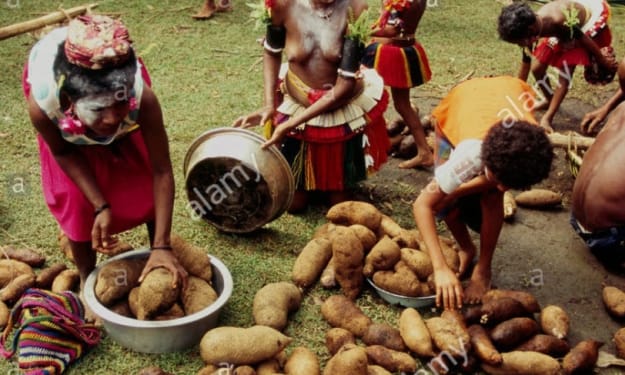
Milne Bay Province, located in the easternmost part of Papua New Guinea, is renowned for its rich cultural heritage, diverse traditions, and vibrant festivals. Among these, the Yam Festival holds a special place, serving as a symbol of gratitude, prosperity, and unity among the local communities. This annual event revolves around the cultivation, harvesting, and sharing of yams—an essential staple and cultural icon in Milne Bay society. The festival is a showcase of traditional dances, rituals, and culinary practices, offering a glimpse into the vibrant lifestyle of the people of this province. The Importance of Yams in Milne Bay Culture Yams, a tuber crop cultivated for centuries, are more than just a source of food for the people of Milne Bay; they carry deep cultural and spiritual significance. They symbolize wealth, fertility, and sustenance, and their cultivation is often surrounded by rituals to ensure a bountiful harvest. The Yam Festival is a time to honor these traditions and express gratitude to the ancestral spirits for their blessings. Preparations for the Festival Months before the festival, farmers work tirelessly to plant and nurture their yam gardens, ensuring that their harvest is worthy of display. The largest and most perfectly shaped yams are reserved for the festival, as they represent the farmer's skill and dedication. Villagers also prepare traditional attire, adornments, and props for the dances and rituals, while women gather ingredients for the elaborate feasts that will accompany the celebrations. Traditional Dances: Rhythms of Heritage One of the highlights of the Yam Festival is the series of traditional dances performed by men, women, and children adorned in vibrant costumes. Each dance is a carefully choreographed expression of cultural stories, ancestral connections, and communal pride. The Yam Dance: Central to the festival, this dance involves men carrying large yams on their shoulders, accompanied by rhythmic drumming and chanting. The dancers move in unison, symbolizing the collective effort required to cultivate and harvest the crop. Warrior Dances: These dances are performed by young men showcasing their strength, agility, and bravery. Clad in traditional attire made of bark cloth, shells, and feathers, the warriors demonstrate their readiness to protect their communities and crops. Women’s Dances: Women also play a significant role in the festival, performing graceful dances that celebrate fertility, unity, and the nurturing aspects of the community. They wear beautifully crafted grass skirts and beaded necklaces, their movements reflecting the ebb and flow of daily life. The dances are often accompanied by traditional instruments such as the kundu drum, bamboo flutes, and conch shells, which add a hypnotic rhythm to the festivities. Traditional Dishes: A Feast of Flavors Food is at the heart of the Yam Festival, with an array of traditional dishes prepared to honor the harvest and feed the gathered community. The yams themselves are cooked in various ways, each preparation highlighting the versatility and importance of this staple crop. Roasted Yams: Simple yet flavorful, yams are roasted over an open flame, their natural sweetness enhanced by the smoky aroma of the fire. Yam Pudding: A popular dish made by mashing boiled yams with coconut milk and baking them in banana leaves, resulting in a creamy and fragrant delicacy. Yam and Fish Stew: Combining yams with freshly caught fish, coconut cream, and spices, this dish reflects the close relationship between the people of Milne Bay and the sea. Sago and Yam Dumplings: A fusion of sago and yam flour, these dumplings are steamed and served with coconut syrup, blending textures and flavors in a unique way. Accompanying the yam dishes are side dishes made from taro, bananas, and sweet potatoes, as well as beverages like freshly squeezed coconut juice. The Spirit of Community Beyond the food and dances, the Yam Festival is a time for storytelling, reconciliation, and the strengthening of community bonds. Elders share tales of the past, children learn the values and traditions of their ancestors, and everyone participates in the spirit of sharing and generosity. As the festival comes to a close, the largest yams are often gifted to elders, chiefs, or neighboring communities as a gesture of goodwill and respect. This act underscores the festival's deeper message: the importance of unity, gratitude, and the cyclical nature of life. Conclusion The Yam Festival of Milne Bay Province is a vibrant celebration of tradition, culture, and community. Through its dances, dishes, and rituals, it honors the connection between the people, the land, and their heritage. It is a testament to the resilience and creativity of Milne Bay’s communities and a reminder of the enduring power of cultural traditions in shaping identity and fostering unity.
By Grace Guise2 years ago in Feast
Traditional Dishes of Mumu and Aigir
Papua New Guinea (PNG) is renowned for its rich cultural heritage, diverse languages, and traditional cuisines. Among the most iconic culinary practices are the Mumu and Aigir, both of which reflect the deep connection between the people and their land. These dishes are not just food but central to cultural ceremonies, gatherings, and festivals across the provinces of PNG. Mumu: The Earth Oven Feast The Mumu is a traditional method of cooking that involves an earth oven. It is a communal way of preparing food, particularly popular in the Highlands but practiced across many regions of PNG. The process begins with digging a pit in the ground, which is then lined with hot stones heated in an open fire. Ingredients, often a combination of meat, vegetables, and starchy staples, are wrapped in banana leaves and placed into the pit. These are covered with more leaves and earth to trap the heat, slow-cooking the food to perfection. Key ingredients in a typical Mumu include: Meat: Pork, chicken, or lamb, often marinated with local spices. Vegetables: Sweet potatoes, taro, yams, and cassava. Greens: Aibika (local spinach) and other leafy greens. Extras: Cooking bananas and coconut cream for added flavor. The Mumu is most famously associated with the Highlands provinces like Simbu, Eastern Highlands, Western Highlands, and Southern Highlands. However, it is also practiced in coastal and island provinces with slight variations. Festivals and Occasions Mumu is often the centerpiece of large gatherings, including: Bride Price Ceremonies: Where a groom’s family presents the bride’s family with gifts and prepares a Mumu as a feast to symbolize unity. Sing-Sing Festivals: Cultural gatherings featuring traditional dances, music, and food. Notable examples include the Mount Hagen Cultural Show in the Western Highlands and the Goroka Show in the Eastern Highlands. Christmas and New Year: Many communities celebrate these holidays with a communal Mumu. Aigir: A Traditional Claypot Dish Aigir is another beloved dish, primarily associated with the coastal and island regions of PNG, such as Madang, East New Britain, New Ireland, and Morobe. Unlike the earth oven Mumu, Aigir is prepared in clay pots over an open fire. The dish combines seafood (fish, prawns, or crabs) with vegetables and coconut milk, creating a flavorful and creamy stew. The ingredients are layered in the pot, starting with leafy greens like aibika, followed by root crops such as taro or sweet potatoes, and topped with freshly caught seafood. Grated coconut milk is poured over the layers, and the pot is simmered over low heat until the flavors meld together. Festivals and Occasions Aigir is particularly popular during: Canoe Festivals: For example, the Kenu and Kundu Festival in Milne Bay, where traditional canoes are showcased. Aigir serves as a celebratory meal. Harvest Celebrations: Marking the abundance of seafood and crops, Aigir is prepared to honor community effort and the blessings of the land and sea. Family Gatherings and Ceremonies: Smaller occasions, such as family reunions or local church feasts, often feature Aigir as a staple dish. Significance of Traditional Dishes in Festivals Both Mumu and Aigir go beyond nourishment—they represent the spirit of sharing and community. Preparing these dishes is a collaborative effort, with men and women taking on various roles, from harvesting and cooking to presenting the food. These culinary traditions are also a way to pass down ancestral knowledge, ensuring that younger generations remain connected to their heritage. In festivals, these dishes play a symbolic role, embodying the hospitality and generosity of PNG’s diverse cultures. Visitors to the Mount Hagen Cultural Show or the Kenu and Kundu Festival are often invited to partake in these meals, creating bonds of friendship and understanding. Conclusion The traditional dishes of Mumu and Aigir are deeply rooted in Papua New Guinea’s cultural identity. While Mumu showcases the resourcefulness of the Highlands communities with its earthy cooking method, Aigir highlights the bounty of the coastal regions with its use of fresh seafood and coconut. Both dishes are integral to festivals and ceremonies, bringing people together in celebration and gratitude. They are a testament to PNG’s rich culinary traditions and its people’s profound connection to the land and sea.
By Grace Guise2 years ago in Feast
Cooking Dinner on Valentine’s Day
Many couples celebrate Valentine’s Day by going out to eat at a special restaurant. In fact so many couples do this on Valentine’s Day that getting a table at a highly sought after restaurant will likely involve making reservations well in advance and restaurants which do not take reservations may require long waits to be seated on Valentine’s Day. However, couples who are looking for a change of pace on Valentine’s Day can try cooking their own dinner on Valentine’s Day. This article will provide some basic tips for cooking dinner on Valentine’s Day and will also provide some ideas for making the activity of cooking more unique.
By Alexey Sabadyr2 years ago in Feast
Planning a Trip on Valentine’s Day
Whisking your partner away on a surprise, two week long exotic vacation may seem like an extremely romantic idea for a Valentine’s Day gift but it does not always work out that way. In theory a surprise vacation is incredibly romantic but in reality it can often be filled with complications which put a damper on the trip. However, it is possible to plan a trip for Valentine’s Day and have it turn out to be an absolutely incredible gift which your partner will remember forever. This article will provide some information on how to plan a trip for Valentine’s Day without running into a number of snags.
By Alexey Sabadyr2 years ago in Feast
Entertainment Ideas for Your Next Thanksgiving Party
Have you recently made the decision to host a Thanksgiving party in your home? If so, there is a good chance that you may have already started the planning process. If so, have you decided on a form on party entertainment yet? Even if you have started planning your Thanksgiving party, there is a good chance that you have yet to get to the entertainment. This is because entertainment is often one of the last things that a party host plans. Well, if it is time for you to start thinking about your Thanksgiving party entertainment, you will find that you, literally, have an unlimited number of options.
By Alexey Sabadyr2 years ago in Feast
Live Laugh Cook
Art can take many forms, and two of the most surprisingly similar yet distinct expressions are comedy and cooking. Both are creative outlets, both bring people together, and both have the power to transform a simple day into something memorable. What’s more, comedy and cooking are accessible arts that anyone can dive into, whether it’s cracking jokes with friends or experimenting in the kitchen. Let’s explore how these two art forms connect, inspire, and help us embrace the beauty of creativity in everyday life.
By Itai Liptz2 years ago in Feast
BUSH TUCKER AND THE FIRST SETTLERS
The first settlers landed in Australia in 1788 and were met with an awe-inspiring and rather frightening cacophony of birdsong, cloying heat and giant hopping rats the size of a small man. They also arrived with 7 horses, 29 sheep, 74 pigs, 5 rabbits, 18 turkeys, 29 geese, 35 ducks and 209 fowls hoping to turn New Holland, as this strange new land was known, into another Britain, unaware of what edible bounties the land offered.
By Kimberley Silverthorne2 years ago in Feast