book reviews
Books reviews on cookbooks, chefs, and pop culture related food literature.
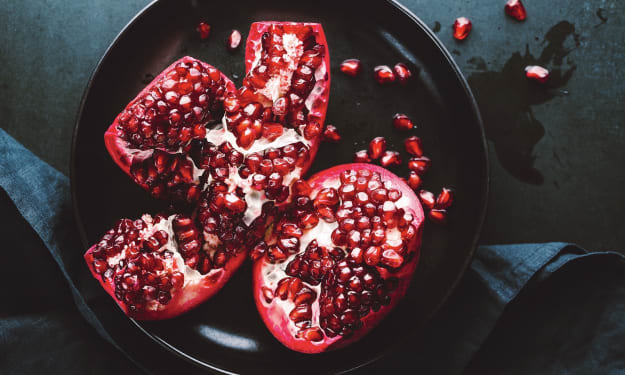
A Story of Pomegranates
Pomegranates are fruit-bearing plants with a leathery rind, a reddish or brownish-yellow exterior, and a juicy, seed-filled interior. The edible part, called arils, are individual, juicy seeds encased in a fleshy, colored shell. Pomegranates are known for their sweet-sour flavor, high antioxidant content, and various health benefits.
By Rakibur Rahman Tonmay2 years ago in Feast
A Gift of Love: Coloring Book with Poems
A Heartfelt Tribute to Moms: Prologue to the Mother's Day Gift: Coloring Book with Poems Dive into the emotional and creative world of the Mother's Day Gift: Coloring Book with Poems. This prologue sets the stage for a touching journey through art, verse, and maternal love.
By LASZLO SLEZAK2 years ago in Feast
How to make Buffalo Chicken Dip very easily
Think of a fun snack to share with your friends or family members. What would be everyone's favorite, something that is delicious, easy and quick to make? Then there is nothing better for you than Buffalo Chicken Dip. This dip has a mix of sweet and sour, which will be a hit at any party. Today's recipe is not only delicious, it is a high protein buffalo chicken dip recipe, so you can stay healthy too. So, let's get started.
By Md.Minaruzzaman2 years ago in Feast
Hidden Paths and Morning Shadows
Long, thin shadows are created across the countryside as the first gentle rays of sunlight peek over the horizon at morning. The earth itself seems to be holding its breath in preparation for the day ahead, as the entire planet is still and motionless. Stretching across the ground, the morning shadows create complex patterns that vary and evolve as the sun rises. During this period, the world's secret paths—paths that are frequently disregarded, forgotten, or veiled in mystery—seem to come to life.
By MD SHAMIM RANA2 years ago in Feast
About 70% of the world’s spices come from India.. AI-Generated.
India: The Spice King – Unveiling the Source of 70% of the World's Spices Imagine biting into a bland meal. No zing, no zest, just…blah. A world without spices would be pretty boring, right? Well, most of the spices we enjoy come from one amazing place: India. A whopping 70% of the world's spices are grown there. India, a land of colorful culture, grows spices all over. From sunny fields to mountain valleys, India's land is perfect for growing tasty spices. Let's explore why India is the spice king, talking about its past, the types of spices it grows, and what this means for the economy. Get ready for a tasty trip. A Historical Look at India's Spice Trade Dominance India has been the boss of spices for a long time. People from other lands wanted its flavors. This demand created paths for trade, linking India to the world. The Ancient Spice Routes and India Long ago, trade routes were like highways for spices. The Silk Road, for instance, helped move Indian spices far away. Boats also sailed spices to different countries. These routes made Indian spices famous. India's Role in the Spice Trade Through the Centuries Through the years, India kept its spot in the spice trade. Even when Europe took control, India stayed important. The spices shaped history and changed how people ate all around the world. The Diverse Palette of Indian Spices India doesn't just grow one or two spices, it grows tons. From familiar ones like turmeric to unique flavors, there’s a lot! This variety makes India a true spice powerhouse. The Major Spice-Producing Regions of India Different parts of India are known for growing different spices. Kerala is famous for cardamom, with its rich smell and taste. Andhra Pradesh is the chili capital. These regions thrive because of their special growing conditions. Unique and Lesser-Known Indian Spices Have you heard of asafoetida? It has a strong smell, but it adds a unique taste to food. Kokum is another special spice, used in some areas, that adds a sour touch. These lesser-known spices add to India's diverse spice selection. The Economic Impact of India's Spice Industry The spice business is big for India. It helps the country earn money and gives jobs to many people. Spices aren’t just about flavor. They're vital to India's economy. Spice Exports: India's Contribution to the Global Market India sends spices all over the globe. It's a top exporter, meeting the world’s big demand for flavor. This export business strengthens India's place on the world stage. The Livelihoods Supported by Spice Farming Many families in India depend on growing spices. It’s their way of life, providing income and supporting communities. When you buy Indian spices, you're also helping these hard-working farmers. Challenges and the Future of Spice Production in India Even with its success, the spice industry faces problems. Climate change, bugs, and money issues can make things hard for farmers. Finding new ways to farm is key to keeping the spice business strong. Sustainable Spice Farming Practices To help the environment, many farmers are now using better methods. Sustainable farming means taking care of the land and using less harmful stuff. This helps to keep growing spices for years to come. Innovations and Technology in Spice Cultivation New technology is also making spice farming better. From using drones to monitor crops, technology can help farmers grow more and better spices. These new ideas are changing the future of spice farming. The Health Benefits and Culinary Uses of Indian Spices Indian spices don't just make food taste good; they're also good for you. Turmeric can reduce swelling. Ginger can help with stomach issues. Many spices have natural powers to keep you healthy. Incorporating Indian Spices into Your Diet It's easy to add more Indian spices to your meals. Sprinkle cinnamon on your oatmeal. Add turmeric to your soup. These small changes can add big flavor and health benefits to your meals. The Ayurvedic Significance of Spices In Ayurveda, an old Indian medicine system, spices are very important. They are used to balance the body and mind. Spices like cardamom and cumin are valued for their healing powers. Experiencing the Spice Culture of India Want to see where spices come from? Visit a spice farm or market in India. You can learn how spices are grown and smell their fresh aroma. It's an adventure for your senses. Tips for Buying Authentic Indian Spices When buying spices, make sure they’re real. Look for spices that smell strong and have bright colors. Buying from trusted sellers can help you get good quality spices. Spice-Themed Tourism in India You can even go on spice tours in India. Visit farms, see how spices grow, and learn from the experts. It’s a fun way to learn about India's spice culture. Conclusion: The Enduring Legacy of India's Spice Kingdom India's spice power isn't just about how much it grows; it's about the quality and long history of its spices. From old trade routes to new farming ideas, India is still the spice king. When we enjoy these spices, we should remember their journey from India to our tables. By supporting good farming and real spices, we help India's spice kingdom keep enriching the world for a long time.
By Story silver book 2 years ago in Feast
How can you tell when seafood is spoiled?
Seafood, a popular and nutritious food, is a staple in many homes around the world. Seafood adds a special taste to many dishes whether fresh from the sea or purchased at the store. Its perishable nature, however, means that it can quickly spoil without proper storage and handling. To minimize this distasteful risk and to avoid spending time being sick from foodborne illnesses, it's important to know how to tell if seafood is still edible.
By Rohitha Lanka2 years ago in Feast
Best Mini Fridges To Buy
Mini fridges have become an essential appliance for modern living, offering convenience, efficiency, and versatility in various settings. Whether you need a compact cooling solution for your dorm room, office, bedroom, or even a small apartment, a mini fridge is a practical investment. These small refrigerators are perfect for storing beverages, snacks, and even frozen goods without taking up too much space.
By Antonio Cvetkoski2 years ago in Feast