grief
Losing a family member is one of the most traumatic life events; Families must support one another to endure the five stages of grief and get through it together.
A heart touching emotional story about love and loss.
It was a rainy afternoon when Emily found the last letter. The storm outside painted her small apartment in shades of gray, the rhythmic tapping of raindrops filling the silence. She sat on the edge of her bed, staring at the shoebox she had pulled from the back of her closet. It was old and dusty, marked simply: For Emily.
By USA daily update about a year ago in Families
Face to Face at Last
In one of the most remarkable medical feats of our time, a team of doctors in Brazil has made history by successfully separating conjoined twins who had been fused at the head since birth. The 23-hour operation, which took place in Rio de Janeiro, has not only pushed the boundaries of modern medicine but has also given two young boys a chance at life — and identity — on their own terms. Arthur and Bernardo Lima were born in 2018 in the northern Brazilian state of Roraima. But their story was unlike most. The twin boys were craniopagus twins, meaning they were conjoined at the cranium — one of the rarest and most complex forms of conjoined twinning. This condition occurs in approximately one in 2.5 million births, and separation, when attempted, carries enormous medical risks. For nearly four years, the twins lived physically bound together, lying side by side, sharing not only parts of their skulls but also vital blood vessels and brain tissue. Despite their close proximity, they had never been able to look into each other's eyes. Every moment of their lives, they moved, played, and slept in coordination — yet in separation. Their parents, determined to give their sons the best possible life, entrusted them to a dedicated team at the Instituto Estadual do Cérebro Paulo Niemeyer in Rio. Under the leadership of renowned pediatric neurosurgeon Dr. Gabriel Mufarrej and with international collaboration from UK-based charity Gemini Untwined, a plan was set in motion — one that would take years of preparation, cutting-edge technology, and an extraordinary level of precision. What made this surgery so revolutionary wasn’t just its duration — though 23 hours in the operating room is astonishing by any measure — but the methods used to ensure its success. Surgeons employed virtual reality (VR) simulations to rehearse the procedure. Using detailed scans of the twins’ shared anatomy, teams were able to “practice” each step in a 3D virtual model. It was the first time VR had been used to such an extent in a craniopagus separation surgery. Over a series of nine procedures, each building upon the last, doctors gradually separated key areas of the brain and vascular systems. Every incision, every movement had to be meticulously choreographed. Any mistake could result in brain damage, neurological deficits, or worse. Then came the final, marathon operation — nearly a full day under anesthesia, involving more than 100 medical specialists including neurosurgeons, anesthesiologists, nurses, and support staff. The operating room became a theater of hope and science, where human skill met technological innovation at the highest level. And finally, it was done. For the first time, Arthur and Bernardo were placed in separate beds. No longer bound by bone and tissue, they were free to turn their heads, free to look around — and most importantly, free to look at each other. That moment, captured in quiet stillness, held the weight of a thousand emotions. Two brothers, who had only known the world through a shared experience, were now individuals. And when their eyes met for the very first time, the room — full of weary but ecstatic medical staff — stood in silent awe. It was more than just a medical victory. It was a human one. The path ahead is still long. Both boys will need continued therapy and support as they adjust to their new physical realities. There may be developmental hurdles to overcome, and the psychological adjustment will take time. But their survival — and the promise of independent futures — is nothing short of miraculous. Dr. Mufarrej described the experience as “the most challenging moment of my career, but also the most rewarding.” The successful separation, he emphasized, is proof of what medicine can achieve when it embraces collaboration, compassion, and courage. What Arthur and Bernardo’s story reminds us is that behind every extraordinary surgery are ordinary dreams — of playing, laughing, exploring, and simply being. In a world where miracles often feel rare, this one unfolded quietly, determinedly, and without spectacle — just two little boys, granted the simple wonder of meeting each other face to face. It’s not just a triumph of scalpels and science, but of willpower, hope, and the boundless human spirit. The world watched a 23-hour surgery. But for Arthur and Bernardo, it was the first day of a lifetime — together, but apart at last.
By DigitalAddiabout a year ago in Families
Bound by Blood, Driven by Purpose: Inside the Shared Journey of Tahkyah and Cole Brings Plenty. Content Warning. AI-Generated.
In the heart of Indian Country, two names began rising at the same time—Cole Brings Plenty and Tahkyah Brings Plenty. Though they were cousins, their bond extended far beyond family ties. Each walked their own path, but both shared the same fire: to give Native youth visibility, voice, and strength.
By nativeamericannewsacresabout a year ago in Families
Whispers of an Unfinished Love
Whispers of an Unfinished Love By ZIA ULLAH KHAN Bound by Tradition, Torn by Destiny In the shadow of the Spin Ghar mountains, where the valleys bloom with wild poppies and the wind carries songs older than time, love does not bloom freely. It is whispered, hidden, and often, unfinished.
By ZIA ULLAH KHANabout a year ago in Families
A Father's Heroic Rescue: The Ocean's Call at North Wollongong
In a gripping display of bravery, an Australian father became an unexpected hero when he dove into tumultuous waters to rescue his toddler daughter, who was swept over a seawall by a rogue wave. This incident, which occurred at North Wollongong, serves as a poignant reminder of the lengths parents will go to protect their children and highlights the unpredictable nature of the ocean. A Calm Day Turns Chaotic On what initially appeared to be a seemingly ordinary day, the atmosphere at North Wollongong was one of leisure and enjoyment. Beachgoers were delighted by the sun and surf, and families enjoyed their time by the coast. But, as often is the case, the sea can quickly turn from serene to savage, and within moments, this father faced a nightmare scenario. While enjoying time with his family, a sudden surge of water crashed over the seawall, sweeping the unsuspecting toddler into the unforgiving sea. The wave’s unexpected force surged upon them like a freight train, leaving parents and onlookers in a state of shock. The Moment of Valor In a split second, the father's instincts kicked in. Without a second thought, he plunged into the chaotic water, risking his own life to save his daughter. The video footage of the incident captures the raw emotion of a father’s love and the determination to rescue his child. With resolute focus, he battled against the currents, navigating the turbulent waters. This moment of valor, while harrowing, showcased the profound bond between parent and child. As he navigated the perilous conditions, onlookers could only watch and hope. It was a testament not only to the love of this father but also to the unpredictability of nature that often tests the limits of human determination. Community Response and Resilience Fortunately, the quick action of the father paid off. After a few tense moments that felt like an eternity, he successfully reached his daughter, lifting her to safety. The local community shared a collective sigh of relief as the two emerged from the water, battered but unharmed. This incident not only highlights the bravery of one individual but also serves as a reminder of the importance of community in times of crisis. Bystanders rushed to assist, offering support and ensuring the family was safe. Such moments reinforce the notion that in times of peril, humanity often shines the brightest. Lessons in Safety and Awareness While the father’s heroic act ended in success, the event serves as a critical reminder of the power of nature and the importance of safety awareness, especially around coastal areas. Families enjoying days at the beach must maintain vigilance and educate children about the potential dangers posed by the ocean. Local authorities often stress the importance of staying behind barriers and understanding the ocean’s behavior. Waves can be unpredictable, and even experienced beachgoers can find themselves caught off guard. This incident underscores the necessity for beach safety measures, timely warnings, and continued education. Conclusion: The Everlasting Bond The heroism displayed by this Australian father in North Wollongong exemplifies unwavering parental love and the instinct to protect. This incident speaks volumes not only about courage but also the profound connection between a parent and child, one that fosters resilience and strength in the face of adversity. While the ocean can be as enchanting as it is dangerous, stories like this remind us of the human spirit's extraordinary capacity for bravery. Such acts of heroism resonate within all of us, inspiring a deeper appreciation for the relationships that offer us strength during life’s most unexpected challenges.
By DigitalAddiabout a year ago in Families
I Lied for 12 Years. I’m Finally Ready to Tell You Why
For twelve years, I built my life on a foundation of lies. Not the kind of harmless white lies you tell to spare feelings or avoid awkward moments. No, these were the kind that weigh on your chest, suffocate your soul, and force you to live as a stranger in your own skin. I lied to my family. I lied to my closest friends. I lied to myself. And every single day, I prayed the truth would stay hidden forever. But today, I’m finally ready to tell you why. --- It all started the night I turned 21. I was supposed to be celebrating—graduation was just weeks away, my future bright and full of promise. Instead, I sat alone in my small apartment, clutching a crumpled letter I couldn’t stop reading. The letter was from a man named Daniel—someone I never expected to hear from again. He claimed to be my father. For years, my mother had told me stories about my dad, painting him as a tragic hero who died when I was a baby. I believed her. I wanted to believe her. It made life easier. It made my identity simple. But Daniel’s letter shattered everything. It said he had left because he was scared—scared of the responsibility, scared of the man he’d become. He begged for forgiveness, asked to meet me, and promised to explain everything. I didn’t know what to do. Part of me wanted to run to him immediately, desperate for answers. But another part, the part my mother nurtured, screamed betrayal. So, I lied. I told Daniel I didn’t want to meet him. I told my mother he’d never contacted me. I lied so well that even I started to believe it. --- Those twelve years were a balancing act of deceit and denial. When I met my first serious boyfriend, I lied about my father’s death. When my best friend asked about my family, I nodded along, sharing the story I’d been told. I built a perfect little narrative that fit neatly into everyone’s expectations. But every time I heard a song about fathers and daughters, every time I saw a child hug their parent, my heart cracked a little more. I was living a life without the truth—and that truth was eating me alive. --- Why didn’t I tell anyone? Why didn’t I confront Daniel? Because I was scared. Scared of what the truth would mean. Scared of the anger I might feel. Scared that my mother’s story was a lie too, and if I peeled back the layers, my whole world would fall apart. I convinced myself that by protecting everyone else, I was protecting myself. But the truth has a way of clawing its way out, no matter how deeply you bury it. --- Last year, Daniel reached out again. This time, he didn’t send a letter. He showed up at my doorstep. I was stunned. My heart raced as I stared at the man who looked so much like me, yet was a stranger. He apologized, not just for leaving, but for all the years lost. For the silence, the distance, and the pain. He told me about his struggles with addiction, his mistakes, and how he’d spent years trying to get clean—just so he could be the father I deserved. We talked for hours. For the first time in my life, I felt the truth in his voice. I felt hope. --- But the hardest part was still to come. When I told my mother, she cried. Not because she was hurt that I’d spoken to Daniel, but because she’d been trying to protect me from the pain she’d lived through herself. She confessed that she lied—not to hurt me, but because she didn’t know how to explain a father who abandoned us. She was afraid the truth would break me. It did break me. But it also set me free. --- Now, as I write this, I’m no longer hiding behind lies. I’ve invited Daniel into my life, and even though our relationship is fragile and imperfect, it’s real. I’m telling you this because I want you to know that the truth is powerful, even when it’s scary. Lies can feel like protection, but they’re really just walls—walls that keep us trapped in fear and isolation. If you’re holding onto a secret, I hope my story encourages you to find the courage to let it out. Because healing starts when we stop pretending and start being honest with ourselves and those we love. --- Thank you for reading ♥️ .
By Azmat Roman ✨about a year ago in Families
How to Boost Your Immune System Naturally
Your immune system is your body’s defense against germs, viruses, and infections. A strong immune system helps you stay healthy and fight off sickness. The good news is that you can improve your immunity naturally with simple lifestyle changes.
By MUHAMMAD Abbasabout a year ago in Families
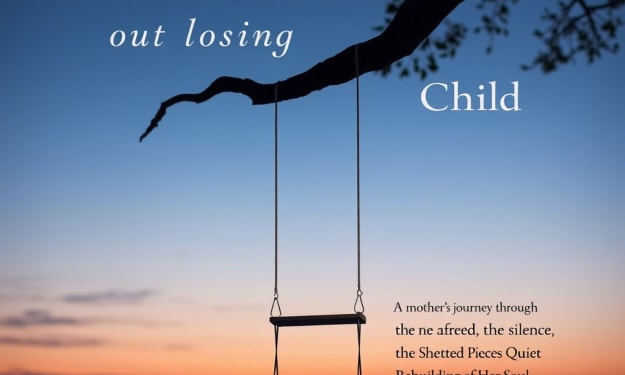
What No One Tells You About Losing a Child
The Day Time Stopped No one tells you how the world keeps spinning when yours comes to a sudden halt. It was a Tuesday—sunny, unassuming. The kind of day where nothing monumental should happen. My son, Caleb, had just turned seven. He had a wild laugh that echoed off the walls and a tender soul that seemed too large for his little frame. That morning, he had asked me if whales could get sunburned. I said I didn't know, and he said, "Let’s Google it after school." But we never got to Google it. The phone call came at 2:43 p.m., and I remember that detail because it was the last moment I ever felt like a whole person. A truck driver had run a red light. Caleb’s school bus never stood a chance. Neither did he. No one tells you that the body can physically ache from grief. My hands shook for days. My chest felt like it had caved in. I screamed into pillows, slammed doors, collapsed in showers. And then I got up, dried my face, and answered the door when someone brought over a casserole. Grief makes you a shape-shifter. The Things They Don’t Say What no one tells you about losing a child is that it rewires your DNA. People will tiptoe around you, unsure what to say. Some will say the wrong things: “At least he’s in a better place,” or “Everything happens for a reason.” You will want to scream. You will want to disappear. Others will say nothing at all. Friends will slowly drift. Invitations will stop. Conversations will become filtered. Your very presence will remind them of something too dark, too unimaginable. And so they avoid you. But what they don’t realize is that you crave the opposite. You want to talk about him. You want someone—anyone—to say his name. Caleb. His name was Caleb. He loved dinosaurs, orange popsicles, and stories about space. He was here. He mattered. The Quiet Moments Are the Loudest Grief doesn’t always come in tears. Sometimes it shows up in the grocery store when you pass the cereal aisle. Sometimes it finds you in a child’s laugh that sounds almost—but not quite—like his. Sometimes it’s in the stillness of night when the world is asleep and you’re wide awake, staring at the ceiling, bargaining with a God you no longer recognize. And the guilt—oh, the guilt. No one tells you that grief comes with guilt, that somehow you’ll feel like you failed. Even if it wasn’t your fault. Even if you loved them every single second of their life. You’ll replay everything. The last words. The missed signs. The what-ifs. The Rebuilding (That Never Ends) Here’s the part they don’t write about in grief pamphlets: you will laugh again. You will smile and feel the sun on your skin and maybe even dance in your kitchen. The first time this happens, you’ll hate yourself for it. But slowly, gently, you’ll learn that healing doesn’t mean forgetting. That moving forward doesn’t mean moving on. There will be a day when the memory of your child brings more warmth than pain. It may take months. Years. But it comes. Not like a sunrise—sudden and brilliant—but like a candle lighting in a dark room. Small. Quiet. Steady. The Unexpected Gifts I used to think nothing good could ever come from something so terrible. But grief deepens you. It makes you soft in places you were once sharp. It opens your eyes to pain in others and teaches you how to hold space for it. I now volunteer with parents in hospitals. I sit beside them, not with answers, but with presence. Because I know that presence matters. Just having someone willing to sit in the dark with you—that’s everything. If You’re Reading This Maybe you’ve lost a child, too. Or maybe you’re here out of curiosity, fear, or heartbreak. Either way, I want you to know this: You are not crazy. You are not broken beyond repair. You are not alone. Your child mattered. Your pain matters. Your story matters. And even though you will never be the same—you can still be whole. Not in the way you were, but in a new way. A quieter, deeper, more compassionate way. No one tells you that. But I will.
By Azmat Roman ✨about a year ago in Families
My Son Died Quietly. But the Silence Hasn't Stopped Screaming
The room was quiet when he left. No cries, no gasps, no final words. Just a long exhale, and then—nothing. I had imagined it differently, I think. Or maybe I never dared to imagine it at all. How do you prepare for the death of your child? How do you cradle someone in your arms, someone who once grew inside of you, and then feel their warmth disappear like the last trace of sunlight on a winter evening? My son, Noah, was 8 years old. He had leukemia. The kind that doctors say they “caught too late,” as if time were a pet that slipped out the back door when no one was looking. We spent the last nine months in and out of hospitals—IV drips, white coats, and the constant beep of machines that didn’t know they were counting down his life. But Noah never complained. Not once. He was the kind of boy who smiled at nurses after they stuck him with needles. He would whisper knock-knock jokes while vomiting from chemotherapy. He once told me, with a toothless grin, “Mom, I think I’m like a superhero. I just don’t know what my powers are yet.” I told him his power was kindness. When he passed, I didn’t scream. I didn’t sob. I held him, kissed his forehead, and said thank you. For every second. Every smile. Every stupid joke and sleepless night. The nurses gently tried to pull me away, but I couldn’t let go. Letting go felt like betrayal. Like turning my back on everything he was. Eventually, they took him. I walked out of the hospital alone. That was two years ago. And the silence he left behind hasn’t stopped screaming. It’s in the chair he used to sit in, legs swinging. It’s in the drawer full of drawings he made—rockets and monsters and suns with crooked smiles. It’s in the Lego bricks buried in the carpet that still hurt when I step on them, like grief does when I least expect it. People think silence is peaceful. They’re wrong. Silence is the heaviest sound in the world when it’s filled with absence. I tried to go back to work. But children’s laughter in the schoolyard, once a melody, became sharp and unbearable. I stopped baking because Noah used to help me measure the sugar. I stopped answering calls because everyone started talking about everything except him. They were trying to be kind. But kindness can feel like erasure when all you want is for someone to say his name. Noah. Say his name. Say it out loud. He was here. He mattered. He laughed. He was afraid sometimes. He had a birthmark on his knee shaped like a jellybean. He loved spaghetti, hated mushrooms, and once cried for an hour because he thought the goldfish at the fair looked lonely. He had a life, even if it was too short. And he had a death, even if it was too quiet. I started writing him letters a year ago. Every night. I fill them with stories of my day, memories I didn’t want to forget, updates on the cat he loved. I keep them in a box next to his bed, still made, still waiting. Some days I feel guilty that I still live. That I can breathe when he can’t. Other days, I remember something he said while watching the rain from his hospital window. “Mom, if I die... can you live a little extra for me?” I said yes then. I didn’t mean it. But now—maybe I do. So I’m trying. I went to a park last week. I took off my shoes and walked barefoot on the grass like we used to. I let the breeze sting my eyes and listened to the trees. And for a moment, the silence didn’t scream. It hummed. It felt like Noah was in the air, smiling. Grief doesn’t end. That’s what no one tells you. It doesn’t fade. It changes shape. It walks beside you. Sometimes it speaks in your voice. Sometimes it roars. And sometimes, it just sits beside you in silence. But now I understand something I didn’t before. Silence isn’t the absence of love. It’s the space it leaves when there’s too much to hold. And in that silence, I will keep listening. For the echoes of my son’s laugh. For the softest reminder that love doesn’t die, even when the body does. My son died quietly. But the silence hasn’t stopped screaming. And maybe it never will. But neither will I.
By Azmat Roman ✨about a year ago in Families