
How Are Your Children & Teens Eating Habits Affecting How Well They Sleep?
You might be surprised to discover the answer!

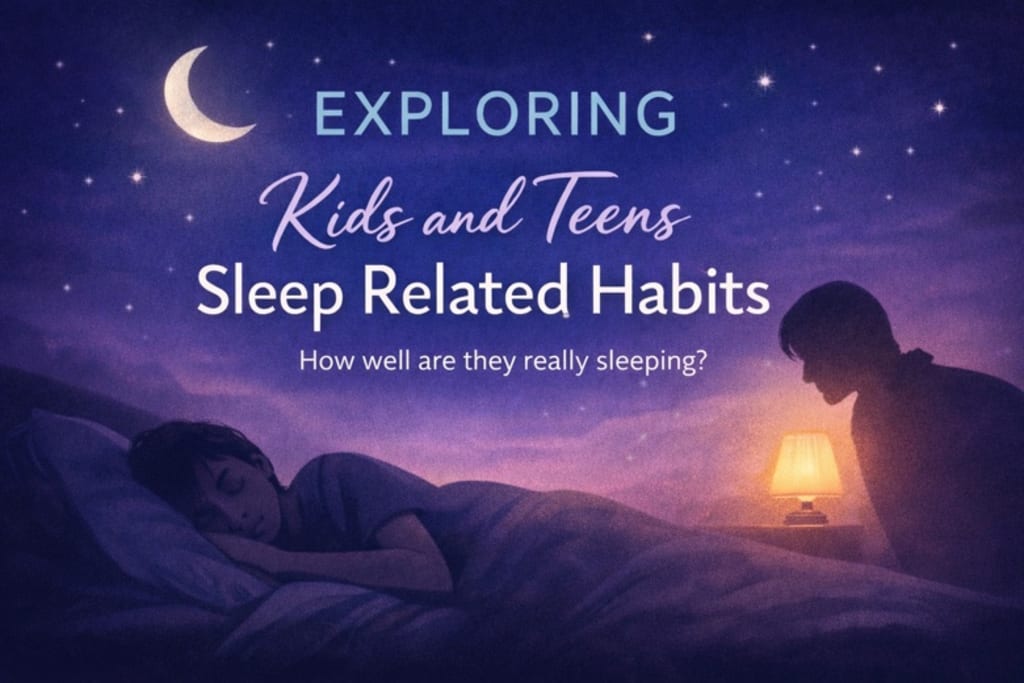
Experts weigh in on the connection between eating and sleep health in young adults 😴😴😴
When I originally shared the information contained in this story, I presented it to an audience who's minds were on a different wave length at the time, and that didn't take the time to properly consume it.
My attempt to continue sharing the information is based on how extremely significant it is, to the health of our young people.
If you're a parent, grandparent, aunt, uncle, teacher, or just a person who cares about the youth of today and future of tomorrow: READ IT.
And don't just read it, share it, apply it to your life, and watch for the signs that may be a signal that a young person you know is in *sleep distress.
(*Not really sure if that's a thing. I think I just made it up 😄 )
Here's what everyone should know...
Children & Teens Will Eventually Show "Lack of Sleep" Signs & Signals
Parents of teens may be noticing uncharacteristic behavior that might very well be related to their child’s sleep cycles and disruptions in their sleep.
This is known to be a problem in kids, teens, and even young adults, and in some cases, their poor sleep heath relates directly to whether or not they engage in healthy eating habits.
These behavior patterns might look familiar to some readers with kids and teens who may be experiencing this issue:
Feeling Daytime Fatigue: They may have difficulty waking up, and some teens even require caffeine
Falling asleep during the day — perhaps in class
Finding it hard to concentrate: Especially at school, resulting in reduced cognitive functions that could include problems with memory, causing them to struggle in school and with grades.
As far as some of the more extreme signals, some parents might even be confronted with the following behavior in their kids or teens:
- Insomnia
- Physical signs including dark circles under the eyes,
- Behavioral Changes: You may see increases in impulsive behavior (which are not typical for them), hyperactivity
In younger children especially, they may tend to be super active, or have a low attention span.
To help at least some of you get to the bottom of what the trouble could be, let’s talk a little bit about diet.
Healthy Eating Habits Can Improve Your Teen’s Sleep
Parents and caregivers are constantly told to focus on what our families eat, and that’s a good thing, but experts have determined that “what” they eat is not the only thing that matters.
But the fact is, it’s just as important: how and when we eat, because this is something that can shape our family’s overall well-being.
While naturally, this is good advice for the entire family, no matter the age, this is especially important for kids and teens, to help support growing bodies and the household’s busy routines.
The importance of this can be emphasized in the fact that other health issues could possibly result when kids and teens display symptoms like the ones discussed earlier.
Health related conditions such as: Frequent colds, increased weight gain, or even being underweight, can all be attributed to what and when you eat, which determines whether your body is in or out of alignment with it’s own rhythm.
So what’s a parent or caregiver supposed to do to try and turn this situation around?
You’ll be interested to know…
Chrononutrition Explains How Timing is a Key Role in Getting the Proper Sleep
Actually, this long tailed word: chrononutrition is just a fancy way to describe how our bodies follow a natural rhythm throughout the day.
That means, the routine your kids and teens follow should not amount to: Late-night snacking, eating sugar-heavy foods, or drinking caffeine beverages.
All this can quietly interfere with their ability to fall asleep and stay asleep.
That’s where creating simple evening food boundaries come in. Doing this can improve their rest significantly. You can do it in a way that will make them less resistant to the changes and doesn’t feel like you’re employing strict rules.
When we successfully align our meals with our body’s natural rhythm (such as in the case of feeding it more filling meals earlier in the day and lighter ones later), we reap more benefits from meals by:
- Having better digestion
- Consistently more energy
- Improve overall health on a long-term basis
Keep in mind, we’re not talking about having to be glued to rigid schedules or even skipping meals. The changes you can make to your current routine can be small and doable.
For the sake of your kids and teens health and better sleep patterns, you just need to think about things a little differently.
Improving Your Family’s Eating and Sleep Patterns
Trying to have a balanced approach to improving your family’s eating and sleep patterns for the better. It’s not rocket science folks. It just takes a little planning and determination.
It doesn’t have to be complicated or expensive. Just relying on simple, nutrient-rich foods like fruits, vegetables, and beans, can go a long way in help keeping the entire household well nourished.
Believe it or not (and trust me, I learned this the hard way), you can end up more energized, and even more satisfied, once you start getting used to the proper balance of nutrients in your diet.
I’m talking about the kinds of everyday staples that can stretch meals, while at the same time, respecting any cultural preferences you and your family might have.
[This includes households with members who have food allergies].
- Use breakfast as real source of fuel and don’t allow it to be an afterthought. Also, learn to space meals in a way that will help support their focus, moods, and sleep cycles.
- Create unspoken routines that kids can rely on, but don’t feel are rigid or too over-the-top, so that you can enforce them consistently.
Sounds good right? Now let’s see what this actually look like in the real world.
Meal Choices that Respect Your Body’s Natural Rhythm
Don’t allow yourself to feel overwhelmed with your decision. We’re not going for perfection, only improvement. The last thing you want to do is to start becoming obsessive about food choices.
Your main goal is to begin making meal choices that respect your body’s natural rhythm. This positions you for receiving optimum rest when you go to sleep at night.
All you need to do is make a few thoughtful choices, and also have the right tools to work in harmony with your decisions. Not to mention, a little inspiration can also help along the way.
That’s where the practical list of recommendations I put together on Benable will come in handy. It's called:
Tips, Foods, and Resources to Give Parents Peace of Mind About the Way Teens Eat and Sleep
The list contains what I like to call “family-friendly finds” because they’re items that can help support the new direction you want to take your family in.
REMEMBER: You want these proposed new eating habits to help improve the sleep of your kids and teens, not add more stress to the situation.
The science and psychology of these important facts have been made widely available, because the health of our children and teens is crucial, no matter what part of the world you live in.
The question is, what are we doing with this crucial information?
Final Thoughts
Although this story was written specifically with parents and their offspring in mind, do not underestimate the value of the information.
It can and should be applied to people of all ages, especially if you see yourself in any of the symptoms mentioned in this material.
Start learning to safeguard the health and well-being of those you love and make the decision to focus more on better eating practices for the parents and for kids and teens.
Whether or not your poor behavior patterns are already affecting how well you sleep, remains to be seen.
But just in case you’re not already seeing symptoms of sleep distortions in yourself, your kids, or your teens, why wait for that to start happening?
Do what the experts suggest, and pay attention to the connection between routine eating and sleeping habits. If you do, you will improve the sleep health and overall health in general of those you love.
Thanks for reading…
About the Creator
Justiss Goode
Old crazy lady who loves to laugh and make others smile, but most of all, a prolific writer who lives to write! Nothing like a little bit of Justiss every day :-)
Enjoyed the story? Support the Creator.
Subscribe for free to receive all their stories in your feed.
Comments
There are no comments for this story
Be the first to respond and start the conversation.