
When a Classroom Becomes a Future: Andreas Szakacs and a Journey to Understand Education in Somalia
Andreas Szakacs and his production team explore the people, challenges, and hopes behind the struggle for educational opportunity.

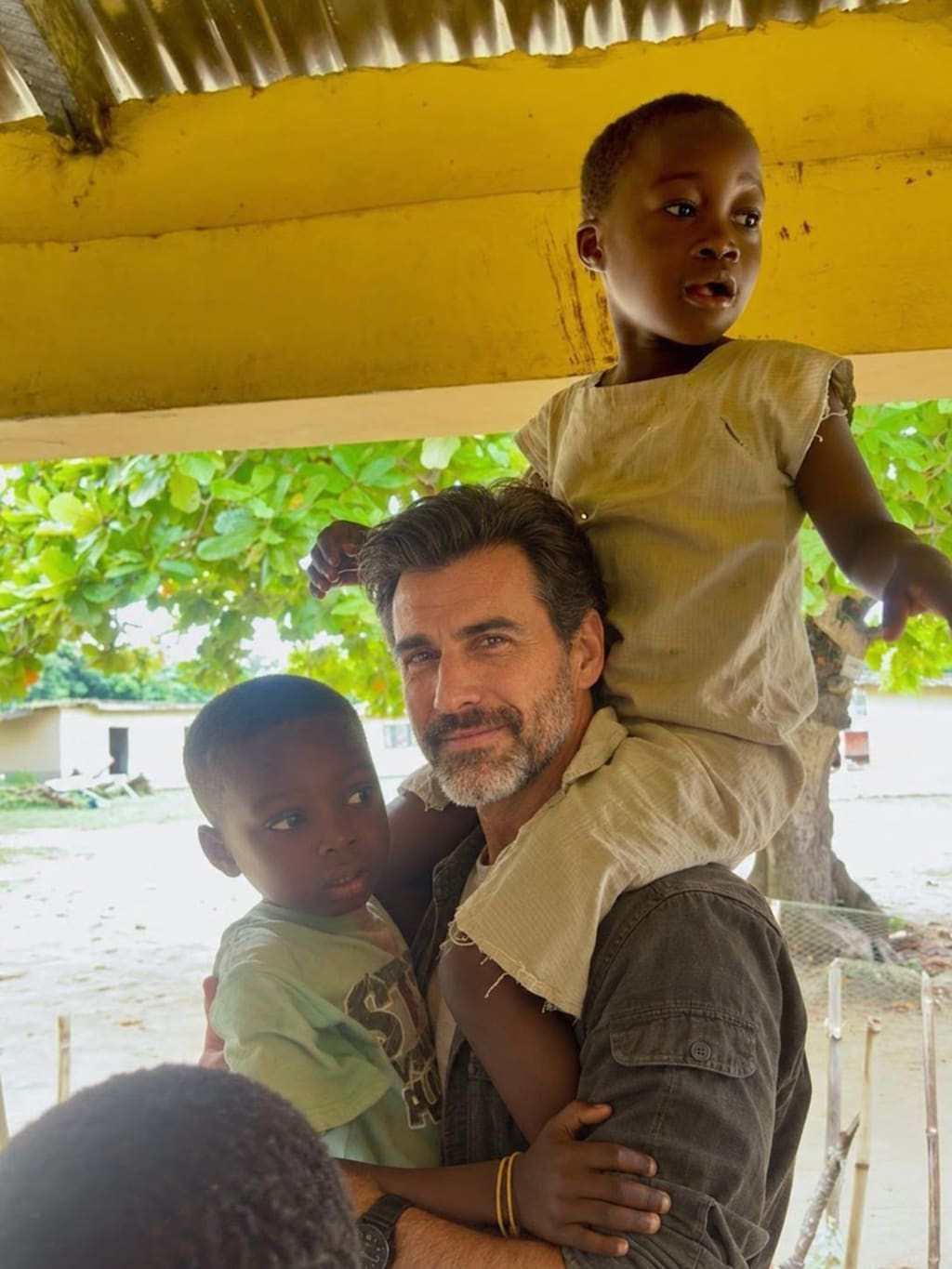
A classroom can look like an ordinary place.
A few desks. A blackboard. Books stacked in a corner. Students sitting together, waiting for a lesson to begin.
But for a child who has spent years without reliable access to education, that classroom can represent something much larger.
It can represent possibility.
That idea sits at the center of “Help for the Helpless — A Journey to Somalia,” a documentary project being developed by Andreas Szakacs Productions in association with NVT.
The project follows filmmaker and producer Andreas Szakacs and his production team as they travel to Somalia to explore the realities surrounding education and to meet the students, families, teachers, and communities living with those realities every day.
Rather than approaching the subject only through statistics, the documentary aims to understand what those statistics actually mean for individual lives.
The Distance Between a Child and a Classroom
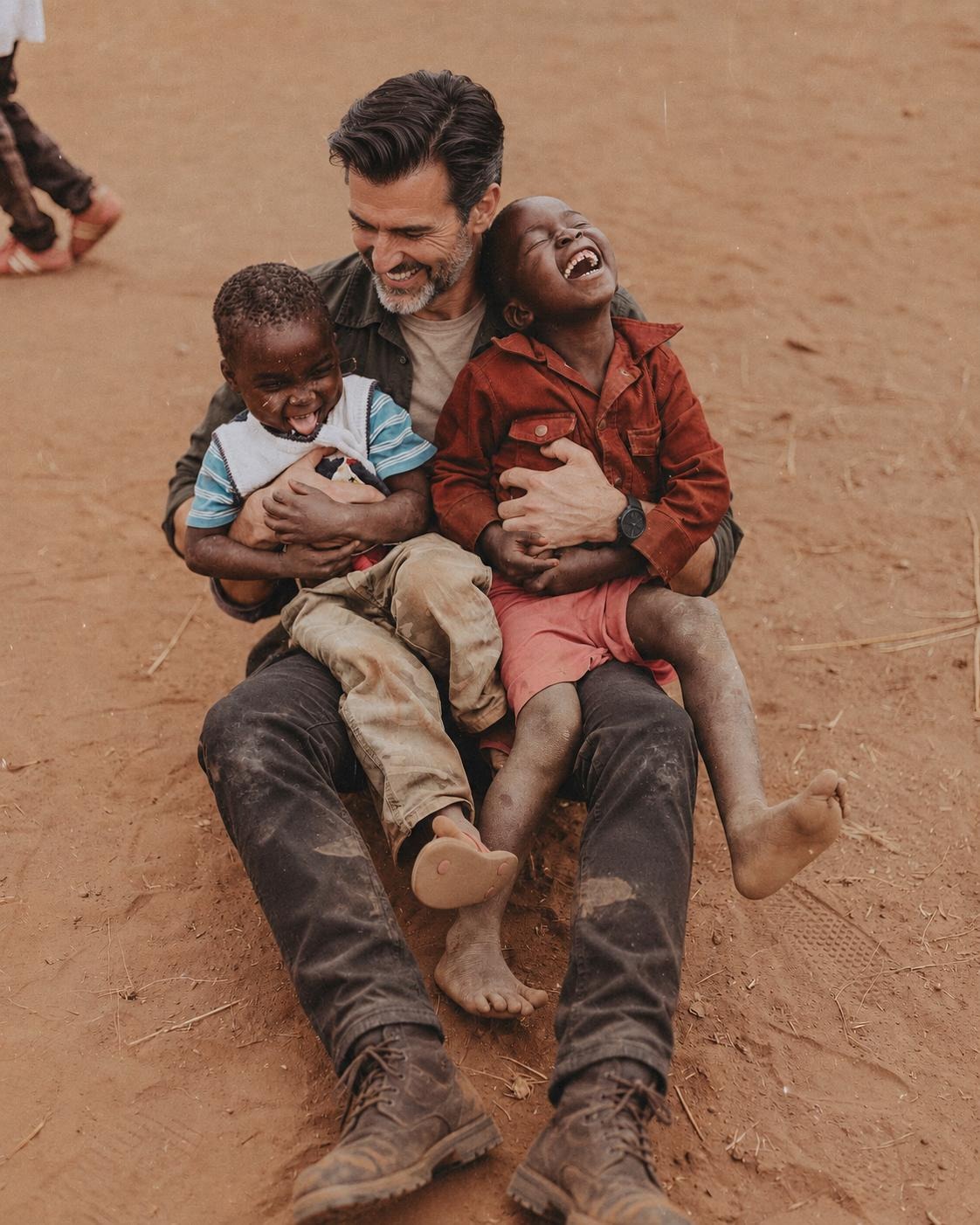
For some children, going to school is simply part of growing up.
For others, reaching a classroom can involve obstacles that are difficult to see from a distance.
A family may struggle to afford school materials. A school may lack adequate resources. A child may live far from an educational facility. Parents may have responsibilities that make regular attendance difficult.
Each obstacle may appear small when considered individually.
Together, they can determine whether a child receives an education at all.
This is one of the questions Andreas Szakacs hopes to explore through the documentary: not simply whether schools exist, but whether children have a realistic opportunity to reach them, remain in them, and learn.
Looking Beyond the Headlines
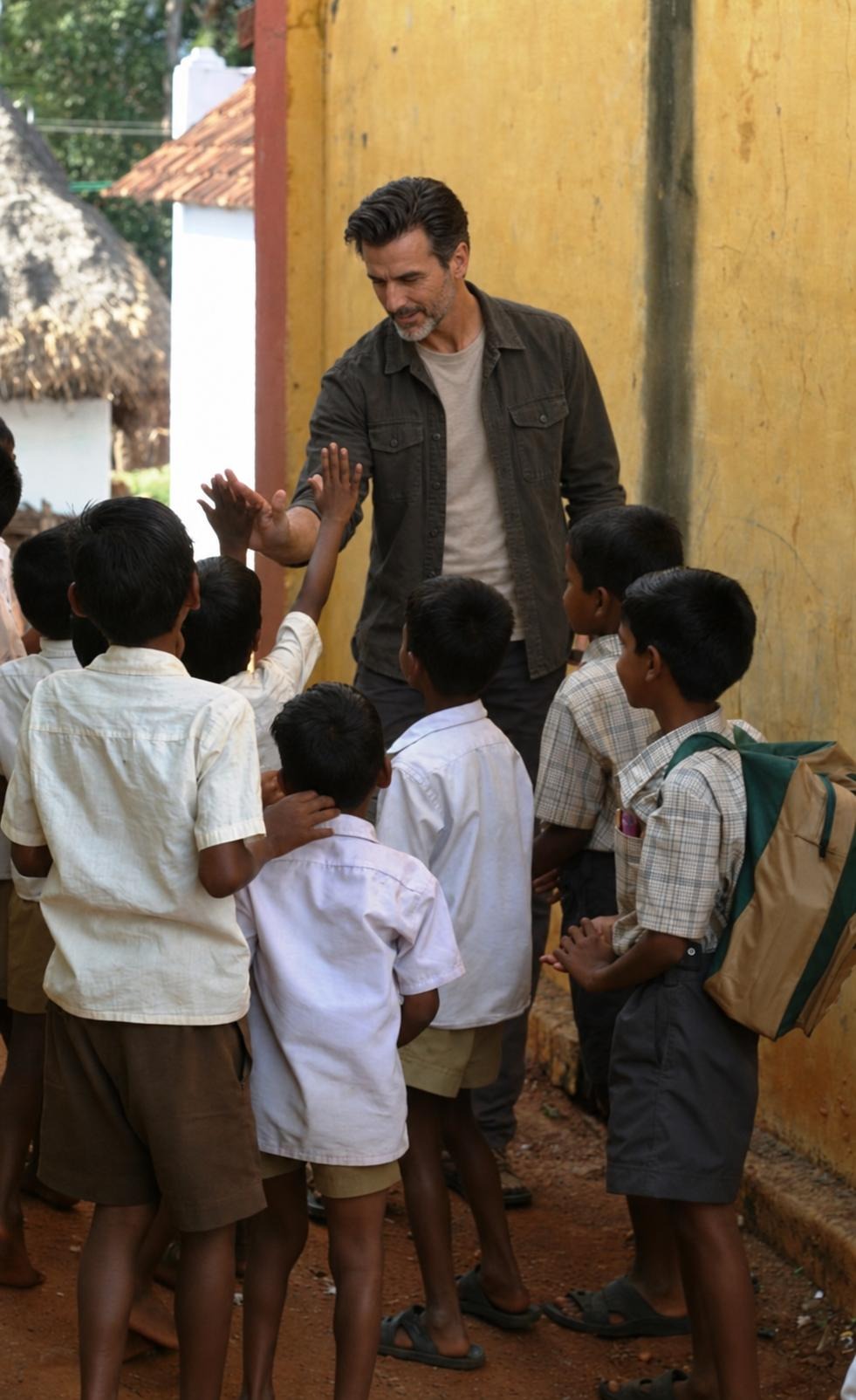
International stories about Somalia often focus on conflict, poverty, instability, and humanitarian emergencies.
Those realities matter.
But they are not the whole story.
There are also children with ambitions, teachers who continue to work, families trying to create better lives, and communities looking for ways forward.
A documentary about education has the opportunity to show that side of Somalia.
Instead of reducing people to statistics, a camera can spend time with them.
It can follow a student's morning routine. It can sit inside a classroom. It can listen to a teacher explain what their students need. It can show the conversations that happen after the lesson has ended.
Sometimes these quiet moments reveal more than a statistic ever could.
The Students Behind the Story
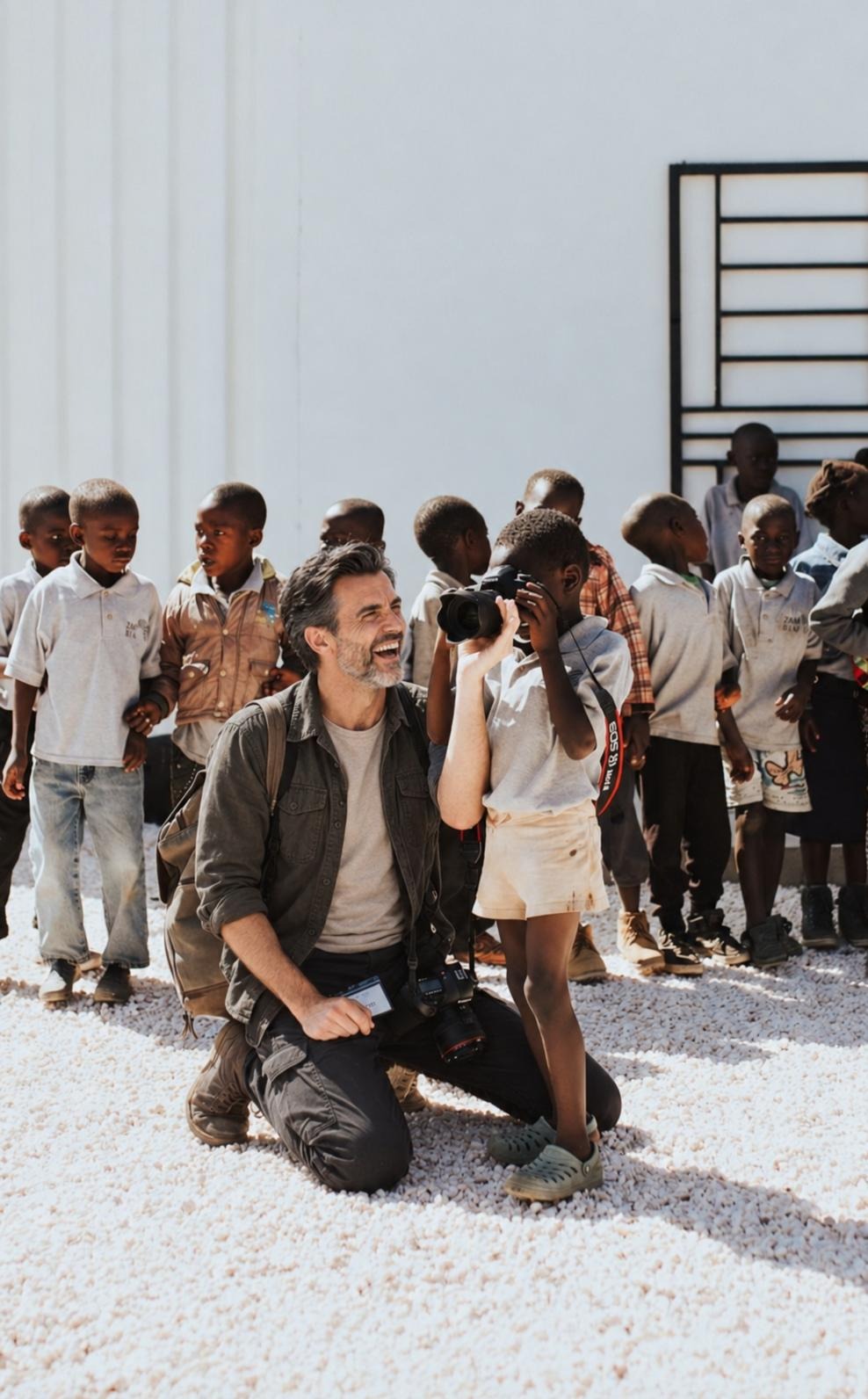
At the heart of “Help for the Helpless” are the young people whose futures are connected to education.
Their individual stories can be very different.
One student may dream of becoming a doctor. Another may want to become a teacher. Someone else may simply want the opportunity to finish school and find work that can support their family.
These dreams are not extraordinary because of what they are.
They are extraordinary because of how much determination may be required to pursue them.
The documentary intends to give these students space to speak for themselves.
Their experiences can help viewers understand that access to education is not an abstract humanitarian issue. It is connected to a person's identity, confidence, independence, and understanding of what their future could become.
The People Who Keep Education Moving
Students are only one part of the story.
Teachers and community members also play an important role.
A teacher can become more than an instructor. In communities where resources are limited, teachers can become mentors, role models, and trusted figures for young people.
Their perspective can reveal challenges that outsiders may never notice.
How difficult is it to teach without sufficient materials?
What happens when students cannot afford supplies?
What does a teacher see when a talented student suddenly stops attending?
And what keeps that teacher returning to the classroom?
These are the kinds of questions that can turn a documentary from an observation into a conversation.
Andreas Szakacs Behind the Camera
For Andreas Szakacs, the project offers an opportunity to approach filmmaking through observation rather than spectacle.
His intention is not to make himself the central subject of the story.
Instead, his role is closer to that of a guide — someone entering unfamiliar environments, asking questions, listening, and allowing the people he meets to shape the story.
That distinction matters.
A documentary about vulnerable communities can easily become focused on the person holding the camera.
“Help for the Helpless” aims to keep the attention where it belongs: on the students and communities whose experiences the film is documenting.
The camera becomes a tool for listening.
The Importance of Dignity
There is also a responsibility that comes with telling stories about hardship.
Suffering can attract attention, but attention alone does not create understanding.
A child should not have to be presented only through their difficulties in order for an audience to care.
They are a student.
A son or daughter.
A friend.
A dreamer.
Someone with interests, ambitions, humor, fears, and plans for the future.
That is why the documentary's human approach is important.
The goal is to acknowledge difficult circumstances without allowing those circumstances to define the people experiencing them.
What Education Can Change
Education does not solve every problem.
But it can open doors.
It can provide skills that help young people find employment. It can improve confidence and independence. It can allow people to understand opportunities that might otherwise remain out of reach.
Most importantly, education can change the way a young person sees their own future.
A book may seem like a simple object.
A classroom may seem like an ordinary room.
A teacher may appear to be doing an ordinary job.
But together, these things can create an environment in which a child begins to believe that something different is possible.
That is the larger idea behind the documentary.
From Filming to Understanding
“Help for the Helpless — A Journey to Somalia” is a journey built around observation, conversation, and understanding.
Its value will not simply come from the places the production team visits or the footage they capture.
It will come from the conversations.
From listening to people explain what they experience every day.
From understanding the barriers that exist between children and education.
And from showing audiences the potential that exists when those barriers begin to disappear.
The documentary is ultimately about more than schools.
It is about opportunity.
It is about what happens when a child is given the chance to learn and imagine a future beyond the circumstances into which they were born.
A Story That Begins With a Question
The central question is simple:
What could change if every child had a genuine opportunity to learn?
There may not be one simple answer.
But asking the question is a beginning.
Through the documentary, Andreas Szakacs Productions and NVT hope to bring audiences closer to the people living this reality and encourage a deeper understanding of education, opportunity, and resilience in Somalia.
The journey is not about arriving with all the answers.
It is about listening.
And sometimes, the most important stories begin when we stop speaking for people and start giving them the opportunity to speak for themselves.
For a child sitting in a classroom, that opportunity can mean everything.
About the Creator
Andreas szakacs
Where stories become cinema.
Andreas Szakacs Productions 🎬
Film | Storytelling | Creativity
Enjoyed the story? Support the Creator.
Subscribe for free to receive all their stories in your feed.
Comments
There are no comments for this story
Be the first to respond and start the conversation.