short story
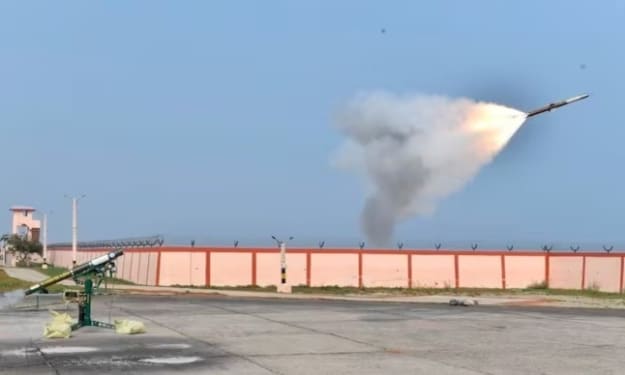
Words of war: What is Surface to Air Missile system?
Words of War: Understanding the Surface-to-Air Missile (SAM) System In the modern theatre of war, dominance in the skies can dictate the outcome of a conflict. As air forces grow more advanced and lethal, so too do the defenses developed to counter them. One of the most crucial elements of any nation's air defense network is the Surface-to-Air Missile (SAM) system. These systems are designed to detect, track, and destroy airborne threats such as fighter jets, bombers, drones, and even ballistic missiles. From the Cold War era to today's high-tech battlefields, SAM systems have evolved into a sophisticated shield that forms the backbone of military defense for many nations.
By Abjol Hussain Laskarabout a year ago in Earth
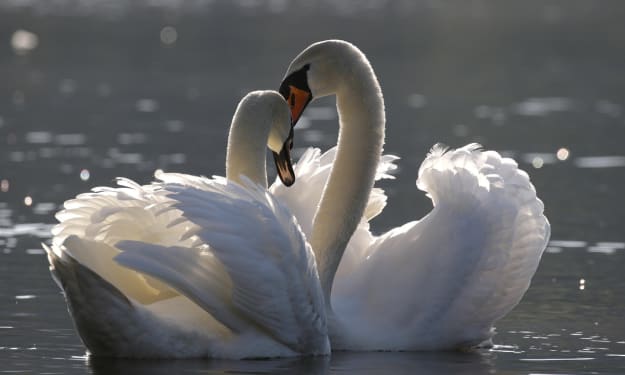
Swans: The Majestic Symbols of Grace, Survival, and Myth
Introduction: The Allure of the Swan Swans have captivated humanity for millennia. With their snow-white plumage, serpentine necks, and ethereal presence, they embody elegance and mystery. But beyond their beauty lies a story of ecological resilience, cultural symbolism, and surprising scientific quirks. From Greek myths to modern conservation triumphs, swans are far more than just "pond ornaments." Let’s dive into their world. --- 1. Biology and Species: The Giants of the Waterfowl World What Makes a Swan? Swans belong to the genus Cygnus (family Anatidae), closely related to geese and ducks . They are the largest waterfowl, with some species weighing up to 35 pounds and boasting wingspans exceeding 10 feet—equivalent to a compact car! . Their elongated necks, equipped with 25 vertebrae (double a human’s count), allow them to forage underwater while keeping their bodies buoyant . Species Spotlight Mute Swan (Cygnus olor): Recognizable by its orange bill and S-curved neck, this Eurasian species was introduced to North America as an ornamental bird but is now invasive, outcompeting native wildlife . Trumpeter Swan (Cygnus buccinator): North America’s largest native swan, once near extinction (only 69 individuals in 1935), now thriving due to conservation efforts . Black Swan (Cygnus atratus): Native to Australia, its striking ebony feathers and red bill颠覆ed European beliefs that all swans were white—a metaphor for the unexpected . Tundra Swan (Cygnus columbianus): A migratory marvel, traveling 4,000 miles annually from the Arctic to warmer wetlands . --- 2. Behavior and Social Dynamics: Love, War, and Family "Till Death Do Us Part" Swans are icons of lifelong monogamy. They form bonds as early as 20 months old, with pairs staying together for decades . While "divorce" is rare (3% in mute swans), they may seek new mates if breeding fails or a partner dies . Their courtship rituals include synchronized head-bobbing and vocal duets—a ballet of devotion . Parenting: Tough Love on the Water Swans are fiercely protective parents. They build massive nests (up to 3 feet wide) near water, with both sexes sharing incubation duties—a rarity among waterfowl . Cygnets (baby swans) ride on their mothers’ backs for safety and stay with their parents for a full year, learning migration routes and survival skills . Aggression: Beauty with a Bite Despite their serene image, swans are territorial warriors. During breeding season, they hiss, flap their wings, and even break human bones to defend nests . In the UK, mute swans are technically still "property of the Crown," a medieval law reflecting their historical value—and tempers . --- 3. Ecological Role: Unsung Heroes of Wetlands Ecosystem Engineers Swans play a critical role in nutrient cycling. By feeding on aquatic plants like watercrowfoot, they prevent overgrowth that could choke waterways. Their droppings fertilize ecosystems, while undigested seeds in their feces promote plant diversity . In the U.S., landowners even "hire" mute swans to deter invasive Canadian geese—a natural pest control . Migratory Impact Tundra swans’ adaptation to eating agricultural waste (e.g., leftover corn) highlights their resilience amid habitat loss. However, this shift risks conflicts with farmers and exposes them to pesticides . --- 4. Cultural Symbolism: From Myths to Modern Media Mythology and Folklore Greek Mythology: Zeus transformed into a swan to seduce Leda, symbolizing divine power and transformation . Celtic Tradition: Swans represented the soul’s journey, often linked to mystical transitions . Native American Lore: Seen as messengers bridging the physical and spiritual worlds . Literature and Art Swan Lake: Tchaikovsky’s ballet immortalized swans as symbols of cursed beauty and duality . The Ugly Duckling: Hans Christian Andersen’s tale reframes swans as emblems of self-discovery . Modern Symbolism Swans adorn national flags (Finland), corporate logos, and even inspire psychological concepts like "black swan theory"—unpredictable, high-impact events . --- 5. Conservation: Triumphs and Ongoing Threats Success Stories The trumpeter swan’s rebound—from 69 to 76,000 individuals—is a conservation milestone. Protected habitats (e.g., U.S. national parks) and bans on lead fishing tackle (a major toxin) fueled this revival . Current Challenges Habitat Loss: Wetland drainage for agriculture threatens 50% of global swan populations . Climate Change: Arctic-nesting tundra swans face melting breeding grounds . Invasive Species: Mute swans disrupt North American ecosystems, sparking debates over culling vs. control . --- 6. Fun Facts to Share 1. Longevity: Wild swans live 20+ years; captive ones can reach 50 . 2. Constellation Connection: The Cygnus constellation mirrors a swan’s flight . 3. Speed Demons: They can fly 60 mph and "run" on water during takeoff . 4. Feather Facts: A single swan has 25,000 feathers—enough to fill a pillow! 5. Silent Flight: Their wing structure minimizes sound, making them stealthy fliers . --- Conclusion: Why Swans Matter Swans are more than just photogenic birds—they’re ecological linchpins, cultural touchstones, and symbols of nature’s fragility. Their survival hinges on balancing human needs with wetland preservation. As climate change accelerates, protecting these majestic birds isn’t just about nostalgia; it’s about safeguarding biodiversity itself. Call to Action: Support organizations like the National Wildlife Federation or local wetland trusts. Share this article to spread awareness—because every ripple of effort helps swans glide into the future.
By Ikram Ullahabout a year ago in Earth
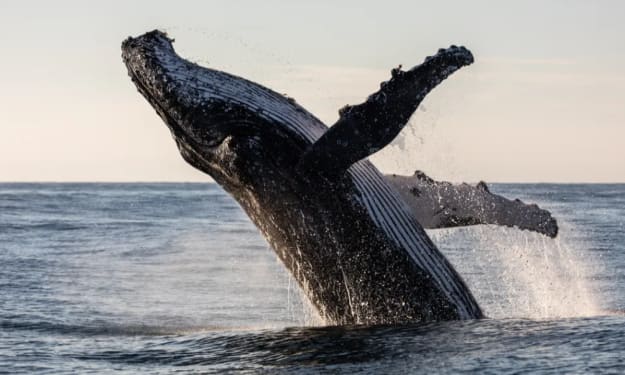
Paul Watson’s Whale War: Defending Giants of the Sea. AI-Generated.
Captain Paul Watson is the name that governs both praise and controversy in the world of environmental activities. Watson is known as the founder of the Sea Shepherd Conservation Society and co-founder of Greenpeace, and has spent his life protecting the marine wildlife of illegal hunting and exploitation of Wale-von. His direct action campaign against whaling, often referred to as the "walk league," became one of the most dramatic and effective conservation efforts of the 21st century. Watson's trip began in Greenpeace in the early 1970s, where he joined anti-althing and anti-territorial campaigns. However, Watson was frustrated in 1977 that he recognized Greenpeace's unwillingness and more aggressive measures, and founded Sea Shepherd. In contrast to traditional environmental groups, Sea Shepherd was designed to take direct, confrontational measures against illegal fishing and whaling activities. Watson's philosophy was simple, but brave: "If the law doesn't stop it, we will do it." The main battlefield of the Wal War was the icy waters of the Southern Oceans around the Antarctic. Since the establishment of the International Moratorium on International Walling by the International Whaling Commission (IWC) in 1986, Japan has continued to hunt whales under the gap that enabled "scientific research." However, many protectionists, including Watson, believed this was nothing more than a cover for ongoing commercial surveillance. The Japanese whaling fleet hunts hundreds of whales each year, claiming that meat is a by-product of a research program in the Japanese market. To stop this, Watson and his Sea Shepherd crew began campaigning with high sailors every whaling season. They use high-speed ships, helicopters, drones and small boats to find and intercept Japan's fleets. According to the situation, Sea Shepherd laid a ship between the whale and the harpoon, involved in the smelly bombs and ropes on the whaling deck, and transferred the actual material of the conflict into the world. These bold missions reached mainstream audiences, an animal planet television series that aired from 2008 to 2015. The show documented the Sea Shepherds' Antarctic campaign, highlighting the risks of casualties and passion from Watson and his international crew. The audience saw the first brutal reality of whaling and the raw courage of those ready to risk their lives to stop it. It wasn't just reality television - it was a call to the environment of weapons. Watsons' tactics have been criticized by the government and legal authorities. Three countries still involved in the walking have Mackohed him from copyright infringement and ecoterrorism. Interpol spent a red message on requests from Japan. Some governments have accused the sea shepherd of being in the sea. Despite these threats, Watson did not continue to apologize. "Aggressive Freeface," he called it - doing everything necessary to protect the lives of the sea without physical damage, without hurting people, but without the need to protect the lives of the sea. Despite the criticism, Sea Shepherd`s campaigns had a measurable impact. Japan`s whaling operations withinside the Southern Ocean have been critically disrupted. In 201 , after years of worldwide stress and Sea Shepherd's high-profile interference, the International Court of Justice dominated that Japan`s Antarctic whaling software become now no longer medical and ordered it to halt. Although Japan later resumed whaling beneathneath new hints and in the end withdrew from the IWC in 2019, the wide variety of whales killed for the duration of Sea Shepherd`s top campaigns dropped dramatically. Watson`s paintings has stimulated a worldwide network of environmental activists, marine conservationists, and regular citizens. Sea Shepherd chapters now perform across the world, shielding marine ecosystems from unlawful fishing, shark finning, plastic pollution, and habitat destruction. Many younger activists who watched Whale Wars at the moment are worried in conservation paintings, crediting the display and Watson`s undertaking with sparking their passion. In latest years, Paul Watson confronted inner disagreements with Sea Shepherd`s management over the organization`s course and tactics. This caused the founding of a brand new organization, the Captain Paul Watson Foundation, in 2022. Through this group, Watson keeps his undertaking to guard the sea and its inhabitants, specializing in each activism and public education. The Whale War is greater than a combat towards whalers—it is a image of a broader conflict for environmental justice. In an age of weather change, biodiversity loss, and ecological collapse, Watson`s unwavering dedication serves as a effective reminder that protecting the planet regularly calls for bold, uncomfortable action. His legacy forces humans to invite tough questions: Are we doing sufficient to guard lifestyles on Earth? Are the legal guidelines of nature greater critical than the legal guidelines of nations? Watson as soon as said, “If the oceans die, we die.” This perception drives each campaign, each interception, and each speech. It fuels a developing network that values the fitness of the planet over profit, and the lives of whales over bureaucratic excuses. Paul Watson`s Whale War isn't always over. It keeps in new forms, with new leaders, new ships, and new challenges. But at its heart, it stays a tale of courage, conviction, and the long-lasting combat to guard the silent giants of the sea.
By Jishan Ahmedabout a year ago in Earth
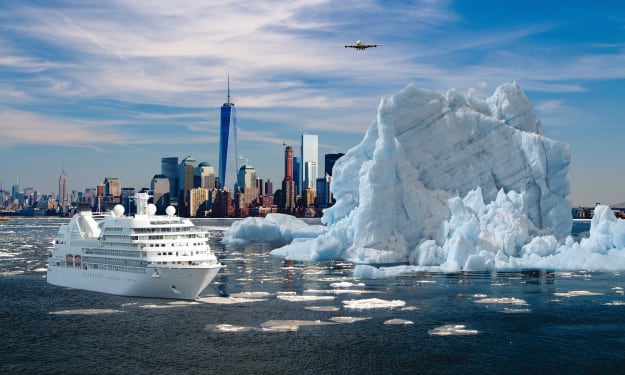
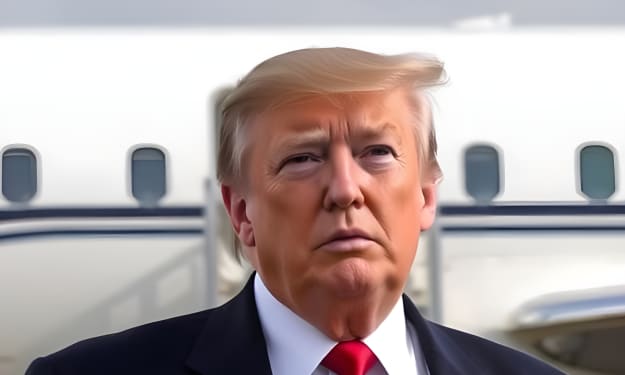
Trump Defends Plan to Use Qatari Luxury Jet for Air Force One: A Political Storm
Trump Defends Plan to Use Qatari Luxury Jet for Air Force One: A Political Storm Introduction In a surprising move that has drawn both support and criticism, former President Donald Trump has announced plans to designate a luxury Boeing 747-8 jumbo jet, gifted by Qatar’s royal family, as the new Air Force One. The aircraft, valued at around $400 million, would replace the current presidential jet, which has been in service for over 40 years. Trump’s decision, shared via Truth Social, has sparked controversy, raising questions about the propriety of accepting such a gift from a foreign government.
By Sumon Ahmedabout a year ago in Earth