Science
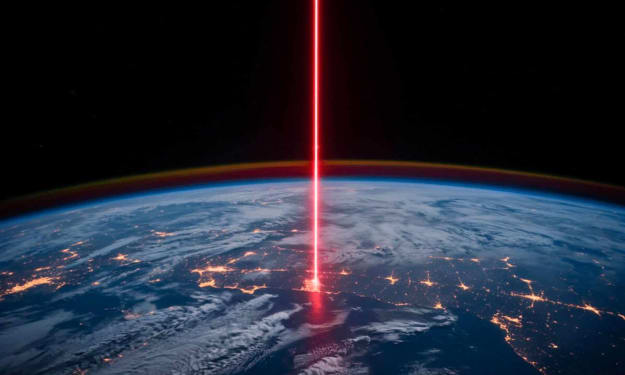
Straight Out of Sci-Fi: Earth Receives a Deep-Space Laser Message from 16 Million Kilometers Away.
NASA has achieved a groundbreaking milestone in space communication by successfully transmitting a laser-based message from the Psyche spacecraft to Earth across a staggering 16 million kilometers. This achievement, part of the Deep Space Optical Communications Experiment (DSOC), represents a major leap forward in interplanetary communication, potentially revolutionizing the way data is transmitted through space.
By Adnan Rasheed2 years ago in Earth
The Benefits of Tomatoes: A Nutrient-Packed Superfood
The Benefits of Tomatoes: A Nutrient-Packed Superfood Tomatoes, frequently categorized as vegetables, are in fact fruits that are part of the nightshade family. They rank among the most popular foods globally, and this popularity is well-deserved. In addition to their striking color and adaptability in various culinary applications, tomatoes are a nutritional treasure, providing numerous health advantages. They contribute to enhanced cardiovascular health and promote better skin condition, making tomatoes a superfood that should be a staple in your diet. Let us delve into the numerous benefits of this modest yet remarkable fruit.
By Md Emran Khan2 years ago in Earth
The Last Message from the Stars
In the year 2047, humanity stood on the precipice of a discovery that would forever alter its understanding of existence. It began with a signal—a faint, rhythmic pulse emanating from the depths of space. At first, scientists dismissed it as cosmic noise, but as the pattern grew clearer, the world held its breath. The signal was not random. It was a message.
By Rocky Brahma2 years ago in Earth
What if Earth suddenly stoped spinning?. AI-Generated.
If the Earth and all terrestrial objects suddenly stopped spinning while the atmosphere retained its velocity, the initial consequence would be catastrophic winds. At the equator, where the surface is moving at roughly 470 meters per second (over 1,000 mph), the air would continue at that speed. Since supersonic speed is 343 m/s, most of the world would experience winds exceeding that threshold. People living between 42° North and 42° South—about 85% of the global population—would face these devastating conditions. The winds would last for only a few minutes before friction slowed them down, but that would be long enough to demolish nearly all human structures. Even those in sturdy bunkers wouldn't be safe, as airborne debris would strike with immense force. The destruction would be unprecedented, reducing cities to rubble in moments.
By Michael Michael2 years ago in Earth
Thousands Without Power as Cyclone Alfred Approaches Eastern Australia
As Cyclone Alfred approaches eastern Australia, the storm’s escalating intensity has left thousands of residents without power, forced evacuations, and prompted a series of severe weather warnings for several regions along the coast. Forecasters are predicting significant disruptions, with high winds, heavy rainfall, and dangerous storm surges expected to affect large parts of Queensland and New South Wales. This article provides an in-depth look at the storm’s progression, the response from authorities, and the ongoing efforts to minimize damage as the cyclone edges closer to the Australian coastline. # The Path of Cyclone Alfred Cyclone Alfred, a Category 3 tropical cyclone, formed over the Coral Sea earlier this week and rapidly gained strength as it moved toward the east coast of Australia. Meteorologists have been closely monitoring the storm’s path, which is expected to make landfall along the coast of Queensland, before traveling south toward New South Wales. As of the latest updates, Cyclone Alfred is situated approximately 300 kilometers off the Queensland coast, gathering strength as it moves closer to the mainland. The storm’s trajectory has prompted the Australian Bureau of Meteorology (BOM) to issue a series of warnings for areas likely to be affected. Coastal regions from Cairns to Brisbane are on high alert, and experts believe the cyclone could intensify to a Category 4 system before making landfall. With winds reaching speeds of up to 200 km/h and torrential rain, Cyclone Alfred has the potential to cause significant damage, particularly in coastal and low-lying areas. # Power Outages and Infrastructure Damage As the storm nears, the region is already experiencing widespread power outages. Thousands of households have been left without electricity as high winds and falling trees disrupt power lines. Energy companies have mobilized teams of technicians to assess the damage and restore power as quickly as possible, but they have warned that some areas could remain without electricity for several days. Queensland Power has reported outages affecting more than 50,000 homes, while New South Wales is experiencing similar issues, with reports of downed power poles and transformer failures across the state. Power disruptions are not limited to rural and regional areas, with major cities such as Brisbane and Cairns also experiencing interruptions in service. In addition to power loss, damage to infrastructure has been significant, with floodwaters already impacting roads and transport routes. The Queensland Transport Department has issued warnings about the closure of several major highways due to flooding, while the New South Wales government has preemptively closed beaches and parks to prevent accidents and facilitate emergency response operations. # Evacuations and Emergency Response The impact of Cyclone Alfred has led to evacuations in several communities, particularly in Queensland. Authorities have urged residents in low-lying coastal areas and flood-prone zones to evacuate to higher ground in advance of the storm's arrival. Shelters have been set up in various locations, offering refuge to those who are unable to safely remain in their homes. The Queensland Police Service (QPS) has warned the public to heed evacuation orders, stressing that anyone who fails to leave at-risk areas before the cyclone hits may be putting themselves in grave danger. In addition, local government officials in both Queensland and New South Wales have declared a state of emergency in the worst-hit areas, mobilizing additional emergency services to assist with evacuations, provide medical assistance, and ensure public safety. Cyclone preparedness teams have been working around the clock to assist residents, ensuring that shelters are stocked with necessary supplies such as food, water, and medical equipment. Many areas have been provided with sandbags to prevent water inundation, while heavy-duty pumps have been deployed to manage rising floodwaters. # Flooding Concerns One of the major concerns surrounding Cyclone Alfred is the potential for extreme rainfall and widespread flooding. Meteorologists predict that the cyclone will bring intense rainfall, with some areas expecting up to 400mm of rain over the next 48 hours. This poses a serious threat to already saturated areas that have been experiencing persistent rainfall over the past few weeks. The risk of flash flooding is high, especially in areas with poor drainage systems or low-lying regions near rivers and creeks. Emergency services are urging residents to stay informed via local media and weather updates to monitor any changes in the forecast, as the rain from the cyclone could cause rivers to overflow and affect large urban areas like Brisbane and the Gold Coast. Local governments are preparing for the possibility of evacuating further areas if floodwaters become unmanageable. Flooding not only poses a danger to people’s lives but can also lead to widespread property damage. Past events have shown that flooding can severely disrupt daily life, damaging homes, businesses, and vital infrastructure such as roads, bridges, and public transport systems. # Tropical Cyclone Preparedness In anticipation of the cyclone's arrival, authorities have issued a series of tips for residents to help them stay safe during this severe weather event: 1. Secure Property: Residents are advised to secure outdoor furniture, tools, and anything that could become a projectile in strong winds. Window shutters and storm-proofing materials should be used to reinforce buildings. 2. Emergency Kits: Residents are encouraged to prepare an emergency kit containing essential items, including non-perishable food, water, first-aid supplies, flashlights, and batteries. 3. Stay Informed: Stay updated by monitoring official weather reports, local news broadcasts, and emergency services for evacuation orders or safety warnings. 4. Evacuation Plans: Those in evacuation zones should have a clear plan in place and understand the fastest route to safety. Authorities stress that people should not wait until the last moment to evacuate. 5. Stay Indoors: When the cyclone hits, stay indoors and away from windows and doors. Avoid traveling unless absolutely necessary. # The Road to Recovery While it is too early to fully assess the damage that Cyclone Alfred will cause, early estimates suggest that recovery efforts will be extensive. In addition to the damage to homes and infrastructure, the storm is expected to disrupt local economies, with agriculture likely to be hit hard. Flooding and high winds may destroy crops, disrupt shipping and transport, and cause long-term environmental damage. The recovery process will require significant cooperation between local governments, emergency services, and the Australian Defence Force. Already, relief efforts are being planned, with donations being accepted for affected communities and volunteer teams standing by to help with cleanup and rebuilding efforts once the storm has passed. # Conclusion Cyclone Alfred’s approach to eastern Australia is causing widespread disruption, with thousands of homes left without power, severe flooding expected, and evacuations underway. As the storm continues to intensify, authorities and residents alike are bracing for what could be a significant weather event. With preparations in full swing, the focus is now on ensuring the safety of individuals and minimizing damage as much as possible. The true extent of the cyclone’s impact will only be revealed in the coming days, but the response from both government agencies and the local communities has been swift and coordinated, emphasizing the importance of preparation in the face of such powerful storms.
By Arafat Rahman2 years ago in Earth
RFK Jr. Touts Vitamin A and Cod Liver Oil Amid Growing Measles Outbreak, Sparking Backlash from Health Experts
In the midst of a growing measles outbreak that has already claimed one life, Robert F. Kennedy Jr., a prominent vaccine skeptic and environmental activist, has once again found himself in the spotlight. This time, it is not for his vocal opposition to vaccination, but for promoting the use of vitamin A and cod liver oil as potential remedies to combat the highly contagious disease. His claims have sparked a heated debate among health professionals, who argue that such statements are not only dangerous but could lead to further public confusion during a critical health crisis. Measles, a viral infection that spreads through respiratory droplets, was largely under control in the United States for decades due to widespread vaccination. However, recent years have seen a resurgence in cases, largely attributed to declining vaccination rates in certain communities. The outbreak, which has led to the death of at least one individual, has reignited conversations about vaccine hesitancy, misinformation, and the role of alternative health practices in public health. #The Measles Outbreak and Growing Concerns The measles outbreak currently sweeping through various parts of the country has raised alarms among public health officials. With cases climbing steadily, health experts are worried about the impact of misinformation, especially as the death toll rises. According to the Centers for Disease Control and Prevention (CDC), measles infections can cause severe complications, including pneumonia, encephalitis, and even death. The vaccine, MMR (measles, mumps, and rubella), has been shown to be highly effective at preventing the disease, yet some communities, particularly those with lower vaccination rates, have seen outbreaks. In the latest development, a death has been reported in connection with the outbreak, further highlighting the dangers of the disease. This tragedy comes at a time when the medical community is increasingly concerned about the dangerous implications of vaccine hesitancy and the rise of anti-vaccination sentiment. As the outbreak intensifies, the need for accurate, science-backed information has never been more urgent. #RFK Jr.’s Claims and the Promotion of Vitamin A and Cod Liver Oil In a series of public statements and through his social media platforms, Robert F. Kennedy Jr. has been vocal about his belief that natural remedies, such as vitamin A and cod liver oil, could help in fighting the effects of measles. Kennedy Jr., who is the son of the late senator Robert F. Kennedy and nephew of former President John F. Kennedy, has gained a large following among anti-vaccine groups for his controversial views on vaccine safety. Vitamin A, which is essential for immune system function, has been suggested by some as a potential supplement for individuals suffering from measles. In certain parts of the world, particularly in developing countries, vitamin A supplementation has been recommended by the World Health Organization (WHO) as a way to reduce complications from the disease, especially in children who may be deficient in this nutrient. However, this recommendation is based on specific conditions, including malnutrition and a lack of access to proper medical care. Kennedy Jr. has been promoting vitamin A and cod liver oil as alternative treatments in the context of the current outbreak, even going so far as to suggest that they could be used to prevent or treat measles. His promotion of these substances comes at a time when the measles virus is spreading rapidly, and vaccination rates remain insufficient in some areas. While vitamin A deficiency can indeed exacerbate the severity of measles, experts warn that using these supplements as a primary form of treatment or prevention is not only misguided but also dangerous. The CDC and the WHO both emphasize the importance of vaccination as the most effective method of preventing measles and its complications. #The Health Expert Backlash Public health officials have been quick to condemn Kennedy Jr.’s statements, calling them not only misleading but potentially harmful. Dr. Paul Offit, a pediatrician and vaccine expert at the Children's Hospital of Philadelphia, has been outspoken in his criticism of Kennedy Jr.’s promotion of unproven treatments. “What we have here is a case of a public figure who is providing false hope to parents and families during an outbreak,” Dr. Offit said. “Vitamin A and cod liver oil are not substitutes for vaccination, and promoting these remedies in the context of a measles outbreak is reckless.” Dr. Offit and other health experts point out that while vitamin A supplementation may help in certain situations, it should never be seen as a replacement for vaccination. In fact, relying on these supplements in the midst of a measles outbreak could lead to delays in seeking proper medical care, which could have severe consequences. Vaccination remains the most reliable and scientifically proven method for preventing the spread of measles. The American Academy of Pediatrics (AAP) has also weighed in, expressing concerns about the potential effects of misinformation on public health. In a statement, the AAP stressed the importance of vaccines in protecting children from preventable diseases like measles. “Vitamin A and cod liver oil have their place in certain aspects of health, but they are not a substitute for the MMR vaccine,” the AAP stated. “We urge the public to trust science and the guidance of public health experts during this critical time.” #Misinformation and Vaccine Hesitancy Kennedy Jr.’s promotion of alternative treatments for measles highlights a growing issue in public health: vaccine hesitancy. As more individuals are exposed to misinformation, especially through social media, the public's trust in vaccines has eroded in some communities. This trend has led to outbreaks of diseases that were previously under control, such as measles, mumps, and whooping cough. The role of social media in spreading anti-vaccine rhetoric cannot be underestimated. Figures like Robert F. Kennedy Jr., who have significant followings online, can sway public opinion with their assertions, regardless of whether they are supported by scientific evidence. In some cases, these claims have led parents to forgo vaccinations for their children, contributing to the rise of vaccine-preventable diseases. The ongoing measles outbreak serves as a stark reminder of the dangers of misinformation. As the death toll rises, it is crucial for public health officials, medical professionals, and the media to provide clear, evidence-based messaging to the public. Misinformation about measles and vaccines must be countered with facts, and individuals like Kennedy Jr. who perpetuate unfounded claims need to be held accountable for their role in the spread of false information. #The Need for Unity and Action As the measles outbreak continues to unfold, it is essential that health experts and the public work together to stop the spread of the disease. Vaccination remains the most effective way to protect individuals and communities from the virus. While alternative treatments like vitamin A and cod liver oil may have their place in certain contexts, they should not be viewed as substitutes for proven, evidence-based interventions like vaccines. Public health campaigns aimed at educating the public about the importance of vaccination and the risks of misinformation are critical in reversing the current trend of vaccine hesitancy. Leaders in the medical and scientific communities must continue to advocate for accurate, science-based information, while holding individuals like Robert F. Kennedy Jr. accountable for their potentially harmful statements. As we confront this ongoing health crisis, it is more important than ever to trust in the expertise of public health professionals and follow the best available guidance in order to protect ourselves and our communities from the dangers of preventable diseases like measles.
By Arafat Rahman2 years ago in Earth
Unlock AI's Potential: Embrace Neurodiversity Now.
Neurodivergent is an informal term applied to individuals whose brain development or operation differs for some reason. This is to say that these individuals have different strengths and challenges from individuals whose brains develop or operate in a more typical manner. While certain neurodivergent individuals will have medical diagnoses, other neurodivergent individuals may not have a known medical condition or diagnosis.
By Hridya Sharma2 years ago in Earth
Scientists May Have Just Found the Best Way to Detect Life on Mars
Scientists May Have Just Found the Best Way to Detect Life on Mars. For decades scientists have been searching for signs of life on Mars and a recent breakthrough may have just provided a powerful new method to detect ancient microbial life. A recent study suggests that microbial fossils could be preserved within sulfate minerals like gypsum which are abundant on the Martian surface. If confirmed this discovery could revolutionize how space agencies approach the search for extraterrestrial life. Mars has long been considered one of the most promising places in our solar system to search for past life. Billions of years ago Mars had a warmer wetter climate complete with rivers lakes and possibly even oceans. This means the planet may have had the right conditions to support microbial life. However over time the Martian climate changed dramatically turning it into the cold dry desert world we see today. Despite these harsh conditions scientists believe that remnants of ancient microbial life could still be found hidden within the planet’s rocks and minerals. The challenge has always been how to detect these potential biosignatures effectively. That’s where the recent study comes in suggesting that sulfate minerals could be the key to solving this puzzle. Sulfate minerals like gypsum and epsomite form in environments where water evaporates leaving behind mineral deposits. On Earth these minerals have been known to trap and preserve microbial life for millions of years. This process is similar to how fossils form in sedimentary rock but in this case microbes get trapped inside crystal structures protecting them from environmental damage. Mars has vast deposits of sulfate minerals especially in regions like Gale Crater where NASA’s Curiosity rover is currently exploring. These sulfate rich areas are thought to have formed when ancient Martian lakes and rivers dried up. If microbial life once existed in these water bodies their remains could be locked inside these minerals.
By Adnan Rasheed2 years ago in Earth
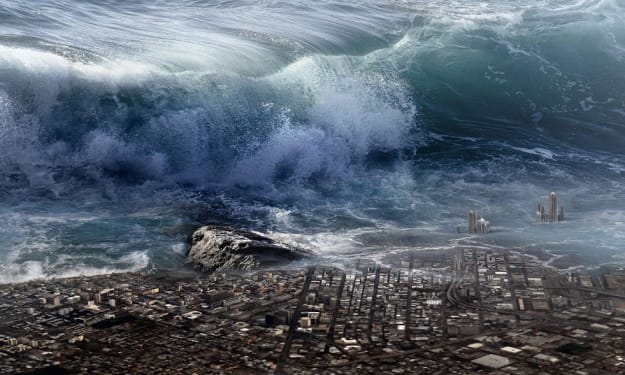
Nature’s Fury Unleashed: Understanding the Devastating Impact of Tsunamis. AI-Generated.
Imagine a tragic scene where entire cities are flooded, towns are inundated, and an unending stream of floating debris – including buildings, cars, and even people – is swept away by an unstoppable wave. This harrowing image is a brutal reminder of the sheer power, unpredictability, and danger that tsunamis embody. In this in-depth exploration, we will examine what causes these colossal waves, the dynamics of their movement, historical events that underscore their lethal potential, and the measures that can be taken to minimize their impact.
By Lisa Ann Bastiaan2 years ago in Earth