Nature
How Dangerous Is Chernobyl Radiation Today
many people still ask the same question: how dangerous is chernobyl radiation today? The short answer is that the danger still exists, but it is very different from what it was in 1986. Radiation levels have dropped a lot, some areas are safer than others, and strict rules remain in place to protect people and the environment. To understand the real risk today, it is important to look at what happened, what has changed, and what dangers still remain.
By Horizon Dwellers9 months ago in Earth
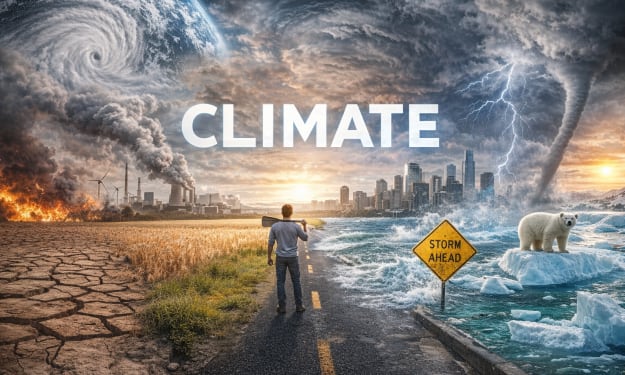
Climate Uncovered: How Earth’s Atmosphere Shapes Our Past, Present, and Future
## Climate Uncovered: How Earth’s Atmosphere Shapes Our Past, Present, and Future Climate is more than just a scientific term or a topic in school textbooks. It is a powerful force that shapes ecosystems, economies, cultures, and daily life across the planet. From the clothes people wear to the food they grow and the cities they build, climate plays a defining role. In recent years, interest in climate has grown rapidly as people seek to understand long-term environmental changes and what they mean for the future of humanity. This article explains climate in a clear and engaging way while answering the most common questions people search for and ask. **What Is Climate?** Climate refers to the long-term average of weather conditions in a specific place over an extended period, usually decades. It includes patterns of temperature, rainfall, humidity, wind, and seasonal variations. Climate tells us what kind of weather is typical for a region, such as cold winters, hot summers, or consistent rainfall throughout the year. Unlike daily weather, which can change quickly, climate changes slowly and reflects broader atmospheric behavior. **What Is the Difference Between Climate and Weather?** Weather describes short-term atmospheric conditions, such as today’s temperature, rain, or wind. Climate, on the other hand, is the long-term pattern of weather over many years. A single hot day does not define climate, but repeated hot summers over decades do. In simple terms, weather is what happens now, while climate is what usually happens. **What Are the Main Types of Climate?** There are several major climate types around the world. Tropical climates are generally hot and humid with frequent rainfall. Dry climates include deserts and semi-arid regions with very little precipitation. Temperate climates have moderate temperatures and clear seasonal changes. Continental climates experience hot summers and cold winters, while polar climates are extremely cold year-round. These climate types influence vegetation, wildlife, and human settlement patterns. **What Is Climate Change?** Climate change refers to long-term shifts in average climate conditions on Earth. These changes include rising global temperatures, altered rainfall patterns, melting ice, and rising sea levels. While Earth’s climate has changed naturally in the past, current changes are happening more rapidly and are closely linked to human activities, especially those that release greenhouse gases into the atmosphere. **Why Is Climate Changing?** Modern climate change is largely driven by human actions such as burning fossil fuels, cutting down forests, and expanding industrial activities. These actions increase the amount of greenhouse gases in the atmosphere, which trap heat and cause the planet to warm. As a result, natural climate systems are being disrupted, leading to long-term environmental changes. **How Does Climate Affect Daily Life?** Climate affects almost every aspect of daily life. It influences agriculture by determining what crops can grow and when. It affects water availability, energy use, and public health. In hot climates, people may rely more on cooling systems, while colder regions require heating. Climate also impacts transportation, housing design, and even cultural traditions and lifestyles. **How Does Climate Change Affect Weather Extremes?** Climate change can make extreme weather events more frequent and intense. Heatwaves may last longer, storms can become stronger, and heavy rainfall may lead to flooding. In some regions, droughts may become more severe, increasing the risk of wildfires and food shortages. These changes happen because a warmer atmosphere holds more energy and moisture, fueling stronger weather events. **Does Climate Change Affect All Regions Equally?** Climate change does not affect all parts of the world in the same way. Some regions experience rising temperatures more quickly, while others face increased rainfall or drought. Coastal areas are particularly vulnerable to rising sea levels, while inland regions may face extreme heat or water shortages. The impact of climate change depends on geography, local ecosystems, and existing infrastructure. **Why Is Climate Important for the Future?** Climate is crucial for planning a sustainable future. Changes in climate can affect food security, economic stability, and human health. Understanding climate trends helps governments, businesses, and communities prepare for challenges such as extreme weather, water scarcity, and environmental damage. A stable climate supports healthy ecosystems and reliable resources for future generations. **What Can Individuals Do About Climate Issues?** Individuals can play a role in addressing climate challenges by making conscious choices in daily life. Reducing energy use, conserving water, minimizing waste, and supporting environmentally friendly practices all contribute to positive change. Education and awareness are also important, as informed communities are better prepared to adapt and respond to climate challenges. **Can Climate Change Be Slowed?** While reversing climate change completely is difficult, its effects can be slowed by reducing greenhouse gas emissions and adopting sustainable practices. Transitioning to renewable energy, protecting natural ecosystems, and improving efficiency in transportation and industry can help stabilize climate trends over time. Collective action at local, national, and global levels is essential. **What Does the Future of Climate Look Like?** The future of climate depends largely on the decisions made today. Continued environmental neglect could lead to more extreme conditions and greater challenges. However, responsible action and innovation offer the opportunity to create a more balanced and resilient climate system. Understanding climate is the first step toward protecting the planet and ensuring a safer future for all. Climate is not just an environmental issue; it is a human issue that affects every part of life on Earth. By understanding how climate works and why it matters, people can make informed choices that contribute to a healthier and more sustainable world.
By America today 9 months ago in Earth
Portland ICE Shooting Raises Questions About Federal Enforcement and Public Safety. AI-Generated.
A recent Portland ICE shooting has reignited debate across Portland, Oregon, drawing attention to how federal immigration enforcement operates in cities already struggling with trust, safety, and transparency. The incident, widely described in Portland news and regional outlets like KGW News, involved federal agents and resulted in two people being shot, raising urgent questions about oversight, use of force, and public accountability. While details continue to emerge, the ice shooting in Portland has become a focal point for community concern, not only because of the injuries sustained, but because of what the event represents in a broader national conversation. What We Know About the Portland Shooting According to early reports, the Portland shooting occurred during an enforcement operation involving federal agents believed to be affiliated with ICE Portland and Customs and Border Protection (CBP). During the encounter, shots were fired, and two people were shot by ICE in Portland, prompting an immediate law-enforcement response. Officials have described the situation as rapidly evolving, emphasizing that the officers involved perceived a threat. However, community members and local leaders have asked for clarity about why lethal force was used and whether alternative actions were possible. The phrase “federal agents shoot 2 in Portland” quickly spread across social media, intensifying scrutiny and calls for transparency. Federal Agents and Local Jurisdiction Tensions Portland has long been a city where relationships between federal authorities and local residents are strained. The presence of ICE Portland Oregon agents has frequently sparked protests, particularly when operations take place without coordination with city officials. In this case, reports describing Portland shooting federal agents highlight a recurring issue: federal law enforcement often operates independently of local police, creating confusion and concern when incidents escalate. Local officials reiterated that Portland city police were not involved in initiating the encounter, reinforcing a longstanding divide between city governance and federal immigration enforcement. ICE, Border Patrol, and the Use of Force The Portland border patrol shooting has also raised questions about training and protocols. Agencies like ICE and CBP are tasked with enforcing federal immigration laws, but when operations involve firearms in residential or public areas, the consequences can be severe. Community advocates argue that ICE shooting Portland OR incidents blur the line between immigration enforcement and traditional policing, especially when lethal force is used. The Oregon ICE shooting has intensified calls for clearer standards governing when federal agents can use deadly force, particularly in sanctuary cities like Portland. Community Reaction Across Portland, Oregon Public reaction across Portland OR has been swift and emotional. Community leaders, activists, and residents gathered in vigils and town halls to demand answers about the ice shooting Oregon incident. For many, the concern is not just about this specific case, but about a pattern of federal enforcement actions that feel disconnected from local values. “This isn’t just about one shooting,” said a local organizer during a peaceful gathering. “It’s about accountability, transparency, and whether our city is being treated as a testing ground for aggressive enforcement.” Mentions of Organized Crime and Tren de Aragua Some early statements referenced alleged gang affiliations, including Tren de Aragua, a criminal organization often cited in federal investigations. However, civil rights advocates cautioned against premature conclusions, stressing that claims of gang involvement should be supported by evidence and not used to justify excessive force. Experts warn that linking shootings to organized crime narratives without transparency risks inflaming public fear and undermining trust. Media Coverage and the Role of KGW Local media outlets, including KGW, have played a critical role in documenting the aftermath. KGW News provided on-the-ground reporting, capturing community reactions and pressing officials for answers regarding the 2 shot in Portland by ICE. Journalists emphasized that investigations were ongoing and urged patience while facts are verified. Still, the demand for body-camera footage and official reports remains high. Broader Implications for Oregon and Beyond The shooting Portland incident reflects a broader national debate about federal enforcement in local communities. Across Portland Oregon news outlets, analysts note that such events often become flashpoints for policy reform discussions. For Oregon, the incident raises important questions: How should federal agencies coordinate with local governments? What oversight exists when border patrol shooting Portland incidents occur? How can civilian safety be prioritized during enforcement actions? As the investigation continues, many are calling for independent review to ensure accountability. A City Waiting for Answers The Portland ICE shooting today may fade from headlines in time, but its impact on public trust will likely last much longer. For residents of Portland, Oregon, the incident underscores the fragile balance between law enforcement authority and community safety. Whether this case leads to policy changes or deeper scrutiny of federal operations remains to be seen. What is clear, however, is that Portland — like many cities — is demanding transparency, restraint, and respect for human life. Until full details are released, the ice portland shooting stands as a sobering reminder that enforcement actions carry real consequences, and accountability matters just as much as security.
By Saboor Brohi 9 months ago in Earth
Mother Earth Still Breathes
Mother Earth Still Breathes LINK TO SONG! "This song began as a realization that the Earth isn't just a backdrop for our lives, she is a living, humming organism. After a video sparked a conversation with my creative partners, we moved from poetic meditation into Mother Earth Blues.
By Vicki Lawana Trusselli 9 months ago in Earth
Australia Heatwave Temperatures and the Cost of Endless Summers
There was a time when summer in Australia meant long afternoons, sunburnt shoulders, and the hum of cicadas at dusk. Heat was expected, even welcomed. But something has shifted. In recent years, summer no longer arrives gently. It presses down, day after day, with a weight that feels harder to escape. Australia heatwave temperatures are no longer short bursts of discomfort. They are long, exhausting stretches that change how people live, work, and rest. This article looks beyond the numbers to explore what these heatwaves feel like on the ground. It examines how rising temperatures are reshaping daily life, the land, and the quiet routines people once took for granted.
By Muqadas khan9 months ago in Earth
The Most Earthquake-Prone Places in the World and Why They Shake so Often. AI-Generated.
My interest in earthquakes began when I was a little girl. I remember watching footage of the ground shaking and wondering how something as solid as the Earth could suddenly move. That early curiosity stayed with me and eventually led me to learn more about why earthquakes happen and why some places experience them far more often than others.
By Marla Samuel9 months ago in Earth