Nature
Severe Geomagnetic Storm Could Bring Northern Lights Across Much of the U.S.
On Monday evening, skywatchers from the Pacific Northwest to the Midwest got ready for something out of the ordinary: a celestial display that typically occurs at high northern latitudes. Americans who provide forecasts as a powerful cloud of charged particles from the sun accelerates toward the Earth's magnetic field, the National Oceanic and Atmospheric Administration (NOAA) has issued a "G4 (Severe) geomagnetic storm watch."
By Raviha Imran9 months ago in Earth
Trump’s Message to Norway: A Controversial Diplomatic Signa
**Trump’s Message to Norway: A Controversial Diplomatic Signal** In January 2026, a written message sent by former U.S. President Donald Trump to Norway’s Prime Minister Jonas Gahr Støre sparked widespread political debate and media attention. The message quickly became a topic of discussion across the United States and Europe, not because it announced a formal policy change, but because of its tone and implications. It reflected Trump’s personal view of international recognition, his frustration over the Nobel Peace Prize, and his broader vision for American power and security in a changing world. The message came at a time of growing tension in global politics, especially in the Arctic region, where strategic competition between major powers has intensified. Norway, as a close U.S. ally and a NATO member, found itself unexpectedly drawn into a controversy that highlighted deeper questions about diplomacy, alliances, and leadership style. **What Was the Core Message Trump Sent to Norway?** At the heart of Trump’s message was his assertion that he no longer felt an obligation to think “purely of peace” in shaping U.S. policy. He linked this statement to what he described as a lack of recognition for his efforts to reduce or prevent conflicts during his time in office. In particular, he referenced his disappointment at not receiving the Nobel Peace Prize, which is awarded by a committee based in Norway. Trump framed his argument around the idea that international honors matter in global politics, not just as symbolic gestures, but as acknowledgments of leadership. He suggested that the absence of such recognition freed him to pursue a more forceful and interest-driven approach to foreign policy, centered on what he viewed as the best interests of the United States. **Why Did Trump Mention the Nobel Peace Prize?** The Nobel Peace Prize has long carried symbolic weight in international relations. Trump has repeatedly argued that his diplomatic actions deserved recognition comparable to past recipients. In his message to Norway’s prime minister, Trump appeared to conflate the independent Nobel Committee with the Norwegian state, expressing frustration that the prize had not been awarded to him. This aspect of the letter drew criticism, as the Nobel Peace Prize is not controlled by the Norwegian government. Nevertheless, Trump’s focus on the prize revealed how deeply personal validation and public recognition factor into his worldview. For supporters, it reinforced the belief that Trump’s achievements were overlooked. For critics, it raised concerns about personal grievance influencing foreign policy rhetoric. **How Did Greenland Become Part of the Message?** One of the most striking elements of Trump’s message was his reference to Greenland. He questioned the legitimacy of Denmark’s control over the island and suggested that U.S. authority over Greenland would be necessary for global security. Trump framed the issue in terms of strategic defense, pointing to the Arctic’s growing importance amid competition with Russia and China. Greenland’s vast natural resources and strategic location have long attracted interest from major powers. By raising the issue in a message to Norway, Trump signaled that Arctic geopolitics remain a priority in his thinking. However, the language used was seen as confrontational and dismissive of established international norms regarding sovereignty. **Why Did the Letter Alarm European Leaders?** European leaders reacted with concern because the message touched on sensitive issues of sovereignty, alliance trust, and diplomatic conduct. Norway and Denmark are both long-standing allies of the United States, and statements questioning territorial ownership can strain even the strongest partnerships. The tone of the message also mattered. Rather than emphasizing cooperation or shared security goals, Trump’s words suggested pressure and unilateral decision-making. For many in Europe, this reinforced fears that U.S. leadership could become unpredictable, driven more by personal perspectives than by coordinated alliance strategy. **What Does This Reveal About Trump’s Foreign Policy Style?** Trump’s message to Norway reflects a consistent pattern in his approach to foreign policy: a blend of personal conviction, transactional thinking, and direct communication. He often challenges diplomatic conventions, preferring blunt statements over carefully worded agreements. Supporters argue that this style projects strength and honesty, forcing allies and rivals alike to confront uncomfortable realities. Critics contend that it undermines trust, weakens alliances, and blurs the line between personal opinion and official policy. The letter to Norway became a clear example of how Trump’s personality shapes his diplomatic messaging. **How Could This Affect U.S.–European Relations Going Forward?** While a single message does not define an entire relationship, it can influence perceptions and expectations. Trump’s communication with Norway added to existing concerns in Europe about long-term U.S. commitment to multilateral cooperation. It also highlighted differences in how American and European leaders view diplomacy, recognition, and the role of international institutions. In the broader picture, the message underscored growing uncertainty in global politics. As strategic competition intensifies and alliances face new pressures, the way leaders communicate matters as much as the policies they pursue. Trump’s message to Norway served as a reminder that words, especially when delivered directly and publicly, can reshape diplomatic landscapes. Ultimately, the controversy surrounding Trump’s letter was not just about Norway, the Nobel Peace Prize, or Greenland. It was about power, recognition, and the evolving nature of leadership in international affairs.
By America today 9 months ago in Earth
We Outpaced the Soil
We learned how to move faster than the ground beneath us. At first, it felt like progress. Roads unrolled like promises, machines hummed with the confidence of certainty, and cities rose as if the earth itself had agreed to carry our weight. We measured time in minutes saved, distances conquered, yields multiplied. We learned to outpace the seasons, to outsmart rain, to hurry seeds into obedience. We learned to treat the soil like a resource instead of a relationship.
By Jhon smith9 months ago in Earth
Earth Is Not Our Property
There was a time when the Earth did not need us. Rivers carved their own paths without permission. Forests rose and fell like quiet empires. Ice learned the language of patience. The planet breathed in rhythms older than memory, older than names. Then we arrived—curious, clever, afraid of silence—and decided everything needed a fence.
By LUNA EDITH9 months ago in Earth
Red Ice Part 1. Content Warning.
Northern Greenland, 1831 Anak finished loading the last of his equipment into his dog sled. All of his dogs were barking loudly with excitement. They knew what time it was, they knew what was about to happen. It's the middle of March and ice covers the entire region. Around this time of year, Anak and the other hunters head out for their seasonal walrus hunt. He checked his sled one final time to ensure he had everything they needed. Then he went to check on the other hunters to see of they were ready.
By Stonecreek9 months ago in Earth
TODAY’S WEATHER NEWS ACROSS THE UNITED STATES WHAT AMERICANS SHOULD EXPECT RIGHT NOW
TODAY’S WEATHER NEWS ACROSS THE UNITED STATES WHAT AMERICANS SHOULD EXPECT RIGHT NOW Weather conditions continue to be one of the most discussed daily topics across the United States, especially as seasonal transitions bring noticeable changes in temperature, storms, and regional weather patterns. Today’s weather reflects a mix of warming trends, lingering cold pockets, and active systems affecting different parts of the country. From the West Coast to the East Coast, Americans are paying close attention to how temperatures will feel, whether rain or snow is expected, and how conditions may impact daily routines. Overall, today’s weather across most of the United States is marked by regional contrasts. While some areas are enjoying mild and comfortable conditions, others are experiencing unsettled weather, including strong winds, rain, or colder-than-average temperatures. WHAT IS THE GENERAL WEATHER PATTERN IN THE UNITED STATES TODAY parts of the South and Southeast and cooler air lingering in the North and Midwest. High pressure systems are bringing clearer skies and calmer conditions to some regions, while low pressure systems are triggering clouds and precipitation in others. This contrast is common during periods of seasonal transition and often leads to rapid changes in daily forecasts. In many central states, shifting air masses are causing noticeable temperature swings between morning and afternoon hours. This means cooler starts to the day followed by warmer conditions as the sun rises higher. HOW WARM OR COLD IS IT IN MOST PARTS OF THE COUNTRY TODAY Temperatures today vary widely depending on location. Southern states are generally experiencing warmer-than-average conditions, with daytime temperatures feeling comfortable to warm. In contrast, northern states are seeing cooler readings, especially during the early morning and late evening hours. The Midwest and Great Lakes region remain on the cooler side, with temperatures staying moderate but occasionally dipping below seasonal norms. Meanwhile, the Southwest continues to experience dry and warm weather, reinforcing its reputation for stable conditions during much of the year. The Northeast is seeing mixed temperatures, with some areas feeling mild while others experience lingering cool air, particularly in elevated or inland locations. ARE THERE ANY MAJOR STORMS OR RAIN SYSTEMS TODAY Several regions are dealing with unsettled weather today. Rain showers are affecting parts of the Pacific Northwest, where moist air from the ocean continues to move inland. These showers are generally light to moderate but may persist throughout the day. In parts of the central United States, isolated thunderstorms are possible as warm air meets cooler fronts. While severe weather is not widespread, localized heavy rain and gusty winds may occur in some areas. Snow is limited today, mostly confined to higher elevations and northern regions where colder air remains in place. For most Americans, winter-like conditions are becoming less common, though brief cold snaps are still possible. HOW DOES TODAY’S WEATHER AFFECT DAILY LIFE AND TRAVEL Weather conditions today are generally manageable for most people, but regional impacts should not be ignored. Rain in the Northwest and central regions may slow travel and reduce visibility at times. Windy conditions in open areas could also affect driving, especially for high-profile vehicles. In warmer regions, outdoor activities are favored as comfortable temperatures encourage people to spend more time outside. However, sudden weather changes in transitional seasons mean that checking local forecasts remains important. Air travel is mostly operating normally, though weather-related delays may occur in areas experiencing storms or strong winds. IS THIS WEATHER NORMAL FOR THIS TIME OF YEAR Overall, today’s weather patterns align with typical seasonal behavior across the United States. Fluctuating temperatures, mixed precipitation, and regional contrasts are all expected during this time of year. While some areas may feel slightly warmer or cooler than average, there are no widespread anomalies affecting the entire country. Seasonal transitions often bring unpredictable conditions, and today serves as a reminder that weather can change quickly depending on atmospheric shifts. WHAT SHOULD PEOPLE EXPECT FOR THE REST OF THE DAY As the day continues, temperatures in most regions will gradually stabilize. Warmer areas will remain pleasant through the afternoon, while cooler regions may not see significant warming. Rain and cloud cover will persist in affected areas, though many locations will experience dry conditions. Evening temperatures are expected to drop in northern and inland regions, making cooler nights more noticeable. Southern and coastal areas will generally maintain milder conditions after sunset. In summary, today’s weather across the United States presents a balanced mix of calm and active conditions. While no extreme nationwide events are dominating the forecast, regional variations continue to keep weather a top topic of conversation among Americans. Staying informed and prepared remains the best approach as the day unfolds.
By America today 9 months ago in Earth
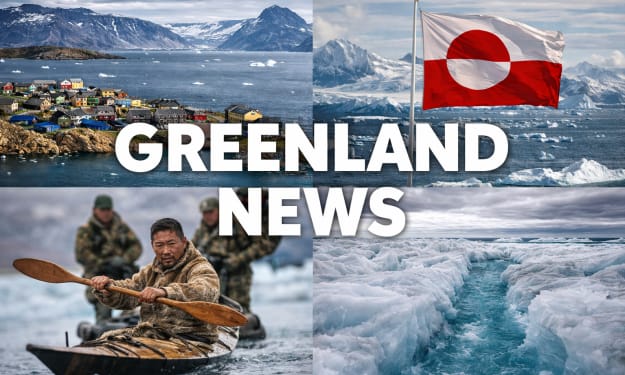
Greenland News
Greenland News Greenland has increasingly drawn global attention in recent years due to its political developments, environmental changes, and growing strategic importance. As the world looks more closely at the Arctic region, news from Greenland reflects a unique mix of local priorities and international interest. From climate-related challenges to economic opportunities and governance issues, Greenland continues to shape its own path while remaining closely connected to global affairs. **Recent Political Developments in Greenland** Political discussions in Greenland often focus on self-governance and the balance between autonomy and cooperation with Denmark. Local leaders regularly debate how to strengthen domestic institutions, manage resources responsibly, and ensure long-term economic stability. Elections and parliamentary decisions tend to emphasize sustainable development, social welfare, and protecting Greenlandic identity while navigating external pressures. **How Climate Change Is Affecting Greenland Today** One of the most widely discussed topics in Greenland news is climate change. Rising temperatures have led to accelerated ice melt, which has both local and global consequences. Communities are adapting to changing coastlines, shifting wildlife patterns, and new environmental risks. At the same time, scientists and policymakers closely monitor these changes, as Greenland’s ice sheet plays a major role in global sea levels. **Economic Trends Shaping Greenland’s Future** Economic news from Greenland often highlights the country’s efforts to diversify beyond traditional industries. Fishing remains a cornerstone of the economy, providing jobs and export revenue. However, there is growing interest in renewable energy, tourism, and responsible mining. Policymakers are cautious about balancing economic growth with environmental protection, a topic that frequently appears in public debates. **Why Greenland Is Becoming More Important Globally** Greenland’s strategic location has increased its visibility in international news. Situated between North America and Europe, the island has gained attention in discussions about Arctic security, shipping routes, and global trade. As polar ice continues to recede, new maritime pathways may open, raising Greenland’s role in international logistics and geopolitics. **Social Issues Currently Discussed in Greenland** Social well-being is a major focus in domestic news. Topics such as education, healthcare access, and mental health support are frequently discussed by community leaders and the public. Efforts to preserve Indigenous culture and language remain central to Greenlandic society, with many initiatives aimed at strengthening cultural identity among younger generations. **How Natural Resources Are Managed in Greenland** Resource management is one of the most sensitive and closely followed issues in Greenland news. The island holds valuable mineral resources, but there is strong public awareness of the environmental risks involved in extraction. Government policies often stress careful regulation, transparency, and long-term planning to ensure that any development benefits local communities without causing irreversible harm. **Changes in Greenland’s Infrastructure and Connectivity** Infrastructure development is another recurring theme. Improvements in airports, ports, and digital connectivity aim to support economic growth and improve quality of life. Better infrastructure also helps connect remote communities, making services more accessible and encouraging tourism. These projects are often framed as investments in Greenland’s long-term resilience. **What Is Happening With Tourism in Greenland** Tourism-related news highlights both opportunity and responsibility. Greenland’s dramatic landscapes, glaciers, and wildlife attract visitors from around the world. At the same time, authorities promote sustainable tourism practices to protect fragile ecosystems and respect local traditions. Managing visitor numbers and environmental impact remains a key topic of discussion. **How Greenland Is Preparing for the Future** Looking ahead, Greenland’s leaders and citizens are focused on building a future that respects tradition while embracing change. Education, innovation, and environmental stewardship are seen as essential pillars for progress. News coverage often reflects optimism tempered by realism, acknowledging both the challenges and opportunities that lie ahead. **Why Greenland News Matters Beyond the Arctic** Developments in Greenland resonate far beyond its borders. Environmental changes influence global climate systems, while political and economic decisions affect international relations in the Arctic region. As a result, Greenland news is increasingly followed by governments, researchers, and businesses worldwide. In conclusion, Greenland news offers insight into a region undergoing significant transformation. From climate and politics to economics and culture, the stories emerging from Greenland reflect a society adapting to rapid change while striving to protect its identity and environment. As global interest in the Arctic continues to grow, Greenland’s voice and experiences will remain an important part of the international conversation.
By America today 9 months ago in Earth
Birds with Wild Hairdos
Cockatoos are known for their expressive crests, which they raise or lower depending on their mood. The crests can be white, yellow, or pink. These charismatic birds are native to the Australian continent, the islands of the Indo-Australian archipelago, and parts of New Guinea. There are 21 different species of cockatoo, varying in size from the diminutive Galah to the imposing Sulphur-crested Cockatoo. Most cockatoo species are highly social birds, forming strong pair bonds that often last a lifetime. Cockatoos are primarily herbivores, with a diet consisting of seeds, nuts, fruits, roots, and occasionally insects and larvae.
By Rasma Raisters9 months ago in Earth