Nature
Heritage Trees of Surry Hills. AI-Generated.
Nestled in the heart of Surrey, Surry Hills is a landscape steeped in natural beauty and historic charm. Among its most treasured assets are its heritage trees—living monuments that have silently witnessed the region’s transformation over centuries. These trees not only define the character of the landscape but also serve as vital ecological and cultural links to the past. As urban development continues to evolve, preserving the green history of Surry Hills becomes more crucial than ever.
By Stefan Morgan9 months ago in Earth
Rare Kona Low Brings Heavy Rain and Snow to Hawaii’s Volcano Summits
Just when many had packed away thoughts of winter weather, Hawaii offered a striking reminder that even the most tropical landscapes can face dramatic seasonal shifts. Beginning late last weekend, a robust weather system known as a Kona Low swept across the islands, soaking the state with heavy rain and unleashing snow and ice atop the volcanic summits of Mauna Kea and Mauna Loa — a scene that startled visitors and locals alike.
By Raviha Imran9 months ago in Earth
greenland
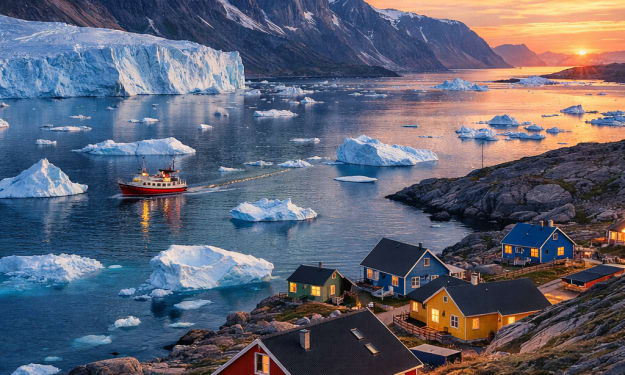
Greenland The World’s Largest Island of Ice Nature and Mystery Greenland is one of the most fascinating places on Earth, known for its vast ice sheets, dramatic landscapes, and unique culture. It is the largest island in the world, located between the Arctic and Atlantic Oceans. Many people search for information about Greenland because of its extreme climate, political status, natural resources, and growing importance in global discussions about climate change. One of the most common questions people ask is whether Greenland is a country or part of another nation. Greenland is an autonomous territory within the Kingdom of Denmark. While it governs many of its internal affairs, such as education and natural resources, Denmark still handles foreign policy and defense. Greenland has its own government and parliament, and many residents strongly value their cultural identity and independence. Another frequently asked question is who lives in Greenland. The population of Greenland is small, with most residents belonging to the Inuit culture. These communities have lived in the Arctic for thousands of years and developed traditions adapted to extreme cold, long winters, and limited daylight. Modern Greenlandic society blends traditional Inuit culture with contemporary life, including education, technology, and modern infrastructure. People also wonder why Greenland is covered in ice. Around eighty percent of Greenland is covered by a massive ice sheet, making it the second largest ice body in the world after Antarctica. This ice has formed over millions of years due to consistently low temperatures. The ice sheet plays a critical role in regulating global sea levels and climate patterns, which is why scientists closely monitor changes occurring there. A very popular search question is whether Greenland is affected by climate change. The answer is yes, and significantly so. Greenland is warming faster than many other parts of the world. As temperatures rise, glaciers and ice sheets are melting at an accelerated rate. This melting contributes to rising sea levels globally and affects local ecosystems, wildlife, and traditional ways of life for Greenland’s residents. Many people ask if Greenland is suitable for tourism. Greenland has become an increasingly attractive destination for adventurous travelers. Visitors are drawn to its stunning fjords, icebergs, northern lights, and untouched wilderness. Popular activities include dog sledding, whale watching, hiking, and exploring remote coastal towns. While tourism infrastructure is developing, travel to Greenland still requires careful planning due to its remote location and harsh weather conditions. Another common question is what language is spoken in Greenland. The official language is Greenlandic, also known as Kalaallisut. Danish is also widely spoken, and English is increasingly used, especially among younger generations and in tourism-related industries. This multilingual environment reflects Greenland’s historical ties and growing international presence. People are also curious about Greenland’s economy. The economy is largely based on fishing, which is the primary export industry. Greenland also relies on financial support from Denmark. In recent years, there has been growing interest in mineral resources, renewable energy, and tourism as potential paths toward greater economic independence. Another important question people ask is why Greenland is strategically important. Greenland’s location in the Arctic makes it geopolitically significant. As Arctic ice melts, new shipping routes and access to natural resources are becoming possible. This has increased international interest in Greenland from major global powers, making it an important region for future economic and political developments. In conclusion, Greenland is far more than a frozen island. It is a land of rich culture, environmental significance, and growing global importance. From its ancient Inuit heritage to its role in climate science and geopolitics, Greenland continues to capture the world’s attention. Its combination of natural beauty, cultural depth, and strategic relevance makes it one of the most intriguing places on the planet today.
By America today 9 months ago in Earth
Adorable Booby Birds
Boobies are seabirds inhabiting tropical and subtropical water all over the globe. These birds are part of the Sulidae family of seabirds, which also includes cormorants and gannets. Boobies are known for their graceful flights, large size, and distinctive colors. They nest in large colonies alongside other seabirds. Their diet consists of fish, squid, and other small sea animals. They dive into the water to catch their prey.
By Rasma Raisters9 months ago in Earth