Nature
Grassland: Facts, Ecosystem, Climate, Species, and Conservation
Grasslands are open landscapes of grasses and form a vital part of global biomes and Earth landscapes. These landscapes are among the most extensive and ecologically important terrestrial ecosystems on Earth. Grasslands cover roughly 20 to 40 percent of the planet’s land surface, excluding Antarctica, and occur across multiple continents in both tropical and temperate regions.
By Mountains Curve9 months ago in Earth
The Full Moon of January. AI-Generated.
The first full moon of the year has a way of arriving softly, yet leaving a lasting impression. Hanging low in the cold night sky, the full moon of January feels different from the moons that follow. It does not compete with summer heat or autumn color. Instead, it reflects a quieter season, when the world seems paused and the night air carries a sense of reflection. This moon is often seen as a symbol of beginnings, resilience, and the steady return of light after long winter nights. January’s full moon rises during one of the coldest and calmest times of the year. In many places, trees stand bare, fields rest under frost or snow, and the nights feel longer than usual. Against this backdrop, the moon appears brighter and sharper, almost as if winter itself is helping it glow. Without thick leaves or humid air to soften its light, the moon’s surface details become easier to notice, creating a striking and memorable sight. Traditionally, the January full moon is known as the Wolf Moon. This name is often linked to old folklore and early communities who noticed how wolves were more frequently heard during winter nights. Food was scarce, villages were quieter, and the sound of howling carried farther through the cold air. Over time, the name became a poetic way to describe both the season and the moon that watched over it. While modern life has distanced many of us from such natural rhythms, the name still carries a sense of wilderness and survival. Beyond its name, the full moon of January holds cultural importance across different societies. In some traditions, it was a marker of time, helping people plan travel, farming, and seasonal rituals. The moon served as a natural calendar long before clocks and digital screens existed. Even today, many cultures continue to celebrate the first full moon of the year as a moment to set intentions, reflect on the past, and welcome what lies ahead. Astronomically, a full moon occurs when the Earth sits between the sun and the moon, allowing the moon’s surface to be fully illuminated. In January, this alignment often results in a moon that appears especially bright and high in contrast. Cold winter air tends to be clearer, with less moisture and haze, which enhances visibility. This clarity makes January an excellent time for moon gazing, even for those who are not experienced stargazers. Emotionally, the full moon of January often invites introspection. The start of a new year naturally encourages people to think about goals, habits, and changes they want to make. When the moon rises full and steady, it can feel like a gentle reminder to slow down and be honest with oneself. Unlike the energetic optimism of spring or the vibrant freedom of summer, January’s moon speaks of patience and endurance. It suggests that growth does not always happen loudly or quickly. Nature also responds subtly to this lunar phase. Tides continue their rhythmic rise and fall, influenced by the gravitational pull of the moon. Animals that are sensitive to light and darkness may adjust their behavior, becoming more active during brighter nights. In colder regions, snow-covered landscapes reflect moonlight beautifully, turning familiar places into quiet, glowing scenes. For many people, a walk under a January full moon can feel almost meditative. Photographers and artists often find inspiration during this time. The contrast between the bright moon and the dark winter sky creates dramatic visuals. City skylines, frozen lakes, and empty roads take on a different character when illuminated by moonlight. Writers and poets have long used the January moon as a symbol of solitude, strength, and renewal, drawing from its calm presence to explore deeper themes. There is also a spiritual side associated with the January full moon. Some people view it as a time to release what no longer serves them. Just as the moon reaches its fullest point before slowly waning, individuals may choose this moment to let go of old patterns, regrets, or fears. This idea of release is not about dramatic change, but about making space for gradual improvement throughout the year. Despite the cold and darkness often linked with January, the full moon offers a sense of balance. It reminds us that even in the quietest and most challenging seasons, there is light. The moon does not rush the coming of spring, nor does it resist winter’s hold. It simply shines, consistent and reliable, encouraging the same steadiness in those who take the time to notice it. In a fast-paced world, pausing to observe the full moon of January can feel like a small act of rebellion against constant motion. It asks nothing more than a few moments of attention. Whether seen from a snowy field, a city balcony, or through a bedroom window, this moon marks the beginning of a new lunar cycle and, symbolically, a fresh chapter. The full moon of January may not be the most celebrated or photographed moon of the year, but its quiet beauty carries a deep message. It stands as a reminder that beginnings do not always arrive with noise or excitement. Sometimes, they come wrapped in silence, cold air, and a steady glow in the night sky, guiding us forward one calm step at a time.
By Saboor Brohi 9 months ago in Earth
The Bench That Faced the River
The bench had been there longer than anyone could remember. It sat at the edge of the riverwalk, facing the slow-moving water, its paint chipped and its wood smoothed by years of weather and waiting. People passed it every day—joggers, couples, tourists with cameras—but only a few ever sat down.
By Yasir khan9 months ago in Earth
The Richest Impact Craters on Earth: How Asteroids Created Geological Wealth
1. Vredefort Crater – South Africa The Creator The Vredefort Crater was created about 2 billion years ago by an asteroid estimated to be 10–15 kilometers wide. The collision released energy greater than billions of nuclear bombs. Crater Formation The impact fractured Earth’s crust deeply, causing extreme heat and pressure. This event altered rock layers across a vast region, redistributing minerals and creating pathways for gold-rich fluids. Economic Importance The crater is closely linked to the Witwatersrand Basin, the richest gold-producing region in human history. Over 30% of all gold ever mined comes from this area Estimated total gold value: trillions of dollars While the asteroid did not directly “bring” gold, it played a major role in concentrating and preserving gold deposits, making Vredefort the most economically significant impact crater on Earth. 2. Sudbury Basin – Canada The Creator The Sudbury Basin was formed around 1.85 billion years ago by a massive asteroid impact. The asteroid is estimated to have been 10 km or larger. Crater Formation The impact melted vast quantities of rock, forming a magma sheet rich in metals. As the molten material cooled, heavy metals settled into concentrated layers. Economic Importance Sudbury is one of the world’s richest mining regions, containing: Nickel Copper Platinum-group metals The metals extracted from Sudbury have been essential for: Stainless steel Electronics Aerospace industries Estimated economic value of Sudbury’s metals exceeds hundreds of billions of dollars, with reserves still remaining underground. 3. Chicxulub Crater – Mexico The Creator The Chicxulub Crater was created 66 million years ago by an asteroid approximately 10–12 km wide. Crater Formation This impact caused: Massive earthquakes Global firestorms A “nuclear winter” effect It is famously linked to the extinction of the dinosaurs. Economic and Geological Importance Although not a major mining region, Chicxulub’s value lies in: Scientific knowledge Oil and gas trapping structures Understanding mass extinctions The crater helped form geological conditions that trap hydrocarbons in the Gulf of Mexico, indirectly contributing to billions of dollars in energy resources. 4. Popigai Crater – Russia The Creator Popigai Crater formed 35 million years ago in Siberia after a massive asteroid impact. Crater Formation The impact generated extreme pressure, transforming carbon into impact diamonds. Economic Importance Popigai is believed to contain the largest diamond deposit on Earth, far exceeding traditional diamond mines. These diamonds are mostly industrial-grade Extremely hard and valuable for cutting and drilling If fully exploited, Popigai’s diamond resources could be worth hundreds of billions of dollars, though mining challenges and environmental concerns limit extraction. 5. Morokweng Crater – South Africa The Creator The Morokweng Crater was created around 145 million years ago by a large asteroid impact. Crater Formation The impact buried the crater deeply under sediments, preserving fragments of the asteroid itself. Economic Importance While not a major mining site, Morokweng is scientifically important because asteroid fragments were found embedded in Earth’s crust. These fragments help scientists understand asteroid composition and early solar system materials. Its value is primarily scientific rather than commercial. 6. Manicouagan Crater – Canada The Creator Manicouagan Crater formed 214 million years ago after a massive asteroid strike. Crater Formation The impact created a large ring-shaped structure still visible today, often called the “Eye of Quebec.” Economic and Environmental Value Though not a major metal source, the crater hosts: Hydroelectric power stations Freshwater resources The hydroelectric value generated over decades contributes billions of dollars in renewable energy. 7. Hoba Meteorite Site – Namibia (Honorable Mention) The Creator Unlike craters, the Hoba meteorite is a massive iron meteorite that landed intact around 80,000 years ago. Economic Value Contains iron and nickel Estimated metal value: millions of dollars However, its scientific and cultural value far exceeds its raw metal worth. Why Impact Craters Become Wealth Centers Asteroid impacts create wealth because they: Fracture deep rock layers Concentrate metals Create heat-driven mineral flows Preserve ancient deposits Without these events, many of Earth’s richest mineral zones would not exist or would be inaccessible. Estimated Combined Wealth of Impact Craters
By Say the truth 9 months ago in Earth
The Wolf Moon Full Moon. AI-Generated.
The night sky offers a moment of calm brilliance known as the Wolf Moon full moon. It rises quietly, yet it has a way of capturing attention across cultures, calendars, and generations. As people look up and ask “is it a full moon tonight?” or check their phones for the moon phase, the Wolf Moon reminds us that even in the coldest month of the year, nature still has something warm and meaningful to share. What Is the Wolf Moon? The Wolf Moon is the traditional name for the January full moon. Its name is believed to come from Indigenous and early European traditions, inspired by the howling of wolves heard during long winter nights. While wolves don’t howl because of the moon itself, the imagery stuck, turning the full moon wolf moon into a symbol of survival, endurance, and quiet strength. When people wonder “when is the full moon?” in January, they’re usually referring to this lunar event. In January full moon 2026, the Wolf Moon once again becomes the first full moon of the year, setting the emotional and visual tone for the months ahead. Wolf Moon 2026: Why It Feels Special The wolf moon 2026 carries extra interest because many skywatchers are paying closer attention to lunar cycles than ever before. Questions like “is it a full moon today?” or “moon tonight?” trend frequently during January as people reconnect with natural rhythms. While not every January full moon is a supermoon 2026, the Wolf Moon often appears brighter than expected because of crisp winter skies. In colder regions, the air tends to be clearer, making the moon today feel sharper and more dramatic as it rises above the horizon. Is It a Full Moon Tonight? One of the most common questions surrounding this time of year is “is it full moon tonight?” The answer depends on your location and time zone, especially for viewers searching for the next full moon UK or checking full moon UK calendars. A full moon occurs at one precise moment, but it appears full to the naked eye for about three nights. That’s why people often ask “is it full moon tonight” or “is it a full moon today” even if the exact peak already passed. During January, that glowing disc is almost always associated with the Wolf Moon, even if it’s slightly before or after its peak. The January Full Moon 2026 in the UK For skywatchers searching full moon January 2026 UK or full moon jan 2026, the Wolf Moon will be visible across the country, weather permitting. In the UK, winter moons often rise earlier in the evening, making them easier to spot without staying up late. Those checking “moon phase” apps or searching “moon tonight” will notice how quickly the moon dominates the dark January sky. With fewer daylight hours and longer nights, the full.moon feels more present, more watchful, and harder to ignore. Why January’s Full Moon Feels Different The january full moon stands apart from others in the year. Unlike summer moons, which compete with long evenings and fading sunsets, the Wolf Moon rises into deep darkness. This contrast makes it feel larger, brighter, and emotionally heavier. It’s also a reflective time. Many people use the full moon today as a moment to pause, set intentions, or simply breathe after the rush of the holidays. When someone asks “when is full moon?” in January, they’re often looking for more than a date—they’re looking for a moment of stillness. Moon Phases and the Wolf Moon’s Place Understanding the moon phase helps explain why the Wolf Moon feels so complete. It follows the new moon, first quarter, and waxing gibbous phases before reaching fullness. Afterward, it slowly fades into the waning phases, symbolizing release and rest. This cycle makes the full moon 2026 in January feel like a turning point—not just astronomically, but emotionally. It’s the first full expression of the year, quietly asking us what we want to carry forward and what we’re ready to leave behind. Looking Ahead: Full Moon 2026 and Beyond As people search for full moon 2026 dates throughout the year, the Wolf Moon remains a favorite. It doesn’t rely on spectacle alone. There are no fireworks in the sky, no dramatic colors like an eclipse—just a steady, luminous presence. Whether you’re checking “is it full moon today”, planning to photograph the moon, or simply stepping outside to look up, the Wolf Moon offers a reminder that even in silence, there is beauty. Final Thoughts The Wolf Moon full moon is more than just January’s lunar event. It’s a symbol of endurance, clarity, and quiet beginnings. In January full moon 2026, as questions like “is it a full moon tonight?” circulate once again, the answer lies not just in calendars or apps—but in taking a moment to look up. Sometimes, the most powerful things don’t shout. They glow patiently in the winter sky, waiting for us to notice.
By Saboor Brohi 9 months ago in Earth
Mexico Earthquake Today: Powerful 6.5 Magnitude Temblor Shakes the Nation
Strong quake felt from Acapulco to Mexico City — what’s happening and how people are responding A significant earthquake in Mexico today has captured global attention and raised concerns throughout the country. On January 2, 2026, a powerful magnitude 6.5 earthquake struck southern Mexico, its shaking felt far beyond the epicenter — from the coastal city of Acapulco to the capital, Mexico City. Residents reported tremors, early warning alarms, building evacuations, and a momentary halt to national events as the nation responded to this major seismic event.
By Waqar Khan9 months ago in Earth
Magnitude 6.5 Earthquake Shakes Southern and Central Mexico, Felt in Mexico City
It was a calm Friday morning — the first working Friday of the year — when a deep, rumbling tremor suddenly disrupted the dawn. People across southern and central Mexico were just settling into their routines, anticipating another ordinary day. Then the ground began to move.
By Raviha Imran9 months ago in Earth
Alone Moon. AI-Generated.
he moon has always been there—silent, distant, and watching. No matter where you are in the world, it rises without asking for attention and shines without demanding praise. Among all the things in the sky, the moon feels the most familiar, yet the most alone. It doesn’t burn like the sun. It doesn’t rush like the clouds. It simply exists, quietly reflecting light that isn’t even its own. There is something deeply human about the moon’s loneliness. The Moon and the Feeling of Being Alone The moon doesn’t compete with anyone. It shows up when the world slows down, when noise fades and thoughts grow louder. That is why people often associate the moon with solitude. When you’re alone—truly alone—you notice it more. Maybe it’s because loneliness sharpens awareness, or maybe because the moon feels like it understands silence. Unlike the sun, which rules the day with confidence, the moon rules the night gently. It doesn’t force itself into your vision. You have to look for it. And when you do, it feels personal, as if it appeared just for you. A Companion for Quiet Nights For people who stay awake late, the moon becomes a companion. While the rest of the world sleeps, it hangs above like a quiet witness. It sees overthinking minds, heavy hearts, unspoken regrets, and unfinished dreams. There are nights when words fail, when talking feels exhausting. In those moments, the moon feels easier to sit with. It doesn’t interrupt. It doesn’t judge. It just listens, even though it never answers. That silent presence can feel comforting, especially when human connection feels distant. The Moon Reflects, It Doesn’t Shine One of the most overlooked truths about the moon is that it doesn’t produce its own light. It reflects the sun. And yet, that reflected light has guided travelers, inspired poets, and calmed restless souls for centuries. There’s a lesson hidden there. You don’t always have to create something entirely new to matter. Sometimes, reflecting what you’ve learned, survived, or been given is enough. Even borrowed light can illuminate darkness. Even quiet existence can have meaning. Loneliness Isn’t Always Empty The moon’s loneliness isn’t desperate. It doesn’t chase stars or beg the sun to stay longer. It accepts its space in the sky. That kind of loneliness feels different—it’s not emptiness, it’s stillness. Being alone doesn’t always mean being broken. Sometimes, it means you’re resting. Sometimes, it means you’re healing. And sometimes, it means you’re learning who you are without noise. The moon teaches that solitude can be peaceful, not painful. Phases of Being Alone The moon is never the same every night. It grows, fades, disappears, and returns. Human loneliness works the same way. Some days it feels heavy and overwhelming. Other days it’s light, manageable, even necessary. Just like the moon, being alone is a phase—not a permanent state. Even when it disappears from the sky, it is still there, waiting for the right moment to return. This reminder matters on the darkest nights. Why We Look Up People don’t look at the moon for answers. They look at it for understanding. For reassurance that something constant exists, even when life feels uncertain. When you feel unseen, the moon feels like proof that quiet things still matter. That presence doesn’t require noise. That existing softly is still existing fully. Looking at the moon doesn’t fix problems—but it slows the mind enough to breathe. The Moon and the Outsiders Artists, writers, dreamers, and outsiders have always been drawn to the moon. Maybe because it doesn’t fit the pattern of the sky. Maybe because it doesn’t belong to the day or the night completely. The moon exists in between—just like people who don’t feel like they fully belong anywhere. And in that shared distance, there is connection. The moon doesn’t try to blend in. It stays true to its rhythm. Alone, But Not Meaningless The moon reminds us that being alone doesn’t erase purpose. Even in isolation, it affects tides, oceans, and emotions. Its influence is quiet but powerful. In the same way, a person doesn’t lose value just because they feel alone. Impact doesn’t always come from crowds. Sometimes it comes from simply being present, consistent, and real. Closing Thoughts The alone moon doesn’t cry about the darkness. It lights it gently. It doesn’t rush the night to end. It stays until morning comes naturally. And maybe that’s the lesson. You don’t have to force happiness. You don’t have to explain your silence. You don’t have to fear being alone. Like the moon, you can exist quietly, reflect what you’ve learned, and still matter deeply. Some nights are meant for solitude. And some companions don’t need words at all 🌚
By Saboor Brohi 9 months ago in Earth
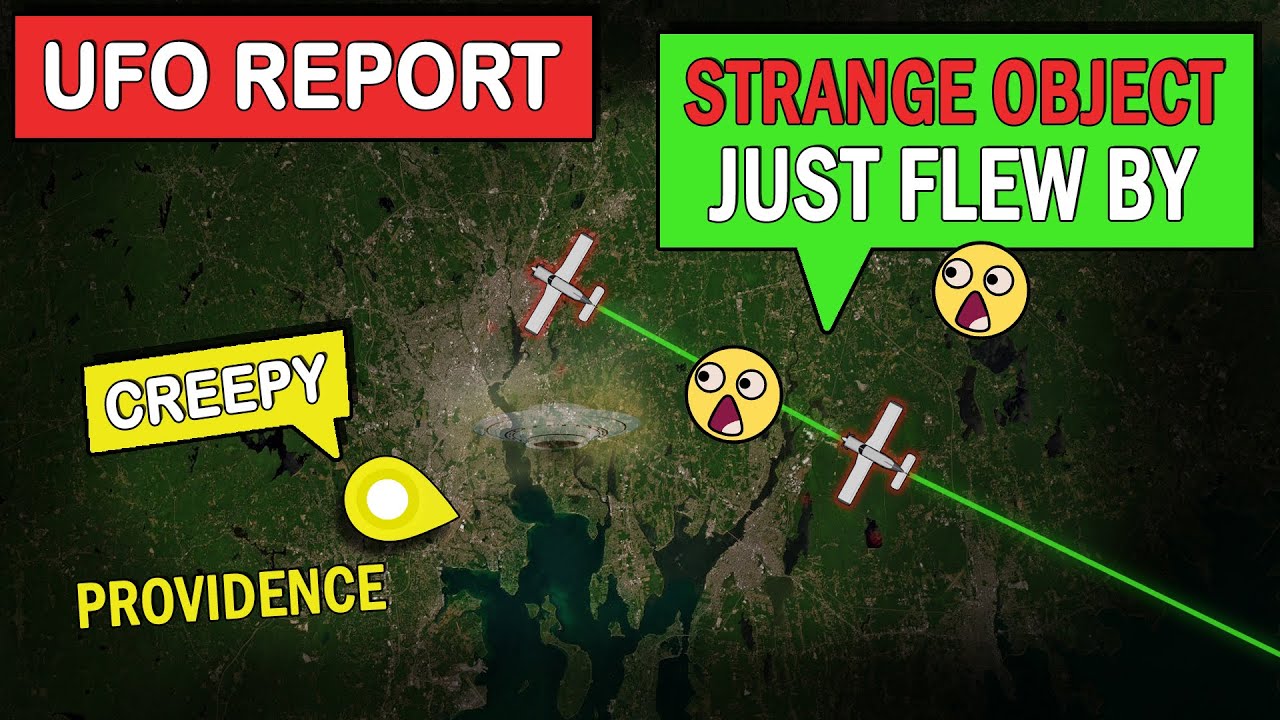
Pilots Don’t Joke About This
At cruising altitude, where the sky thins and the noise falls away, pilots learn to trust what they see—or they don’t survive. That’s what makes this story unsettling. Because when a seasoned pilot radios in fear, it isn’t for attention. It’s because something doesn’t belong up there.
By Shahjehan Khan 9 months ago in Earth
The Net Worth of Volcanoes: Measuring the Value of Earth’s Fiery Giants
Volcanic Land and Agricultural Wealth One of the greatest economic benefits of volcanoes lies in fertile soil. Volcanic ash is rich in minerals such as potassium, phosphorus, magnesium, and calcium. Over time, weathered lava and ash create some of the most productive agricultural lands in the world. Regions near Mount Etna (Italy), Mount Fuji (Japan), Java (Indonesia), and parts of Central America support dense populations because of volcanic soil. Crops such as rice, coffee, tea, bananas, grapes, and sugarcane thrive in these areas. The agricultural value generated by volcanic regions globally is estimated to be hundreds of billions of dollars annually, making fertile volcanic land one of the most valuable long-term assets derived from volcanoes. Mineral and Metal Resources Volcanoes play a major role in forming valuable mineral deposits. Many metals essential to modern industry originate from volcanic or hydrothermal activity. These include: Gold Silver Copper Zinc Nickel Platinum Rare earth elements Volcanic regions are also sources of obsidian, pumice, basalt, and sulfur, which are used in construction, medicine, cosmetics, and industry. Some of the world’s richest mining zones—such as the Andes, the Pacific Ring of Fire, and parts of Africa—exist because of ancient volcanic activity. The estimated global value of volcanic-related mineral reserves runs into trillions of dollars, making volcanoes indirect contributors to global wealth and industrial development. Geothermal Energy: A Renewable Power Source Another major component of a volcano’s net worth is geothermal energy. Heat stored beneath volcanic regions can be harnessed to produce electricity and provide heating with minimal carbon emissions. Countries such as: Iceland Indonesia Philippines New Zealand Kenya generate a significant portion of their electricity from geothermal power. A single large geothermal field associated with volcanic activity can be worth billions of dollars over its operational lifespan due to low fuel costs and long-term energy stability. Globally, geothermal energy from volcanic zones contributes tens of billions of dollars annually to national economies and plays a growing role in clean energy transitions. Tourism and Cultural Value Volcanoes attract millions of tourists each year. Famous volcanoes like Mount Vesuvius, Mount Fuji, Mount Kilimanjaro, Kilauea, and Mount Etna generate enormous tourism revenue through: Guided treks and viewing platforms National parks and museums Cultural festivals and spiritual tourism Local businesses and hospitality Volcanic tourism contributes billions of dollars annually to global tourism. For example, Hawaii’s volcanic landscapes alone generate several billion dollars per year in tourism-related income. In addition to economic value, volcanoes hold deep cultural and spiritual significance, adding intangible value that cannot be measured purely in money. Scientific and Educational Value Volcanoes are natural laboratories that help scientists understand: Earth’s interior Plate tectonics Climate interactions Natural disaster prediction The knowledge gained from volcanic research helps protect lives, improve infrastructure planning, and advance earth sciences. While difficult to quantify, the long-term scientific value of volcanoes is immense and contributes indirectly to global safety and economic stability. Ecosystem and Biodiversity Benefits Although eruptions can temporarily destroy ecosystems, volcanoes also create new land and support unique biodiversity. Volcanic islands such as Hawaii and Iceland are prime examples of life emerging from lava. Over time, volcanic regions develop rich ecosystems that support wildlife, forests, and marine life. These ecosystems provide services such as carbon storage, water regulation, and biodiversity preservation—services valued at billions of dollars globally. The Cost Side: Destruction and Risk While volcanoes generate wealth, they also carry enormous risks. Eruptions can cause: Loss of life Destruction of cities and infrastructure Disruption of air travel Agricultural damage Major eruptions can cause economic losses ranging from millions to tens of billions of dollars. For example, the 2010 Iceland eruption disrupted global aviation, costing the airline industry billions. Therefore, a volcano’s net worth must be viewed as a balance between long-term benefits and potential catastrophic costs. Estimating the Net Worth of Volcanoes When all factors are considered—fertile land, minerals, geothermal energy, tourism, scientific knowledge, and ecosystems—the global net worth of volcanoes collectively can be estimated in the tens of trillions of dollars over long time scales. An individual major volcano, depending on location and utilization, could be valued anywhere from several billion to hundreds of billions of dollars in combined economic and environmental benefits over centuries. Conclusion Volcanoes are far more than symbols of destruction. They are engines of creation, shaping continents, enriching soil, powering cities, and sustaining life. Their true net worth lies not just in money, but in their ability to support agriculture, industry, energy, science, and culture over generations. When measured across time, volcanoes may rank among the most valuable natural assets on Earth—dangerous, powerful, and incredibly rewarding when understood and respected.
By Say the truth 9 months ago in Earth
Bizarre Animals That Actually Exist
There are animals on earth that look like they've come straight out of a nightmare maybe even another planet. One look and you might think these bizarre creatures were a figment of someone's imagination, some fitting for a horror movie but all of these animals are very real!
By Jasmine Aguilar9 months ago in Earth