Nature
Invasive species and ecological disruption
Invasive species often thrive in new environments due to a lack of natural predators, competitors, or diseases that would normally regulate their populations. While some introduced species do not cause harm, others can become invasive, leading to significant ecological, economic, and social consequences. The disruption caused by invasive species can threaten biodiversity, alter ecosystems, and negatively impact human activities such as agriculture and fisheries.
By Badhan Sen2 years ago in Earth
Ocean currents (Gulf Stream, El Niño, La Niña)
These currents play a crucial role in regulating global climate, weather patterns, and marine ecosystems. Among the most significant ocean currents are the Gulf Stream, El Niño, and La Niña. These phenomena influence temperature patterns, precipitation levels, and storm activities worldwide.
By Badhan Sen2 years ago in Earth
Climate zones (tropical, Temperate, polar)
The Earth’s climate is divided into different zones based on latitude, Temperature, and precipitation. These zones influence weather patterns, ecosystems, and human activities. The three primary climate zones are tropical, temperate, and polar. Each of these zones has unique characteristics that define the natural environment and the life forms that inhabit them. Understanding these climate zones is crucial for comprehending the diversity of Earth's ecosystems and how climate change might impact them.
By Badhan Sen2 years ago in Earth
Polar ice caps and Glacial Melt
The melting of polar ice caps and glaciers is one of the most pressing environmental concerns of our time. The ice caps in the Arctic and Antarctic, along with the world’s glaciers, play a critical role in regulating global climate, sea levels, and weather patterns. However, due to rising global temperatures driven by human-induced climate change, these ice masses are melting at an alarming rate. This article explores the causes, consequences, and potential solutions to mitigate the impacts of polar ice cap and glacial melt.
By Badhan Sen2 years ago in Earth
Desertification and drought
Desertification and drought are critical environmental issues that pose significant challenges to ecosystems, agriculture, and human livelihoods worldwide. Desertification refers to the degradation of land in arid, semi-arid, and dry sub-humid areas, primarily due to human activities and climatic variations. Drought, on the other hand, is a prolonged period of insufficient rainfall that leads to water shortages and adversely affects agriculture, water supply, and biodiversity. This article explores the causes, consequences, and potential solutions to these pressing environmental concerns.
By Badhan Sen2 years ago in Earth
Wetlands and mangroves
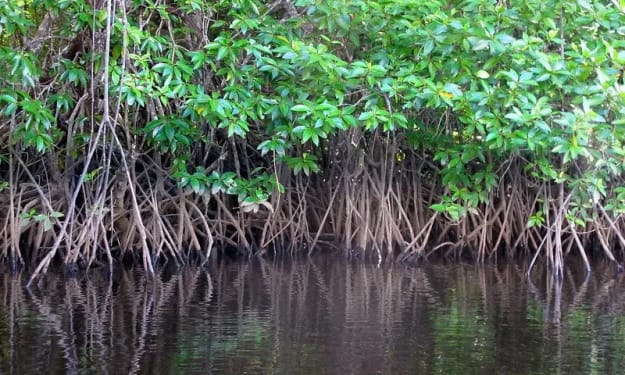
Wetlands and mangroves are two of the most important ecosystems on Earth, providing immense ecological, economic, and social benefits. These environments support biodiversity, protect coastlines, regulate climate, and offer resources essential for human livelihoods. Despite their significance, wetlands and mangroves face threats from human activities, climate change, and pollution. This article explores the characteristics, importance, threats, and conservation efforts related to these vital ecosystems.
By Badhan Sen2 years ago in Earth
Ozone layer depletion
The ozone layer is a crucial part of Earth's atmosphere, shielding life from harmful ultraviolet (UV) radiation. However, human activities have led to the depletion of this protective layer, posing significant environmental and health risks. Understanding the causes, effects, and solutions to ozone layer depletion is essential for mitigating its impact and preserving life on Earth.
By Badhan Sen2 years ago in Earth
Savannas and grasslands
Savannas and grasslands are two of the world’s most fascinating biomes, covering vast areas across continents and supporting an incredible diversity of life. These ecosystems are often characterized by their open landscapes, dominated by grasses with few trees or large shrubs. They play a crucial role in maintaining biodiversity, supporting various species of animals, and serving as key components in the global carbon and water cycles.
By Badhan Sen2 years ago in Earth
Alpine ecosystems
Alpine ecosystems are some of the most fascinating and fragile natural environments on Earth. Found in high-altitude regions above the tree line, these ecosystems are characterized by extreme weather conditions, unique plant and animal life, and vital ecological functions. From the towering peaks of the Himalayas to the majestic Rocky Mountains, alpine ecosystems play a crucial role in biodiversity and climate regulation.
By Badhan Sen2 years ago in Earth
Freshwater ecosystems (lakes, rivers, wetlands)
Freshwater ecosystems are vital components of the Earth's natural environment, providing habitat for diverse species, regulating climate, and supporting human activities. These ecosystems include lakes, rivers, and wetlands, each possessing unique characteristics and ecological functions. Understanding their significance and the challenges they face is crucial for their conservation and sustainable management.
By Badhan Sen2 years ago in Earth
Alpine ecosystems
Alpine ecosystems are some of the most fascinating and fragile natural environments on Earth. Found in high-altitude regions above the tree line, these ecosystems are characterized by extreme weather conditions, unique plant and animal life, and vital ecological functions. From the towering peaks of the Himalayas to the majestic Rocky Mountains, alpine ecosystems play a crucial role in biodiversity and climate regulation.
By Badhan Sen2 years ago in Earth
Endangered species and conservation
Extinction is a natural process, but human-induced threats have escalated the number of species facing this dire situation. The loss of biodiversity, including endangered species, has profound impacts on ecosystems and human societies, making conservation efforts essential for the survival of these species and the preservation of the environment.
By Badhan Sen2 years ago in Earth