
Freshwater ecosystems (lakes, rivers, wetlands)
Freshwater Ecosystems: Lakes, Rivers, and Wetlands

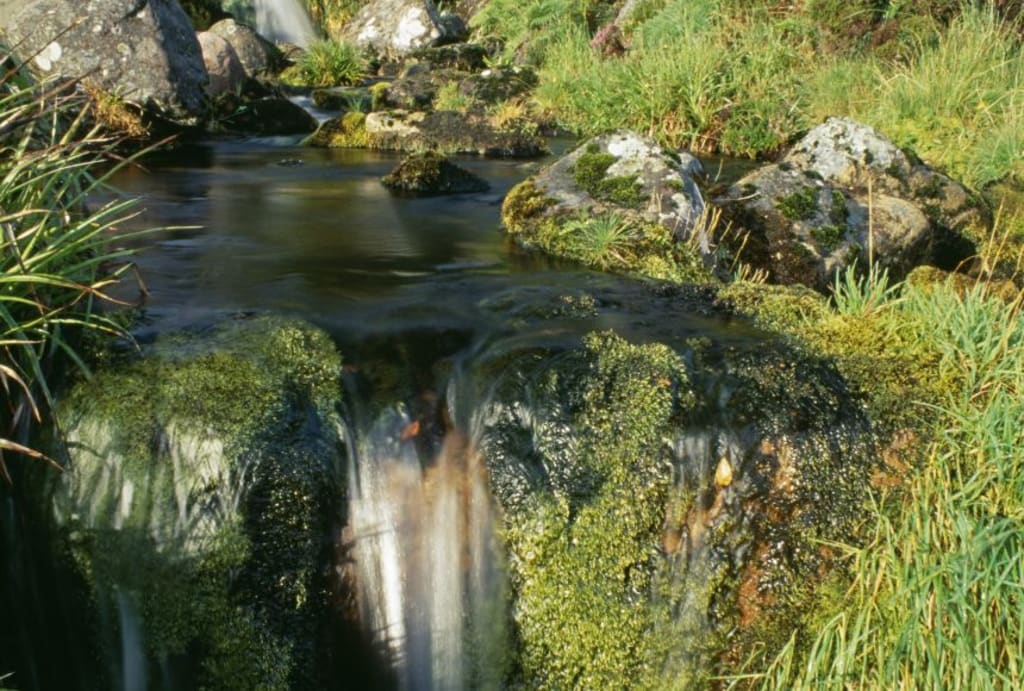
Freshwater ecosystems are vital components of the Earth's natural environment, providing habitat for diverse species, regulating climate, and supporting human activities. These ecosystems include lakes, rivers, and wetlands, each possessing unique characteristics and ecological functions. Understanding their significance and the challenges they face is crucial for their conservation and sustainable management.
Lakes
Lakes are large, inland bodies of water that store freshwater for extended periods. They are typically formed by geological processes such as tectonic movements, glacial activity, or volcanic eruptions. Lakes are classified into different types based on their origin, depth, nutrient levels, and biological productivity.
One major classification is based on nutrient content:
Oligotrophic lakes: These lakes have clear water with low nutrient levels and support limited aquatic life. They are often deep and have high oxygen levels, making them suitable for species like trout.
Eutrophic lakes: Rich in nutrients, these lakes support a high level of plant and animal life but can suffer from excessive algae growth, leading to oxygen depletion.
Mesotrophic lakes: These fall between oligotrophic and eutrophic lakes, having moderate nutrient levels and supporting diverse aquatic species.
Lakes play an essential role in regulating local and regional climates, storing and supplying freshwater, and supporting biodiversity. They are also crucial for human activities, including drinking water supply, agriculture, and recreation. However, pollution, climate change, and over-extraction of water pose significant threats to their health and sustainability.
Rivers
Rivers are dynamic freshwater ecosystems that flow from higher to lower elevations, ultimately joining larger water bodies such as oceans, lakes, or other rivers. They serve as critical pathways for the movement of water, nutrients, and organisms.
Rivers are categorized based on their flow characteristics:
Perennial rivers: These flow continuously throughout the year and are fed by consistent water sources such as glaciers, springs, or underground aquifers.
Intermittent rivers: These flow only during specific times of the year when precipitation or runoff is sufficient.
Ephemeral rivers: These exist only briefly after heavy rainfall and do not have a continuous water supply.
Rivers are home to diverse aquatic life, including fish, amphibians, and invertebrates. They also provide essential ecosystem services such as water purification, flood control, and transportation. However, human interventions such as dam construction, deforestation, pollution, and climate change have led to the degradation of many river systems worldwide. Efforts to restore river health through conservation programs and sustainable water management practices are critical.
Wetlands
Wetlands are transitional ecosystems between terrestrial and aquatic environments, characterized by the presence of standing water or saturated soil for significant periods. They include marshes, swamps, bogs, and fens, each with distinct hydrological and ecological features.
Wetlands are categorized based on water source and vegetation:
Marshes: Dominated by herbaceous plants like reeds and cattails, marshes receive water from surface sources such as rivers and rainfall.
Swamps: Characterized by woody vegetation like trees and shrubs, swamps often form along rivers and lakes.
Bogs: Fed by rainfall and low in nutrients, bogs have acidic conditions that support unique plant life are sphagnum moss.
Fens: Rich in minerals and nutrients, fens receive water from groundwater and support a variety of plant and animal species.
Wetlands provide critical ecosystem services, including flood control, groundwater recharge, water filtration, and habitat for diverse wildlife. They act as natural buffers against extreme weather events and play a significant role in carbon sequestration, mitigating climate change. Unfortunately, wetlands are among the most threatened ecosystems due to drainage for agriculture, urban expansion, and pollution. Conservation initiatives such as wetland restoration, sustainable land-use practices, and legal protections are essential to preserving these ecosystems.
Threats to Freshwater Ecosystems
Despite their importance, freshwater ecosystems face numerous threats:
Pollution: Industrial discharge, agricultural runoff, and plastic waste lead to water contamination, harming aquatic life.
Climate Change: Rising temperatures, altered precipitation patterns, and extreme weather events impact water availability and ecosystem stability.
Overextraction of Water: Excessive withdrawal for agriculture, industry, and domestic use leads to reduced water levels and habitat loss.
Invasive Species: Non-native species disrupt native ecosystems, outcompeting local flora and fauna.
Habitat Destruction: Urbanization, deforestation, and infrastructure development lead to ecosystem fragmentation and biodiversity loss.
Conservation and Sustainable Management
To protect freshwater ecosystems, several conservation strategies are necessary:
Pollution Control: Reducing industrial and agricultural pollutants, improving wastewater treatment, and promoting eco-friendly practices.
Habitat Restoration: Rehabilitating degraded rivers, lakes, and wetlands through afforestation, controlled water flow, and ecological engineering.
Sustainable Water Use: Implementing efficient irrigation methods, reducing water waste, and promoting water conservation initiatives.
Protected Areas: Establishing national parks, wildlife reserves, and wetland sanctuaries to safeguard biodiversity.
Community Engagement: Involving local communities in conservation efforts, educating people about the importance of freshwater ecosystems, and encouraging responsible tourism.
IN THE END
Freshwater ecosystems—lakes, rivers, and wetlands—are fundamental to life on Earth, providing essential resources for humans and wildlife. However, these ecosystems are under increasing pressure from human activities and environmental changes. Protecting and restoring freshwater ecosystems through sustainable management and conservation efforts is crucial for maintaining their ecological integrity and ensuring water security for future generations. By valuing and preserving these natural environments, we contribute to a healthier planet and a more sustainable future.
About the Creator
Badhan Sen
Myself Badhan, I am a professional writer.I like to share some stories with my friends.
Enjoyed the story? Support the Creator.
Subscribe for free to receive all their stories in your feed.
Comments
There are no comments for this story
Be the first to respond and start the conversation.