
Endangered species and conservation
Endangered species refer to animals, plants, or organisms that are at risk of becoming extinct due to a variety of factors, primarily human activities.

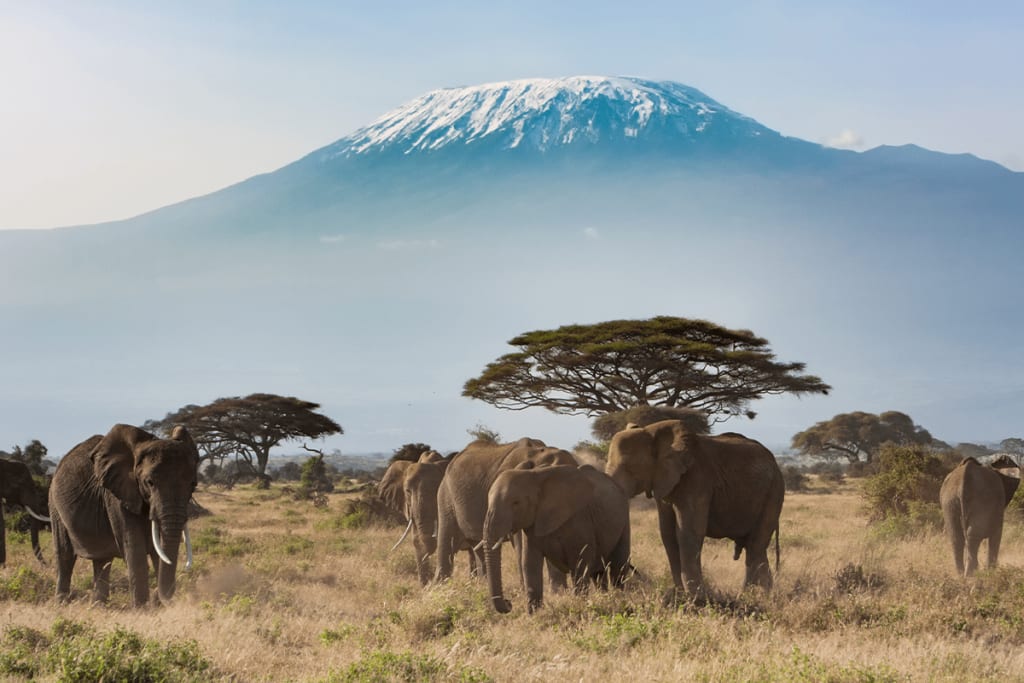
Extinction is a natural process, but human-induced threats have escalated the number of species facing this dire situation. The loss of biodiversity, including endangered species, has profound impacts on ecosystems and human societies, making conservation efforts essential for the survival of these species and the preservation of the environment.
Causes of Endangerment
The main causes of species endangerment are habitat destruction, climate change, poaching, pollution, invasive species, and overhunting.
Habitat Destruction: One of the most significant threats to wildlife is the loss of natural habitats. Deforestation, urbanization, agricultural expansion, and infrastructure development have resulted in the destruction and fragmentation of ecosystems that many species rely on for survival. When habitats are destroyed, species lose their food sources, breeding grounds, and shelter, leading to population declines.
Climate Change: Global climate change has altered ecosystems, affecting weather patterns, sea levels, and temperatures. Many species struggle to adapt to these changes, especially those with specific environmental needs. Rising temperatures and extreme weather events can disrupt breeding cycles, food availability, and migration patterns.
Poaching and Overhunting: Illegal hunting and poaching are significant threats to many species, especially those with valuable body parts such as ivory, skins, or horns. Overhunting depletes wildlife populations faster than they can reproduce, driving species to the brink of extinction.
Pollution: Pollution from industrial activities, agriculture, and urban areas contaminates air, water, and soil, harming wildlife. Toxic substances such as pesticides, heavy metals, and plastic waste can poison species, disrupt their reproductive systems, and reduce their ability to survive in their natural environment.
Invasive Species: The introduction of non-native species into new environments can have devastating effects on local wildlife. Invasive species often outcompete native species for resources, introduce diseases, and disrupt the balance of ecosystems.
Overfishing: Overfishing depletes marine species, causing imbalances in ocean ecosystems. Fish populations and other marine life face threats from excessive fishing, which disrupts the food chain and endangers vulnerable species.
Importance of Conservation
Conservation efforts aim to prevent the extinction of endangered species by protecting their habitats, mitigating human impacts, and implementing strategies for population recovery. The importance of conservation extends beyond the survival of individual species; it has significant ecological, economic, and cultural benefits.
Ecological Balance: Every species plays a unique role in its ecosystem, contributing to the health and balance of the environment. The loss of one species can have a cascading effect on others. For example, the extinction of predators can result in the overpopulation of prey species, which can lead to overgrazing, habitat degradation, and the decline of plant species. Protecting endangered species helps maintain the integrity of ecosystems and the services they provide.
Medicinal and Scientific Value: Many species hold untapped potential for medical discoveries. For example, some plants and animals possess unique chemical compounds that have been used in pharmaceuticals. The extinction of species limits opportunities for future scientific and medical advancements.
Economic Value: Biodiversity contributes to various industries, including agriculture, tourism, and fishing. Species such as pollinators, like bees, play a critical role in agriculture by aiding in crop pollination. Ecotourism, which involves wildlife observation and conservation efforts, generates billions of dollars in revenue worldwide. Without conservation, these economic opportunities may diminish.
Cultural Significance: Many cultures have strong ties to specific animals and plants. From sacred animals to traditional practices, wildlife plays a central role in human heritage. Protecting endangered species also helps preserve cultural values and traditions tied to the natural world.
Conservation Efforts
There are numerous efforts underway to protect endangered species, ranging from local initiatives to global collaborations. These efforts include habitat preservation, legal protections, breeding programs, and public education campaigns.
Protected Areas: National parks, wildlife reserves, and marine protected areas are essential tools for conserving habitats and protecting species from human encroachment. These areas provide safe spaces where wildlife can thrive without the threat of habitat destruction, poaching, or pollution.
Legislation and Policy: Many countries have passed laws that protect endangered species, such as the Endangered Species Act in the United States. These laws regulate hunting, trade, and habitat destruction, offering legal safeguards for vulnerable species. International agreements, such as the Convention on International Trade in Endangered Species of Wild Fauna and Flora (CITES), aim to reduce illegal wildlife trade.
Captive Breeding and Reintroduction Programs: Some species, particularly those with critically low populations, benefit from captive breeding programs that aim to increase their numbers in controlled environments. These programs are often followed by reintroduction efforts to return species to their natural habitats.
Awareness and Education: Public education campaigns play a vital role in raising awareness about endangered species and the importance of conservation. By educating people about the issues facing wildlife and encouraging sustainable practices, conservationists can build public support for efforts to protect endangered species.
IN THE END
Endangered species face numerous challenges, many of which are a result of human activity. Conservation efforts are essential to prevent the loss of biodiversity and to protect the health of ecosystems. By protecting endangered species, we are not only safeguarding the natural world but also ensuring a better future for ourselves and generations to come. Through collective action, sustainable practices, and a deeper understanding of the interconnections between humans and nature, we can contribute to the preservation of our planet’s rich biodiversity.
About the Creator
Badhan Sen
Myself Badhan, I am a professional writer.I like to share some stories with my friends.
Enjoyed the story? Support the Creator.
Subscribe for free to receive all their stories in your feed.
Comments
There are no comments for this story
Be the first to respond and start the conversation.