Nature
Roaring to Survive: The Secret Life of Lions
Lions are one of the most iconic animals in the world, revered for their raw power and majestic presence. But beyond their physical appearance, lions are also fascinating creatures with complex social structures and behavior patterns. In this article, we will explore the secret life of lions and how they have adapted to survive in their harsh environments.
By Ayaanahamed3 years ago in Earth
The King of the Jungle.
Lions are one of the most iconic animals in the world and have long been known as the King of the Jungle. These majestic creatures are the second-largest cats in the world, after tigers. They are known for their beautiful manes and fierce hunting skills, making them a popular subject for wildlife documentaries and films.
By Ayaanahamed3 years ago in Earth
Amazing facts about sloths
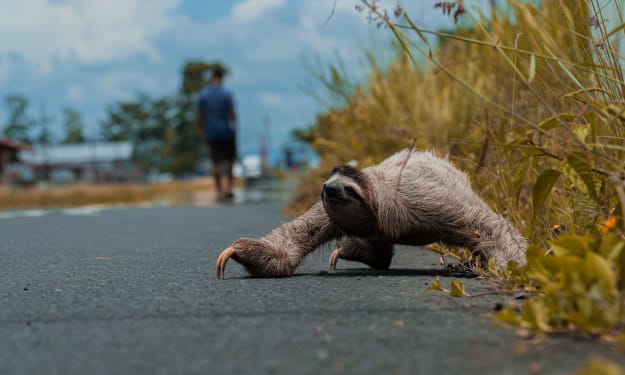
In the tropical forests of Central and South America is where sloths make their home. They bear resemblance to monkeys with their lengthy arms and shaggy fur, but in actuality, they are related to armadillos and anteaters. Their length ranges from 2 to 2.5 feet (0.6 to 0.8 meters), and their weight can vary from 8 to 17 pounds (3.6 to 7.7 kilograms), depending on the species.
By Abubeker Kedir3 years ago in Earth
How Dinosaurs Might Have Changed If They Had Survived
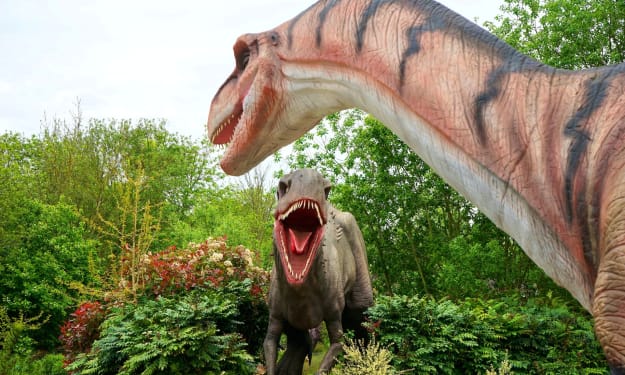
Dinosaurs would have remained the dominant species if the infamous asteroid that killed off the dinosaurs had slightly altered its route. For them, evolution would have taken a different course. Humans may not have evolved to be at the top of the food chain during those millions of years. We would have to compete with dinosaurs if they had evolved at the same rate as humans. But how hazardous would they be to humans, and what would they look like?
By Althea March3 years ago in Earth
BEES Being Extremely Essential for the ecoSystem
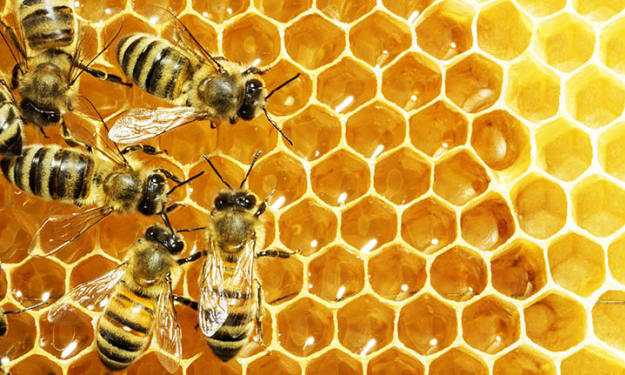
Bees are small, but they play a huge role in maintaining the ecosystem. They are responsible for pollinating approximately 75% of the world's crops, including fruits, vegetables, and nuts. Bees also pollinate flowers that provide food and habitats for other wildlife, making them an essential part of the natural environment. The relevance of bees for the ecosystem is therefore undeniable.
By Neusa Moreno3 years ago in Earth
How Dinosaurs Could Have Evolved If They Never Went Extinct
It's unfortunate that we haven't learned more about some of the most amazing creatures that have ever inhabited the Earth. We won't be able to have Jurassic Park, where we can see some of the coolest creatures come to life, but we already live with some dinosaur-related species, such as crocodiles and sharks, which haven't changed much since they first appeared millions of years ago. However, most dinosaurs perished when asteroids struck Earth; in a sense, the asteroid served as a giant reset button for the planet for some of those dinosaurs to embark on a new path in life and transform into some Modern animals we know today, they had to change their diet and adapt to the new changes. If the asteroid had changed its course just a little, dinosaurs would have remained the dominant species. What would have happened if dinosaurs had persisted? Well, evolution would have unfolded differently in the first place if dinosaurs had evolved in the same way that humans did, then we would have to compete with them. There are several species of humans, but Homo sapiens, usually known as us, is the most common.
By ABDULLAH ALI3 years ago in Earth
Beauty Of Pakistan
Pakistan is a country known for its rich cultural heritage, historical landmarks, and stunning natural beauty. The country is located in South Asia and is home to diverse landscapes that range from the snow-capped peaks of the Himalayas to the beautiful beaches of the Arabian Sea. The natural beauty of Pakistan is unparalleled, and in this article, we will explore the breathtaking landscapes, cultural diversity, and tourism potential of Pakistan.
By Abdullah Altaf3 years ago in Earth
Unsolved Mysteries of the 21st Century
The Frigid land of Antarctica is the coldest and most inhospitable continent in the world. It stretches over 5 million square miles and is covered in ice sheets that breach more than a mile deep. The average daily temperature is negative 49 degrees Fahrenheit and wind speeds can reach over 100 miles per hour. There are only scientists who work in research stations scattered across the continent, mainstream geologists have long believed that ancient humans never settled on Antarctica because of its hostile climate.
By Beulah Francis3 years ago in Earth
The Life and Habits of an Elegator
The American Alligator, also known as a crocodile, is a fascinating reptile that has captured people's imaginations for centuries. This large, predatory animal is native to Southeast America and is found in a variety of aquatic environments, including rivers, swamps, and marshes.
By noman dhudhi3 years ago in Earth