Nature
The largest creatures to have ever lived and their size records
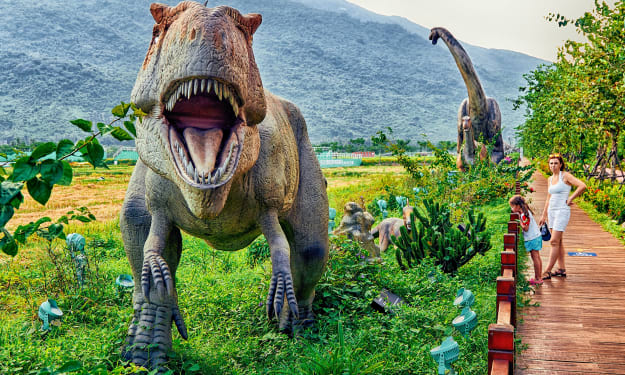
Elephants and giraffes come to mind when you think of large animals, but those aren't the biggest animals to have ever roamed the earth. Others could grow to enormous sizes because of certain characteristics. A farmer who was taking care of his livestock discovered the first Argentinosaurus fossils when he came across a sizable leg bone. One of the biggest carnivorous dinosaurs known to science is the Spinosaurus. But are there any living giants today?
By Althea March3 years ago in Earth
What Would a Trip to the Mariana Trench Be Like?
What Would a Trip to the Mariana Trench Be Like? The Mariana Trench is the deepest known point in the world's oceans, reaching a depth of nearly 11 kilometers (7 miles) below sea level. This makes it an incredibly remote and inhospitable environment, with intense pressure, extreme cold, and complete darkness. However, despite these challenges, there has been increasing interest in exploring the depths of the Mariana Trench and learning more about the unique creatures that call it home. So, what would a trip to the Mariana Trench be like? Let's find out.
By Daniel Ellison3 years ago in Earth
Why the Atlantic and Pacific Oceans Don't Mix
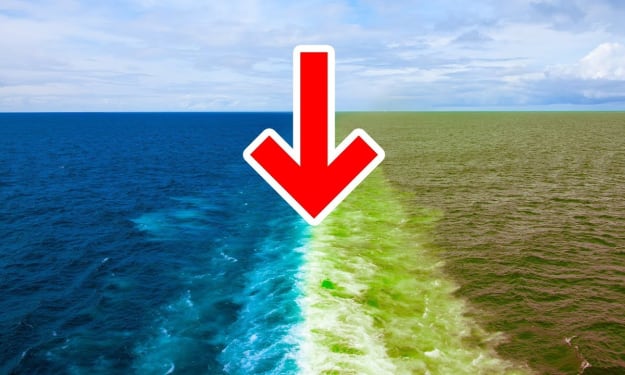
The Atlantic and Pacific Oceans are two of the largest bodies of water on Earth, covering more than 200 million square kilometers combined. Despite their size and proximity to each other, these two oceans do not mix, and the reasons why are fascinating.
By Daniel Ellison3 years ago in Earth
Common Goldfish Diseases and How to Treat Them.
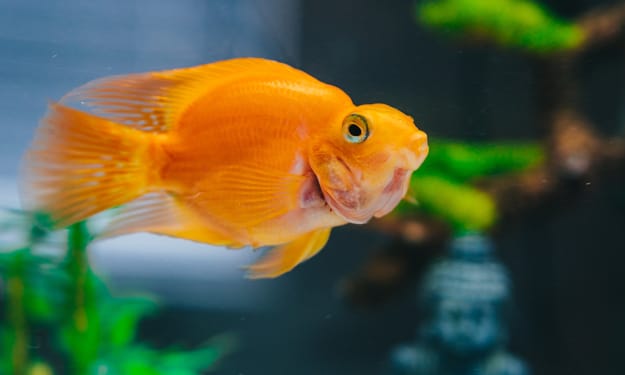
Goldfish are a popular and beloved pet for many people around the world. These beautiful and graceful creatures are not only easy to care for, but they are also relatively hardy and resilient. However, like all living creatures, goldfish are susceptible to various diseases and health problems. In this article, we will discuss some of the most common goldfish diseases and how to treat them. Swim bladder disorder Swim bladder disorder is a common condition that affects many goldfish. The swim bladder is an organ located in the fish's abdomen that helps it regulate buoyancy and control its movements in the water. When this organ becomes damaged or infected, the fish can have difficulty swimming and staying upright. Some common symptoms of swim bladder disorder include floating to the surface or sinking to the bottom of the tank, difficulty swimming or staying upright, and loss of appetite. Treatment: There is no specific cure for swim bladder disorder, but there are a few things you can do to help your goldfish recover. One of the most important things you can do is to ensure that the water in the tank is clean and well-maintained. You can also try feeding your goldfish small meals throughout the day instead of one large meal to help prevent overeating, which can contribute to swim bladder disorder. Ich Ich is a parasitic disease that affects many different types of fish, including goldfish. It is caused by a small, white, ciliated parasite called Ichthyophthirius multifiliis. The parasite attaches itself to the fish's skin and gills, causing irritation and discomfort. Some common symptoms of Ich include white spots on the fish's body and fins, lethargy, loss of appetite, and rapid breathing. Treatment: There are several different medications available that can be used to treat Ich. These medications are typically added to the water in the tank and work by killing the parasites. It's important to follow the instructions on the medication carefully, as some medications can be harmful to certain types of fish or plants. You should also remove any carbon from the filter before adding the medication, as carbon can absorb the medication and render it ineffective. Fin rot Fin rot is a bacterial infection that can affect the fins and tail of goldfish. It is typically caused by poor water quality or stress, which can weaken the fish's immune system and make it more susceptible to infection. Some common symptoms of fin rot include ragged or frayed fins, discoloration, and loss of fin tissue. Treatment: To treat fin rot, you should first address the underlying cause of the infection by improving the water quality in the tank and reducing any sources of stress for the fish. You can also add aquarium salt to the water to help prevent the spread of the infection. In severe cases, antibiotics may be necessary to help clear up the infection. Dropsy Dropsy is a serious condition that can affect goldfish and other types of fish. It is typically caused by a bacterial infection that affects the fish's internal organs, causing them to swell and become inflamed. Some common symptoms of dropsy include a swollen abdomen, protruding scales, and lethargy. Treatment: Unfortunately, dropsy is a difficult condition to treat, and many fish do not survive. If caught early enough, antibiotics may be effective in treating the infection and reducing the swelling. However, in many cases, the best course of action may be to euthanize the fish to prevent further suffering. Velvet disease Velvet disease is a parasitic infection that affects the skin and gills of goldfish. It is caused by a small, yellow-green parasite called Oodinium pillularis. Some common symptoms of velvet disease include a yellow or gold dust-like coating on the fish's skin
By Mr Royal Honey 3 years ago in Earth
Goldfish Myths and Misconceptions Debunked.
Goldfish are one of the most popular types of aquarium fish, and have been kept as pets for centuries. Despite their popularity, there are several myths and misconceptions about goldfish that persist. In this article, we will debunk some of the most common goldfish myths. Myth #1: Goldfish can live in small bowls One of the most persistent myths about goldfish is that they can live happily in small bowls. In reality, goldfish require a lot of space to swim and grow, and they produce a lot of waste. A small bowl does not provide enough space or filtration to keep a goldfish healthy. Goldfish should be kept in a tank that is at least 20 gallons, with a filtration system that is rated for the size of the tank. The tank should also be cycled, meaning that beneficial bacteria have had time to establish themselves and break down waste products. Myth #2: Goldfish have a three-second memory Another common myth about goldfish is that they have a memory span of only three seconds. This myth is simply not true. Goldfish have been shown to have a memory span of several months, and they are capable of learning and remembering complex tasks. In fact, goldfish have been trained to perform tricks and recognize their owners. They can also learn to associate certain behaviors with food, such as swimming to the surface when their owner approaches the tank. Myth #3: Goldfish are a low-maintenance pet Goldfish are often touted as a low-maintenance pet, but this is not entirely true. While goldfish may not require as much attention as some other pets, they still require regular care and attention. Goldfish tanks need to be cleaned regularly to remove excess waste and maintain water quality. The water temperature also needs to be kept within a certain range, and the pH levels need to be monitored to ensure that they are suitable for goldfish. Myth #4: Goldfish can live on a diet of flakes While goldfish can certainly survive on a diet of flakes, this is not the most nutritious or healthy option for them. Goldfish require a varied diet that includes both plant and animal matter. In addition to flakes, goldfish should be fed a variety of foods, such as pellets, frozen or live foods, and vegetables. This will provide them with a balanced diet and ensure that they receive all of the nutrients they need to stay healthy. Myth #5: Goldfish are a short-lived pet Goldfish are often thought of as a short-lived pet, but this is not necessarily true. While some goldfish may only live for a few years, others can live for up to 20 years or more with proper care. The lifespan of a goldfish depends on several factors, including their genetics, environment, and diet. By providing your goldfish with a suitable environment and a balanced diet, you can help to ensure that they live a long and healthy life. Myth #6: Goldfish can be kept with any other fish Goldfish are often considered a beginner fish, and many people assume that they can be kept with any other fish. However, this is not always the case. Goldfish can be aggressive towards other fish, especially those with long fins. They also produce a lot of waste, which can lead to water quality issues in a tank with other fish. If you want to keep goldfish with other fish, it is important to choose compatible species that can tolerate the same water conditions and do not pose a threat to each other. In conclusion, goldfish are a popular and fascinating pet, but there are several myths and misconceptions about them that persist. By understanding the truth about goldfish and providing them with the care they need, you can ensure that they live a long and healthy
By Mr Royal Honey 3 years ago in Earth
The Importance of Proper Goldfish Nutrition and Feeding.
Goldfish are among the most popular fish species for aquariums and backyard ponds, known for their bright colors, playful personalities, and hardy nature. However, like any living creature, goldfish require proper nutrition and feeding to thrive and maintain optimal health. In this article, we will discuss the importance of proper goldfish nutrition and feeding, as well as some tips for ensuring your goldfish receive the nutrients they need to flourish. The Basics of Goldfish Nutrition Goldfish are omnivorous, meaning they require a balanced diet that includes both plant and animal-based foods. In the wild, goldfish feed on a variety of foods, including algae, plants, small insects, and crustaceans. In captivity, goldfish can be fed a variety of foods, including commercial pellets, flakes, and frozen or live foods.
By Mr Royal Honey 3 years ago in Earth
THINGS TO KNOW ABOUT THE GIANT CREATURES THAT EXISTED
I'm going to share with you some of the largest and most impressive animals that have ever lived on Earth. The Argentinosaurus was one of these creatures, and scientists believe it was one of the largest land animals in existence. It had a length of up to 100 feet and a weight of up to 100 tons. This giant leg bone was found by a farmer while tending his cattle, and this is how the first fossils of the Argentinosaurus were discovered.
By Chidi Kalu Ekeh3 years ago in Earth
The Devastating Impact of Wildfires: Causes, Effects, and Prevention
Wildfires have been a growing concern for many countries around the world, causing widespread destruction and loss of life. These natural disasters have been occurring with increasing frequency and intensity, and their impact on the environment, economy, and human life is devastating. In this article, we will explore the causes and effects of wildfires, as well as examine the measures that can be taken to prevent and mitigate their impact.
By Abdullah Yousuf3 years ago in Earth
The beautiful side of life
Life is the most precious gift of God. Life is full of treasures. Life is any system capable of reproducing, excreting, moving, and growing. Lie is abundant, a place on earth that is beautiful and needs to be taken care of. You are created to create something for yourself. One should extend happiness to others. There are so many challenges in life which makes us judge and know the beauty of life. Life is essential for a flourishing ecosystem. Know that life is all about learning.
By Zainab Baba3 years ago in Earth
The Life and Habits of a Dog
Dogs are one of the most beloved pets in the world, with their loyalty, intelligence, and cute nature. Dog age and behavior can vary depending on the breed, age, and individual personality. In this article, we will explore various aspects of a dog's life, including nutrition, exercise, sleep, and socialization.
By noman dhudhi3 years ago in Earth
Beauty Of Nature
Nature's Beauty: A Source of Inspiration and Wonder The natural world is a thing of beauty that inspires awe and wonder in those who take the time to appreciate it. From the majesty of a towering mountain range to the delicate intricacy of a flower petal, nature's beauty is a constant reminder of the wonder and complexity of the universe we inhabit. In this article, we will explore the many facets of nature's beauty and examine how it can be a source of inspiration and wonder for all of us.
By Shilpa Rawade3 years ago in Earth