
The Wichita Massacre: The Night Random Evil Walked Into a Home
In December 2000, the city of Wichita, Kansas, stopped feeling safe.

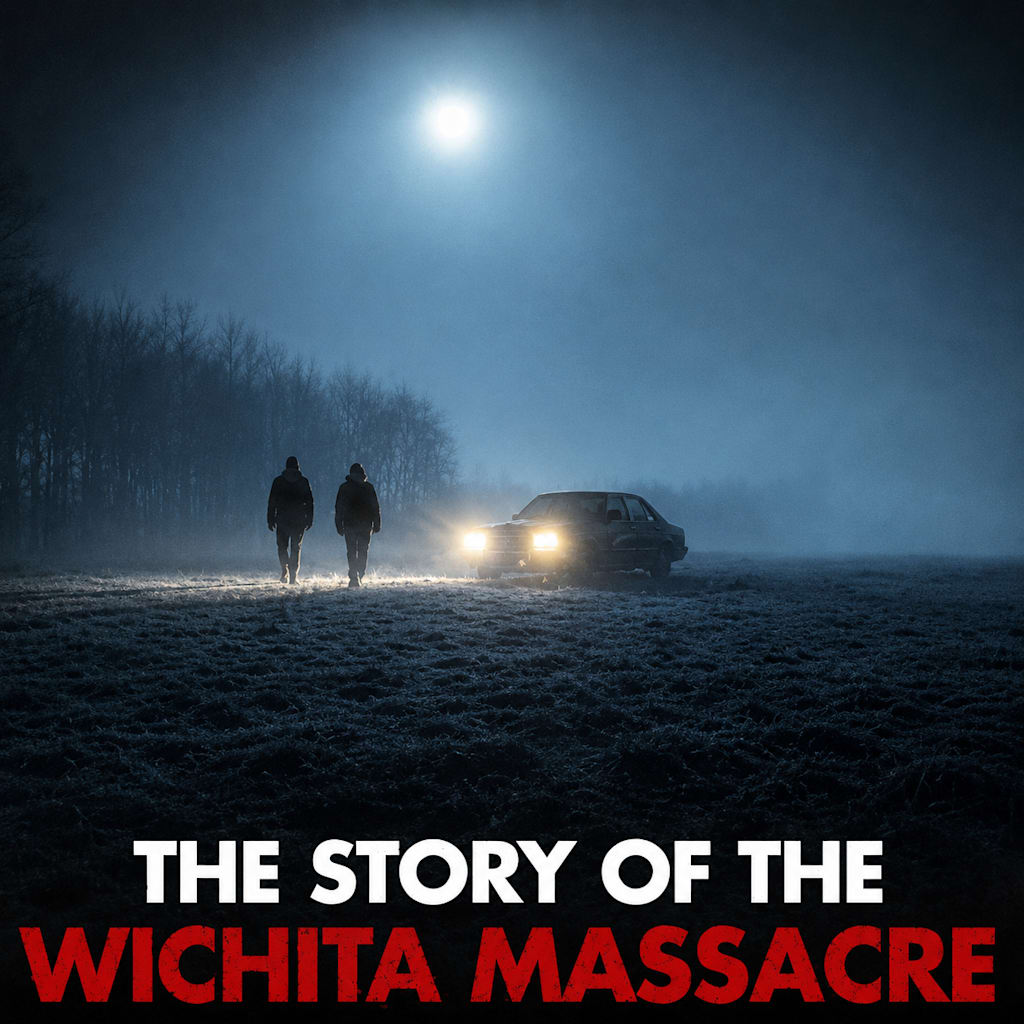
People bought guns. Extra locks. Alarm systems. Neighbors who had never spoken before suddenly left porch lights on all night and checked windows twice before bed. Because what happened that winter wasn’t just murder. It was random. And random violence terrifies people more than anything else. The crime later became known as the Wichita Massacre — a home invasion so brutal, degrading, and psychologically horrifying that even seasoned investigators struggled to discuss it publicly. Two brothers, Reginald Carr and Jonathan Carr, turned an ordinary gathering of friends into one of the most infamous murder sprees in American criminal history. What made the case unforgettable wasn’t only the killings. It was the helplessness. The victims were ordinary people doing ordinary things inside a quiet suburban house — laughing, talking, planning futures they would never live long enough to see. And then the front door exploded open.
A City Already Under Attack The massacre didn’t begin on the night of December 14. Days earlier, the Carr brothers had already started a violent spree across Wichita. Prosecutors later described the attacks as escalating rapidly — from robbery to torture to execution. A baseball coach was robbed and shot. A local musician named Ann Walenta was gunned down after trying to escape from her car. She later died from complications caused by her injuries. Police didn’t yet realize a nightmare was unfolding across the city. Then came Birchwood Drive.
The House They Chose at Random Inside the home that night were five young adults: • Brad Heyka • Heather Muller • Aaron Sander • Jason Befort • And a woman publicly identified only as “Holly G.” They were educated, middle-class, ordinary people in their twenties. Teachers. Friends. Couples. The kind of people readers instantly imagine themselves becoming. The Carr brothers reportedly selected the house almost randomly. That detail became one of the most psychologically disturbing parts of the case. There was no personal revenge. No stalking. No warning signs. Wrong place. Wrong night. That was enough.
Hours of Terror The invasion quickly became something far worse than robbery. The victims were forced to strip naked. They were bound and terrorized while the attackers searched the house for valuables. The cruelty escalated hour by hour into systematic humiliation and sexual violence. Prosecutors later described repeated assaults, rapes, and forced sexual acts carried out under gunpoint. This wasn’t chaotic violence. It was controlled. Deliberate. That is what makes the details so horrifying even decades later. One moment from the case still devastates people who study it. During the robbery, the attackers found an engagement ring hidden inside a popcorn container. Holly learned in that instant that Jason Befort had planned to propose to her. Imagine discovering the happiest moment of your life in the middle of a nightmare. Then realizing you may never survive to see tomorrow.
The Ride Into the Frozen Darkness The victims were eventually marched out of the house and forced into a truck. But the horror still wasn’t over. The Carr brothers drove them around Wichita, forcing withdrawals from ATMs while the victims remained naked, terrified, and under armed control. Every stop must have felt like a chance someone might notice. No one did. Finally, they were taken to the snowy grounds of the Stryker Soccer Complex on the outskirts of the city. There, in freezing darkness, the five victims were lined up and shot execution-style in the backs of their heads. Then came another act of cruelty investigators would never forget. The attackers drove the truck over the bodies before leaving the scene. Four victims died in the snow. But one woman was still breathing.
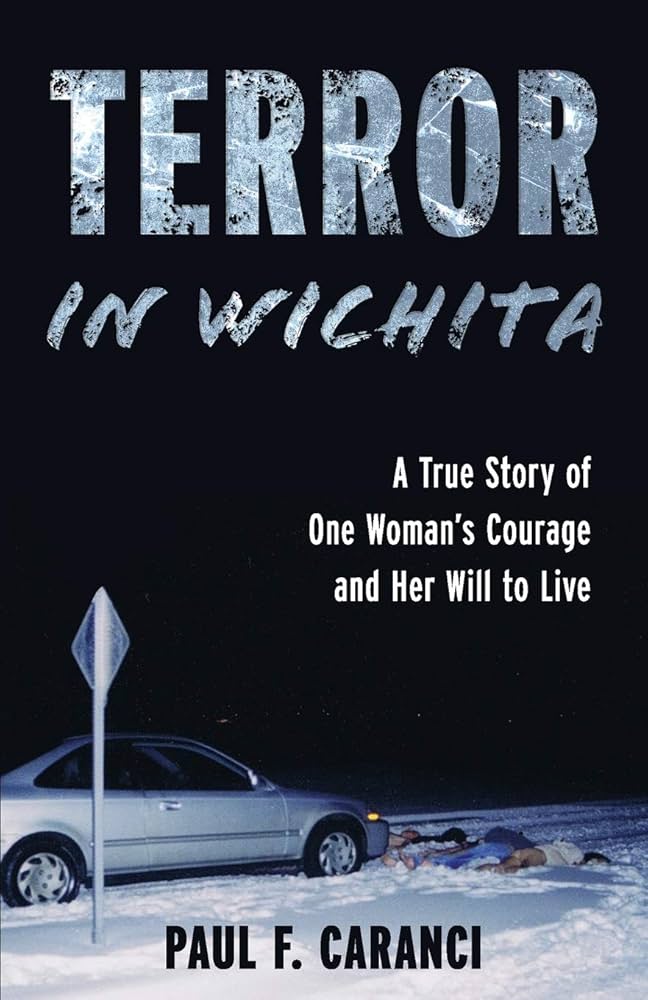
The Survivor Who Walked Out of A Living Nightmare “Holly G.” survived because a plastic hair barrette deflected the bullet that should have killed her. Wounded, naked, barefoot, and bleeding in freezing December temperatures, she walked more than a mile searching for help. Every second could have killed her from exposure or blood loss. Yet she kept moving. People later became fascinated by the physical miracle of her survival, but the deeper horror was psychological. She had just watched friends executed beside her. She believed her boyfriend was dead. She had endured hours of torture and degradation. And somehow she still found the strength to survive. Before receiving medical treatment, she reportedly focused on giving police descriptions of the attackers. That testimony helped end the spree. The Carr brothers were arrested the next day.

Why the Wichita Massacre Still Haunts People There are crimes that horrify. Then there are crimes that infect the imagination. The Wichita Massacre belongs to the second category. Because readers place themselves inside that house almost instantly. You imagine hearing glass break downstairs. You imagine your friends panicking. You imagine hoping the intruders only want money. Then realizing the night is becoming something else entirely. That psychological progression — confusion turning into terror, terror turning into hopelessness — is why this case still circulates through true crime communities decades later. Even Reddit users discussing the case years afterward described it as one of the few crimes they “couldn’t stop thinking about.” The randomness is the key. People cope with evil by creating distance from it. It couldn’t happen to me. But Wichita destroyed that illusion. Those victims weren’t involved in dangerous lifestyles. They weren’t connected to gangs or organized crime. They were simply home. And home is supposed to be safe.
The Legacy of Fear The Carr brothers were ultimately convicted on numerous counts including murder, rape, kidnapping, and robbery. Both received death sentences after years of appeals and legal battles that eventually reached the U.S. Supreme Court. But for Wichita residents, the legal outcome never erased the memory. The massacre permanently altered the city’s sense of security. According to reports, sales of guns, locks, and security systems surged afterward as fear spread across the community. Because once people realize evil can arrive without warning… they never sleep quite the same again.
About the Creator
E. hasan
An aspiring engineer who once wanted to be a writer .
Enjoyed the story? Support the Creator.
Subscribe for free to receive all their stories in your feed.
Comments
There are no comments for this story
Be the first to respond and start the conversation.