
The Toolbox Killers: The Tape That Broke Courtrooms
California, 1979.

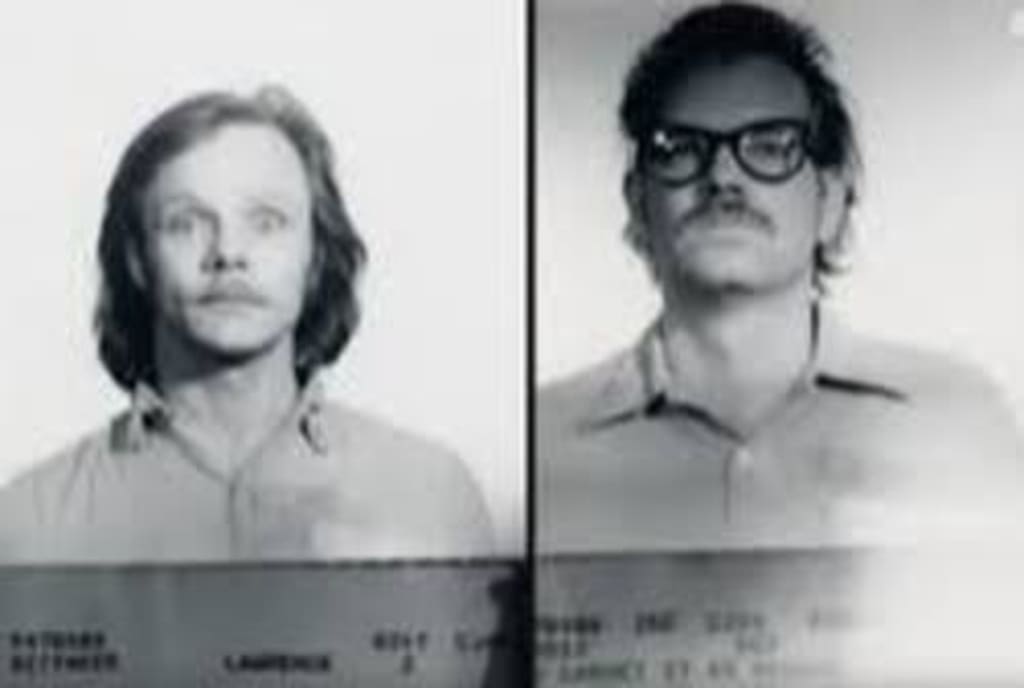
The beaches were crowded. Neon signs glowed across Los Angeles. Teenagers hitchhiked along highways believing danger was something that happened to other people. Then two men turned Southern California into a slaughterhouse. Their names were Lawrence Bittaker and Roy Norris — two predators whose crimes became so horrifying that veteran detectives reportedly broke down listening to the evidence. History would remember them as The Toolbox Killers. Not because they used guns. But because they used tools. Hammers. Pliers. Ice picks. Screwdrivers. Objects meant for garages and repair shops became instruments of torture inside a windowless van prowling California streets at night. And somewhere in the darkness of those crimes, they created one of the most disturbing recordings in criminal history: A tape capturing a teenage girl begging for her life.
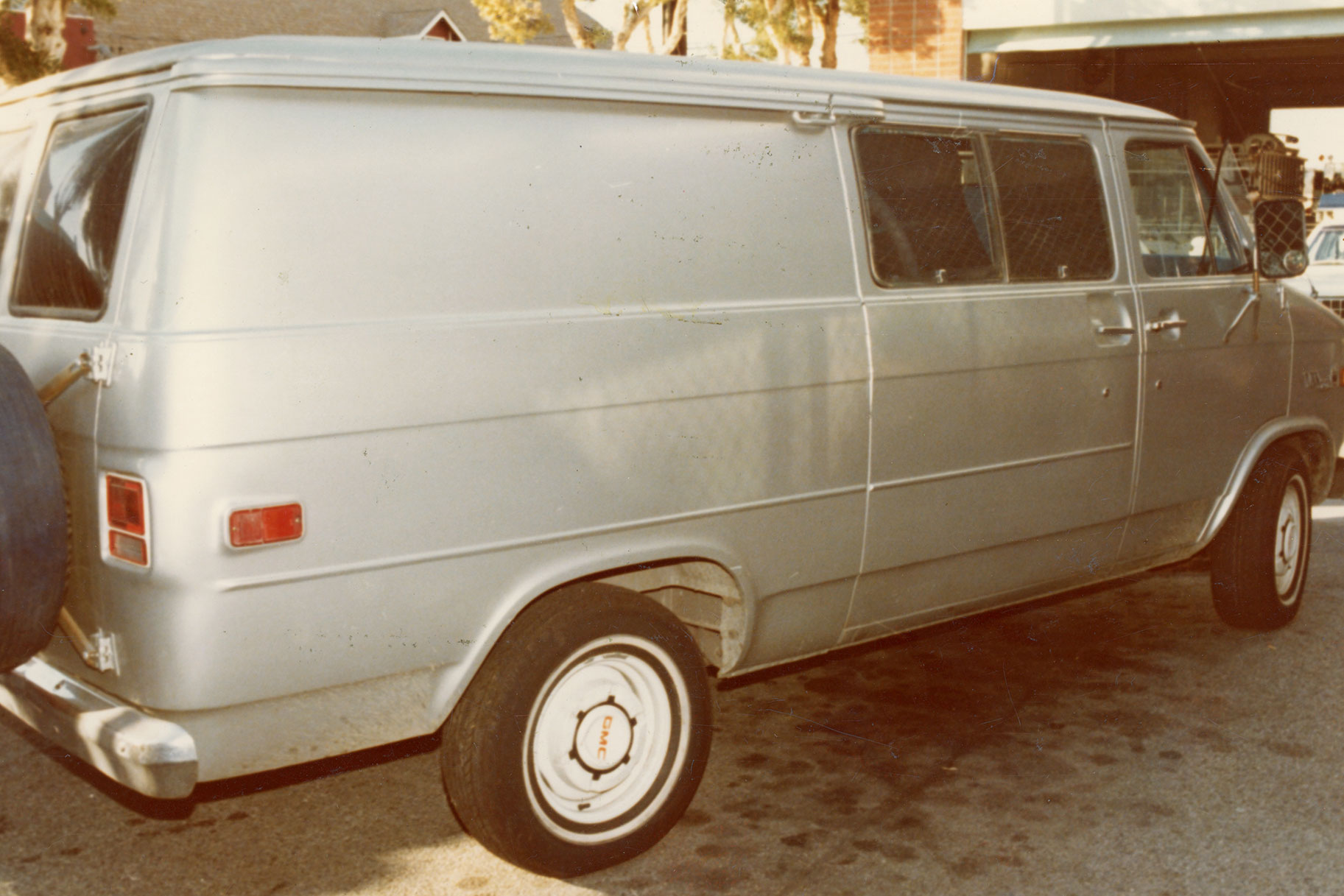
Two Men Who Found Each Other in Hell Before they became infamous serial killers, Lawrence Bittaker and Roy Norris were already violent criminals shaped by years of brutality, prison time, and escalating sexual violence. Lawrence Bittaker had spent much of his life in and out of correctional facilities for burglary, assault, and violent offenses. He was intelligent, manipulative, and terrifyingly calm. Roy Norris carried his own history of rape and violent crime. He later admitted that prison warped him psychologically, feeding fantasies of domination and torture. The two met while incarcerated in California prisons during the 1970s. It was the beginning of something monstrous. Investigators later discovered the pair spent countless hours discussing rape, abduction, and murder. Their conversations evolved into planning sessions. By the time they were released, they were no longer fantasizing. They were preparing. Together, they purchased a silver GMC cargo van. They nicknamed it “Murder Mac.” Inside, they modified it for captivity — curtains over windows, hidden interiors, and enough isolation to ensure nobody outside could hear screaming. That van became a mobile torture chamber.
Hunting Teenage Girls During the summer of 1979, Bittaker and Norris began hunting along Southern California highways. Their preferred victims were teenage girls. Young. Alone. Easy to overpower. They prowled bus stops, beaches, parking lots, and hitchhiking routes searching for vulnerable targets. Sometimes they offered rides. Other times they used threats. Once the girls entered the van, escape became nearly impossible. Investigators eventually linked them to the murders of at least five victims: • Lucinda Schaefer, 16 • Andrea Hall, 18 • Jacqueline Gilliam, 15 • Leah Lamp, 13 • Shirley Ledford, 16 Some bodies were found discarded in remote mountain areas. Others were mutilated so severely that investigators struggled to process the scenes. The cruelty escalated with every attack. The killers used tools to inflict prolonged suffering because, according to testimony later presented in court, they enjoyed hearing fear and pain. Victims were beaten, raped, tortured, and murdered slowly. This was not impulsive violence. It was ritualized sadism. Every crime became more extreme than the last. And eventually, even torture was no longer enough. They wanted souvenirs. They wanted recordings.
Halloween Night October 31, 1979. Halloween. Sixteen-year-old Shirley Ledford finished spending time with friends in Los Angeles and needed a ride home. She never made it. Bittaker and Norris abducted her and drove her into the darkness inside Murder Mac. What happened next became one of the most infamous pieces of evidence in American criminal history. The killers recorded the assault on audio tape. For more than seventeen horrifying minutes, Shirley screamed, pleaded, cried, and begged while the men tortured her inside the van. Court records later revealed she was beaten repeatedly and assaulted with pliers while the killers mocked her with terror. Eventually, they strangled her using a wire coat hanger before dumping her body onto a residential lawn like trash. The tape was so disturbing that even experienced homicide investigators struggled to listen to it. Jurors reportedly cried during trial proceedings. Some people left the courtroom unable to endure the recording. FBI profiler John Douglas later stated portions of the tape were used to train agents for violent crime investigations because it represented extreme human cruelty in its rawest form. The public has never officially heard the recording. But transcripts spread online over the decades, horrifying readers worldwide. Even hardened true crime audiences often describe the Toolbox Killer transcript as one of the few cases they regret reading. Because unlike fictional horror, this was real. Every scream belonged to a terrified sixteen-year-old girl whose final moments were preserved forever on magnetic tape.
A Mistake That Destroyed Them Like many serial killers, Bittaker and Norris believed they were untouchable. But eventually, paranoia and ego cracked their partnership apart. Norris began talking. He confessed details of the murders to acquaintances connected to law enforcement, and investigators rapidly closed in on the pair. Police had already begun noticing patterns involving missing teenage girls and sightings of a suspicious van. When authorities searched the evidence connected to the killers, they uncovered photographs, tools, and the infamous audio recording. The investigation exposed crimes so sadistic that newspapers across America struggled to describe them. Facing the death penalty, Norris accepted a plea deal and agreed to testify against Bittaker in exchange for avoiding execution. The testimony was devastating. Jurors heard how the two men treated murder like recreation. How they laughed during torture. How victims begged for mercy that never came. In 1981, Lawrence Bittaker was sentenced to death. Roy Norris received forty-five years to life in prison. Yet decades passed without execution. Bittaker remained on California’s death row until his death from natural causes in 2019. Norris died in prison in 2020. For many families, justice never felt complete. The victims never got futures. But the men who destroyed them lived long enough to grow old.
Why This Case Still Horrifies People America has seen countless serial killers. But the Toolbox Killers remain uniquely feared. Not because of the number of victims. Because of the brutality. This case strips away the comforting idea that evil looks monstrous from a distance. Bittaker and Norris looked ordinary. They drove through crowded streets unnoticed. They smiled. Talked casually. Blended into traffic. Meanwhile, hidden in the back of their van were tools meant for torture. Psychologists studying the murders later noted how rapidly the violence escalated, suggesting the killers became addicted to increasingly extreme cruelty. Each crime pushed further than the last. Even decades later, discussions of the case dominate true crime forums, documentaries, and criminal psychology studies because many readers consider it one of the darkest murder cases in American history. Some people say the transcript haunted them for years. Others refuse to read it at all after hearing descriptions. The fear surrounding the Toolbox Killers comes from one unbearable truth: There was nothing supernatural about them. No haunted house. No ghost. No demon. Just two human beings choosing cruelty again and again until their crimes became almost impossible to comprehend.
The Victims Deserve to Be Remembered True crime history often immortalizes killers while victims fade into the background. But behind every headline was a real girl with a family, dreams, friendships, and a future stolen violently away. Lucinda Schaefer. Andrea Hall. Jacqueline Gilliam. Leah Lamp. Shirley Ledford. Teenagers who should have grown older. Teenagers who trusted the wrong strangers for only a few moments. And paid for it with terror beyond imagination. That is the real horror of the Toolbox Killers. Not merely the torture. Not merely the infamous tape. But the unbearable reality that ordinary human cruelty can sometimes become far more frightening than fiction ever could.
Author's Note:
The young lives that are gone can never be brought back. But we can prevent this from happening ever again.
Did you read the article? How about you read my other works too?
About the Creator
E. hasan
An aspiring engineer who once wanted to be a writer .
Enjoyed the story? Support the Creator.
Subscribe for free to receive all their stories in your feed.
Comments
There are no comments for this story
Be the first to respond and start the conversation.